• Home
  • Products
    • TÁI SINH DẦU
      • HỆ THỐNG TÁI SINH DẦU CMM-R
      • HỆ THỐNG LỌC PHÒNG THÍ NGHIỆM СММ-0,001U
    • KHỬ KHÍ DẦU, SẤY DẦU NHIỆT CHÂN KHÔNG
      • TẢI LỌC KHỬ KHÍ DẦU CMM-0.6
      • MÁY DI DỘNG DẦU СММur-1L
      • THIẾT BỊ XỬ LÝ DẦU СММ-1Н
      • THIẾT BỊ KHỬ KHÍ CẦM TAY CMM-4/7
      • THIẾT BỊ DI ĐỘNG KHỬ KHÍ CMM-6/7
      • MÁY DẦU DI DỘNG CMM-10
    • HỆ THỐNG LỌC DẦU
      • CMM-1,0CF THIẾT BỊ KHỬ NƯỚC KHỎI DẦU
      • THIẾT BỊ LỌC DẦU CMM-4,0F
    • THIẾT BỊ SẤY DẦU ZEOLITE
      • KHAY CHỨA CHẤT HẤT THỤ ZP-260 SORBENT
    • GIA NHIỆT DẦU
      • GIA NHIỆT TRỰC TIẾP DẦU PPM VÀ GIA NHIỆT DÒNG DẦU
    • LÒ SẤY CHÂN KHÔNG
      • LÒ CHÂN KHÔNG BIẾN ÁP
    • Máy Xay Điện Từ
      • Máy Trộn AVS-100. Máy Xay Điện Từ
      • Máy Trộn Hóa Chất AVS-150
    • MÁY NHŨ TƯƠNG HÓA NHỰA BITUM
      • MÁY USB-2 NHŨ TƯƠNG HÓA BITUM NĂNG SUẤT 2 M3/GIỜ
      • MÁY USB-2 SẢN XUẤT BITUMEN NĂNG SUẤT SẢN XUẤT 8 M3/GIỜ
      • Bộ lọc bitum FB
    • MÁY BIẾN TÍNH BITUM. SẢN XUẤT BITUMEN BIẾN TÍNH
      • MÁY USB-3 HỆ THỐNG THỬ NGHIỆM BITUM BIẾN TÍNH
      • MÁY USB-3 BIẾN TÍNH BITUM CÔNG SUẤT 16 M3/GIỜ
      • USB-4 BỂ THU BITUM BIẾN TÍNH (USB-3)
    • HỆ THỐNG THỬ NGHIỆM CHẤT LIỆU NHŨ TƯƠNG BITUM
      • MÁY USB-3 HỆ THỐNG THỬ NGHIỆM BITUM BIẾN TÍNH
    • Accessories & Components
  • Globecore Tech School
    • Webinar Registration
  • Publications
  • About
  • Contacts
  • THIẾT BỊ SẤY KHÍ NÓNG: Sukhovey (MOJAVE HEAT)
  • LÒ CHÂN KHÔNG BIẾN ÁP
  • HỆ THỐNG AN TOÀN MÁY BIẾN ÁP TSS
  • HỆ THỐNG TÁI SINH DẦU CMM-R
  • KHAY CHỨA CHẤT HẤT THỤ ZP-260 SORBENT
  • TẢI LỌC KHỬ KHÍ DẦU CMM-0.6
  • TẢI LỌC KHỬ KHÍ DẦU CMM-0.6
  • Máy Xay Điện Từ

How does Degassing Hydraulic Oil improve its performance in hydraulic systems?

Asked: October 7, 2024 at 2:50 pm by Tyler Walker
  • This topic has 1 reply, 2 voices, and was last updated 1 year, 2 months ago by Ashley Hall.

Answers

  • October 7, 2024 at 3:05 pm by Ashley Hall

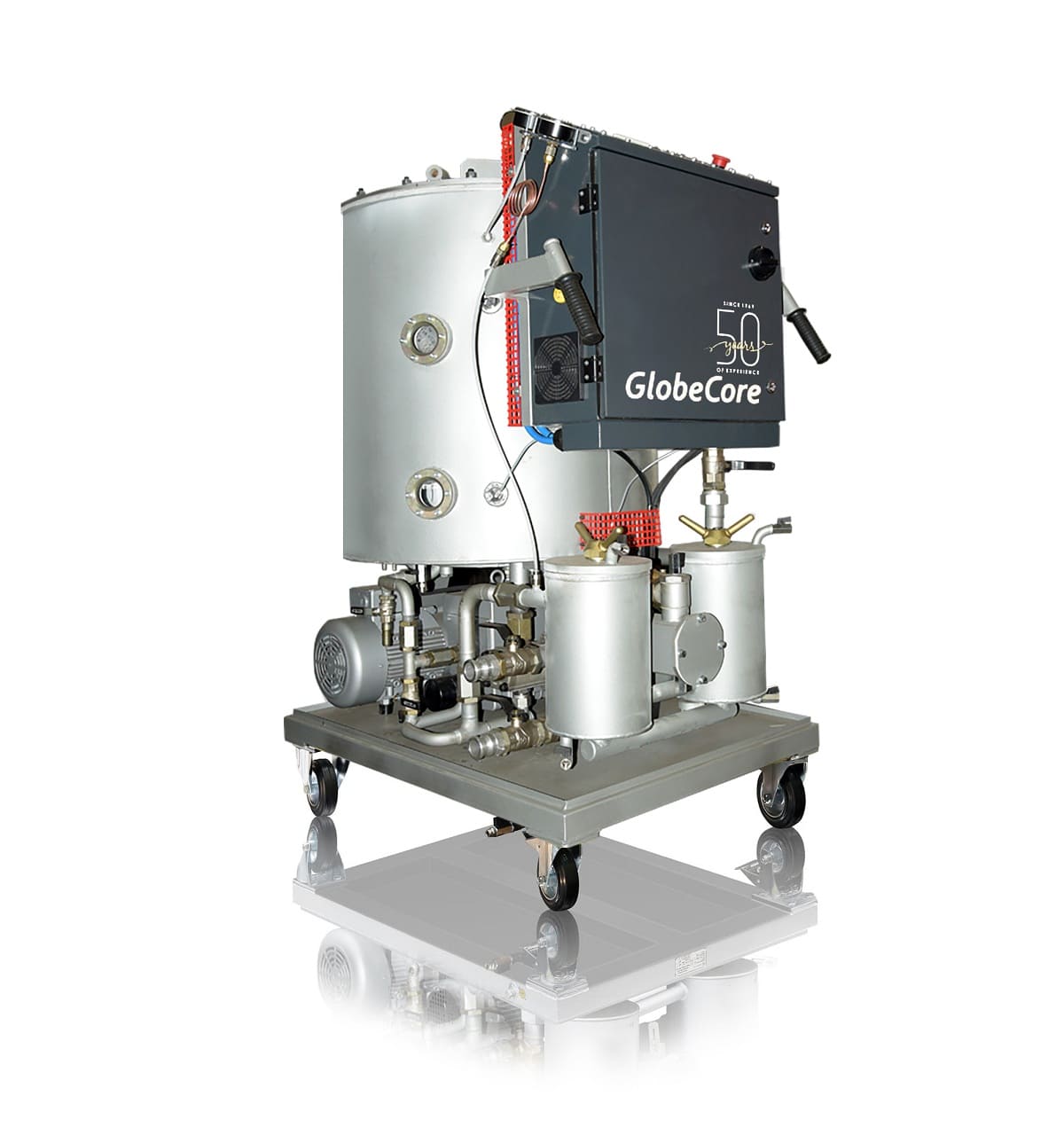
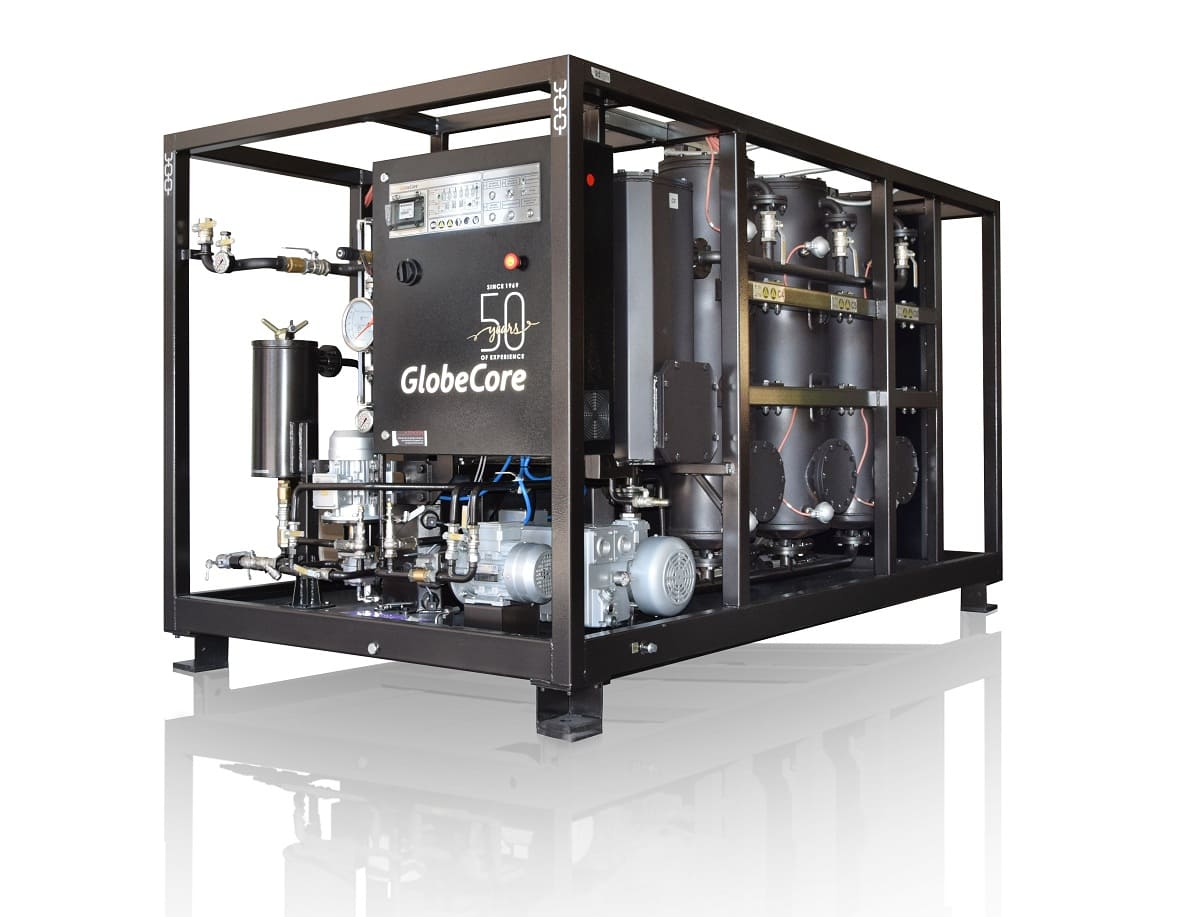
    Degassing Hydraulic Oil improves its performance in hydraulic systems by removing dissolved gases that can negatively impact the oil’s properties and system efficiency. Dissolved gases, such as oxygen, nitrogen, and carbon dioxide, can form bubbles or foams within the hydraulic fluid, leading to inconsistent lubrication and reduced cooling efficiency. These gas bubbles can cause cavitation in pumps and actuators, resulting in increased wear, noise, and potential component damage. Additionally, the presence of gases can decrease the oil’s dielectric strength, increasing the risk of electrical discharges and insulation failures in hydraulic systems. Degassing processes, such as vacuum treatment or thermal degassing, effectively extract these dissolved gases, restoring the oil’s clarity and consistency. This enhances the hydraulic system’s reliability, reduces wear and tear on components, and improves overall performance by ensuring smooth and efficient fluid flow, consistent lubrication, and optimal cooling, thereby extending the lifespan of the hydraulic machinery.
Articles by Topic

Only registered users can answer. No account? Sign up!

Ask question

GlobeCore Related Posts

plants-image

CMM-4,0LT Hydraulic Oil Purification Unit

plants-image

CMM-6RL hydraulic oil regeneration unit

plants-image

CMM-0.6L Hydraulic Oil Degassing Oil Filtration Cart

  • Home
  • Products
  • Globecore Tech School
  • Contacts

® Copyright by - 2025 © GlobeCore

GlobeCore, Sadovskogo,14 Poltava, Ukraine, 36034

Trang web này sử dụng cookie để cải thiện trải nghiệm của bạn. Bằng cách tiếp tục duyệt, bạn đồng ý với việc chúng tôi sử dụng cookie. Đọc thêm trong Chính sách bảo mật của chúng tôi.

forum-form-logo

Sign up

forum-form-logo

Sign in

To continue log in with Google.

Google Login