• Home
  • Products
    • TÁI SINH DẦU
      • HỆ THỐNG TÁI SINH DẦU CMM-R
      • HỆ THỐNG LỌC PHÒNG THÍ NGHIỆM СММ-0,001U
    • KHỬ KHÍ DẦU, SẤY DẦU NHIỆT CHÂN KHÔNG
      • TẢI LỌC KHỬ KHÍ DẦU CMM-0.6
      • MÁY DI DỘNG DẦU СММur-1L
      • THIẾT BỊ XỬ LÝ DẦU СММ-1Н
      • THIẾT BỊ KHỬ KHÍ CẦM TAY CMM-4/7
      • THIẾT BỊ DI ĐỘNG KHỬ KHÍ CMM-6/7
      • MÁY DẦU DI DỘNG CMM-10
    • HỆ THỐNG LỌC DẦU
      • CMM-1,0CF THIẾT BỊ KHỬ NƯỚC KHỎI DẦU
      • THIẾT BỊ LỌC DẦU CMM-4,0F
    • THIẾT BỊ SẤY DẦU ZEOLITE
      • KHAY CHỨA CHẤT HẤT THỤ ZP-260 SORBENT
    • GIA NHIỆT DẦU
      • GIA NHIỆT TRỰC TIẾP DẦU PPM VÀ GIA NHIỆT DÒNG DẦU
    • LÒ SẤY CHÂN KHÔNG
      • LÒ CHÂN KHÔNG BIẾN ÁP
    • Máy Xay Điện Từ
      • Máy Trộn AVS-100. Máy Xay Điện Từ
      • Máy Trộn Hóa Chất AVS-150
    • MÁY NHŨ TƯƠNG HÓA NHỰA BITUM
      • MÁY USB-2 NHŨ TƯƠNG HÓA BITUM NĂNG SUẤT 2 M3/GIỜ
      • MÁY USB-2 SẢN XUẤT BITUMEN NĂNG SUẤT SẢN XUẤT 8 M3/GIỜ
      • Bộ lọc bitum FB
    • MÁY BIẾN TÍNH BITUM. SẢN XUẤT BITUMEN BIẾN TÍNH
      • MÁY USB-3 HỆ THỐNG THỬ NGHIỆM BITUM BIẾN TÍNH
      • MÁY USB-3 BIẾN TÍNH BITUM CÔNG SUẤT 16 M3/GIỜ
      • USB-4 BỂ THU BITUM BIẾN TÍNH (USB-3)
    • HỆ THỐNG THỬ NGHIỆM CHẤT LIỆU NHŨ TƯƠNG BITUM
      • MÁY USB-3 HỆ THỐNG THỬ NGHIỆM BITUM BIẾN TÍNH
    • Accessories & Components
  • Globecore Tech School
    • Webinar Registration
  • Publications
  • About
  • Contacts
  • THIẾT BỊ SẤY KHÍ NÓNG: Sukhovey (MOJAVE HEAT)
  • LÒ CHÂN KHÔNG BIẾN ÁP
  • HỆ THỐNG AN TOÀN MÁY BIẾN ÁP TSS
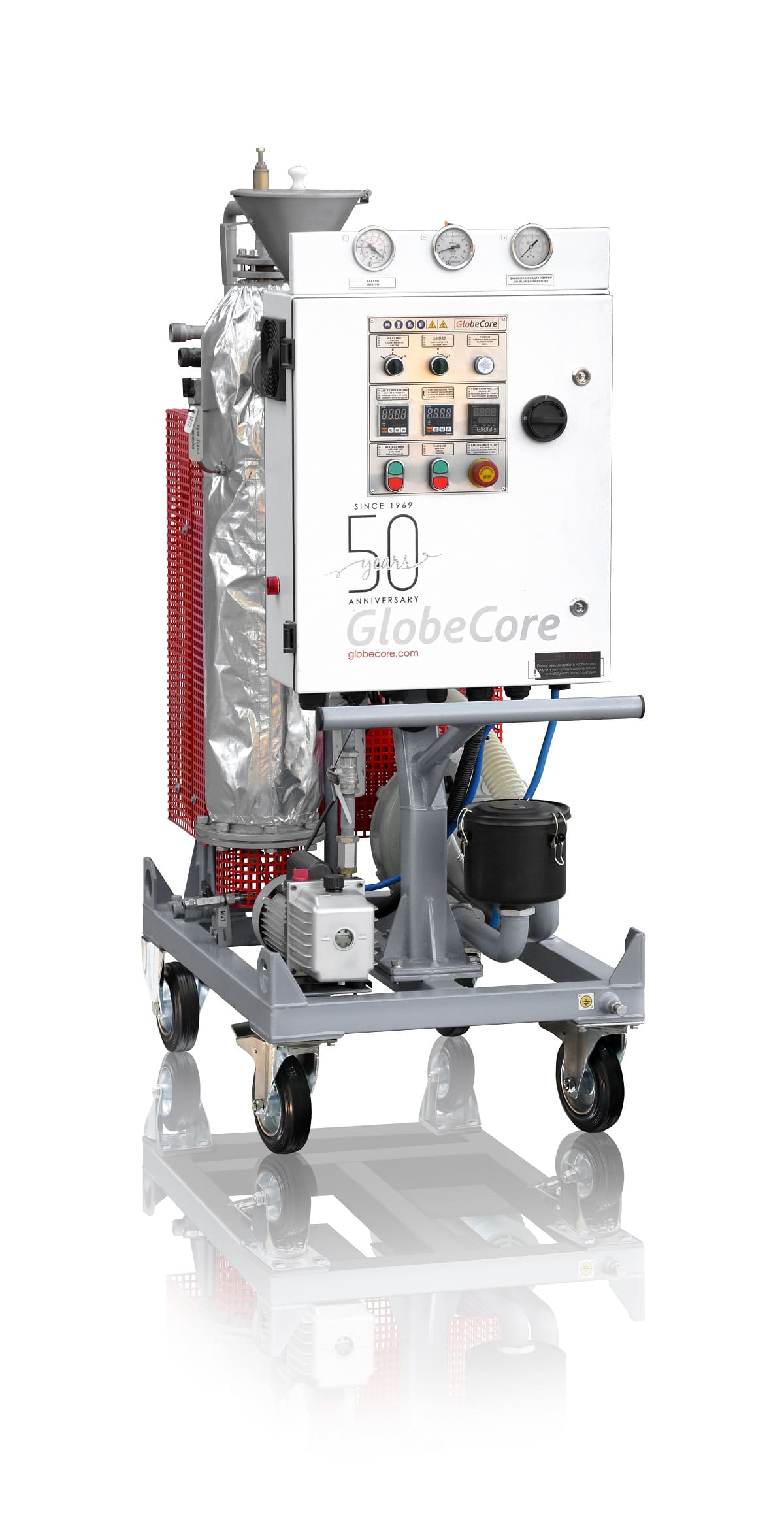
  • HỆ THỐNG TÁI SINH DẦU CMM-R
  • KHAY CHỨA CHẤT HẤT THỤ ZP-260 SORBENT
  • TẢI LỌC KHỬ KHÍ DẦU CMM-0.6
  • TẢI LỌC KHỬ KHÍ DẦU CMM-0.6
  • Máy Xay Điện Từ

How does Transformer Storage Drying differ from active drying methods, and why is it important?

Asked: October 7, 2024 at 6:56 am by Laura Anderson
  • This topic has 1 reply, 2 voices, and was last updated 1 year, 2 months ago by Gabriel Silva.

Answers

  • October 7, 2024 at 7:15 am by Gabriel Silva

    Transformer Storage Drying differs from active drying methods primarily in its approach and operational requirements. While active drying methods, such as using an Air Drying System or Vacuum Drying, involve the continuous circulation of dry air or the application of reduced pressure to actively remove moisture from the transformer oil, Transformer Storage Drying relies on passive processes to eliminate moisture over an extended period. During storage drying, transformers are kept in a controlled environment where natural evaporation can gradually reduce the moisture content in the oil. This method is less intensive and does not require specialized equipment, making it suitable for situations where active drying is not feasible or necessary. However, Transformer Storage Drying is generally slower and less effective at removing high levels of moisture compared to active methods. Despite these differences, Transformer Storage Drying is important because it ensures that stored transformers remain in a dry state, preventing moisture-induced degradation of the oil and insulating materials. Proper storage drying helps maintain the integrity of the transformer’s internal components, ensuring they are ready for efficient and reliable operation when brought back into service.
Articles by Topic

Only registered users can answer. No account? Sign up!

Ask question

GlobeCore Related Posts

plants-image

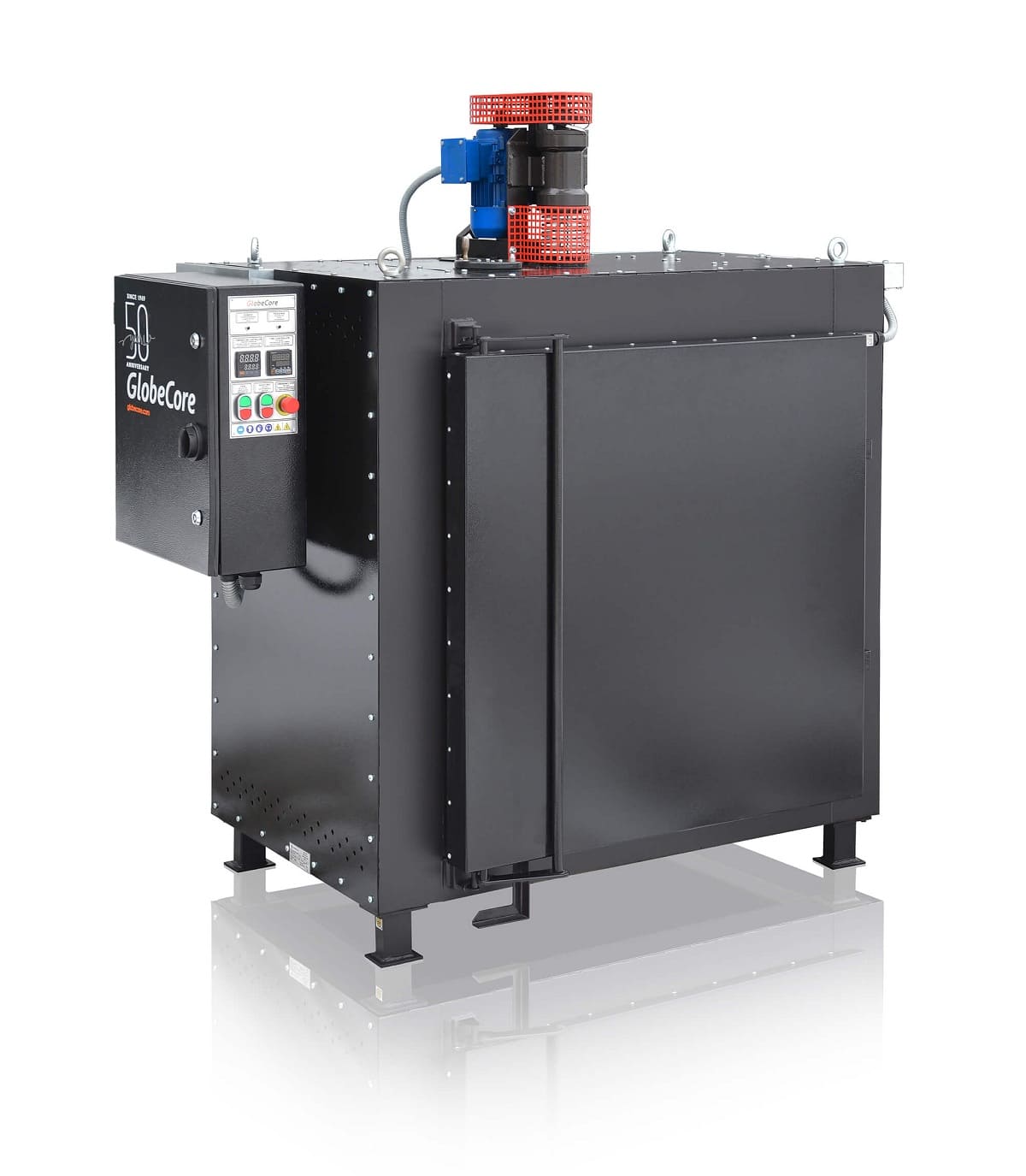
SSC-15 Zeolite Drying Cabinet

plants-image

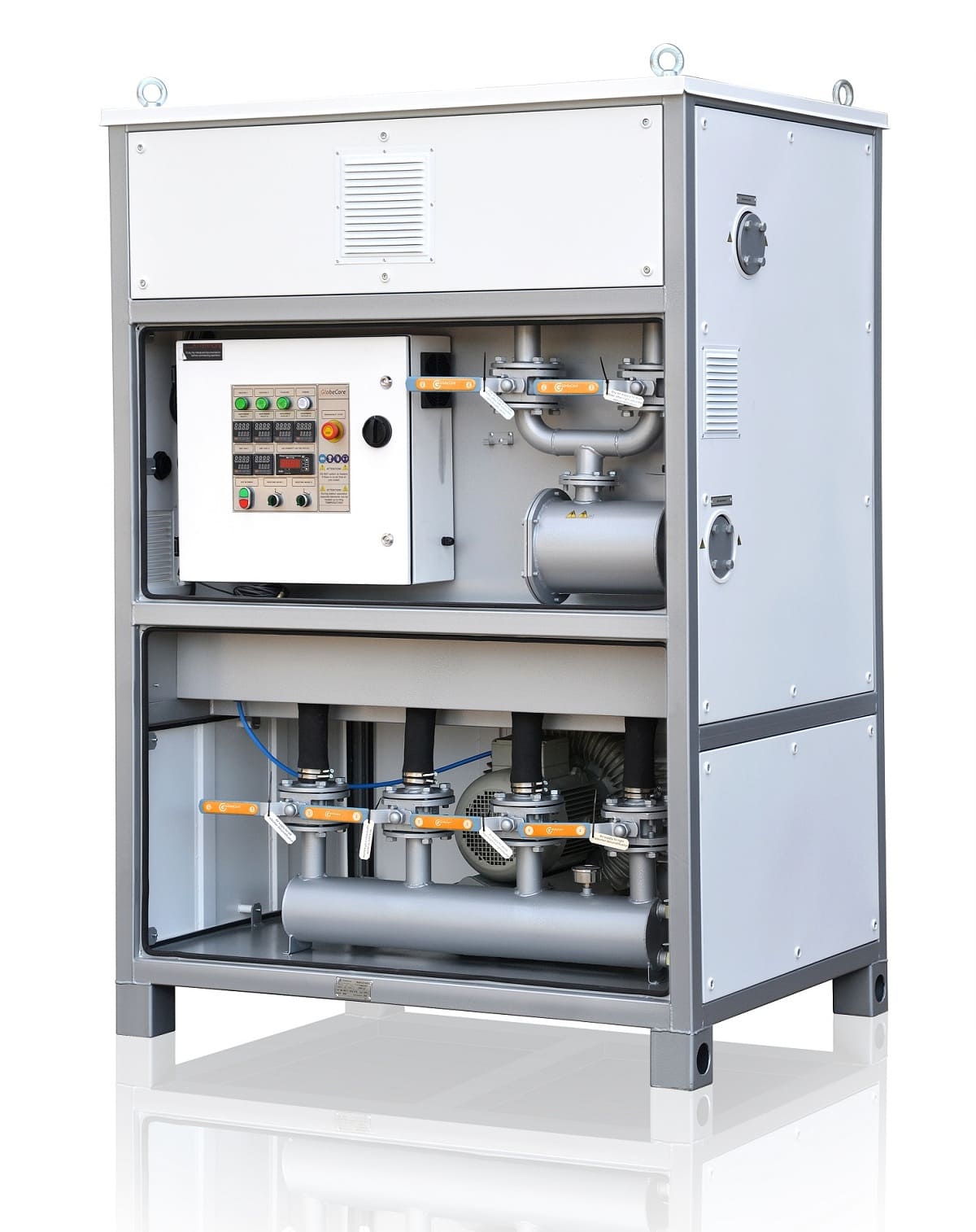
Mojave Heat (Sukhovey): Hot Air Dryer Unit

plants-image

BRPS Zeolite Regeneration Block

  • Home
  • Products
  • Globecore Tech School
  • Contacts

® Copyright by - 2025 © GlobeCore

GlobeCore, Sadovskogo,14 Poltava, Ukraine, 36034

Trang web này sử dụng cookie để cải thiện trải nghiệm của bạn. Bằng cách tiếp tục duyệt, bạn đồng ý với việc chúng tôi sử dụng cookie. Đọc thêm trong Chính sách bảo mật của chúng tôi.

forum-form-logo

Sign up

forum-form-logo

Sign in

To continue log in with Google.

Google Login