• Home
  • Products
    • TÁI SINH DẦU
      • HỆ THỐNG TÁI SINH DẦU CMM-R
      • HỆ THỐNG LỌC PHÒNG THÍ NGHIỆM СММ-0,001U
    • KHỬ KHÍ DẦU, SẤY DẦU NHIỆT CHÂN KHÔNG
      • TẢI LỌC KHỬ KHÍ DẦU CMM-0.6
      • MÁY DI DỘNG DẦU СММur-1L
      • THIẾT BỊ XỬ LÝ DẦU СММ-1Н
      • THIẾT BỊ KHỬ KHÍ CẦM TAY CMM-4/7
      • THIẾT BỊ DI ĐỘNG KHỬ KHÍ CMM-6/7
      • MÁY DẦU DI DỘNG CMM-10
    • HỆ THỐNG LỌC DẦU
      • CMM-1,0CF THIẾT BỊ KHỬ NƯỚC KHỎI DẦU
      • THIẾT BỊ LỌC DẦU CMM-4,0F
    • THIẾT BỊ SẤY DẦU ZEOLITE
      • KHAY CHỨA CHẤT HẤT THỤ ZP-260 SORBENT
    • GIA NHIỆT DẦU
      • GIA NHIỆT TRỰC TIẾP DẦU PPM VÀ GIA NHIỆT DÒNG DẦU
    • LÒ SẤY CHÂN KHÔNG
      • LÒ CHÂN KHÔNG BIẾN ÁP
    • Máy Xay Điện Từ
      • Máy Trộn AVS-100. Máy Xay Điện Từ
      • Máy Trộn Hóa Chất AVS-150
    • MÁY NHŨ TƯƠNG HÓA NHỰA BITUM
      • MÁY USB-2 NHŨ TƯƠNG HÓA BITUM NĂNG SUẤT 2 M3/GIỜ
      • MÁY USB-2 SẢN XUẤT BITUMEN NĂNG SUẤT SẢN XUẤT 8 M3/GIỜ
      • Bộ lọc bitum FB
    • MÁY BIẾN TÍNH BITUM. SẢN XUẤT BITUMEN BIẾN TÍNH
      • MÁY USB-3 HỆ THỐNG THỬ NGHIỆM BITUM BIẾN TÍNH
      • MÁY USB-3 BIẾN TÍNH BITUM CÔNG SUẤT 16 M3/GIỜ
      • USB-4 BỂ THU BITUM BIẾN TÍNH (USB-3)
    • HỆ THỐNG THỬ NGHIỆM CHẤT LIỆU NHŨ TƯƠNG BITUM
      • MÁY USB-3 HỆ THỐNG THỬ NGHIỆM BITUM BIẾN TÍNH
    • Accessories & Components
  • Globecore Tech School
    • Webinar Registration
  • Publications
  • About
  • Contacts
  • THIẾT BỊ SẤY KHÍ NÓNG: Sukhovey (MOJAVE HEAT)
  • LÒ CHÂN KHÔNG BIẾN ÁP
  • HỆ THỐNG AN TOÀN MÁY BIẾN ÁP TSS
  • HỆ THỐNG TÁI SINH DẦU CMM-R
  • KHAY CHỨA CHẤT HẤT THỤ ZP-260 SORBENT
  • TẢI LỌC KHỬ KHÍ DẦU CMM-0.6
  • TẢI LỌC KHỬ KHÍ DẦU CMM-0.6
  • Máy Xay Điện Từ

What is the difference between Hi-Pot and BDV testing?

Asked: September 6, 2024 at 10:10 pm by Agostino Falcone
  • This topic has 1 reply, 2 voices, and was last updated 1 year, 3 months ago by Joshua Roberts.

Answers

  • September 6, 2024 at 10:29 pm by Joshua Roberts

    The primary difference between Hi-Pot testing and BDV testing lies in their specific applications and measuring methods. Hi-Pot testing, also known as high potential testing, is primarily used to assess the insulation strength of electrical equipment by applying a high voltage to determine if there are any breakdowns or leaks. In contrast, BDV testing refers to Breakdown Voltage testing, which specifically measures the voltage at which an insulating oil begins to conduct electricity, indicating its dielectric strength. BDV testers, like those offered by Globecore, are designed to provide accurate and reliable readings of the breakdown voltage of industrial oils, ensuring their quality and effectiveness in electrical applications. Both of these testing methods are critical in ensuring the safety and reliability of electrical systems, but they focus on different aspects of electrical insulation. When it comes to selecting the right tester for your needs, understanding the specific differences between Hi-Pot and BDV testing can guide you in choosing a suitable device from Globecore’s lineup, helping you maintain optimal performance in your operations with a bdv tester megger.
Articles by Topic

Only registered users can answer. No account? Sign up!

Ask question

GlobeCore Related Posts

plants-image

TOR-2 Hydrogen and Moisture Analyzer for Transformer Oil Monitoring

plants-image

TOR-3 (TOR-3 SL) Oil Tan Delta Tester

plants-image

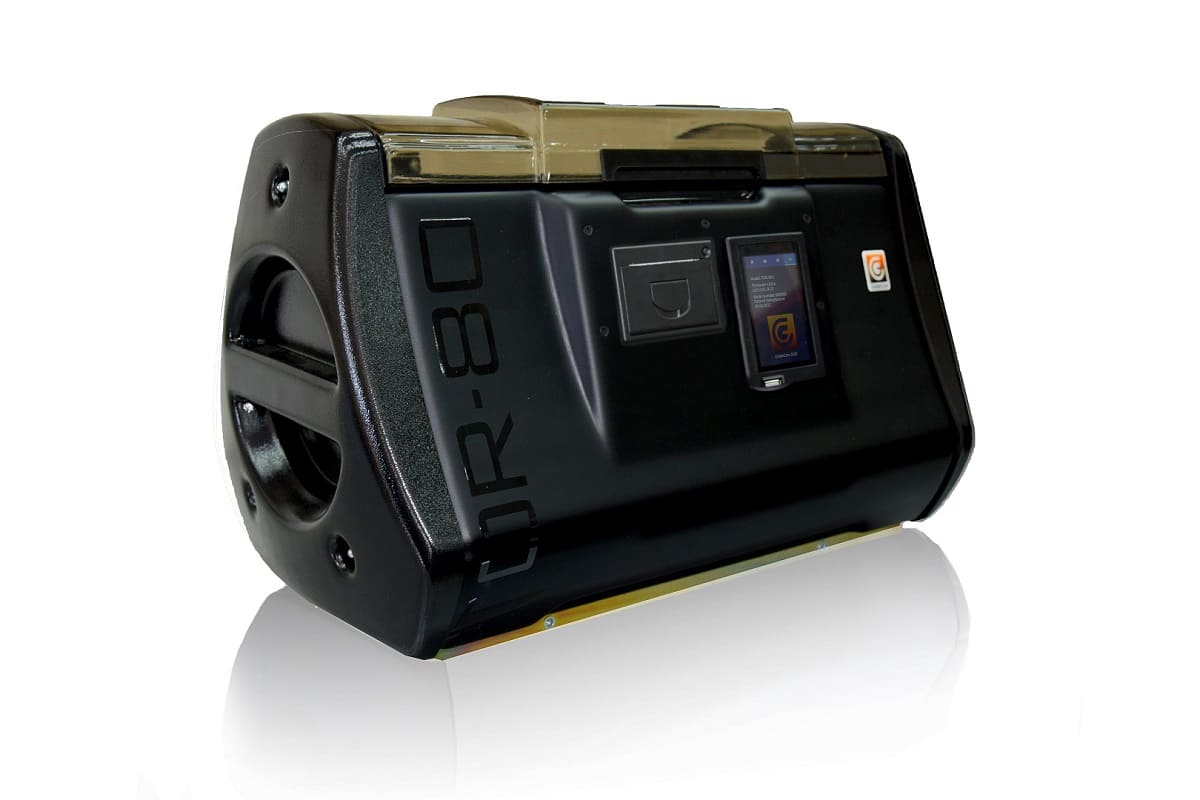
TOR-80 (TOR-80 LSL) Breakdown Voltage Tester

  • Home
  • Products
  • Globecore Tech School
  • Contacts

® Copyright by - 2025 © GlobeCore

GlobeCore, Sadovskogo,14 Poltava, Ukraine, 36034

Trang web này sử dụng cookie để cải thiện trải nghiệm của bạn. Bằng cách tiếp tục duyệt, bạn đồng ý với việc chúng tôi sử dụng cookie. Đọc thêm trong Chính sách bảo mật của chúng tôi.

forum-form-logo

Sign up

forum-form-logo

Sign in

To continue log in with Google.

Google Login