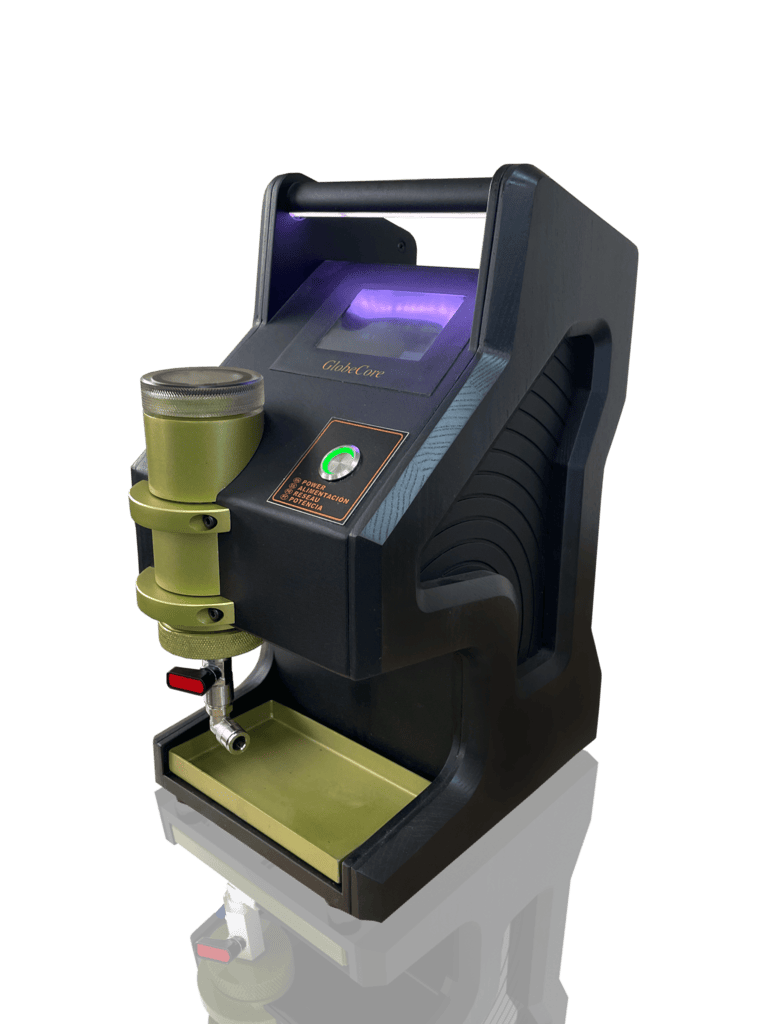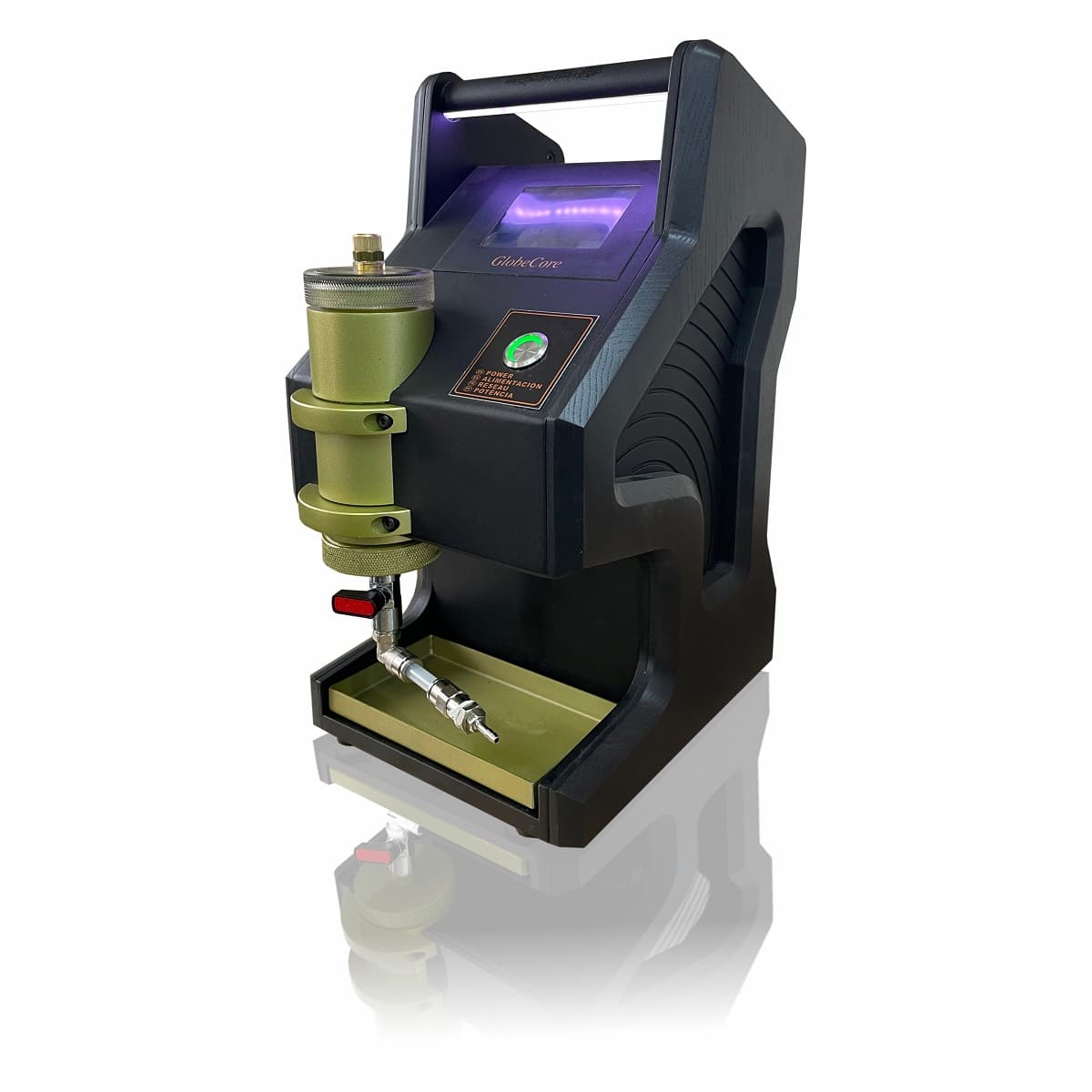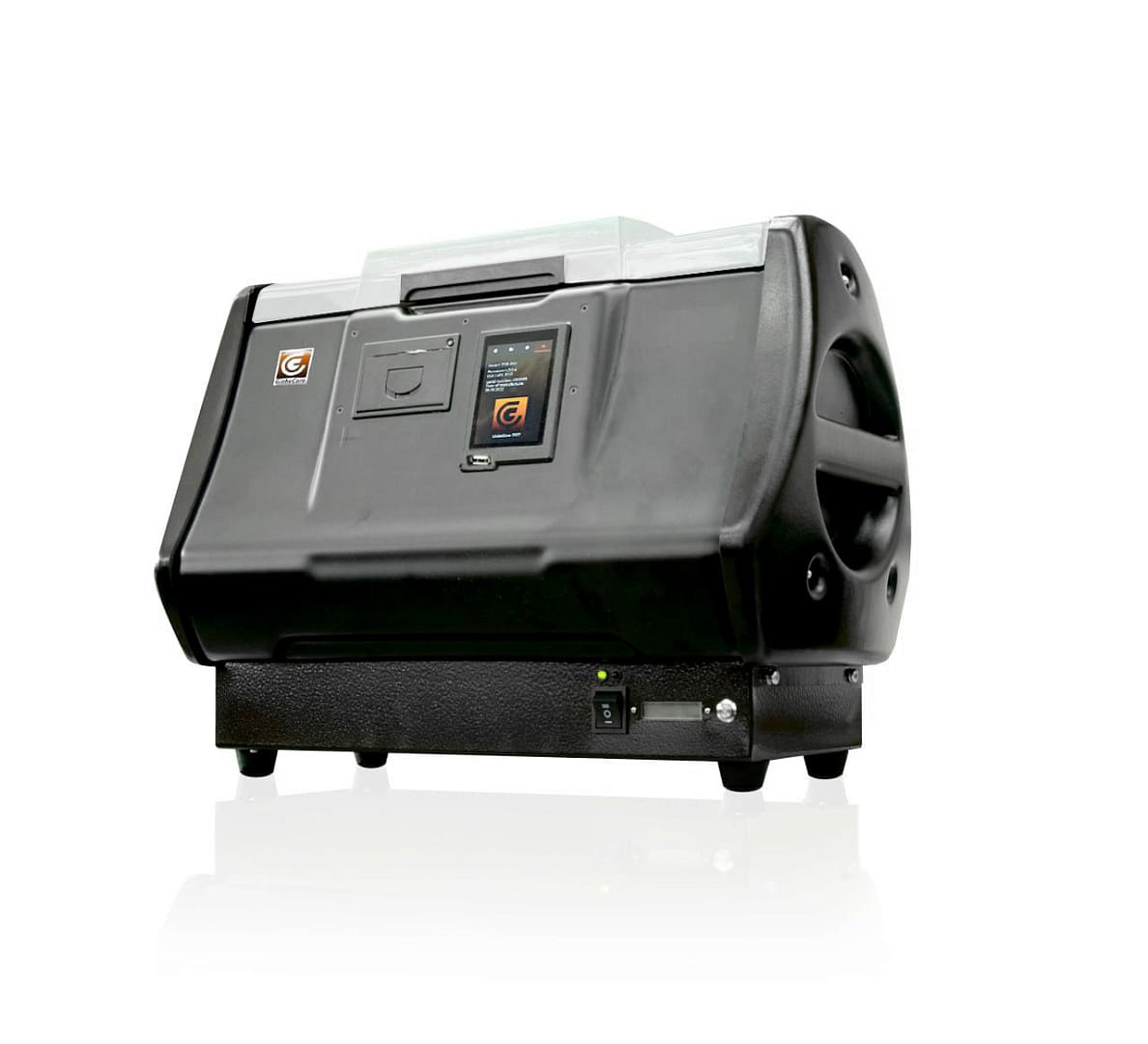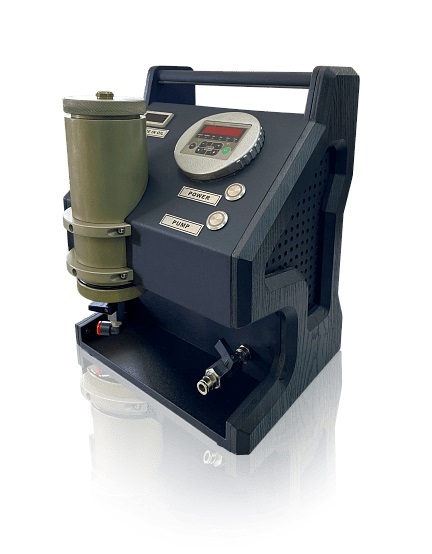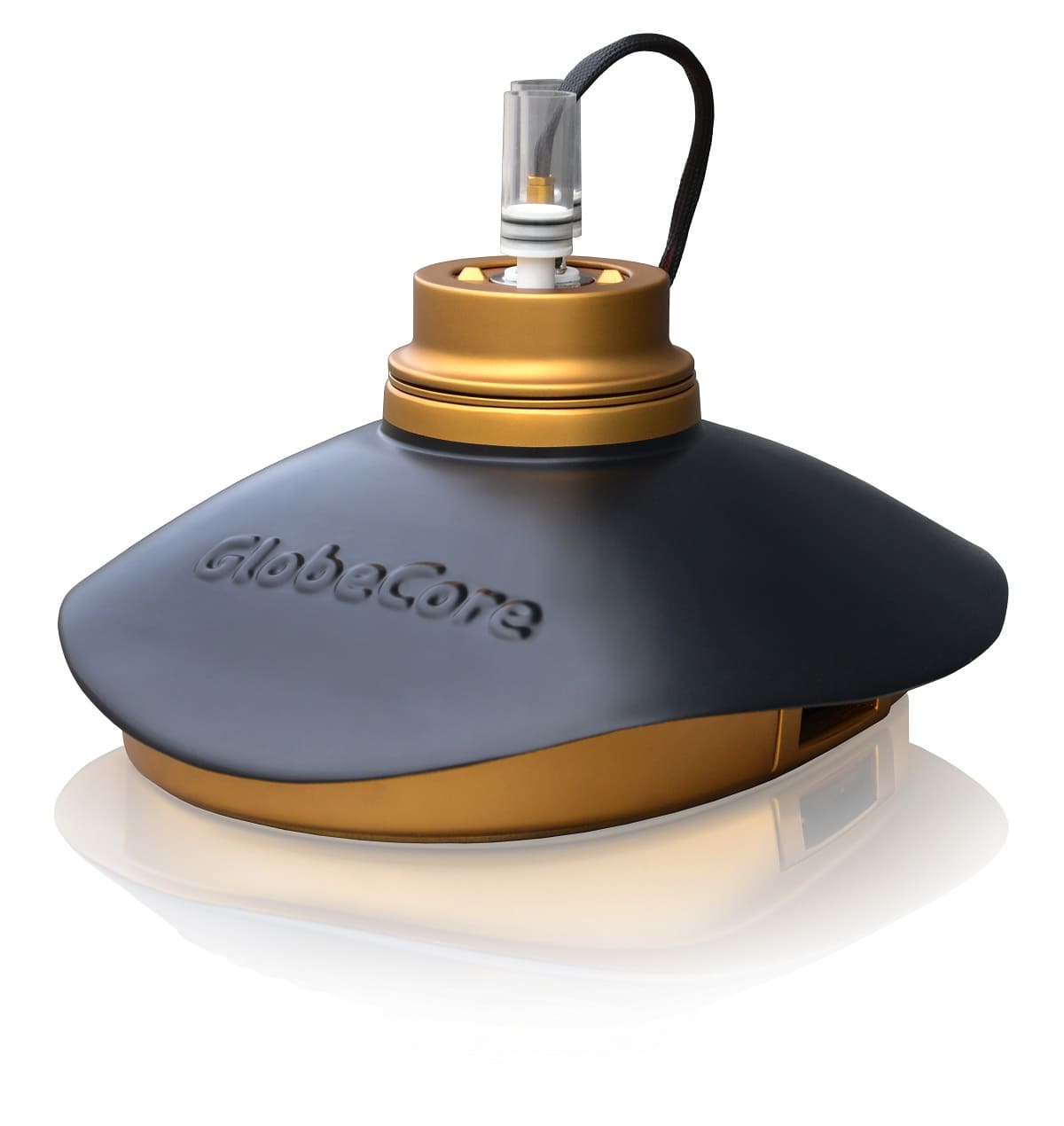
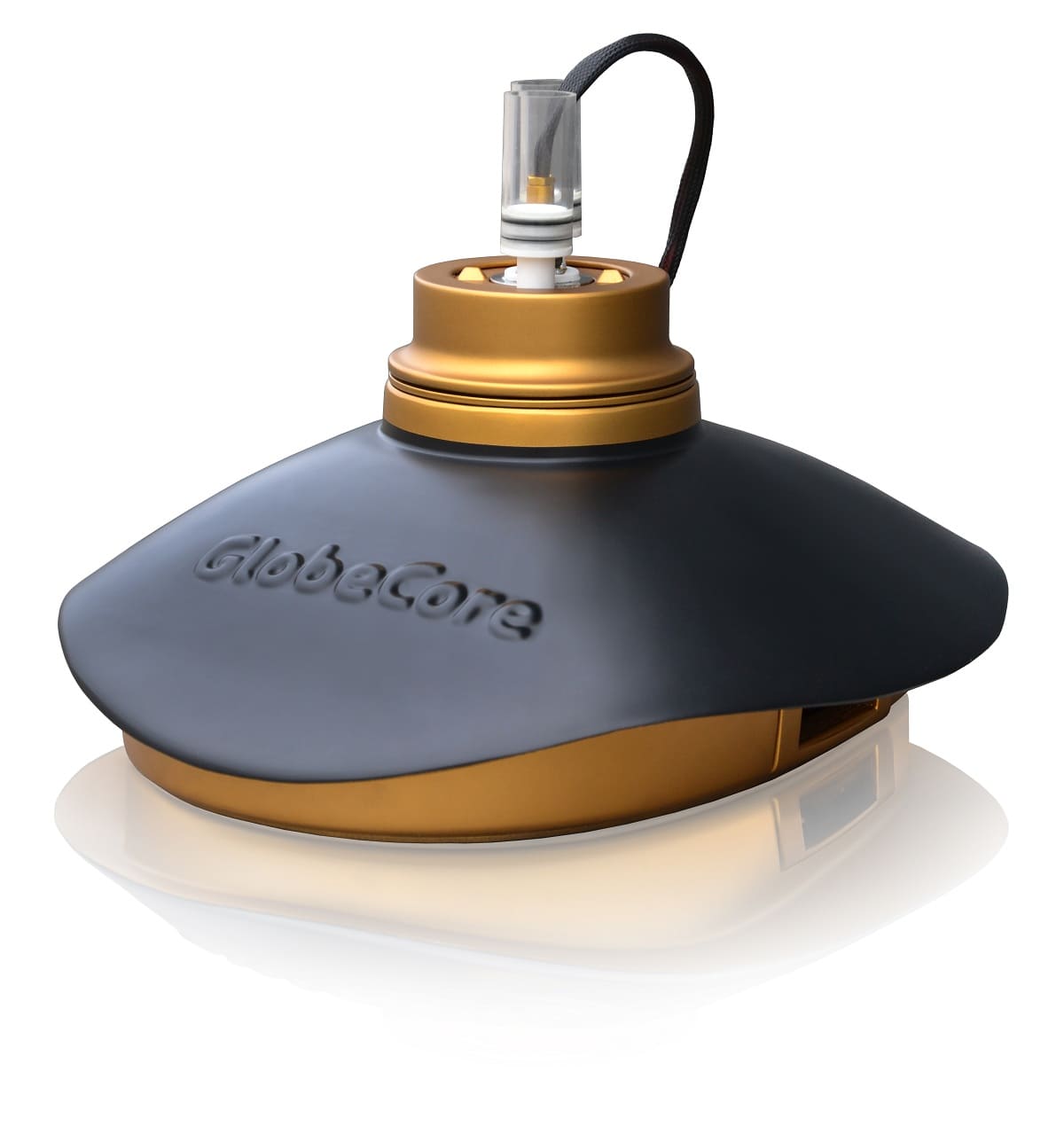
TOR-3 (TOR-3 SL) Oil Tan Delta Tester
Tan Delta | Specific resistivity | Permittivity | Small footprint
The unit is designed for determining the dielectric loss tangent, specific resistivity, and permittivity of transformer oils according to IEC 60247-2004-02 (VDE-0380-2:2005_01), ASTM D924-08, and ASTM D1169-02.
It is a fully automatic device that allows testing according to the procedures defined in these standards, as well as according to the user procedures specified in the appropriate section of the setup menu.
Operating principle
The principle of operation is based on measuring the difference in amplitudes and phases of signals obtained when a test sinusoidal voltage with an effective value of up to 2 kV is applied simultaneously to the reference capacitor and the object of measurement, which is the measuring cell of the unit.
The difference between the amplitudes of the signals taken from the reference capacitor and the internal electrode of the measuring cell is proportional to the dielectric constant of the liquid under study. The phase difference between the signals taken from the reference capacitor and the internal electrode of the measuring cell characterizes the value of the dielectric loss tangent.
| No. |
Parameter |
Value |
| 1 | Operating AC voltage, V |
100–260 |
| 2 | Power frequency, Hz |
48–63 |
| 3 | Power requirement, VA |
Below 250 |
| 4 | Applied measuring АС voltage, kV |
Sinusoidal, 500–2,000 Vrms |
| 5 | Tan δ measurement range |
0.00001–4 |
| 6 | Tan δ measurement resolution |
1х10-6 |
| 7 | Tan δ measurement tolerance |
+/- 1% of measurement + 0.00008 |
| 8 | Dielectric constant (ε) measurement range |
1.0–15.0 |
| 9 | Dielectric constant (ε) measurement tolerance |
+/- 1 % |
| 10 | Electrical capacitance (C) measurement range, pF |
20–1,000 |
| 11 | Electrical capacitance (С) measurement tolerance, pF |
+/- 1 % + 1 |
| 12 | Oil temperature measurement range, ᴼС (oF) |
20–110 (68–230) |
| 13 | Measuring cell volume, cm³ (in³) |
42 (2.6) |
| 14 | Electrical capacitance of empty cell, pF |
65–85 |
| 15 | One measurement duration, minutes, max |
5 |
| 16 | AC frequency setting range, Hz |
45–65 |
| 17 | Temperature measurement resolution, oС (oF) |
0.5 (33) |
| 18 | Integrated printer |
None |
| 19 | Operating temperature, oС (oF) |
0–50 (32–122) |
| 20 | Storage temperature, oС (oF) |
-20 to +60 (-4 to 140) |
| 21 | Relative humidity, % |
Up to 90, non-condensing |
| 22 | Dimensions, mm (in) |
400 х 450 х 300 (15.7 х 17.1 х 11.8)* |
| 23 | Weight, kg (lbs), max |
5.3 (12)* |
* – with installed and connected cell
- Fast measurements with accuracy maintained.
- The measurement process is automated, controlled by a computer, you can save the results and print them out using a printer.
- The tester can be supplied with Tangent Service engineering software, which allows viewing the results online, as well as an archive of measurements in graphic or digital form.
- Variability of settings – can be used for research purposes.
- Light weight, compact dimensions, ease of use.
Can the measured dielectric dissipation factor (tan δ) of the same oil differ when using different instruments, and why?
Oil is not a homogeneous liquid, and its properties change during storage. Several factors are important: whether the oil was mixed before sampling, whether the sample was taken from the upper or lower layer, how much time elapsed between the collection of different samples, and whether the oil container was left open or hermetically sealed between sampling procedures.
If the samples were collected simultaneously from the same container after thorough mixing, then allowed to settle for the same period and tested simultaneously, preference should be given to the instrument that provides the most stable results. Although oil properties may change over time, the key criterion is the absence of fluctuations in opposite directions and excessive scatter in the measured values.
If measurements performed on the same oil sample remain stable or change gradually, consistently in one direction, and at a slow rate, the instrument can be considered reliable. The TOR-3 meets these criteria.
What is included in the TOR-3 standard scope of supply?
The standard scope of supply includes a measuring cell, a wrench and a set of rubber sealing rings for the cell, a power cable and a measuring cell cable, an RS-485 interface cable and an RS-485/USB converter, a filling funnel and an air vent funnel, a USB flash drive containing the operating software and FTDI device driver, a packing case, an operation manual, and an equipment passport.
The following items are also available upon special request: a set of rubber sealing rings for the measuring cell, an additional set of filling and air vent funnels, a spare measuring cell cable, a set of plastic measuring cell components that can be removed and installed by the user, and a spare driven part of the measuring cell’s solenoid valve.
Can the TOR-3 measure the dielectric dissipation factor (tan δ) of insulating liquids made from vegetable oils?
Yes.
Can the TOR-3 be used in the field with a laptop?
Yes, provided that you order an additional transformer-based power supply.
How long does it take to measure a single oil sample using the TOR-3?
One measurement takes 15-20 minutes. According to the standard, two measurements are required.
How often does the TOR-3 need to be calibrated?
Calibration is performed after each disassembly and cleaning of the measuring cell.
How often should the measuring cell of the TOR-3 be cleaned?
The measuring cell should be cleaned whenever the type of dielectric liquid being tested is changed, or at least once a week.
What volume of liquid is required to perform a measurement with the TOR-3?
To perform measurements in accordance with the standard, 0.5 liters of liquid is required (60 mL × 8 fillings: 6 for flushing and 2 for measurements).
Does the TOR-3 need to be flushed daily?
No. At the end of the working day, it is recommended to fill the measuring cell with clean oil and leave it overnight. At the beginning of the next working day, perform the standard flushing procedure using the oil to be tested.


Webinars

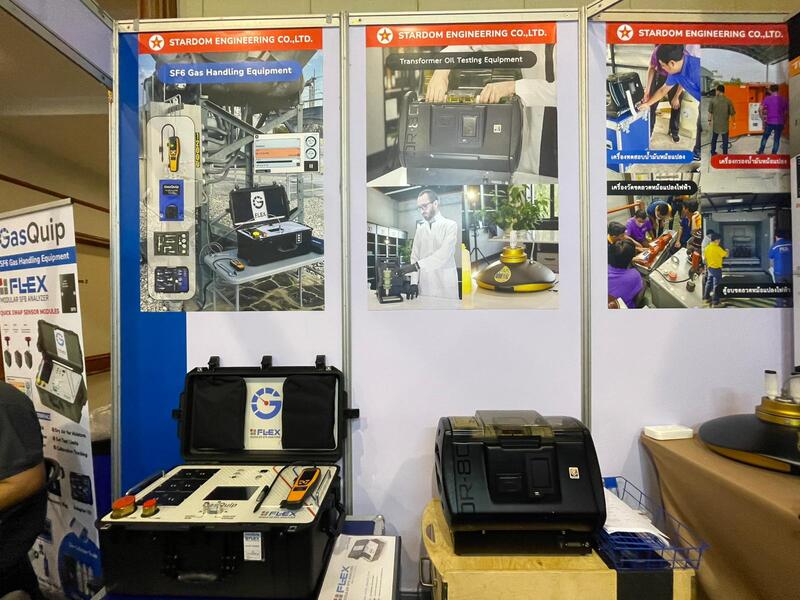
GlobeCore Showcased Equipment at TEMCA M&E Expo Thailand 2025
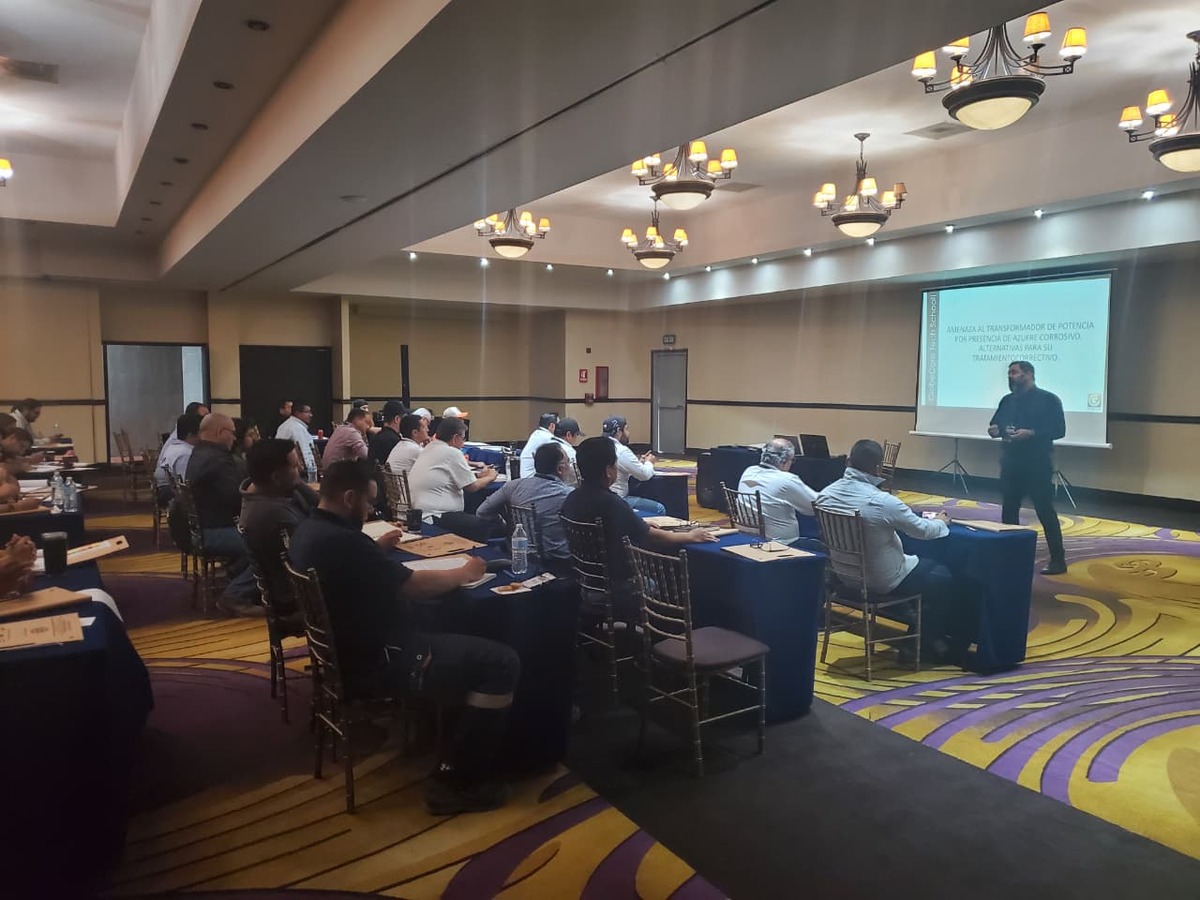
Participation in the International Seminar on Electrical Testing of Transformers, LTCs, and Diagnostic Techniques for Insulating Fluids

Transformer Oil Testing – Transformer Reliability with BDV, Tan Delta, and Dissolved Gas Analysis

Mineral transformer oil tan delta tester TOR-3
Transformer Diagnostic Equipment