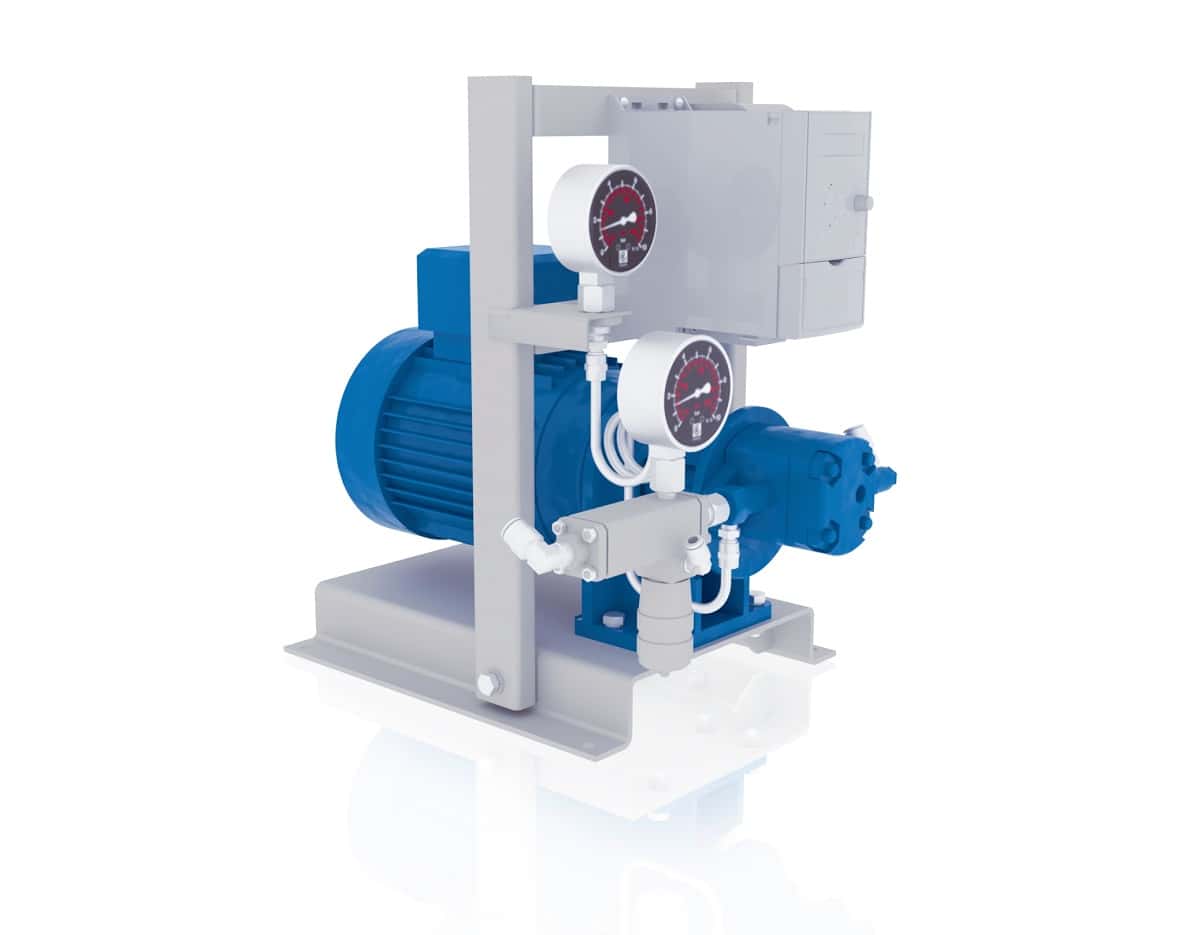
USBL-1 Laboratory Blending System
2 liquids | Blending | Small footprint | Laboratory
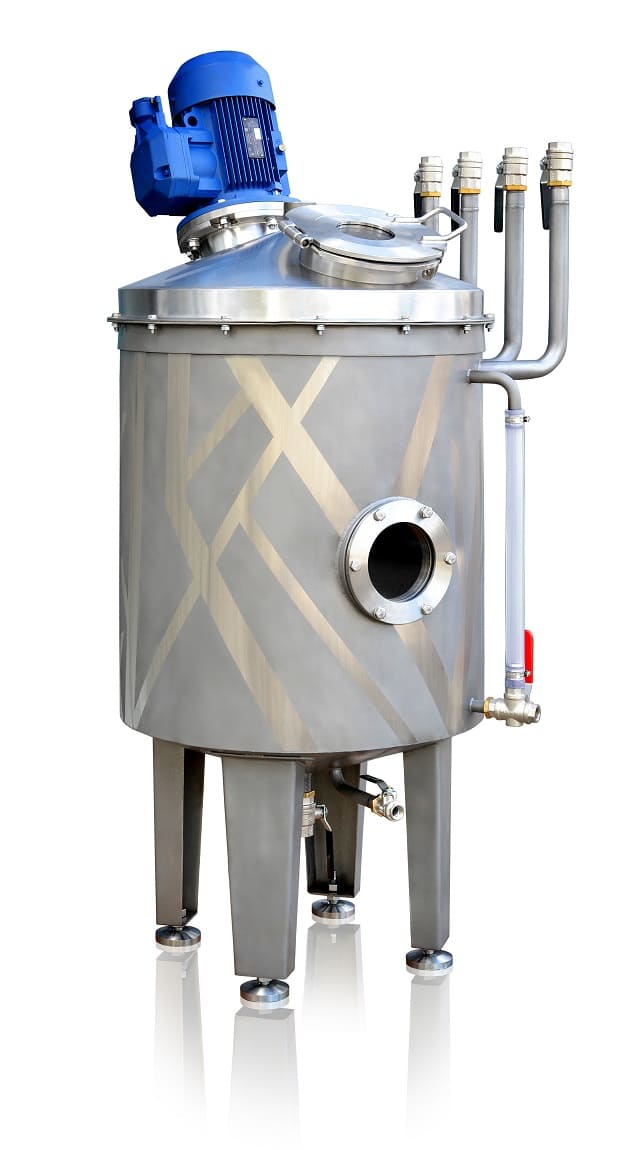
The high-speed laboratory blending unit USBL-1 is designed for accurate and high-quality blending of liquids of two components of oil products, even in small volumes. This ensures high quality and consistency of the final product.
This unit can be used in laboratories at oil refineries. Its main purpose is to accurately and quickly mix 2 components, allowing specialists to accurately determine the right ratio of components to achieve the optimal result.
The resulting sample can then be directly used for detailed laboratory analysis to ensure compliance with all quality standards.
| No. | Parameter | Value |
|---|---|---|
| 1 | Number of liquids to be mixed (max) |
2 |
| 2 | Rated capacity of the unit when mixing all ingredients, L/h (gal/min):
— at 50 Hz — at 100 Hz |
112 (0.49) |
| 4 | Maximum design pressure of the main liquid discharge, MPa |
1.0 |
| 5 | Power rating, kW (max)
— at 50 Hz — at 60 Hz |
0.76 0.92 |
| 6 | Overall dimensions, mm, max
— length — width — height |
410 (16.1) 360 (14.2) 400 (15.7) |
| 7 | Weight, kg (lbs), max |
25 (55) |
- The unit can be used by research institutions and laboratories.
- The unit produces samples of mixed liquids for laboratory testing.
- The unit helps in testing the effectiveness of various additives to optimize blending formulas.
Application:
Does the USB-1 ensure a homogeneous mixture in a single pass through the cavitation mixer?
Yes.
Is it possible to obtain a stable emulsion without using emulsifiers?
This depends on the type of input components.
What is the component dosing accuracy of the USB-1 unit?
The accuracy of the flow meters is selected to meet the specific requirements of the customer’s technological process.
Can the USB-1 be used to add additives at concentrations below 1% in the final product?
Yes.
Can cavitation treatment cause heating or changes in the properties of the components?
The temperature of the components is the same at the inlet and outlet of the unit.


Windshield washer fluid production

Crude oil homogenisation for unification this oil before processing and before shipment from terminals

Homogenization of water-fuel oil emulsion for combustion in boilers as fuel

Diesel- and biodiesel-based fuel compounding