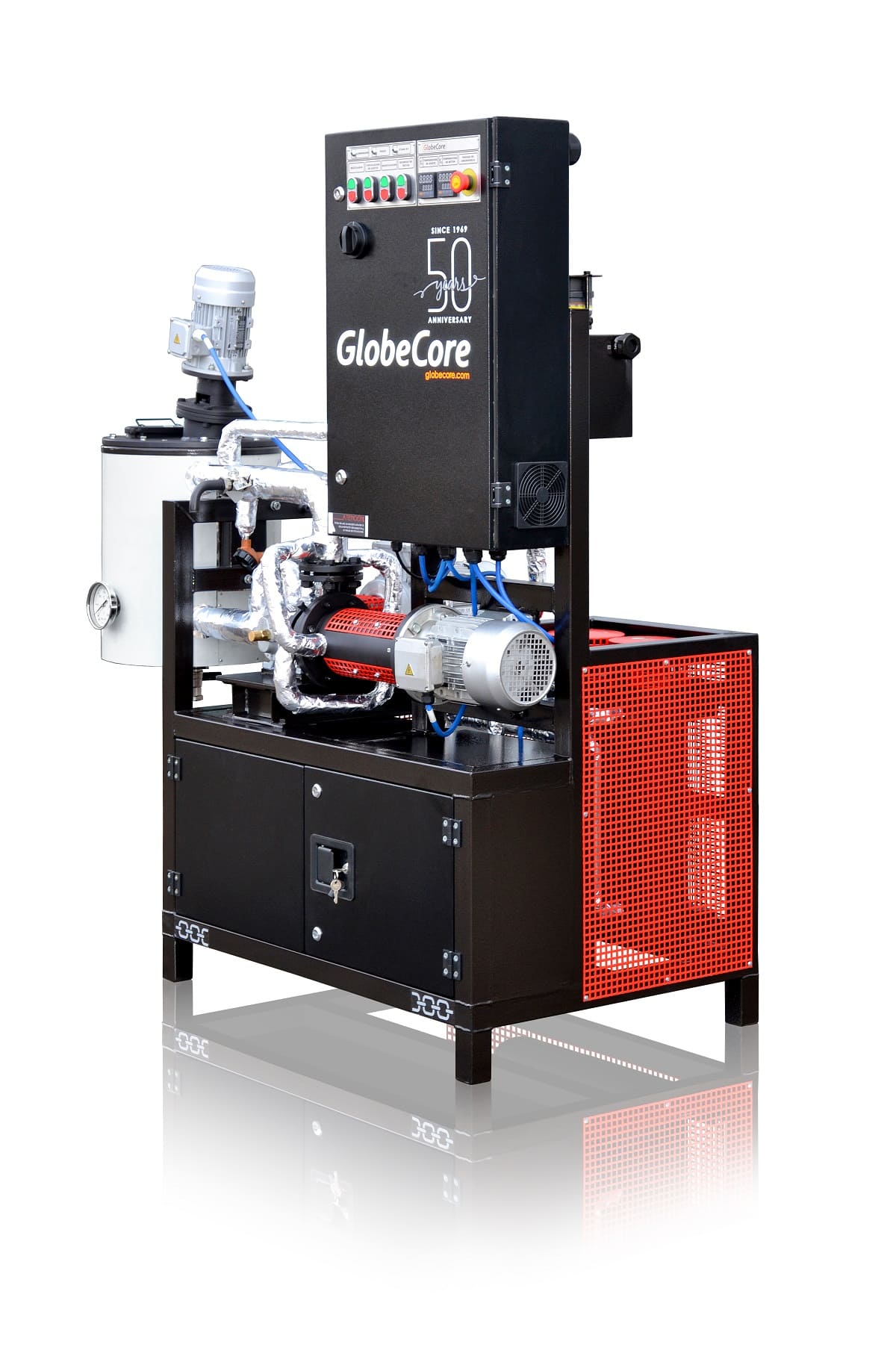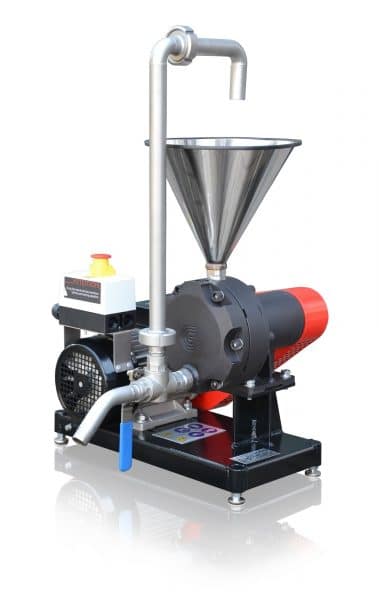
CLM-100.1 Bitumen Emulsion Laboratory System
Cap: 2-4 liters per batch | Bitumen emulsion | Laboratory
The CLM-100.1 colloid mill is designed for homogenization and emulsification of liquid materials (thick suspensions with high shear tension) in laboratory conditions, for such purposes as bitumen emulsion production.
The machine can be used to prepare, dissolve and process a variety of materials in different industrial applications.
Bitumen emulsions — Fields of application
- Road construction:
- surfacing emulsions;
- pothole patching;
- bonding of asphalt layers;
- using in Slurry Seal and Multimac technologies;
- ground and base stabilization;
- emulsions intended for reuse of asphalt materials (recycling);
- long-term storage emulsions (wintertime pothole patching mixtures);
- tackiness remover emulsions.
- Hydraulic engineering facilities:
- emulsions intended to arrange waterproof membranes for foundations, swimming pools, pipe and pile linings, etc.;
- emulsions are applied to the surface by jet method, single- or double-component method (to accelerate film formation).
- Roofing:
- emulsions intended to obtain waterproof membranes on the surface of roofs of various complexity. These emulsions are applied to the surface by jet method.
| No. |
Parameter |
Value |
| 1 |
Processing rate, L/batch (gal/batch) |
2…4 (0.5… 1)* |
| 2 |
Input volume, L (gal) |
5 (1.3) |
| 3 |
Kinematic viscosity, mm2/sec (in2/sec), max |
150 (0.23) |
| 4 |
Max process temperature, °С (°F) |
180 (356) |
| 5 |
Shaft seal type |
Mechanical |
| 6 |
Rotor/stator tooling |
Nozzle |
| 7 |
Spare knives kit |
Optional** |
| 8 |
Knife axial gap preset, mm (in) |
0.2…2 (7.8·10-3… 7.8·10-2) |
| 9 |
Knife radial gap, mm (in) |
0.25 (9.8·10-3) |
| 10 |
Knife tip speed, m/sec (in/sec), max |
45 (1770) |
| 11 |
Mill shaft and bearing rotation speed, rpm |
6,650 |
| 12 |
Motor shaft speed, rpm |
2,770 |
| 13 |
Drive power, kW |
2.2 |
| 14 |
Power voltage, V |
Customizable |
| 15 |
Dimensions, mm (in), max: |
|
|
550 (21.7) |
|
|
600 (23.6) |
|
|
750 (29.5) |
|
| 16 |
Weight, max, kg (lbs) |
70 (154) |
- The mill can process a variety of materials.
- The mill can be equipped with various rotor/stator tooling, depending on the material and the required process.
- The rotor/stator tooling, as well as the number of stages are selected for optimal intensity of mechanical and thermal processing.
- Tooling can be made from a single part or multiple parts, as well as of different steel grades, depending on the intended purpose of the mill.
Application:
What types of processes can be performed using GlobeCore colloid mills?
Preparation, dissolution, wet grinding, and processing of a wide variety of materials, depending on the design features of the working tool.
What types of rotor/stator milling tools are the mills equipped with?
The mills can be equipped with various types of rotor/stator tools, which can be broadly classified into the following categories: nozzle-type, chamber-type, conical (for grinding), conical (for viscous products), or combined configurations.
The type of rotor/stator tool and the number of processing stages (rings) are selected depending on the required intensity of mechanical and thermal treatment of the product.
The tools can be either dismountable or machined from a single solid blank. They can also be manufactured from different grades of steel, depending on the intended application. This allows the optimal tool geometry and material to be selected for each specific processing task.
What types of steel can be used to manufacture the flow-contact parts and components of GlobeCore colloid mills?
The flow-contact parts and components can be manufactured from structural steels, corrosion-resistant stainless steels, and food-grade steels.
Is it possible to adjust the gap between the rotor and stator?
The gap can be either preset or adjustable, typically ranging from 0.2 mm to 2 mm.



Webinars

Bitumen mastic production
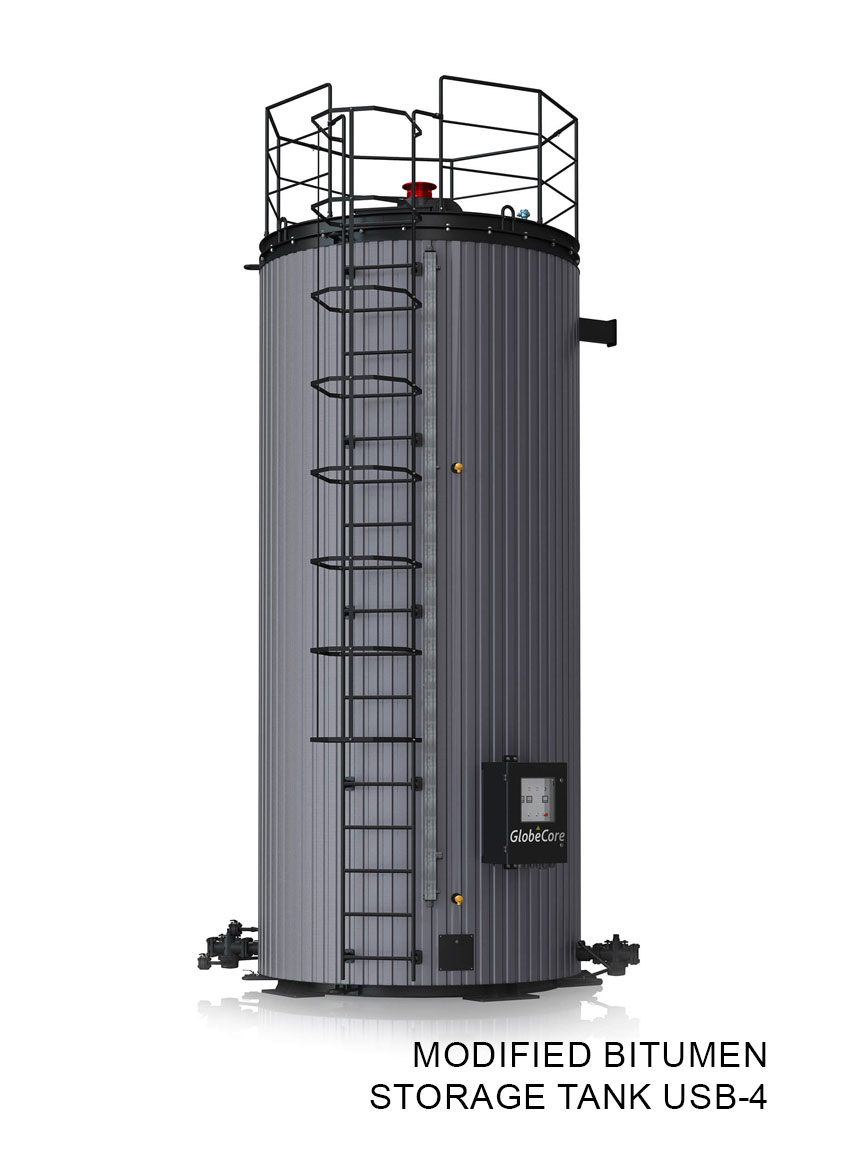
Modified bitumen storage tank USB-4
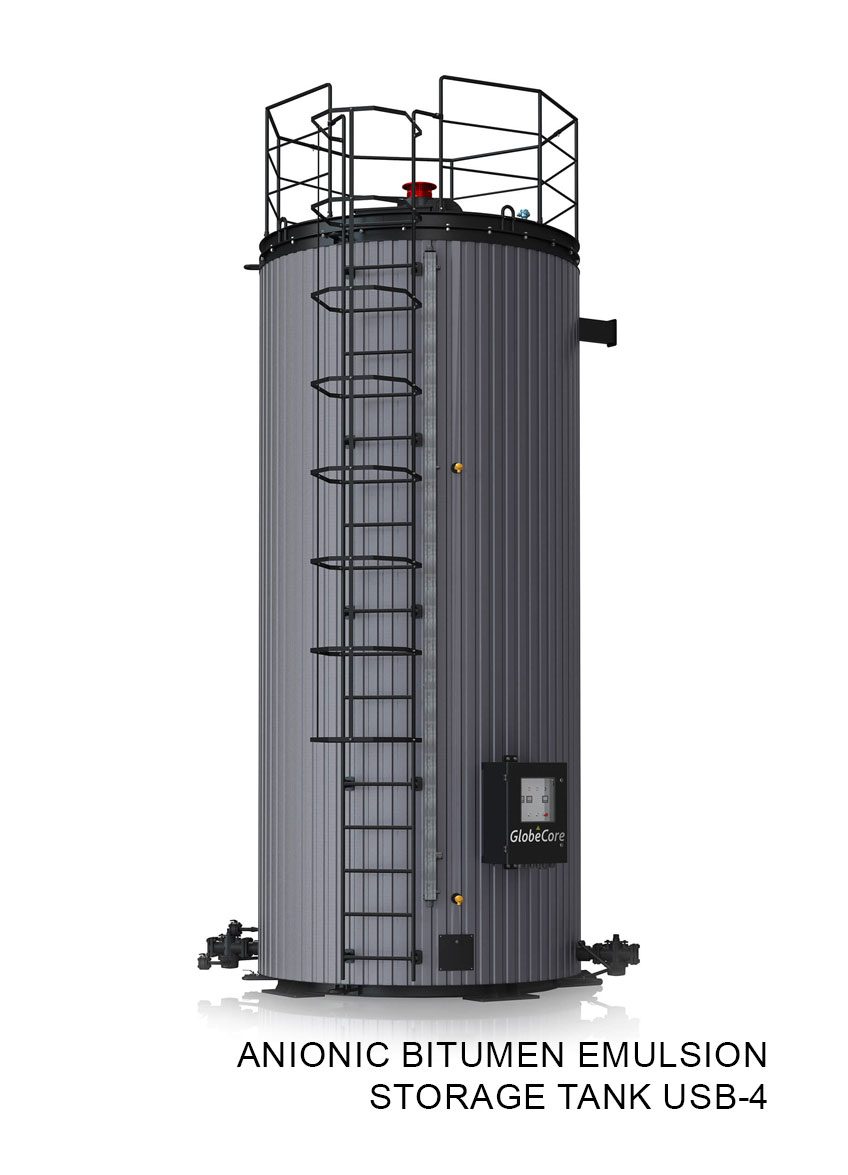
Anionic bitumen emulsion storage tank USB-4
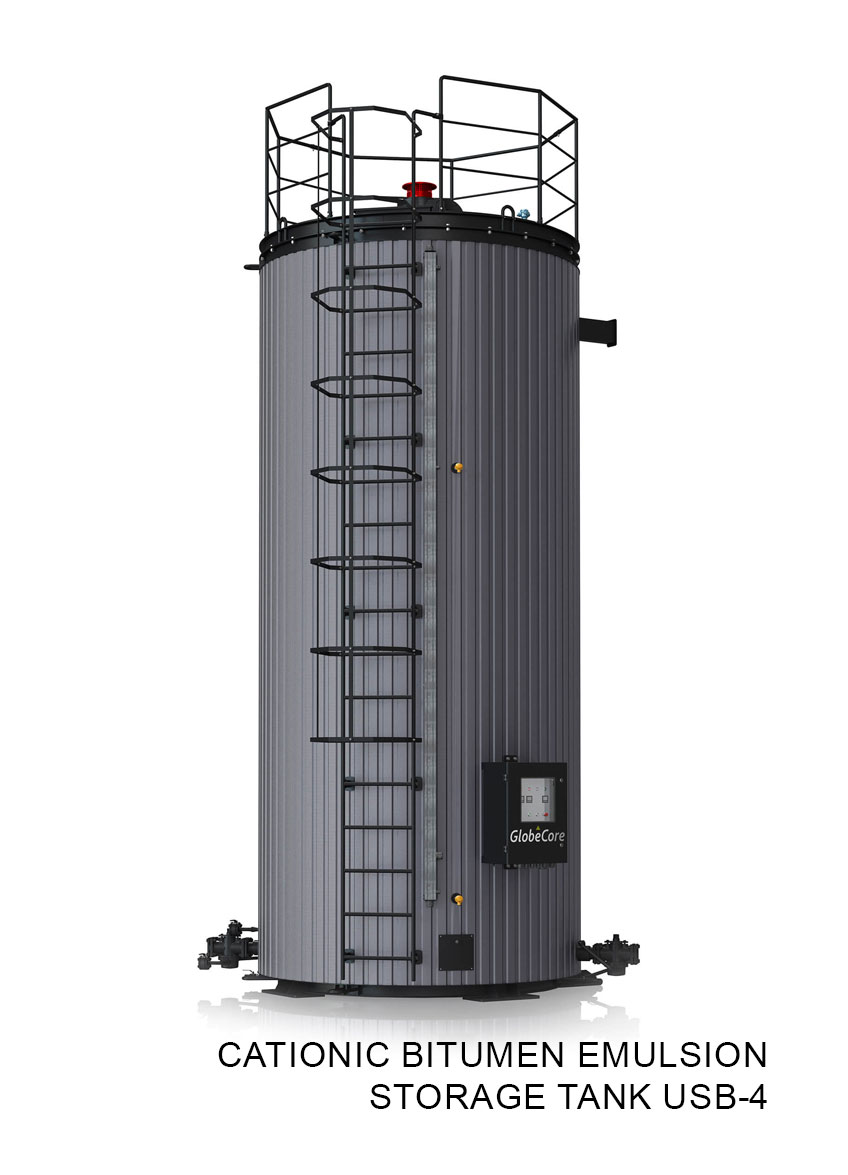
Cationic bitumen emulsion storage tank USB-4