GlobeCore FAQ
Can a colloid mill achieve the micron size needed for oats in a vegan chocolate spread (with oats, date juice, cocoa, hazelnuts, cocoa butter), and what fineness is realistically achievable for this application?
- Este debate tiene 1 respuesta, 2 mensajes y ha sido actualizado por última vez el hace 4 días, 10 horas por .
Answers
-
enero 29, 2026 a las 1:05 am by Pasquale Scarponi
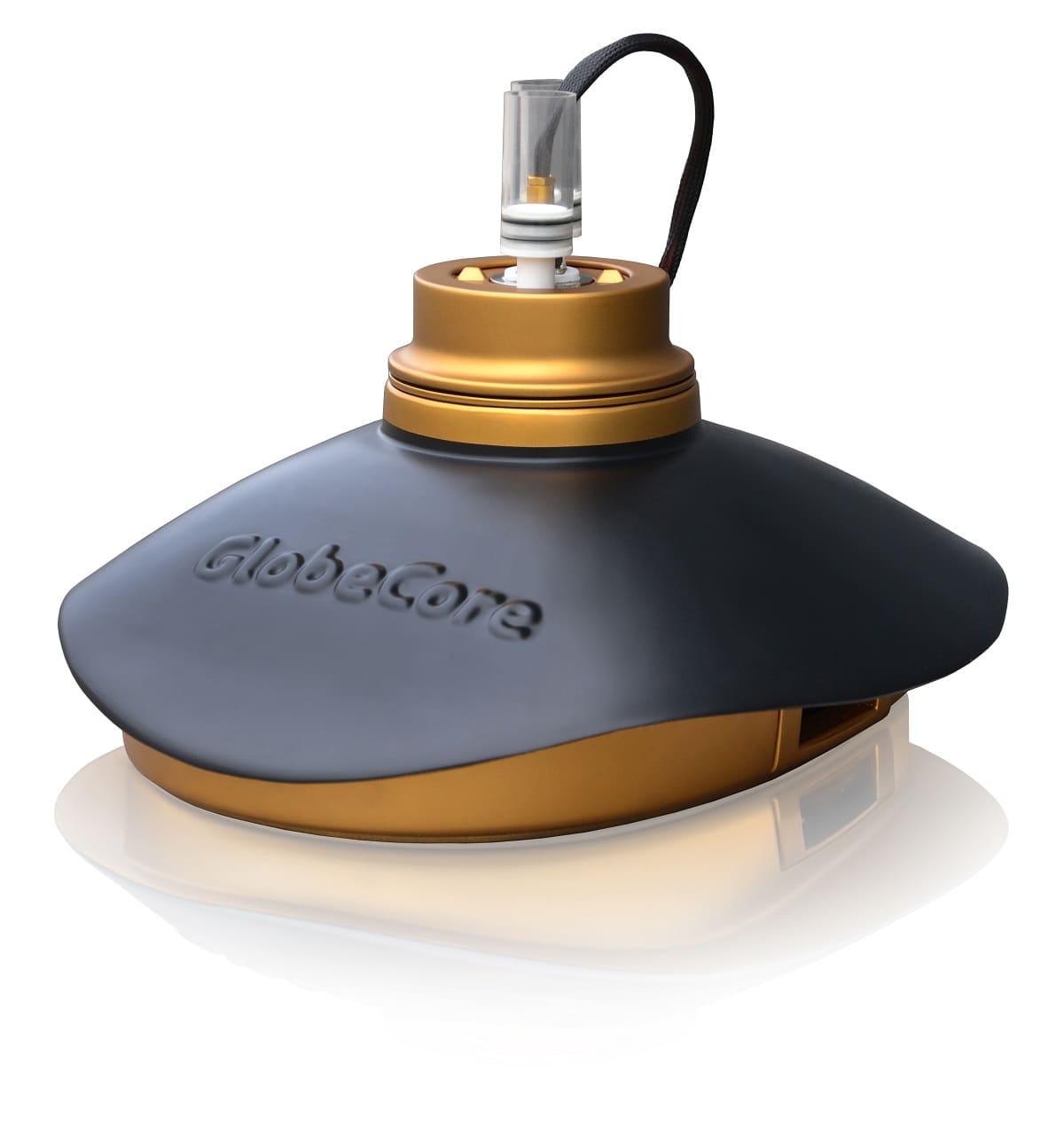
A colloid mill can reduce and smooth pre-hydrated oat solids in a spread, but it won’t realistically replace a chocolate refiner/ball mill/3-roll if you need true «chocolate-smooth» fineness. In practice for your mix (oats + date juice + cocoa + hazelnuts + cocoa butter), a rotor-stator colloid mill typically delivers a stable, creamy texture in the tens of microns, and ~20-50 µm is a realistic range after good pre-milling + recirculation. Getting <10-15 µm across the bulk is usually not practical with a colloid mill alone, especially with fibrous oat particles and a high-viscosity fat phase-heat build-up and fiber limits become the bottleneck. If your target is the "premium chocolate spread" mouthfeel (often perceived when most particles are <25-30 µm, and many products aim lower), consider: pre-hydrating oats, using the colloid mill as a pre-refiner, then finishing with a ball mill or chocolate refiner; or skip the oats grind by using oat flour/enzymatically treated oats so you're not trying to micronize fiber.