• หน้าแรก
  • สินค้า
    • การฟื้นฟูน้ำมัน
      • CMM-R ระบบปรับสภาพน้ำมัน
      • СММ-0,001U เครื่องกรองน้ำมันทางห้องปฏิบัติการ
    • การกำจัดแก๊ส การอบแห้งสุญญากาศความร้อนของน้ำมัน
      • CMM-0.6 น้ำมัน Degassing
      • СММur-1L โรงน้ำมันเคลื่อนที่
      • CMM-1H เครื่องในกระบวนการของน้ำมัน
      • CMM-4/7 ระบบกรองน้ำมันอุตสาหกรรม
      • CMM-6/7 เครื่องกำจัดแก๊สเคลื่อนที่
      • CMM-10 โรงน้ำมันเคลื่อนที่
    • การทำความสะอาดน้ำมัน
      • CMM-1,0CF เครื่องสำหรับการกำจัดน้ำจากน้ำมัน
      • CMM-4,0F การทำความสะอาดน้ำมัน
    • เครื่องอบแห้งน้ำมันซีโอไลต์
      • ZP-260 คาร์ทริดจ์ตัวดูดซับ
    • การให้ความร้อนน้ำมัน
      • เครื่องทำความร้อนน้ำมันในไลน์ PPM การให้ความร้อนจากไอน้ำ
    • การบำรุงรักษาหม้อแปลงไฟฟ้า
      • ความร้อนโมฮาวี: เครื่องทำลมร้อนแห้ง
      • US-6S เตาหลอมสุญญากาศหม้อแปลง
      • TSS ระบบความปลอดภัยหม้อแปลง
      • CMM-R ระบบปรับสภาพน้ำมัน
    • ตู้อบแห้งสุญญากาศ
      • US-6S เตาหลอมสุญญากาศหม้อแปลง
    • การแปรรูปซีโอไลต์
      • ZP-260 คาร์ทริดจ์ตัวดูดซับ
    • เครื่องทดสอบน้ำมันหม้อแปลง
      • TOR-1 เครื่องวัดความชื้นน้ำมัน
      • TOR-80 (TOR-80 LSL) เครื่องทดสอบแรงดันไฟฟ้าพังทลาย
      • TOR-100 (TOR-100 SL) เครื่องทดสอบแรงดันไฟฟ้าพังทลาย
    • บริการกังหันลม
      • CMM-0.6 น้ำมัน Degassing
    • การบำรุงรักษาอุปกรณ์ทางการแพทย์
      • CMM-0.6 น้ำมัน Degassing
    • ระบบการผสมผสาน
      • อิเล็กโตรแมกเนติก มิล
    • อิเล็กโตรแมกเนติก มิล
      • อิเล็กโตรแมกเนติก มิล AVS-100
      • เครื่องผสมสารเคมี AVS-150
    • บิตูเมนอิมัลชั่นยูนิต
      • USB-2 บิตูเมนอิมัลชั่นยูนิต 2 ลูกบาศก์เมตร/ชั่วโมง
      • กำลังการผลิตย USB-2 บิตูเมนอิมัลชั่นยูนิต 8 ลูกบาศก์เมตร/ชั่วโมง
      • เครื่องกรองบิตูเมน FB
    • บิตูเมนมอดิฟิเคชั่นยูนิต การผลิตบิตูเมนดัดแปลง
      • USB-3 ระบบห้องปฏิบัติการบิตูเมนโมดิฟิเคชั่น
      • กำลังการผลิตของบิตูเมนโมดิฟิเคชั่นยูนิต 16 ลูกบาศก์เมตร/ชั่วโมง
      • ถังเก็บบิตูเมนดัดแปลง USB-4
    • ระบบห้องปฏิบัติการของบิตูเมนอิมัลชั่นตัวอย่าง
      • USB-3 ระบบห้องปฏิบัติการบิตูเมนโมดิฟิเคชั่น
    • Accessories & Components
  • โรงเรียนเทคโนโลยี Globecore
    • การลงทะเบียนเว็บสัมมนา
  • สิ่งตีพิมพ์
  • เกี่ยวกับเรา
  • ติดต่อเรา

What are the steps to regenerate a zeolite column?

Asked: กันยายน 14, 2024 เวลา 3:27 am by rost
  • This topic has 1 ข้อความตอบกลับ, 2 เสียง, and was last updated 1 year, 3 months มาแล้ว by David Allen.

Answers

  • กันยายน 14, 2024 เวลา 3:50 am by David Allen

    The steps to regenerate a zeolite column typically follow these processes:
    Depressurization: In systems using Pressure Swing Adsorption (PSA), reduce the pressure to allow the adsorbed gases, such as nitrogen, to desorb from the zeolite pores.
    Purge: Pass a stream of dry air, inert gas, or another appropriate purging gas to remove the desorbed gases and contaminants.
    Heating (if required): For thermal regeneration, apply heat to the column (typically 150°C to 300°C) to desorb any moisture or heavier contaminants that can’t be removed by pressure alone.
    Chemical Rinsing (if applicable): In water treatment applications, chemical regenerants such as sodium chloride (for ion-exchange processes) may be used to displace adsorbed ions like ammonium or heavy metals.
    Repressurization/Cooling: After regeneration, repressurize the system and cool the zeolite to its operational temperature to restart the adsorption process.
    Each of these steps ensures that the zeolite regains its adsorption capacity for subsequent use.
Articles by Topic

Only registered users can answer. No account? Sign up!

Ask question

GlobeCore Related Posts

plants-image

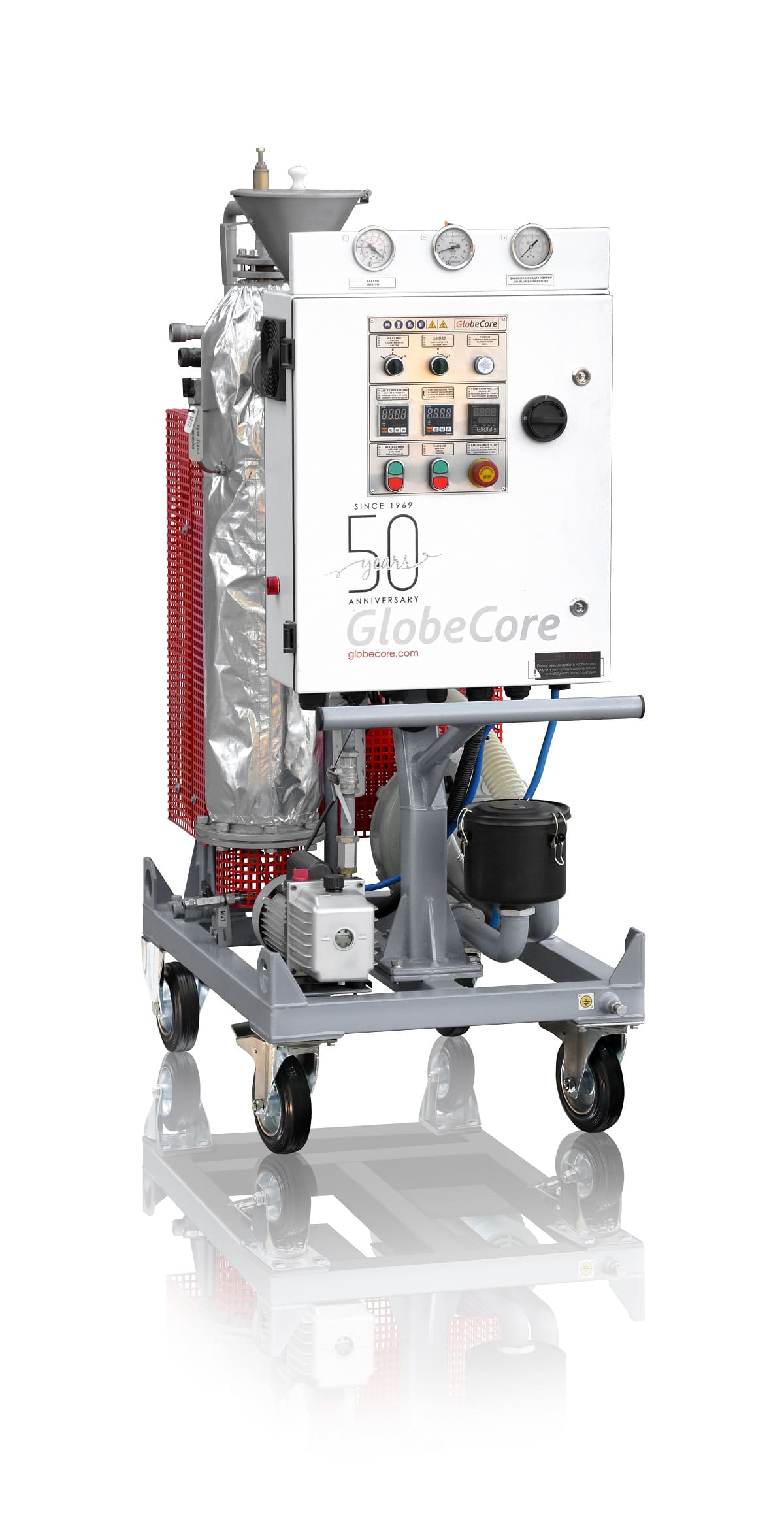
BRZ Zeolite Regeneration Block

plants-image

BRPS Zeolite Regeneration Block

plants-image

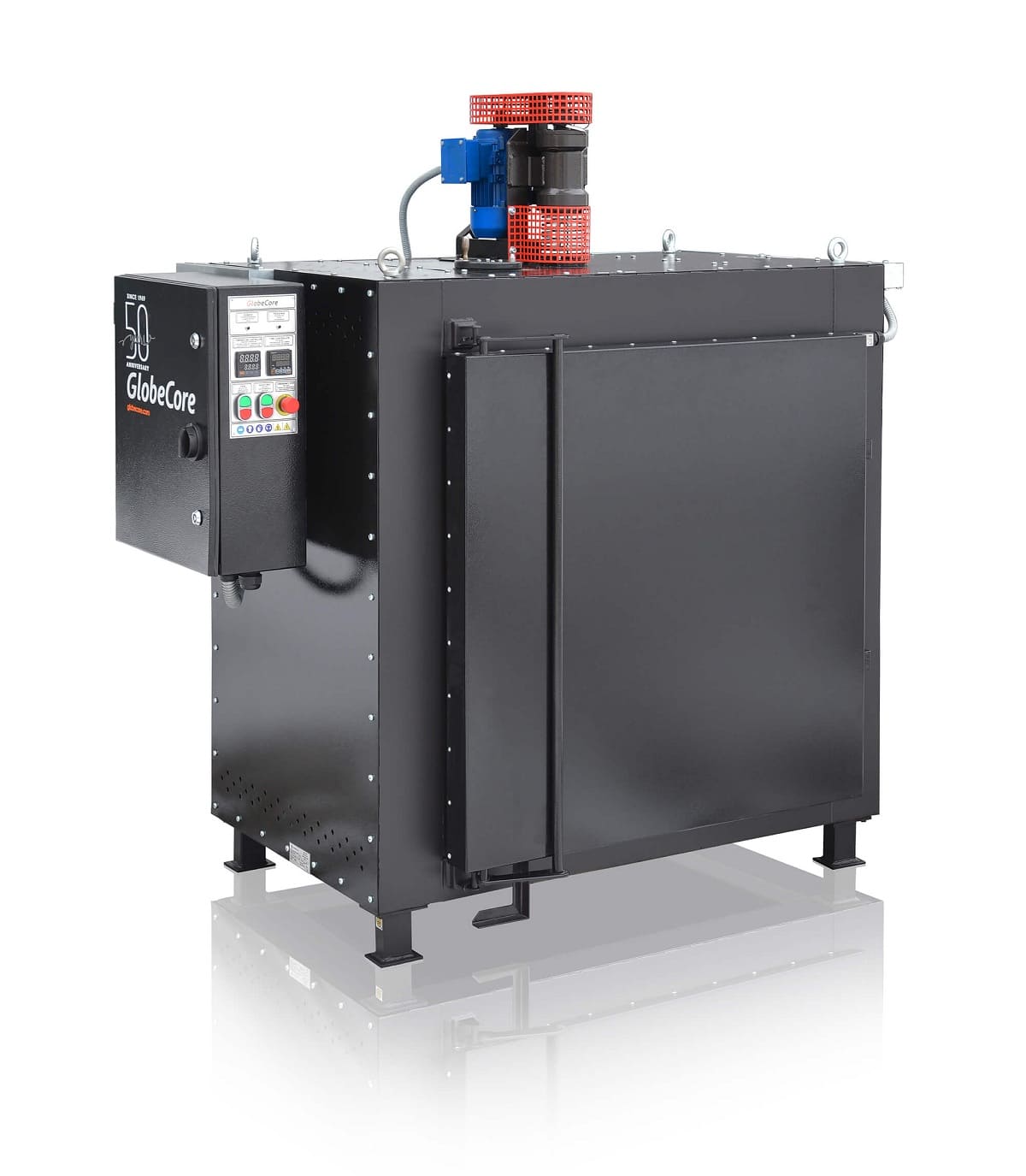
SSC-15 Zeolite Drying Cabinet

  • หน้าแรก
  • สินค้า
  • โรงเรียนเทคโนโลยี Globecore
  • ติดต่อเรา

® Copyright by - 2025 © GlobeCore

GlobeCore, Sadovskogo,14 Poltava, Ukraine, 36034

เว็บไซต์นี้ใช้คุกกี้เพื่อปรับปรุงประสบการณ์ของคุณ การใช้งานเว็บไซต์ต่อแสดงว่าคุณยอมรับการใช้คุกกี้ของเรา อ่านเพิ่มเติมได้ในนโยบายความเป็นส่วนตัวของเรา

forum-form-logo

Sign up

forum-form-logo

Sign in

To continue log in with Google.

Google Login