Which transesterification or hydrogenation processes are most efficient when converting pork fat into biodiesel?
- Ce sujet contient 1 réponse, 2 participants et a été mis à jour pour la dernière fois par , le il y a 9 mois et 2 semaines.
Answers
-
avril 5, 2025 à 5:18 pm by Brian Allen
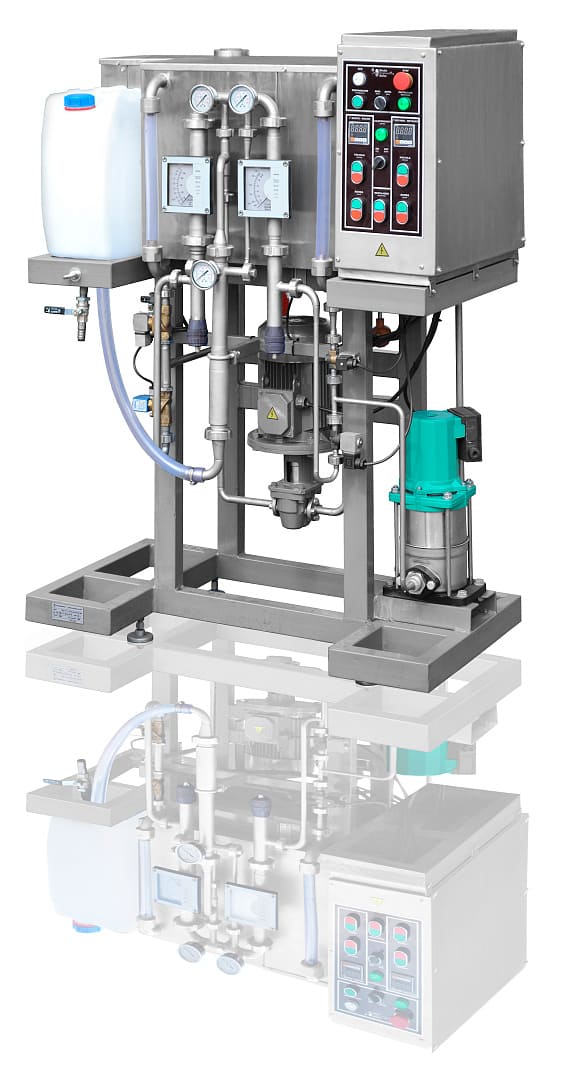
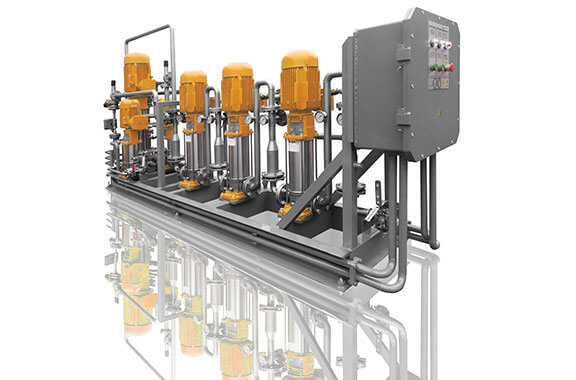
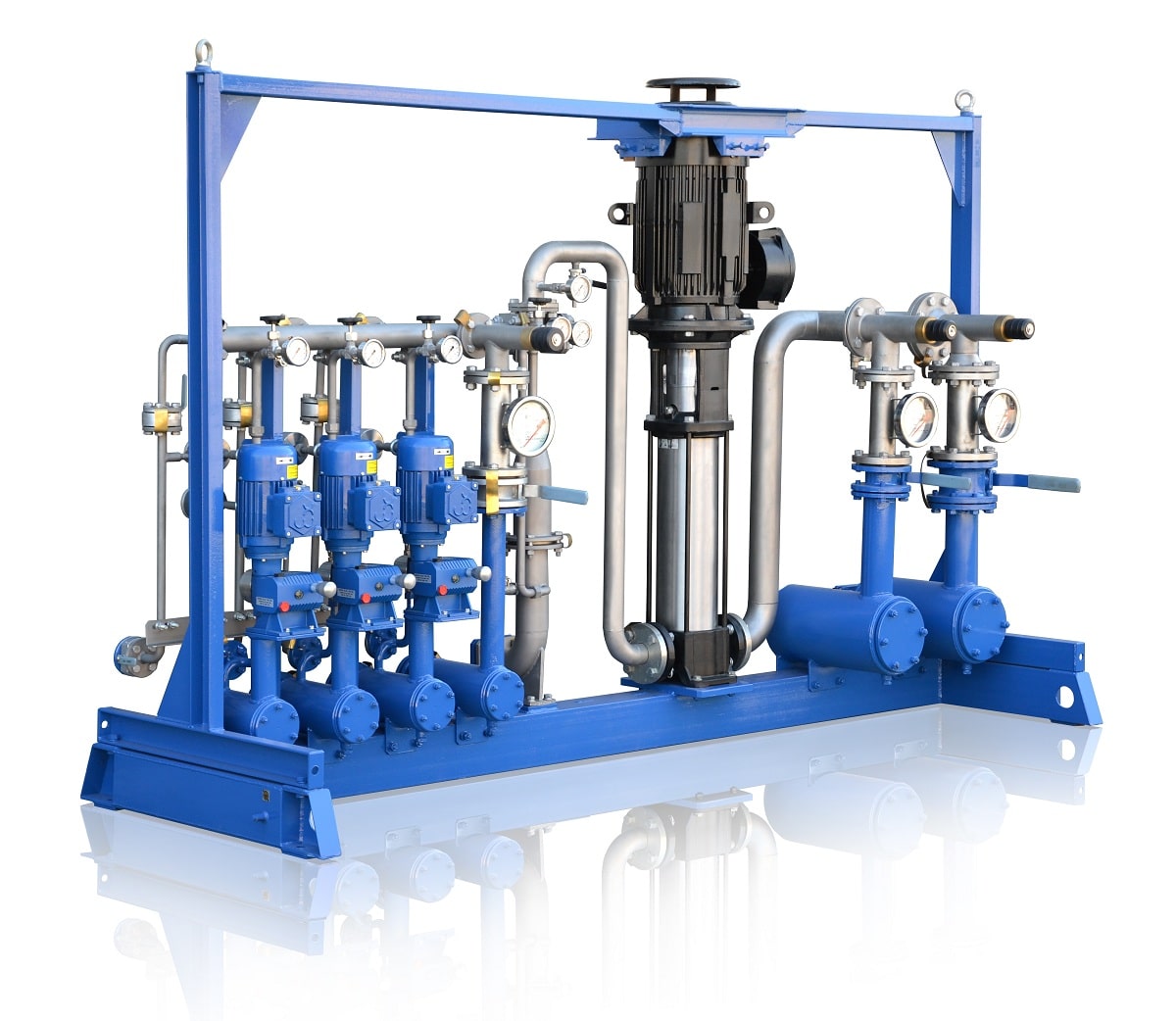
For pork fat, a two-step process is often used: acid-catalyzed esterification to reduce FFAs, followed by base-catalyzed transesterification with methanol and NaOH/KOH. This prevents soap formation and improves yield. Alternatively, hydrotreating (hydrogenation) creates renewable diesel with better cold-flow and storage properties, but it’s capital-intensive. The GlobeCore USB system is optimized for two-stage biodiesel conversion and can handle high-viscosity animal fats while minimizing chemical waste and maximizing conversion rates.