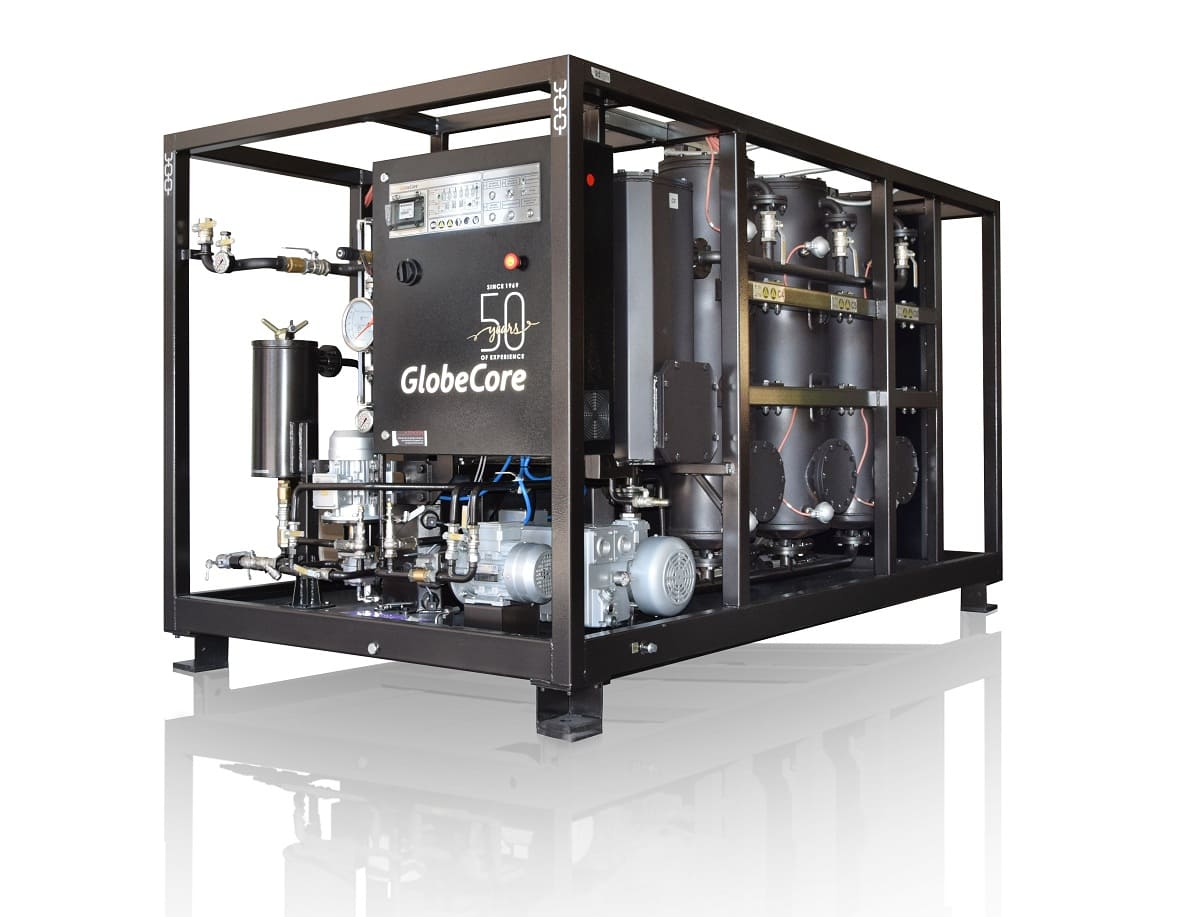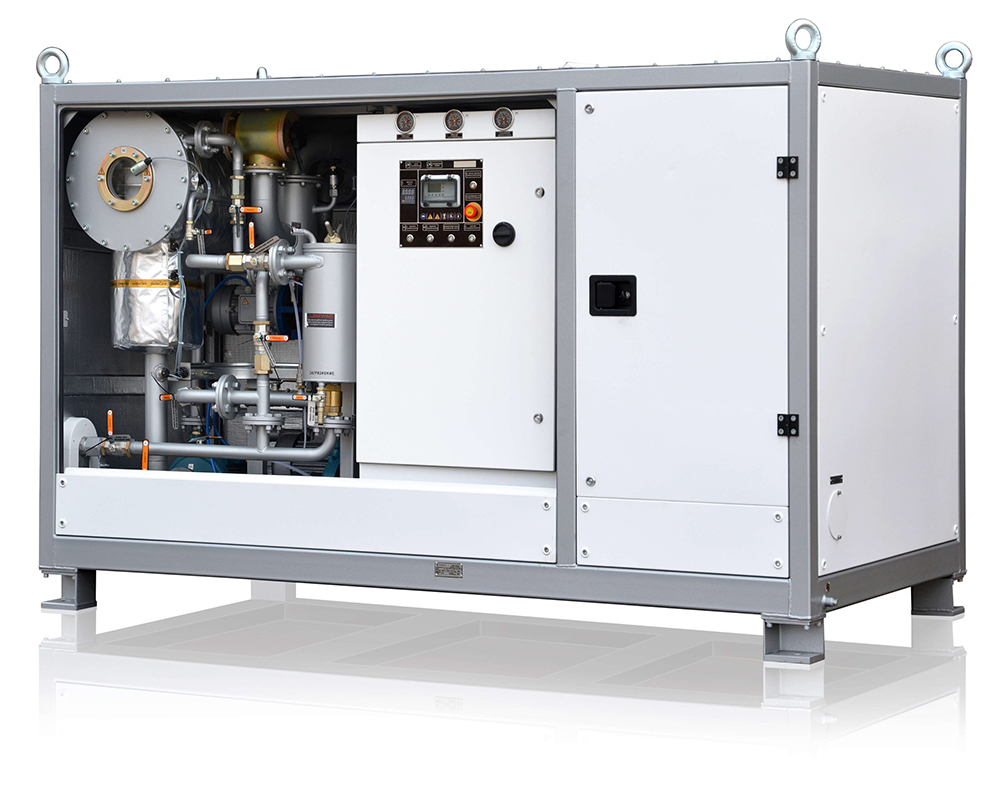
How is transformer oil filtration conducted?
- Ce sujet contient 1 réponse, 2 participants et a été mis à jour pour la dernière fois par , le il y a 1 année et 3 mois.
Answers
-
août 26, 2024 à 11:14 am by Brandon Martin
Transformer oil filtration is conducted to remove impurities, moisture, and gases from the oil to restore its insulating and cooling properties. The process typically involves the following steps:
Oil Sampling: Initially, an oil sample is taken to assess the condition of the oil and determine the extent of contamination.
Heating: The oil is often heated to reduce viscosity, making it easier to filter and remove moisture and gases.
Vacuum Dehydration: The oil is passed through a vacuum chamber where moisture and dissolved gases are extracted under reduced pressure.
Filtration: The heated oil is then passed through a series of fine filters to remove solid particles and contaminants.
Degassing: If necessary, the oil undergoes a degassing process where any remaining dissolved gases are removed.
Recirculation: The filtered oil is recirculated back into the transformer, ensuring it is evenly distributed and free from contaminants.
Testing: After filtration, the oil is typically tested again to ensure it meets the required standards for dielectric strength and purity before the transformer is returned to service.