• หน้าแรก
  • สินค้า
    • การฟื้นฟูน้ำมัน
      • CMM-R ระบบปรับสภาพน้ำมัน
      • СММ-0,001U เครื่องกรองน้ำมันทางห้องปฏิบัติการ
    • การกำจัดแก๊ส การอบแห้งสุญญากาศความร้อนของน้ำมัน
      • CMM-0.6 น้ำมัน Degassing
      • СММur-1L โรงน้ำมันเคลื่อนที่
      • CMM-1H เครื่องในกระบวนการของน้ำมัน
      • CMM-4/7 ระบบกรองน้ำมันอุตสาหกรรม
      • CMM-6/7 เครื่องกำจัดแก๊สเคลื่อนที่
      • CMM-10 โรงน้ำมันเคลื่อนที่
    • การทำความสะอาดน้ำมัน
      • CMM-1,0CF เครื่องสำหรับการกำจัดน้ำจากน้ำมัน
      • CMM-4,0F การทำความสะอาดน้ำมัน
    • เครื่องอบแห้งน้ำมันซีโอไลต์
      • ZP-260 คาร์ทริดจ์ตัวดูดซับ
    • การให้ความร้อนน้ำมัน
      • เครื่องทำความร้อนน้ำมันในไลน์ PPM การให้ความร้อนจากไอน้ำ
    • การบำรุงรักษาหม้อแปลงไฟฟ้า
      • ความร้อนโมฮาวี: เครื่องทำลมร้อนแห้ง
      • US-6S เตาหลอมสุญญากาศหม้อแปลง
      • TSS ระบบความปลอดภัยหม้อแปลง
      • CMM-R ระบบปรับสภาพน้ำมัน
    • ตู้อบแห้งสุญญากาศ
      • US-6S เตาหลอมสุญญากาศหม้อแปลง
    • การแปรรูปซีโอไลต์
      • ZP-260 คาร์ทริดจ์ตัวดูดซับ
    • เครื่องทดสอบน้ำมันหม้อแปลง
      • TOR-1 เครื่องวัดความชื้นน้ำมัน
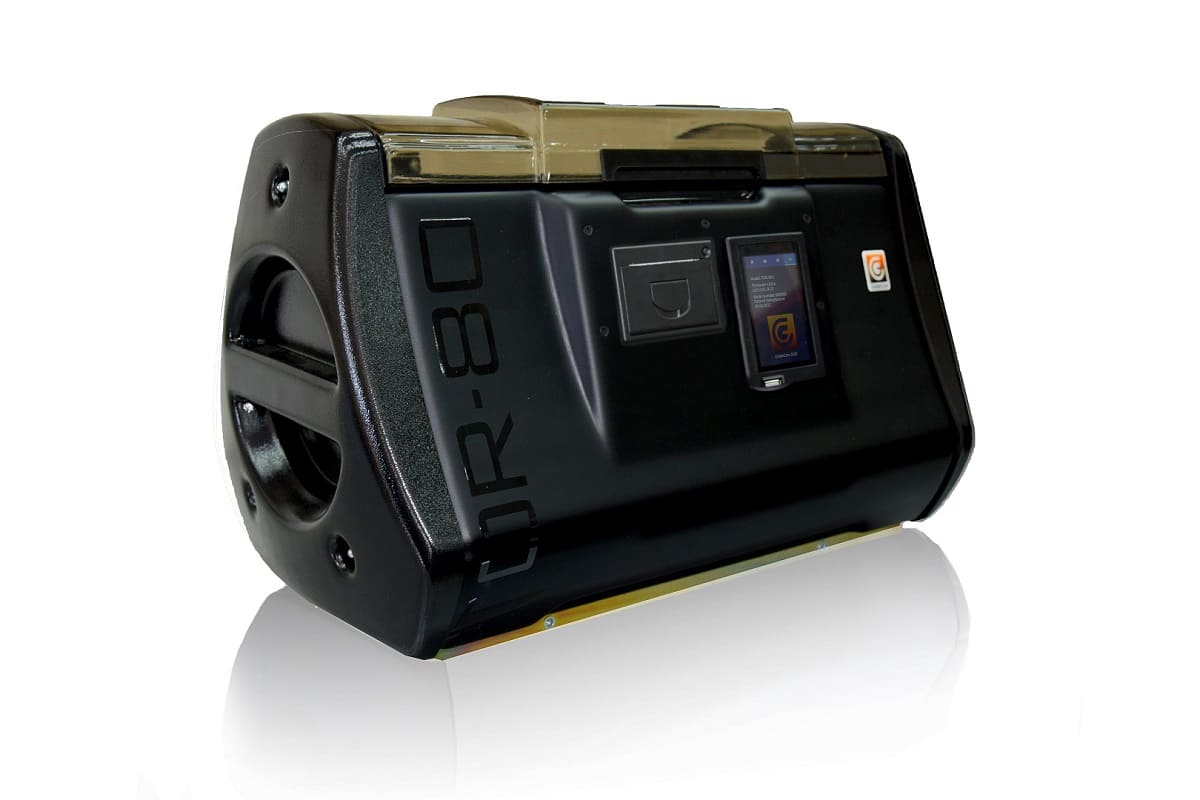
      • TOR-80 (TOR-80 LSL) เครื่องทดสอบแรงดันไฟฟ้าพังทลาย
      • TOR-100 (TOR-100 SL) เครื่องทดสอบแรงดันไฟฟ้าพังทลาย
    • บริการกังหันลม
      • CMM-0.6 น้ำมัน Degassing
    • การบำรุงรักษาอุปกรณ์ทางการแพทย์
      • CMM-0.6 น้ำมัน Degassing
    • ระบบการผสมผสาน
      • อิเล็กโตรแมกเนติก มิล
    • อิเล็กโตรแมกเนติก มิล
      • อิเล็กโตรแมกเนติก มิล AVS-100
      • เครื่องผสมสารเคมี AVS-150
    • บิตูเมนอิมัลชั่นยูนิต
      • USB-2 บิตูเมนอิมัลชั่นยูนิต 2 ลูกบาศก์เมตร/ชั่วโมง
      • กำลังการผลิตย USB-2 บิตูเมนอิมัลชั่นยูนิต 8 ลูกบาศก์เมตร/ชั่วโมง
      • เครื่องกรองบิตูเมน FB
    • บิตูเมนมอดิฟิเคชั่นยูนิต การผลิตบิตูเมนดัดแปลง
      • USB-3 ระบบห้องปฏิบัติการบิตูเมนโมดิฟิเคชั่น
      • กำลังการผลิตของบิตูเมนโมดิฟิเคชั่นยูนิต 16 ลูกบาศก์เมตร/ชั่วโมง
      • ถังเก็บบิตูเมนดัดแปลง USB-4
    • ระบบห้องปฏิบัติการของบิตูเมนอิมัลชั่นตัวอย่าง
      • USB-3 ระบบห้องปฏิบัติการบิตูเมนโมดิฟิเคชั่น
    • Accessories & Components
  • โรงเรียนเทคโนโลยี Globecore
    • การลงทะเบียนเว็บสัมมนา
  • สิ่งตีพิมพ์
  • เกี่ยวกับเรา
  • ติดต่อเรา

What is the procedure for testing a transformer?

Asked: กันยายน 11, 2024 เวลา 8:20 am by Eric King
  • This topic has 1 ข้อความตอบกลับ, 2 เสียง, and was last updated 1 year, 3 months มาแล้ว by Pasquale Scarponi.

Answers

  • กันยายน 11, 2024 เวลา 8:50 am by Pasquale Scarponi

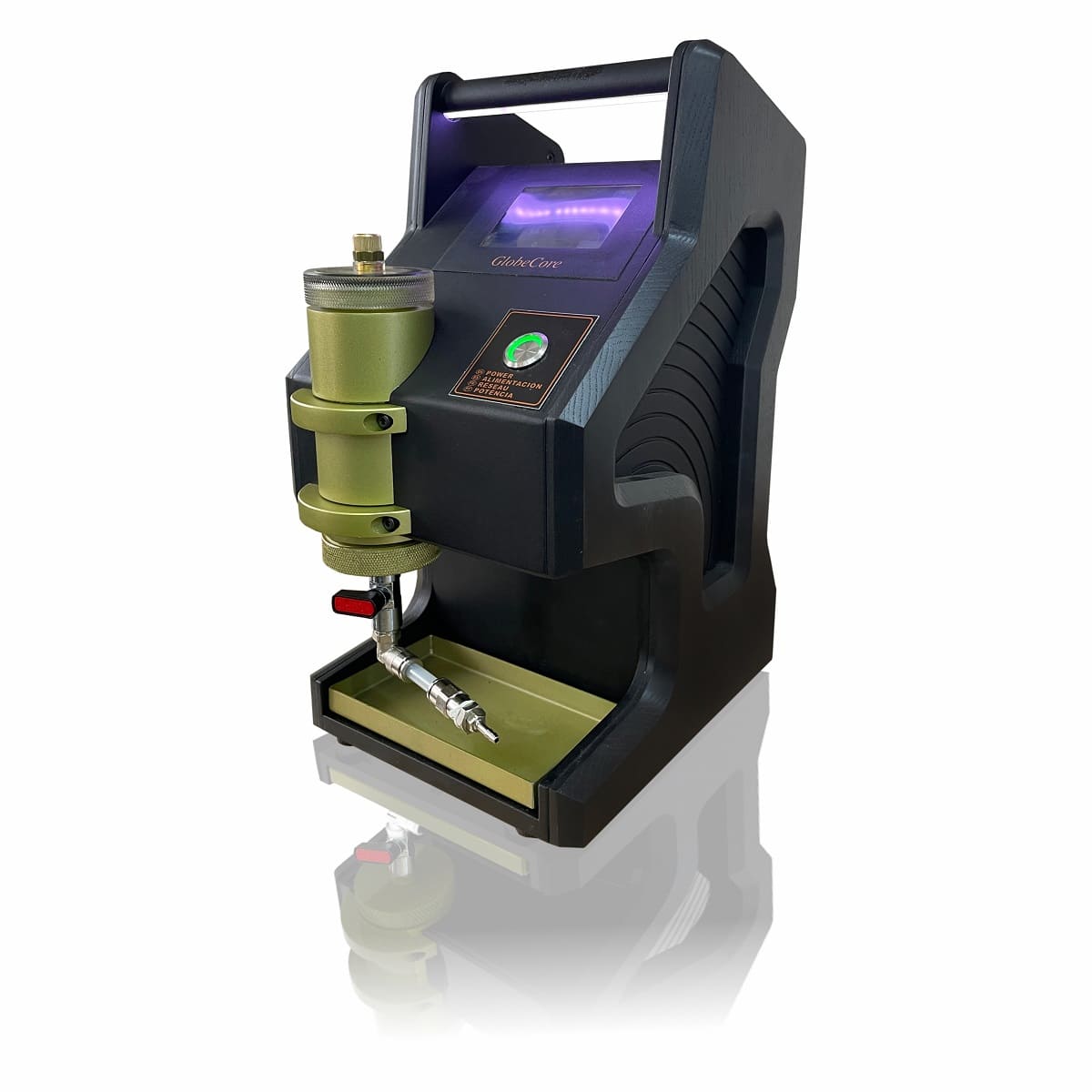
    To test a transformer effectively, you should follow a systematic procedure that typically includes visual inspection, insulation resistance testing, power factor testing, transformer parameter measurement, and thermal imaging. Start with a visual inspection to check for any physical damage or signs of overheating. Next, perform insulation resistance testing using a megohmmeter to ensure the integrity of insulation systems. Follow this with power factor testing to assess insulation performance at higher voltages. Measure key transformer parameters such as voltage, current, and turns ratio to verify operational characteristics. Finally, use thermal imaging to identify any hotspots that may indicate issues. For accurate results, utilizing an industrial oil tester from Globecore can provide insights regarding the quality and condition of the insulating oil, as transformer one test screening plays an essential role in overall transformer diagnostics and maintenance.
Articles by Topic

Only registered users can answer. No account? Sign up!

Ask question

GlobeCore Related Posts

plants-image

TOR-2 Hydrogen and Moisture Analyzer for Transformer Oil Monitoring

plants-image

TOR-3 (TOR-3 SL) Oil Tan Delta Tester

plants-image

TOR-80 (TOR-80 LSL) Breakdown Voltage Tester

  • หน้าแรก
  • สินค้า
  • โรงเรียนเทคโนโลยี Globecore
  • ติดต่อเรา

® Copyright by - 2025 © GlobeCore

GlobeCore, Sadovskogo,14 Poltava, Ukraine, 36034

เว็บไซต์นี้ใช้คุกกี้เพื่อปรับปรุงประสบการณ์ของคุณ การใช้งานเว็บไซต์ต่อแสดงว่าคุณยอมรับการใช้คุกกี้ของเรา อ่านเพิ่มเติมได้ในนโยบายความเป็นส่วนตัวของเรา

forum-form-logo

Sign up

forum-form-logo

Sign in

To continue log in with Google.

Google Login