
 PT-PT
PT-PT
 FR
FR
 ES
ES
 DE
DE
 AR
AR
 PL
PL
 UA
UA
 ID
ID
 VN
VN
 IT
IT
 GE
GE
 UZ
UZ
 CN
CN
 KZ
KZ
 CZ
CZ


Сutting oil
What types of cutting oil filtration systems are available and how do they work?
- This topic has 3 replies, 4 voices, and was last updated 1 month, 3 weeks ago by .
Answers
-
October 1, 2024 at 6:21 pm by Matthew Johnson
Bag and Cartridge Filters: Use replaceable filter media to trap particles; fluid passes through the media, leaving contaminants behind.
Magnetic Separators: Remove ferrous particles by attracting them to magnetic surfaces as the fluid flows through.
Centrifugal Separators: Spin the fluid at high speeds, forcing heavier contaminants outward for collection.
Vacuum Filters: Employ vacuum pressure to draw fluid through a filter medium, capturing contaminants.
Paper Band Filters: Utilize a continuous roll of filter paper to trap particles; as the paper clogs, it advances to expose fresh media.
Hydrocyclones: Use vortex separation to remove particles based on size and density differences.
These systems are selected based on the specific needs of the machining operation and the types of contaminants present. -
May 15, 2026 at 6:17 am by Craig Price
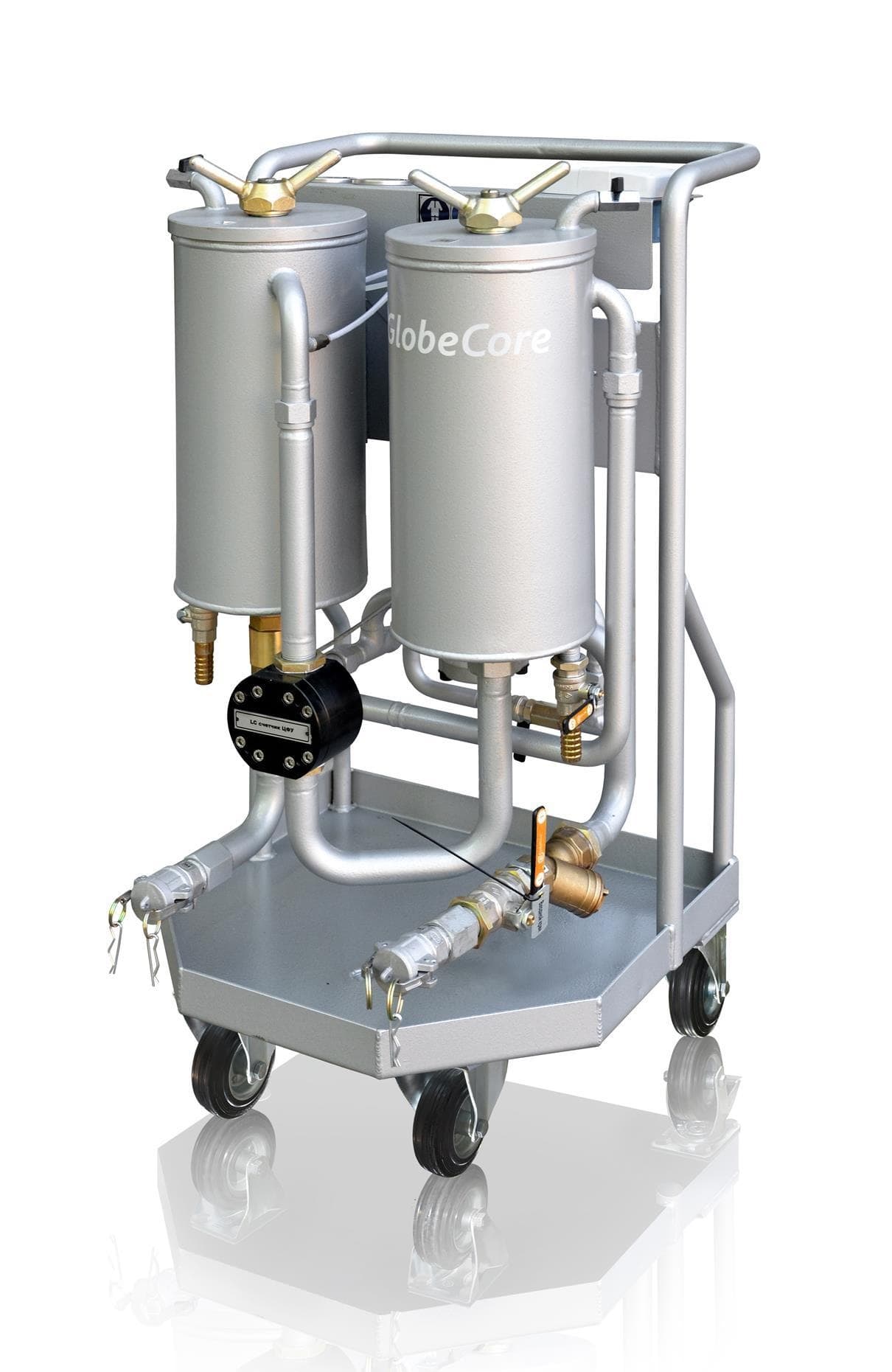
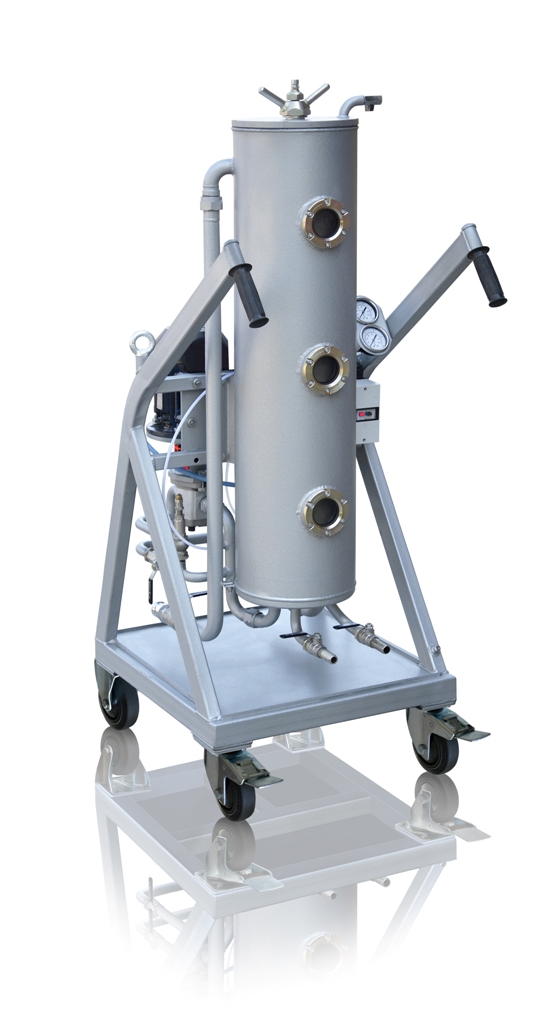
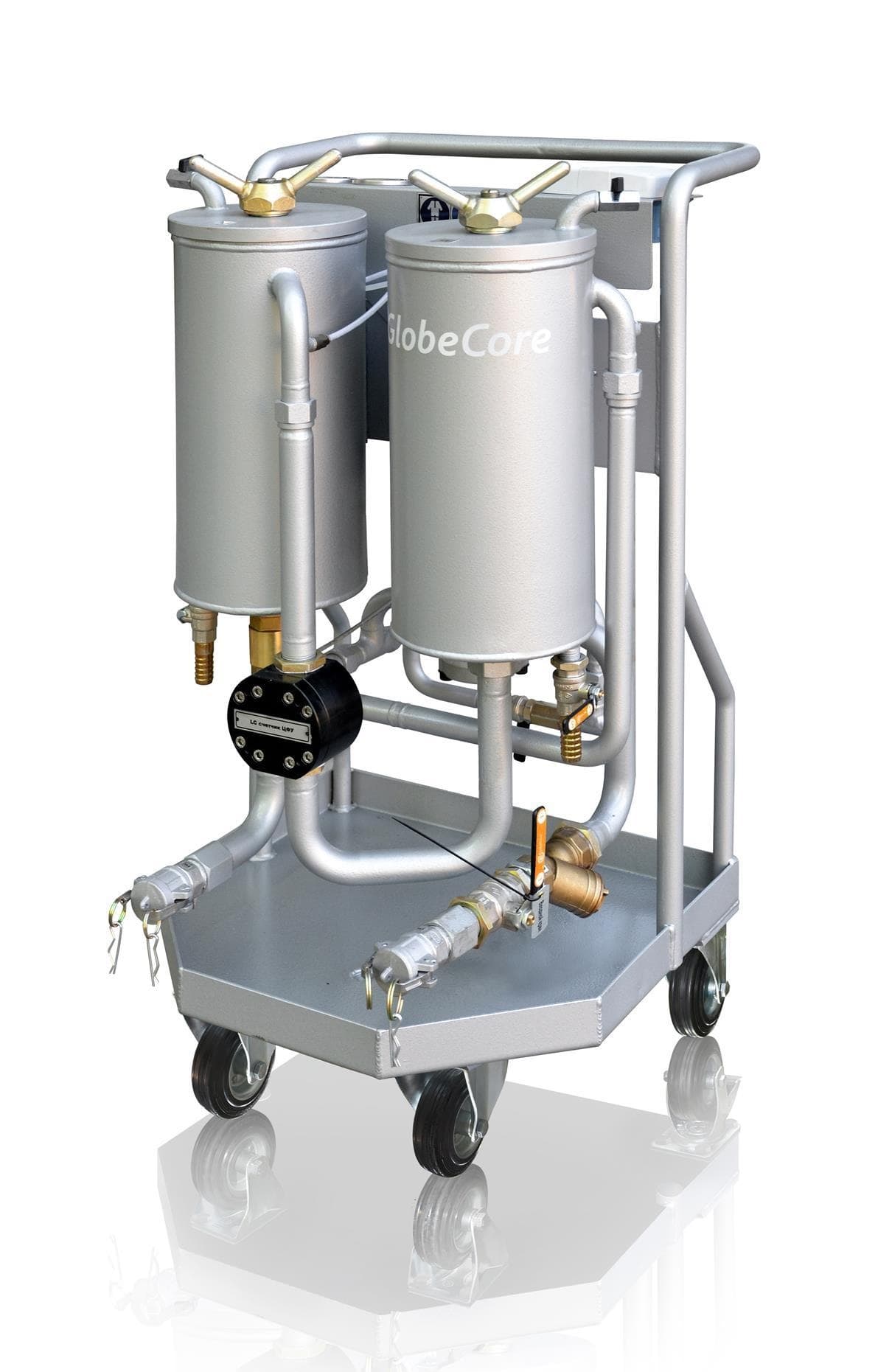
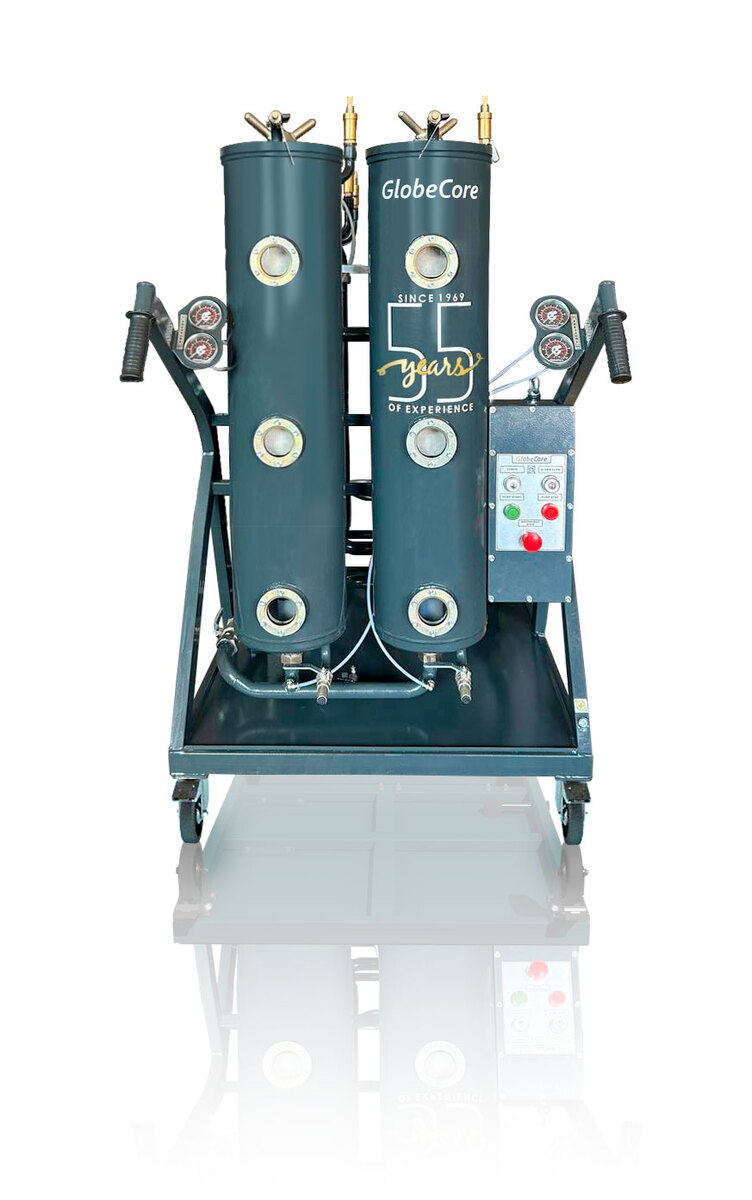
That’s a good overview of the main filtration technologies, but in real industrial conditions the efficiency often depends on how several methods are combined into a single system. For example, many modern machines use centrifugal separation together with vacuum dehydration and fine filtration to handle not only solid particles, but also dissolved water and gases that can seriously affect coolant performance and equipment service life. The systems built according to this principle are particularly useful in heavy-duty industrial applications where oil contamination is more complex than simple metal fines. The CMM-4.0 (CFU) machine is a good example of this type of integrated technique in practice.
Attachments:
-
May 15, 2026 at 6:23 am by Plinio Leiva-Bou
You’re right — in heavy industrial use the best results come from hybrid systems that combine mechanical separation, vacuum dehydration and fine polishing to remove solids, emulsified water and entrained gases. Centrifuges (and hydrocyclones) are excellent for coarse and high-volume solid removal and phase separation, but they miss sub‑30 μm particles and won’t remove dissolved or very finely emulsified water or entrained air; those must be handled by vacuum dehydration and submicron fine filtration plus magnetic capture for ferrous fines to protect tooling and hydraulics.
In practical workshop deployment you typically pair a bulk‑separation stage with a fine‑polishing stage and, where mobility or continuous operation matters, choose units that match that workflow. A compact two‑stage filtration cart with magnetic elements and selectable fineness (0.3–25 μm) is ideal for tank‑to‑tank polishing and quick element changes on the shop floor. For continuous plant use, self‑cleaning units with 5 μm filtration give steady throughput without frequent element swaps. For high‑capacity polishing add-on modules provide submicron throughput at elevated pressures for final oil quality. If you want, I can review the CFU (CMM‑4.0) photo you attached and suggest a concrete configuration (centrifuge + vacuum dryer + fine filter module) matched to your coolant type, contamination levels and whether you need mobile or fixed filtration.