X-ray Transformer
What is the process for filtering x-ray transformer oil?
- This topic has 3 replies, 4 voices, and was last updated 1 week, 5 days ago by .
Answers
-
October 5, 2024 at 5:30 am by Gabriel Silva
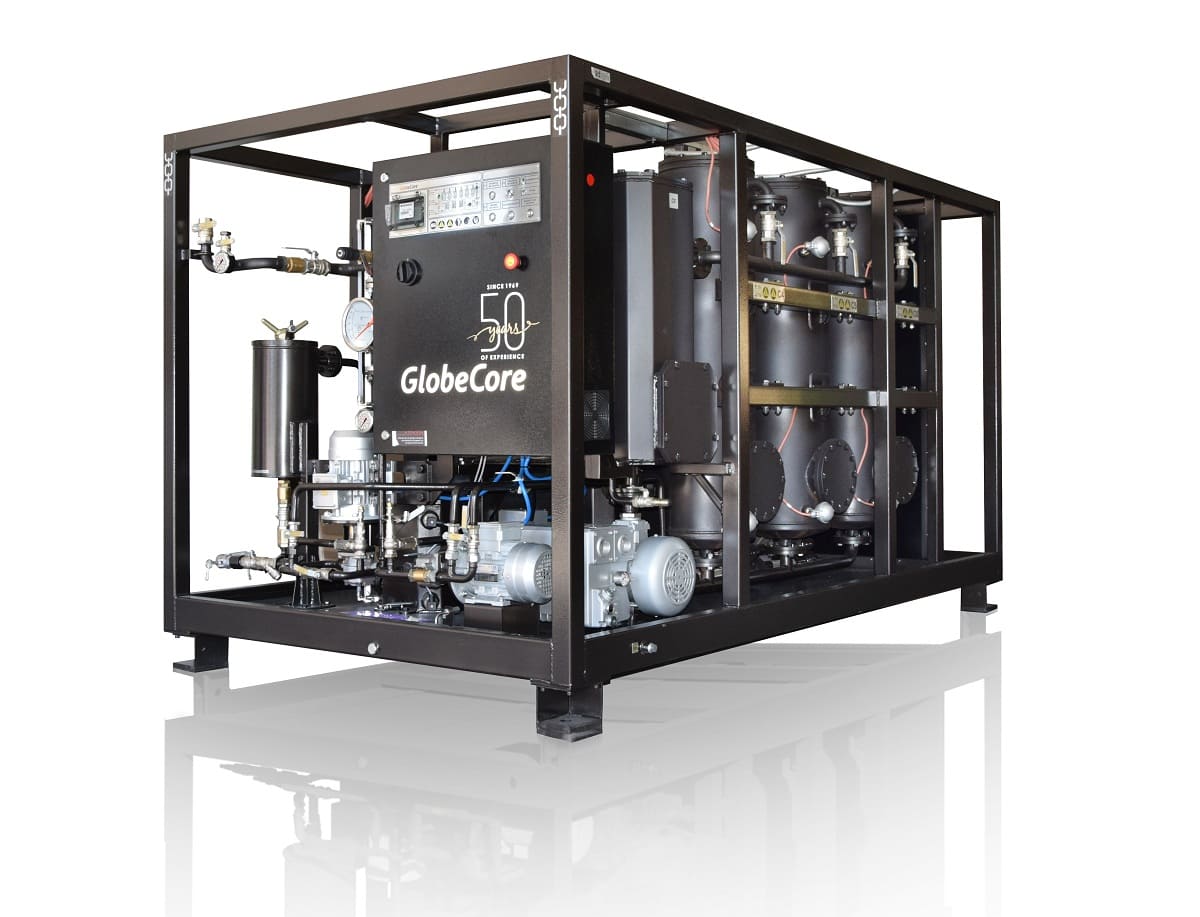
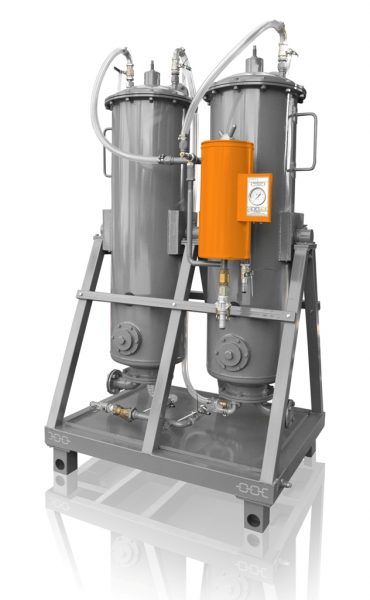
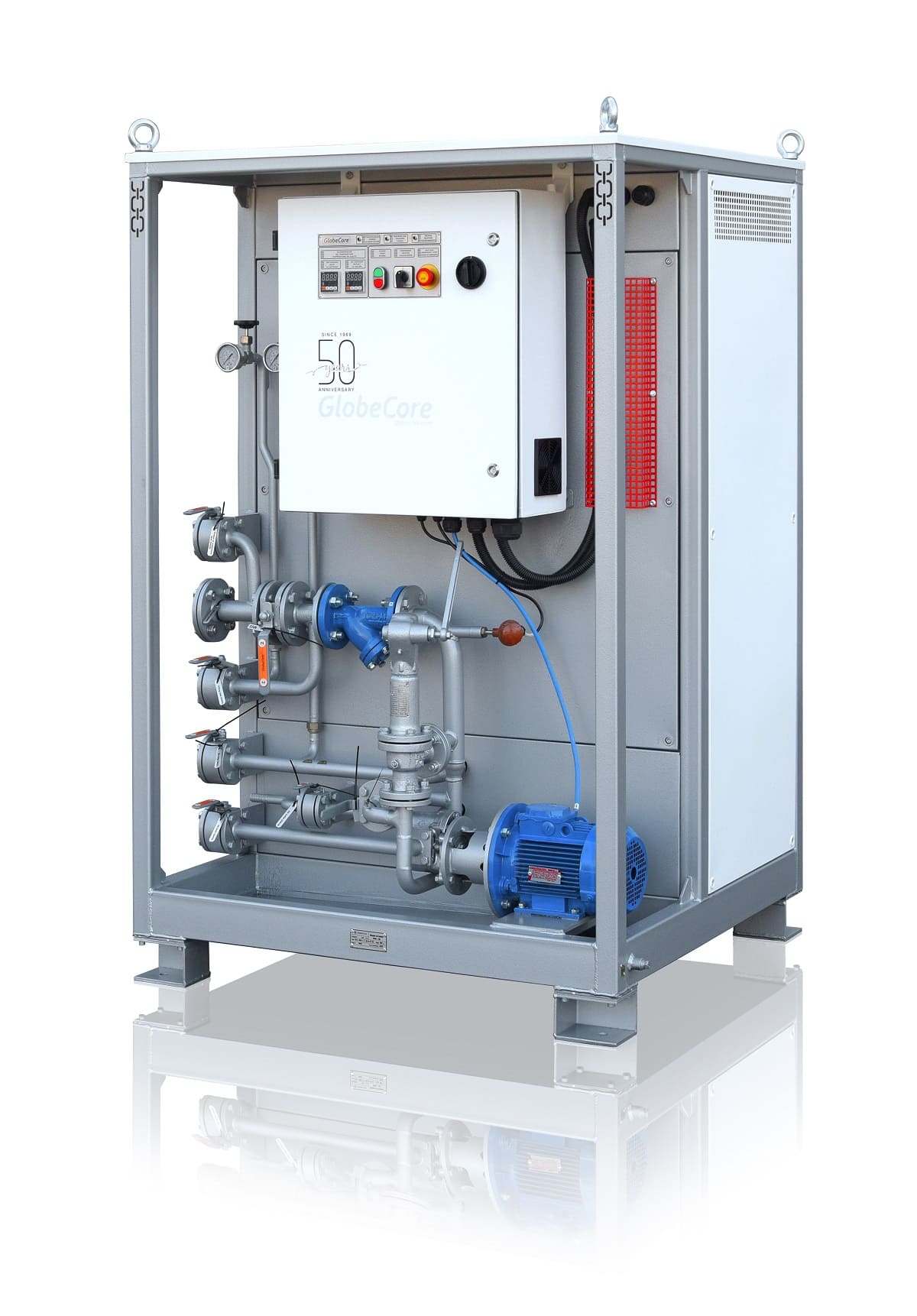
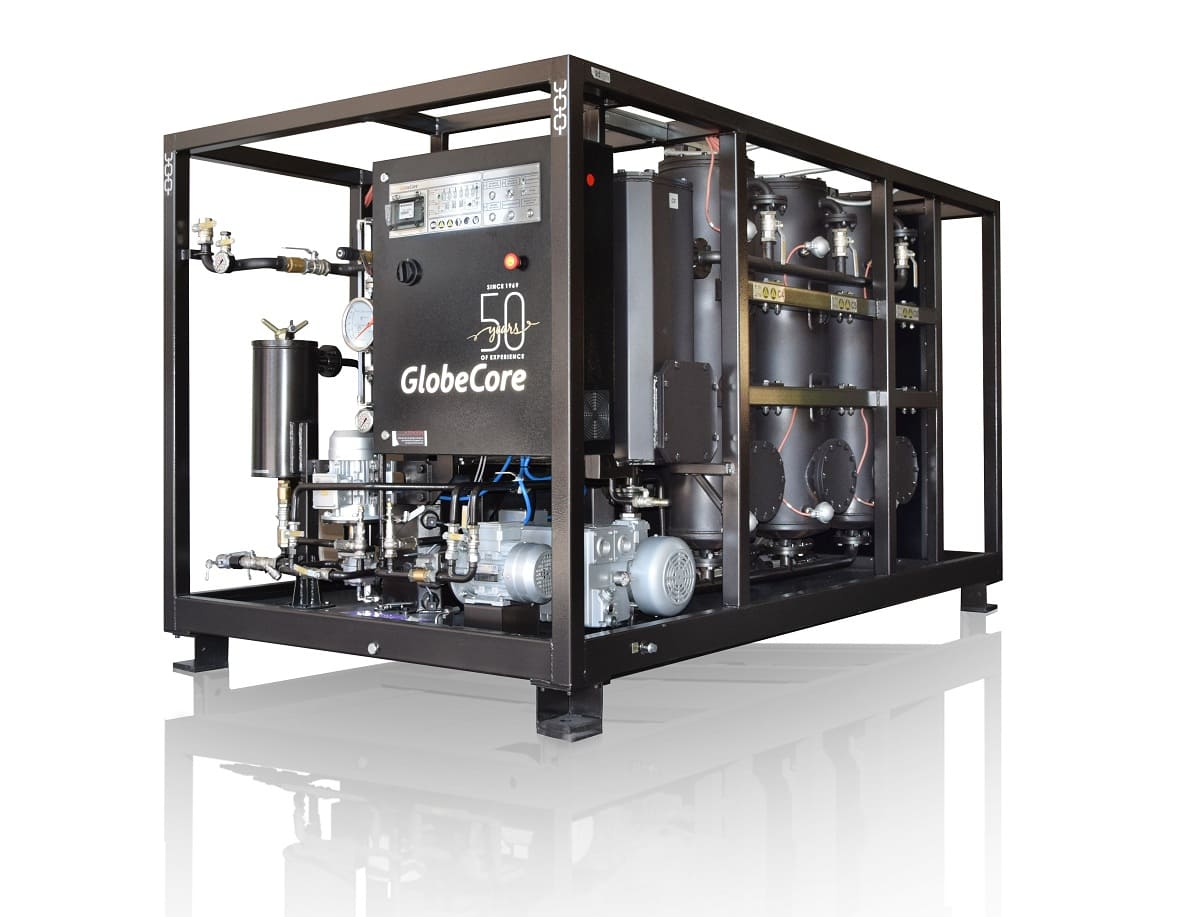
Filtering x-ray transformer oil involves removing contaminants such as moisture, gases, and particulate matter that can reduce the oil’s insulating and cooling capabilities. The process typically includes vacuum dehydration to remove water and dissolved gases, and fine filtration to eliminate solid particles. GlobeCore provides oil filtration systems designed specifically for x-ray transformer applications. These systems purify the oil, restoring its dielectric strength and thermal performance, thereby extending the life of both the oil and the transformer itself.
-
May 18, 2026 at 1:06 pm by Craig Price
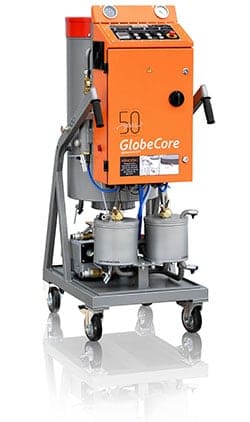
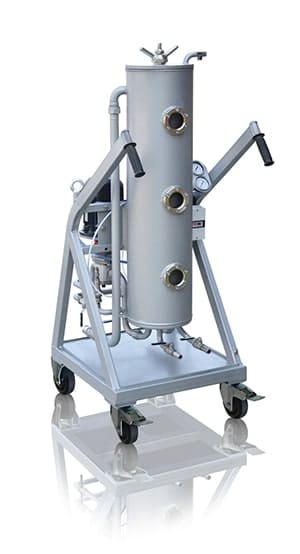
One thing that is often overlooked with x-ray transformer oil is the sensitivity of medical and industrial imaging equipment to even small amounts of contaminants. In many cases, periodic oil treatment is not only about extending oil service life, but also about maintaining stable high-voltage performance and preventing image quality issues caused by insulation deterioration. Compact filtration units are particularly useful for servicing smaller x-ray systems directly on-site without dismantling the equipment. The CMM-0.6 unit is a good example of this type of portable solution for fine filtration and dehydration of insulating oil.
-
May 18, 2026 at 1:16 pm by Patrick Scott
You’re absolutely right — even small amounts of moisture, particulates or degradation products can destabilize high-voltage insulation and show up as image artefacts or intermittent performance in both medical and industrial x-ray systems. In practice I recommend establishing a simple regime: baseline oil tests (breakdown voltage, moisture in ppm, acidity/interfacial tension and ISO 4406 particle count) on receipt or commissioning, then periodic sampling (annually for low-use units, every 6 months or sooner for high-use or older units) and treatment whenever BDV or moisture drift toward limits. Targets to aim for after treatment are a BDV of at least 60 kV and an ISO 4406 class around 14/12 for x-ray applications.
For on-site servicing, compact vacuum-heating purifiers such as the CMM-0.6 are ideal because they combine coarse and fine filtration with heating and vacuum dehydration to remove dissolved gases and water without dismantling HV assemblies; the unit’s roughly 600 L/h throughput suits small-to-mid systems, and larger CMM models are available if you need higher capacity. For small-batch degassing and precision filling or topping up high-voltage ports, a dedicated UVD vacuum oil filling/degassing unit is useful. Always confirm oil compatibility (mineral vs ester/Midel), electrically isolate and ground equipment before work, take before-and-after samples to verify improvement, and keep records so treatments are driven by condition rather than just calendar time.
PL
UA
ID
VN
IT
GE
UZ
CN
KZ
CZ