

Silicone transformer oil
What methods are used for gas removal from silicone oil, and why is it important?
- This topic has 3 replies, 4 voices, and was last updated 4 months ago by .
Answers
-
October 5, 2024 at 7:59 am by Brian Allen
Gas removal from silicone oil is typically achieved through vacuum degassing, where the oil is subjected to low-pressure conditions that cause dissolved gases to vaporize and be extracted. This process is important because dissolved gases, especially oxygen and combustible gases, can decrease the oil’s dielectric strength and increase the likelihood of electrical discharges. Removing these gases enhances the insulating properties of the oil, improves transformer safety, and prevents potential operational issues related to gas accumulation.
-
May 20, 2026 at 6:31 am by Craig Price
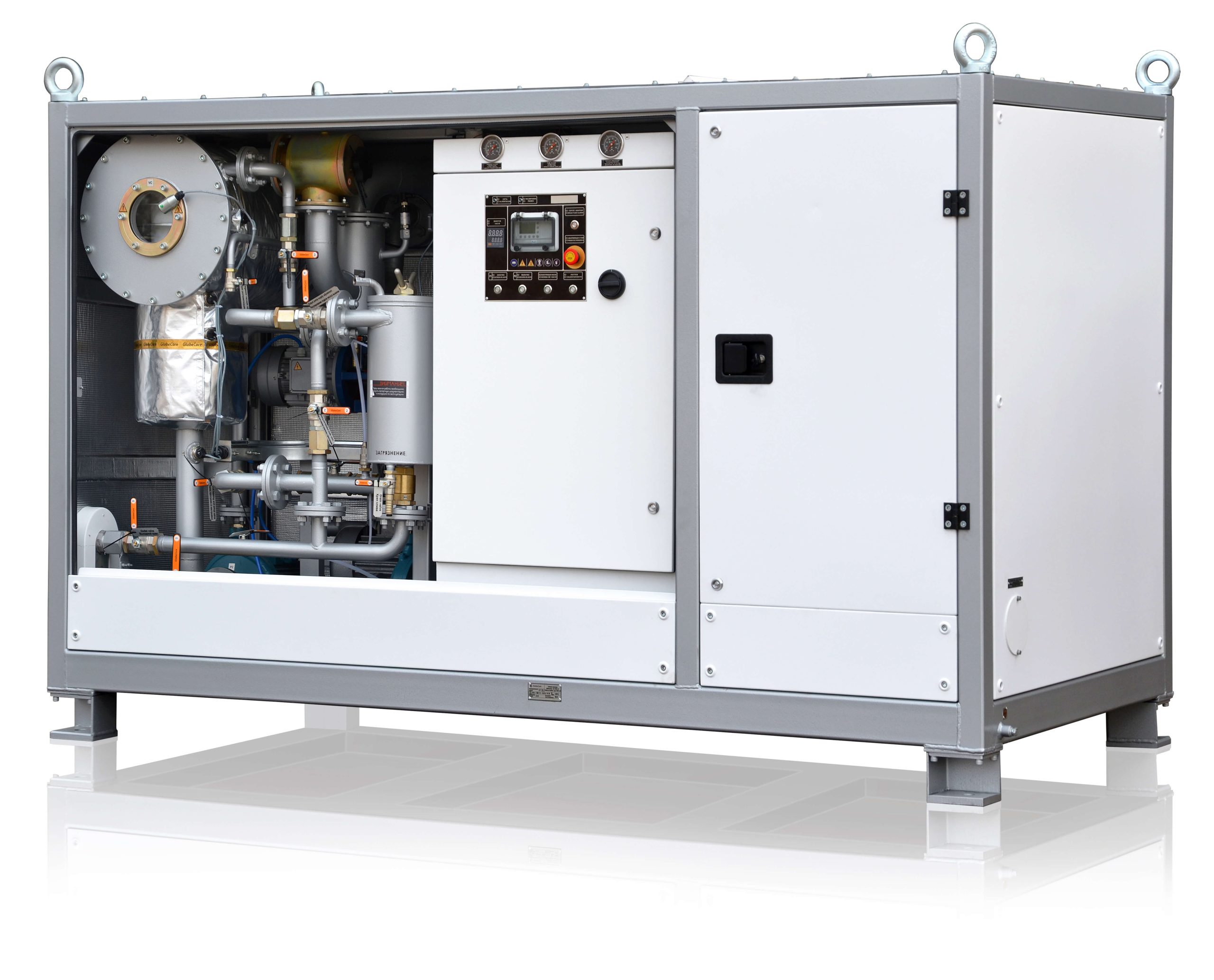
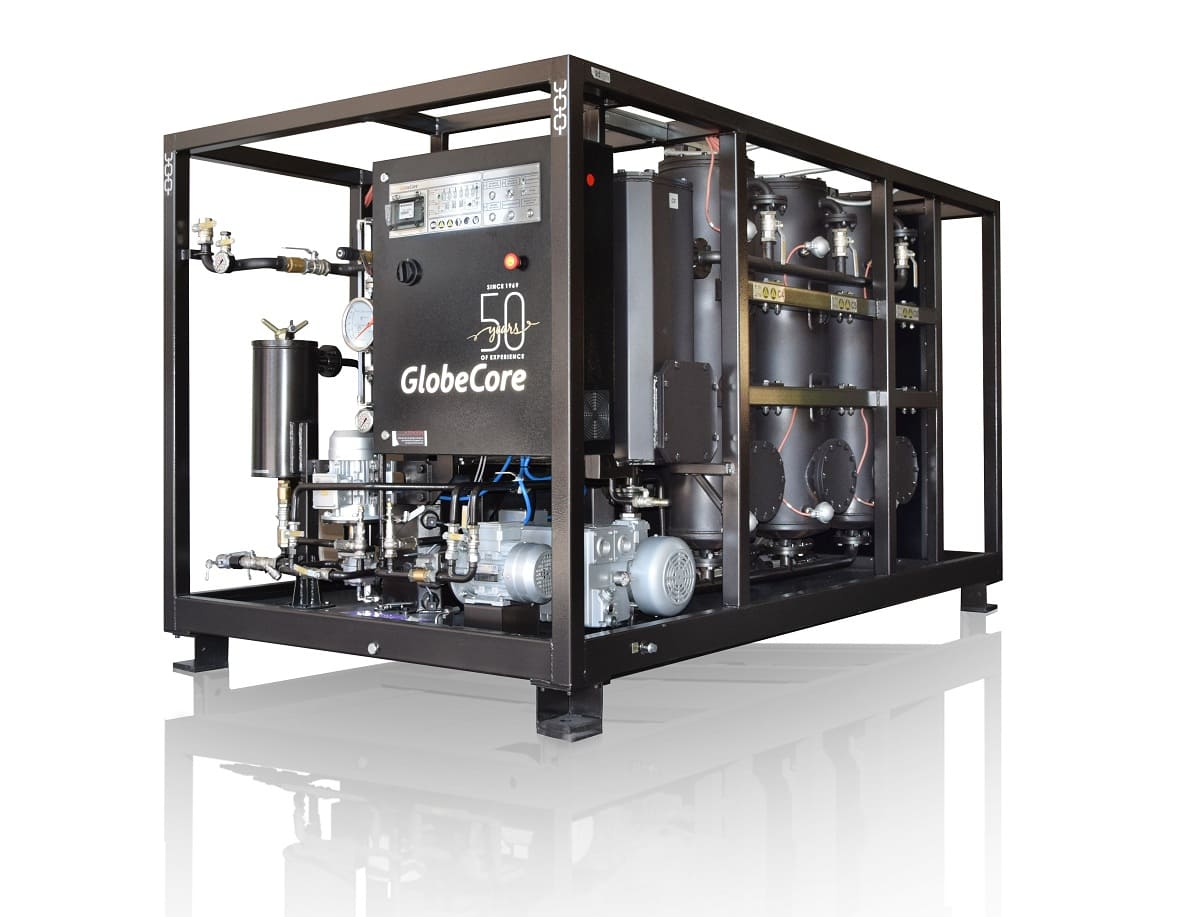
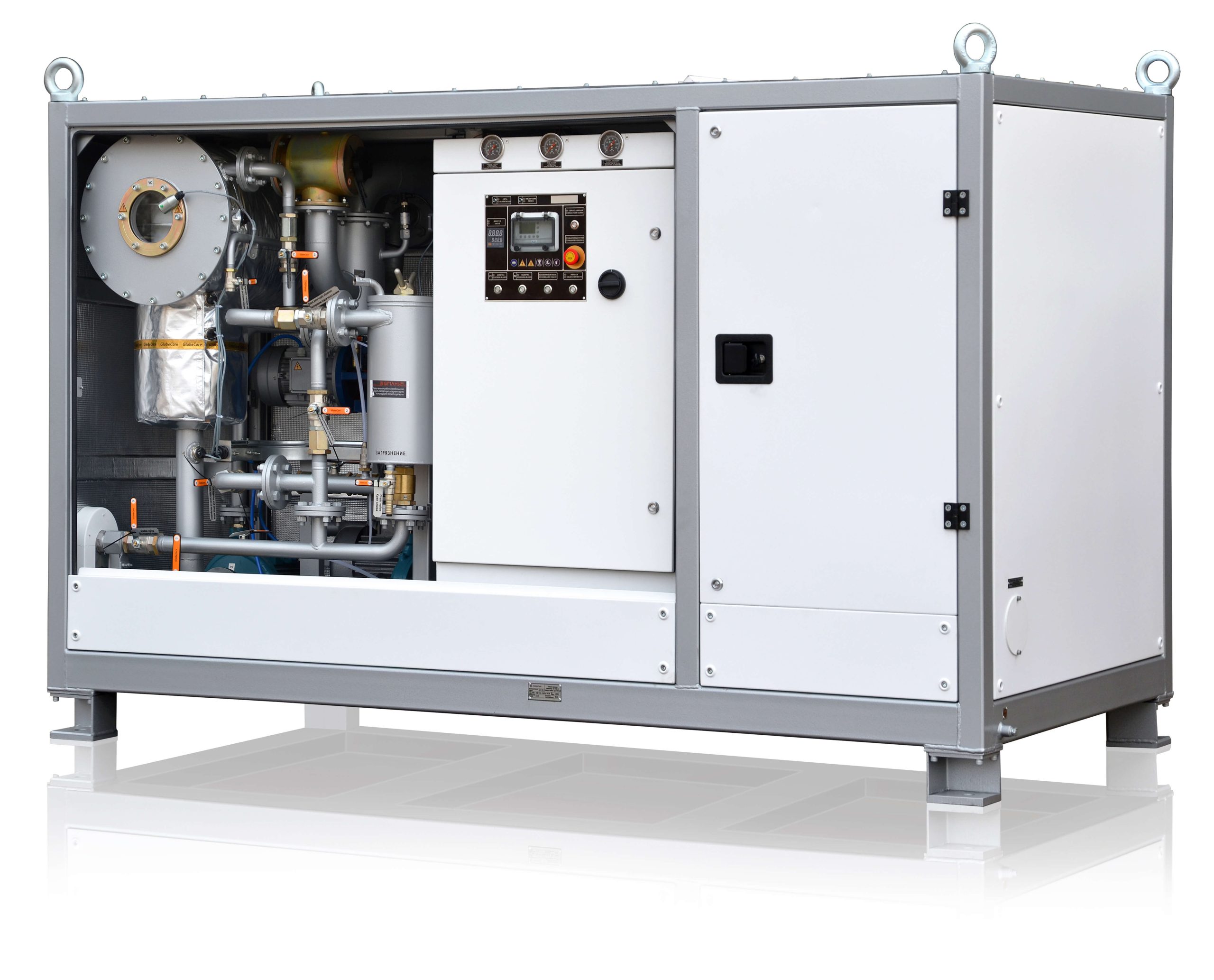
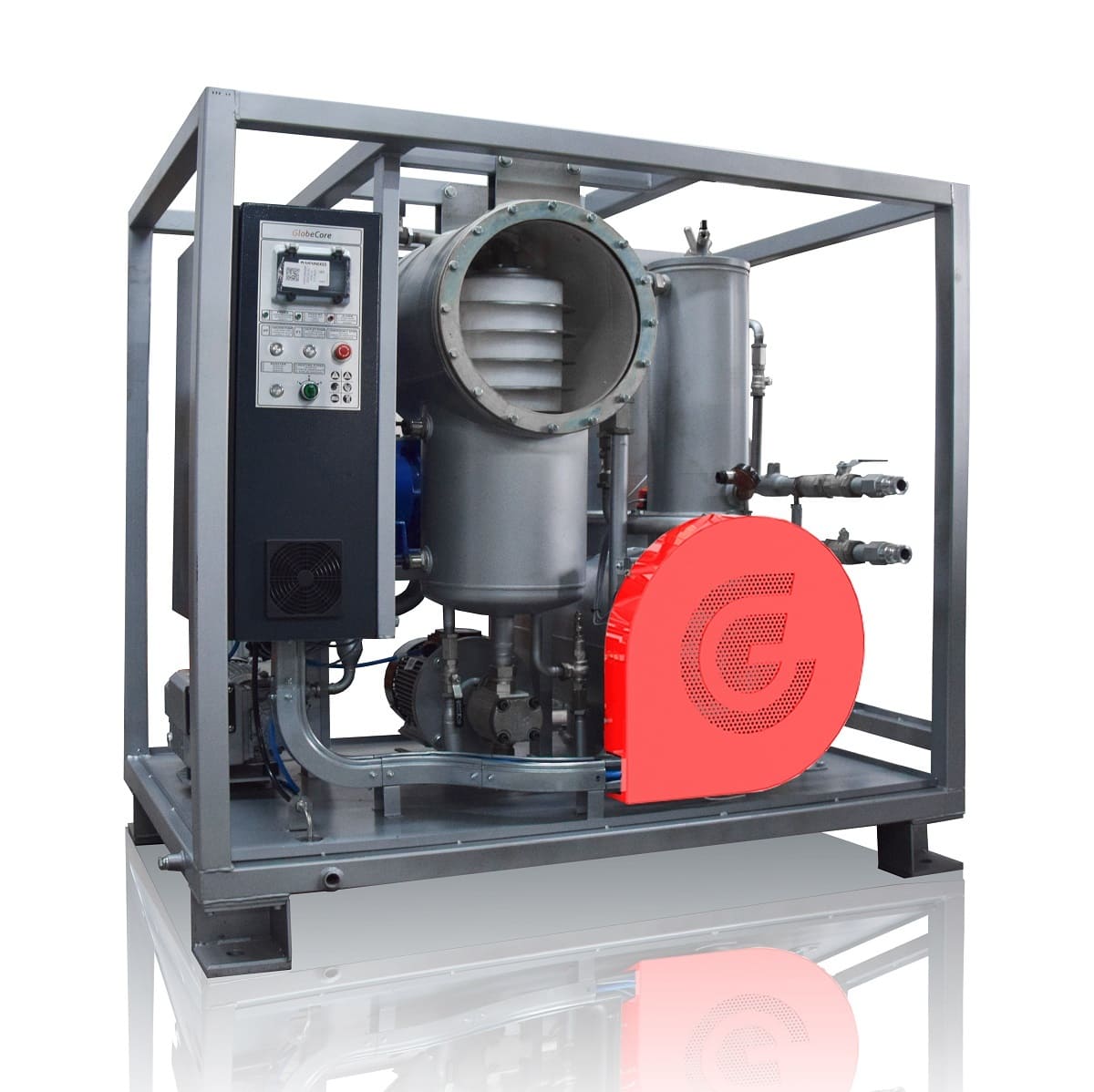
An additional benefit of proper gas removal from silicone oil is the reduction of oxidation processes that can gradually affect insulation performance during long-term transformer operation. In practice, even relatively small concentrations of dissolved gases may influence cooling efficiency and create favorable conditions for partial discharges under high electrical stress. For this reason, vacuum degassing systems are widely used not only during maintenance, but also after oil transportation, storage, or transformer repairs. Compact mobile units such as the CMM-4/7 are particularly useful for on-site servicing, since they allow operators to process insulating oil directly at substations without transporting large oil volumes elsewhere. The photo of the CMM-4/7 unit below clearly shows how these systems are designed for field transformer maintenance.
Attachments:
-
May 20, 2026 at 6:34 am by Joshua Roberts
You’re absolutely right — removing dissolved gases from silicone transformer oil does more than restore dielectric strength; it slows oxidation, reduces the risk of partial discharges under high electrical stress, and helps preserve cooling efficiency and long‑term insulation life. Vacuum degassing is the industry standard for achieving these effects: a two‑stage vacuum train (fore‑vacuum pump plus booster) combined with controlled heating drives dissolved gases out of the oil, while integrated dehydration and multi‑stage filtration remove free water and particulates that would otherwise accelerate aging and compromise insulation performance.
Compact mobile CMM‑type units make that work practical on site after transport, storage or repairs, and can be used for routine maintenance or in‑service degassing when fitted with retrofit safety systems. Typical CMM configurations target very low residuals (water ≤10 ppm, gas ≤0.1% by volume) and meet ISO 4406 cleanliness classes (around 16/14/12), with throughputs varying by model. Online monitoring options are available to track gas and oil/insulation parameters in real time. If you want, I can map these methods to the CMM‑4/7 specifically and outline a recommended purification/degassing sequence for your transformer setup.