Silicagel regeneration
Can silica gel be air-dried after use?
- This topic has 3 replies, 4 voices, and was last updated 1 day, 10 hours ago by .
Answers
-
October 9, 2024 at 3:46 pm by 後藤 零
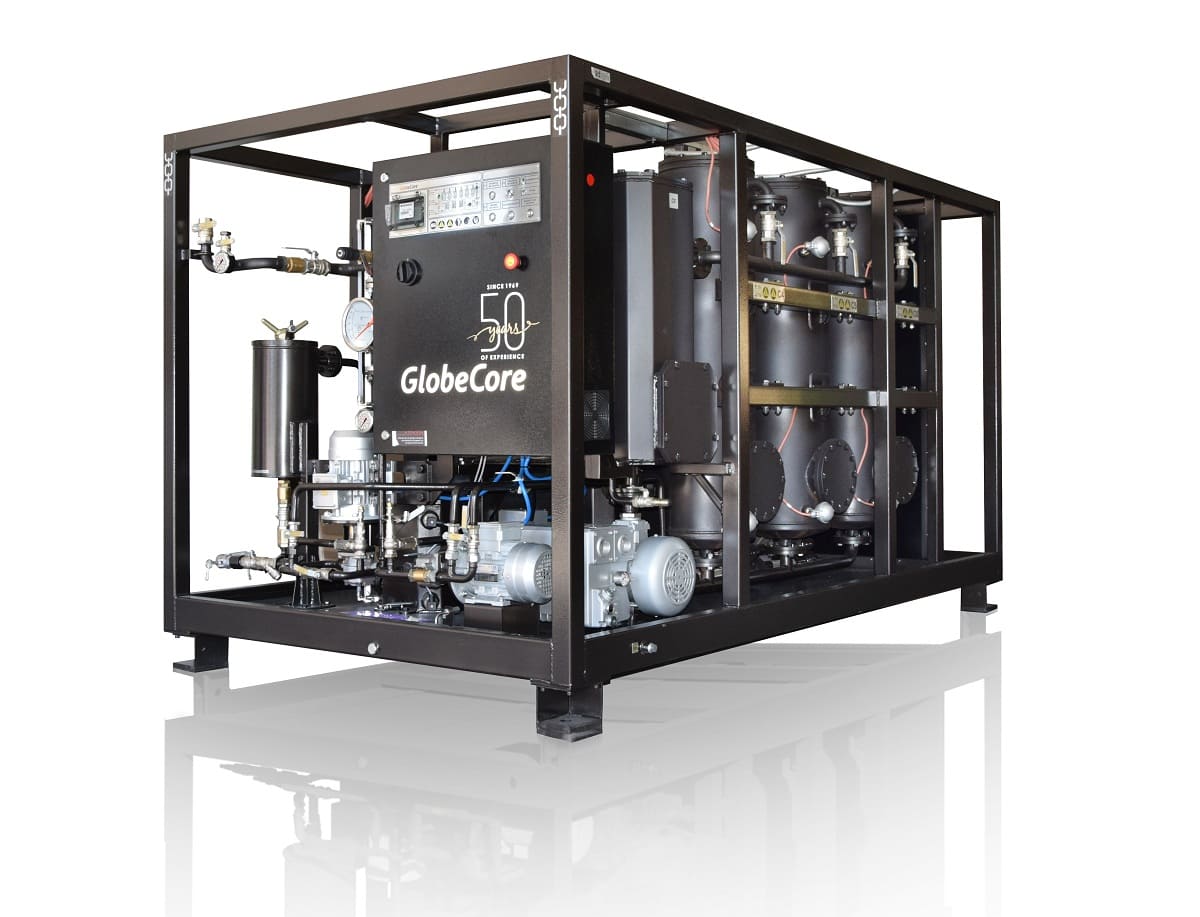
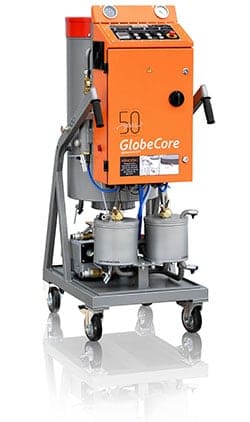
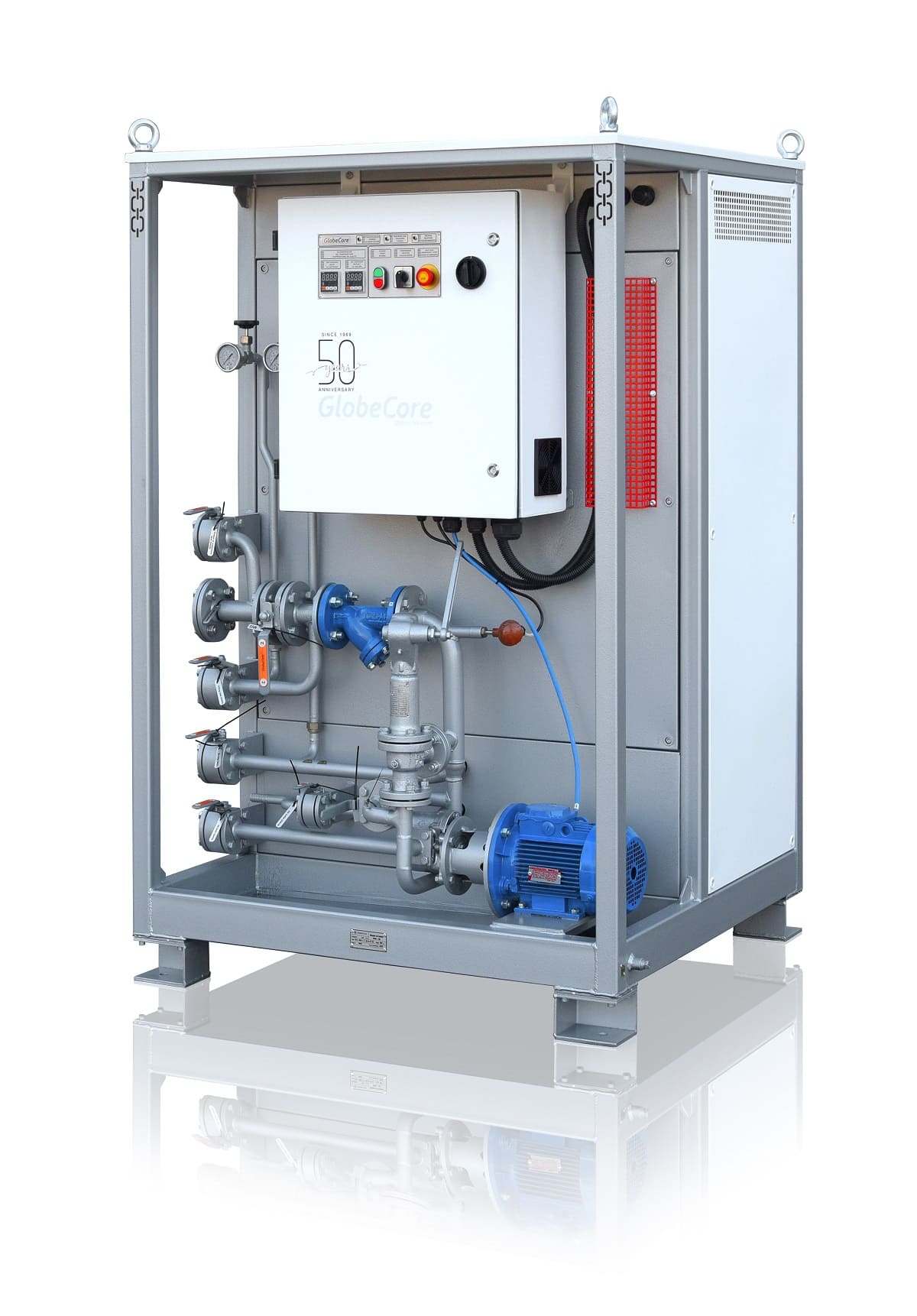
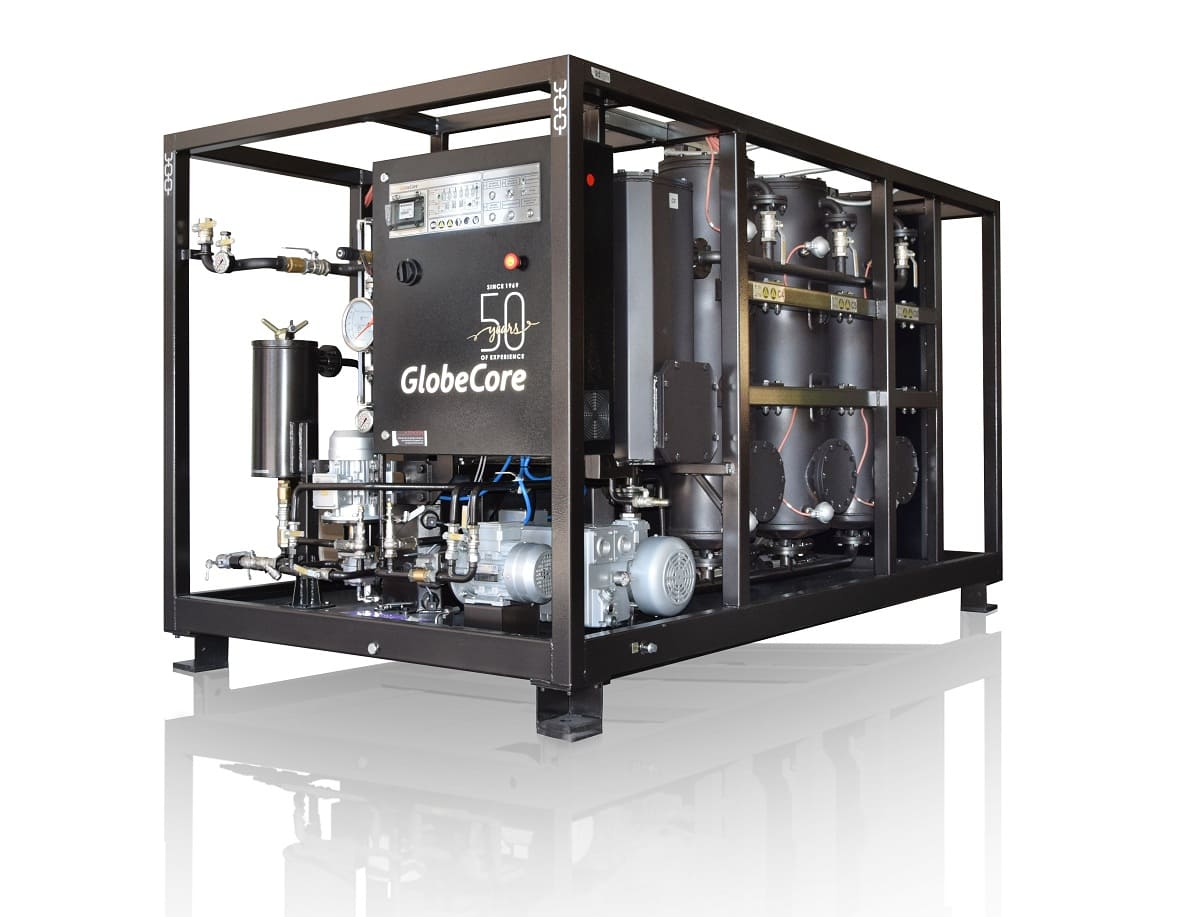
Silica gel can lose some moisture through air drying, but it is not an effective method for full regeneration. Air drying is slow and does not reach the temperatures needed to thoroughly remove absorbed moisture. For complete moisture removal, heating the silica gel to 120-150°C is necessary. GlobeCore offers equipment designed to automate this process for larger-scale regeneration, ensuring that the silica gel is properly dried and can be reused efficiently without relying on the slow process of air drying.
-
March 30, 2026 at 8:05 am by Craig Price
A useful addition to this discussion is that air-drying of silica gel is governed by the balance between ambient humidity and desorption conditions. In open air, silica gel may release a small portion of absorbed moisture, but this process is extremely slow and often incomplete, because the surrounding air typically contains enough humidity to limit effective desorption. As a result, equilibrium is reached before the material is fully regenerated.
Another important factor is that effective regeneration requires both heat and mass transfer. Without sufficient temperature increase and airflow, the energy required to break the physical bonds between water molecules and the silica gel surface is not fully achieved. Studies show that higher temperatures and controlled airflow significantly increase the desorption rate, while high ambient humidity or low airflow slows the process down.From a practical perspective, air drying can be regarded as a partial and passive recovery method, suitable only for slightly saturated silica gel or non-critical applications. In contrast, full regeneration requires controlled heating (typically above 100 °C) to ensure that moisture is completely removed and the adsorptive capacity is fully restored. This distinction is particularly important in industrial environments, where incomplete regeneration can lead to reduced efficiency and inconsistent moisture control.
For a more detailed technical explanation of silica gel dehumidification and regeneration methods, including practical industrial approaches, it is worth reviewing this article: https://globecore.com/transformer-maintenance/drying-of-silica-gel/. -
March 30, 2026 at 8:08 am by Emily Jones
You’re right — air-drying is governed by the humidity/desorption equilibrium and is typically slow and incomplete. In open air the surrounding moisture limits how much water will desorb from the silica gel, so passive air drying only recovers a small fraction of capacity and is suitable only for slightly saturated desiccant or non‑critical applications.
For full regeneration you need both heat and mass transfer: raise the silica gel temperature and provide controlled airflow to carry away desorbed moisture. Industry practice is to heat to roughly 120–150 °C (250–300 °F) with forced ventilation; regeneration times vary (commonly 1–4 hours depending on charge and prior loading). For larger or critical operations use a dedicated regenerator (e.g., SSC‑15 type systems) to ensure uniform heating, controlled airflow and repeatable adsorption capacity. Take normal precautions: avoid open flames, ensure good ventilation, prevent contamination during handling, and don’t exceed temperatures that could alter the gel’s structure.