

Silicagel regeneration
How is industrial silica gel regeneration carried out?
- This topic has 3 replies, 4 voices, and was last updated 1 month, 3 weeks ago by .
Answers
-
October 9, 2024 at 5:44 pm by Olga Ivanova
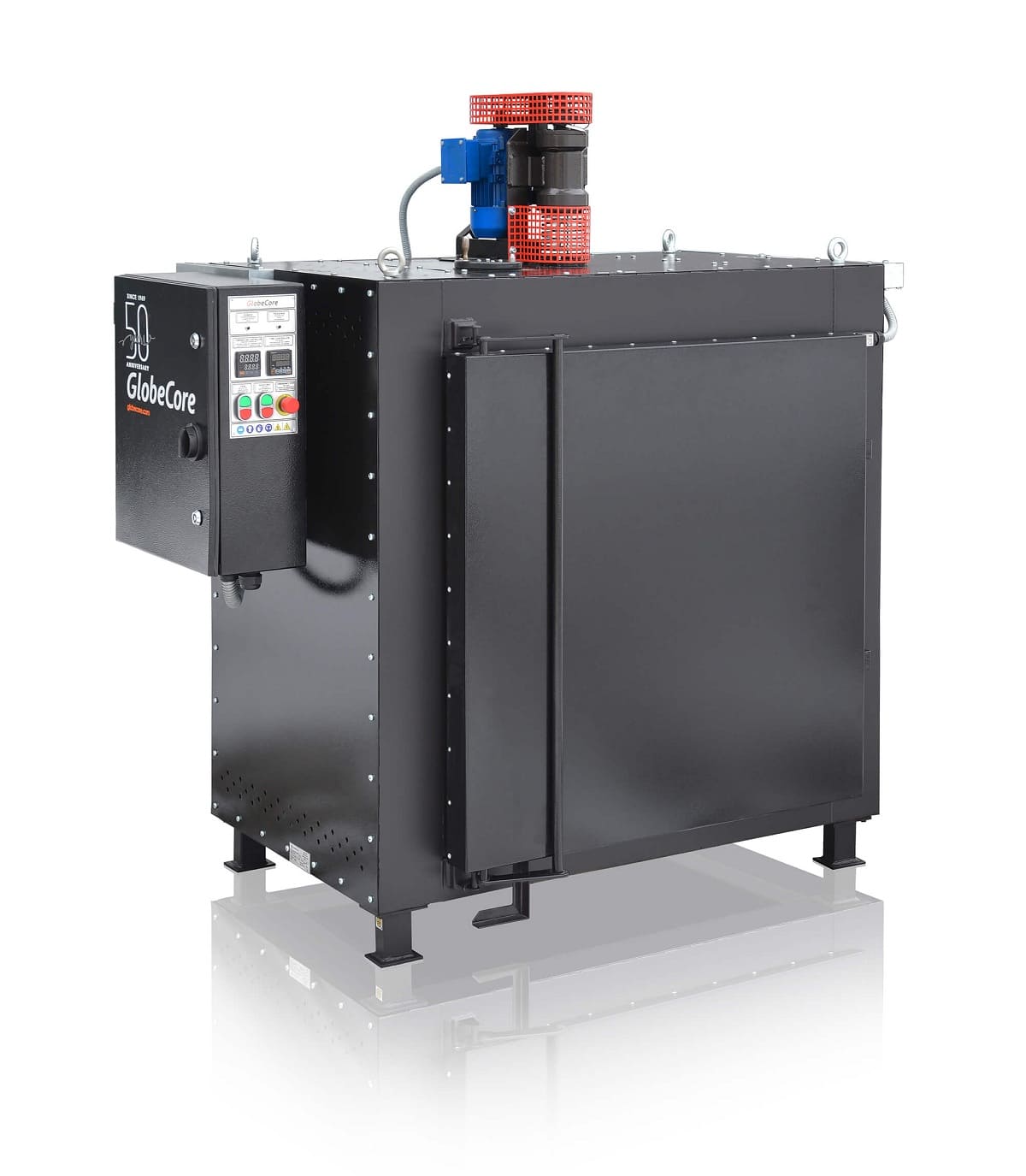
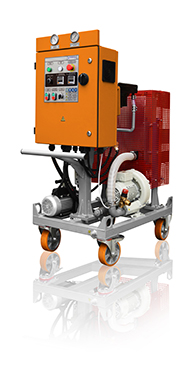
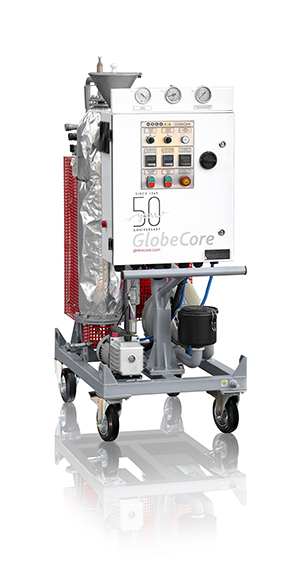
Industrial silica gel regeneration is carried out using specialized equipment that heats the silica gel to temperatures between 120°C and 150°C, ensuring thorough moisture removal. The process is automated to ensure consistent heating and airflow, which is crucial for regenerating large volumes of silica gel. GlobeCore offers advanced regeneration units specifically designed for industrial use, ensuring efficient and reliable drying of silica gel. This helps industries save on costs by extending the life of their silica gel and maintaining high absorption capacity.
-
March 31, 2026 at 6:58 am by Craig Price
From an operational perspective, one additional factor worth considering is that industrial silica gel regeneration involves reaching the correct temperature range, as well as maintaining the process uniformity and the material integrity over repeated cycles. In large-scale systems, non-uniform heating or poor airflow distribution may lead to partial regeneration, where some zones of the silica gel remain saturated. Over time, this reduces overall adsorption efficiency and may even cause structural degradation of the granules.
Another important aspect is process control and monitoring. Modern regeneration machines often incorporate temperature sensors, airflow regulation, and automated cycles to prevent overheating and ensure consistent results across the entire batch. This is particularly critical, because excessive temperatures may damage the pore structure of silica gel, reducing its long-term performance, even if the moisture is initially removed.
If you are looking for a more detailed explanation of industrial techniques and equipment used for this process, it’s worth reviewing this article: https://globecore.com/transformer-maintenance/silica-gel-regeneration. -
March 31, 2026 at 7:02 am by Amanda Moore
You’re right — reaching the correct temperature is necessary but not sufficient: uniform heating, controlled airflow and careful process control are equally critical to avoid partial regeneration and long‑term damage to the silica gel’s pore structure. Industrial drying ovens designed for silica gel regeneration address this by providing heating elements on both sides of the chamber and forced circulation so every pallet sees the same temperature and flow; some units also offer a “blowing” mode to enhance convective drying. Operator-settable temperature control and multi‑cell loading (for example, cabinets sized for a dozen pallets) increase throughput while preserving uniformity, but the setpoint must always respect the maximum temperature recommended by the gel manufacturer to prevent collapse or sintering of the granules.
From an operational standpoint, install temperature sensors that monitor representative points or individual cells, use automated cycles with controlled ramp-up and controlled cooldown to avoid thermal shock, and log cycles to track cumulative thermal stress. Verify regeneration effectiveness periodically with adsorption or moisture‑breakthrough tests (or indicator color checks where applicable) rather than relying only on time and setpoint. Ensure proper ventilation to carry off desorbed water vapor, maintain fans and heating elements to preserve airflow distribution, and keep a preventive maintenance schedule for seals and controls. These steps minimize partially regenerated zones, preserve adsorption capacity over repeated cycles, and extend the service life of your silica gel inventory.