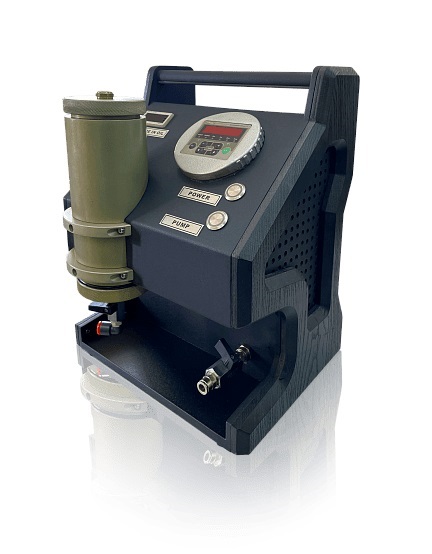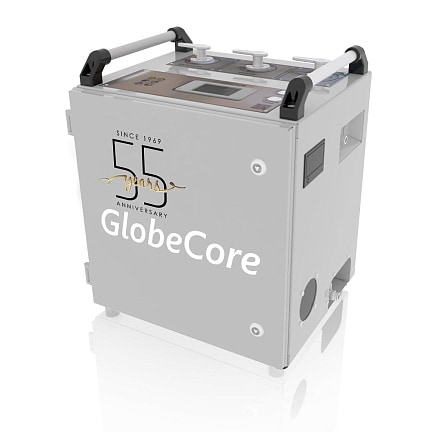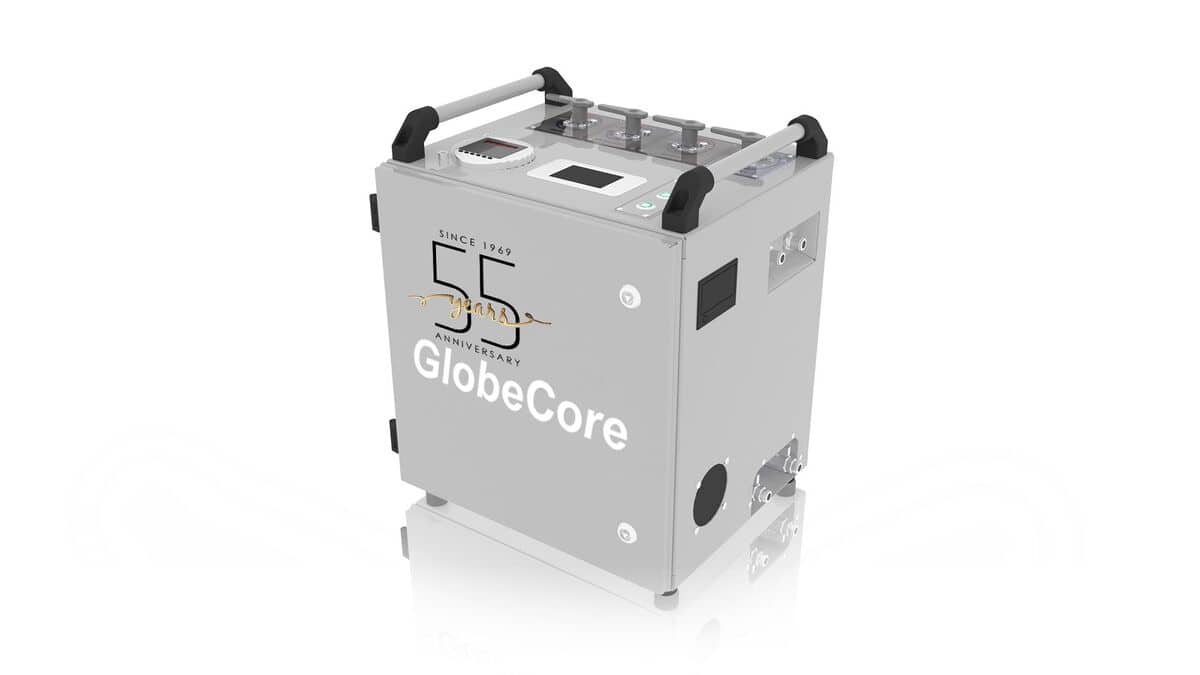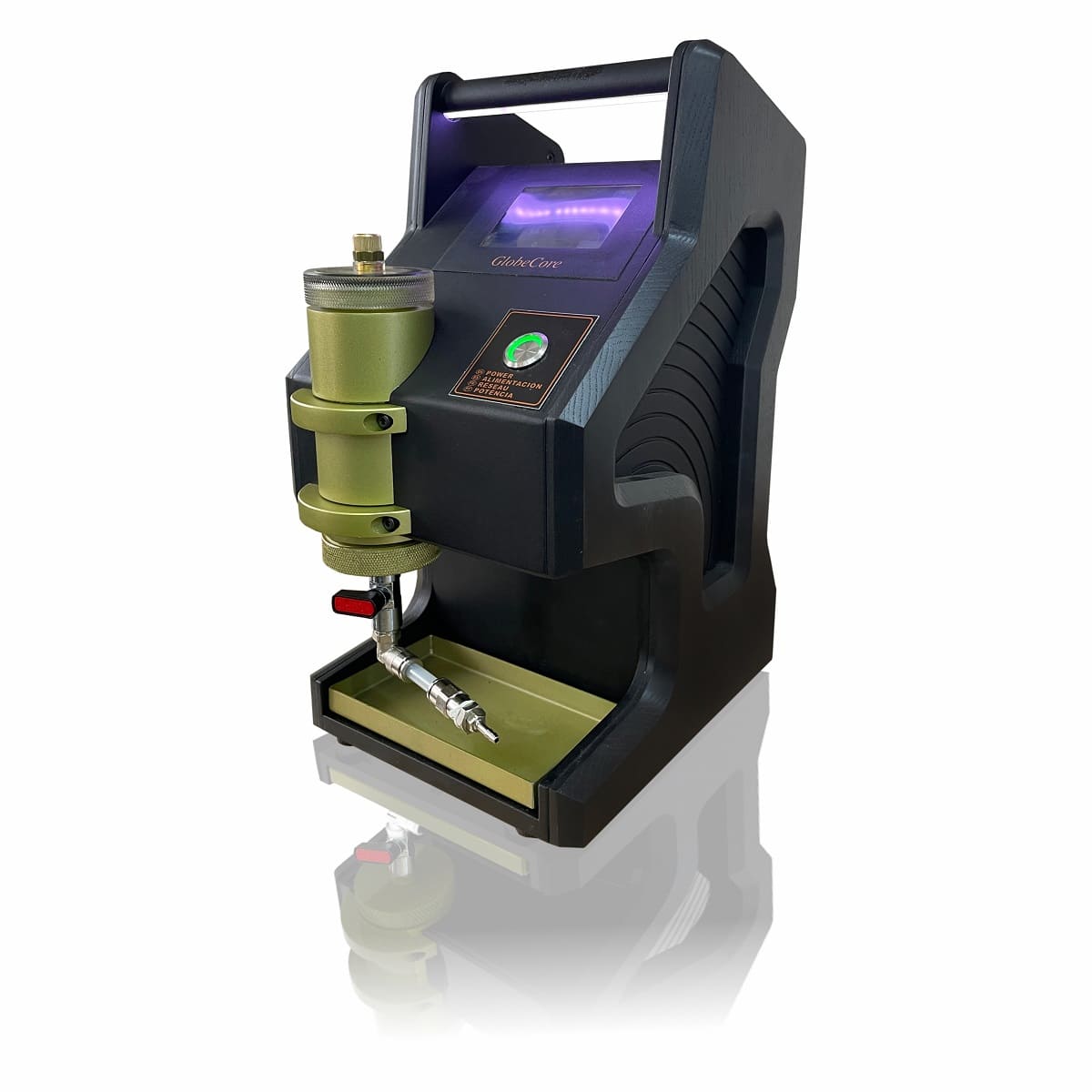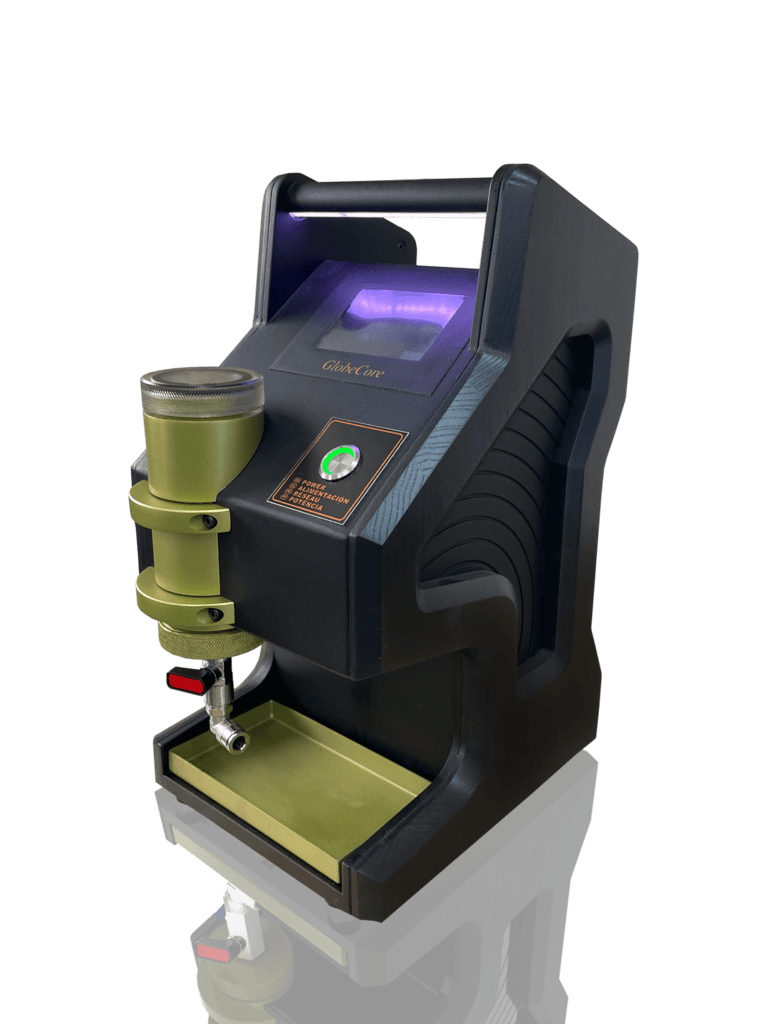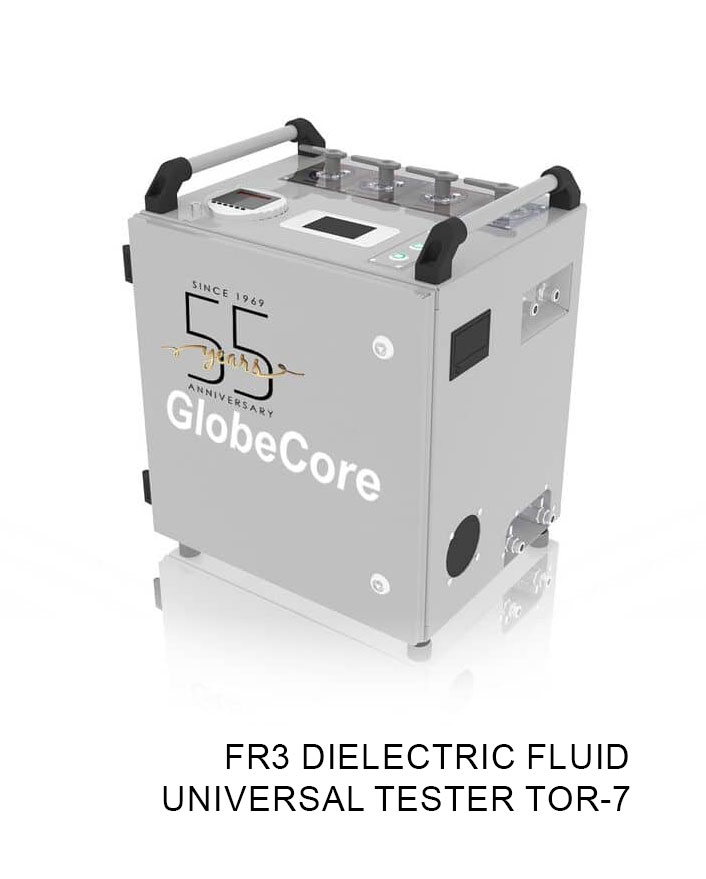
The FR3 dielectric fluid universal tester TOR-7 , made by GlobeCore, is used to check the main parameters of insulating fluids used in transformers, switches and other electrical equipment. The device lets you check the quality of the liquid, spot if it’s gone off or been contaminated, and decide what to do with it next. TOR-7 can be used to analyse different types of dielectrics, including mineral, synthetic, silicone, and FR3 bio-oils. During the test, the device measures things like electrical strength, moisture content, dielectric loss tangent, relative permittivity, etc. The device is easy to use, with a control panel and an automatic measurement system. The results will be displayed on the screen and can be saved for future reference. Its compact size and portability make it suitable for use in both laboratory and field settings. TOR-7 is an effective method for the assessment of the technical condition of insulating fluids. This is of paramount importance in ensuring the reliable and safe operation of the equipment. The regular testing of transformers and high-voltage systems has been shown to have a number of benefits. Firstly, it can help to prevent accidents. Secondly, it can reduce the risk of failures. Finally, it can help to extend the lifespan of transformers and high-voltage systems.
FR3 dielectric fluid universal tester TOR-7 Specifications
| № |
Item |
Value |
| 1 | Measuring cell volume, l |
1,2 |
| 2 | Oil sample volume, l | 0,5 – 0,7 |
| 3 | Maximum pressure in the device, Pa |
0,3 |
| 4 | Maximum leakage in the device, Pa |
26 |
| 5 | Inlet oil pressure, bar |
0,3 – 3 |
| 6 | Temperature of measured oil, ºС |
20 – 90 |
| 7 | Maximum power consumption, kW, no more |
1 |
| 8 | Electrical current parameters: – voltage, V – variable with frequency, Hz |
Customer request |
| 9 | Overall dimensions, mm, not more than – length – height – width |
465 530 375 |
| 10 | Weight, kg, not more than |
40 |
Oil measurement characteristics
| № | Item | Value | |
| Moisture measurement characteristics | |||
| 1 | Operating range, aw (water activity (aw)) | 0…1 | |
| 2 | Accuracy at 20 °C | ±0.02 aw (0…0.9 aw) ±0.03 aw (0.9…1 aw) | |
| 3 | Temperature measurement | yes | |
| 4 | Working environment temperature, °C | 0…55 | |
| Hydrogen measurement characteristics | |||
| 6 | Measuring range, ppm | 25-5000 | |
| 7 | Accuracy | 20% of measurement or 25 ppm | |
| 8 | Repeatability | 10% of measurement or 15 ppm | |
| 9 | Response time | <60 min (90% step change) | |
| 10 | Cross Sensitivity | Less than 2% cross-sensitivity to other gases (CO, CO2, Hydrocarbons) | |
| 11 | Working environment temperature, °C | 0…55 | |
| Contamination Measurement Characteristics | |||
| 6 | Measuring range, ppm | 25-5000 | |
| 7 | Accuracy | 20% of measurement or 25 ppm | |
| 8 | Repeatability | 10% of measurement or 15 ppm | |
| 9 | Response time | <60 min (90% step change) | |
| 10 | Cross Sensitivity: | Less than 2% cross-sensitivity to other gases (CO, CO2, Hydrocarbons) | |
| 11 | Working environment temperature, °C | 0…55 | |
| Characteristics of degree of purity or level of contamination | |||
| 12 | Acceptable viscosity range | 1 to 1000 mm²/s | |
| 13 | Measured variables |
ISO 99 (ISO 4406:1999) SAE (SAE AS 4059) or ISO 87 (ISO4406:1987) NAS (NAS 1638) |
|
| 14 | Measurement range |
Measurement from ISO class 9/8/7 (MIN) to ISO class 25/24/23 (MAX) Calibrated to ISO range from 11/13/10 to 23/21/18 |
|
| 15 | Accuracy | +/- ½ ISO class in calibrated range | |
| 16 | Working environment temperature, °C | 0 … +85 | |