Oil dewatering is one of the most important processes in ensuring the reliable operation of power transformers, which are among the most cost-intensive components of the entire power supply system. Any failure of these assets can cause severe disruptions in energy delivery and lead to significant financial losses for enterprises and utilities. Since most transformer failures are linked to degradation of the insulation system, maintaining the quality of insulating oil is of primary importance. Transformer oil not only provides high dielectric strength but also penetrates solid insulation to remove heat and transfer it to the cooling system. When oxygen, contaminants, and above all moisture enter the oil, oxidation accelerates, ageing intensifies, and the risk of insulation breakdown rises dramatically.
The impact of water on transformer oil and insulation
Water contamination is one of the most dangerous forms of oil degradation. Even a small amount of moisture significantly accelerates insulation ageing. For example, insulation windings with 1% moisture content age up to ten times faster compared to those with only 0.1%. Water affects transformer oil in several ways:
- Deposited water settles at the bottom of the transformer tank. Although it does not directly reduce dielectric strength, its presence indicates that dissolved water is also in the oil.
- Dissolved water lowers breakdown voltage and typically enters the oil from the atmosphere. While partial removal can be achieved by centrifugation, complete removal requires vacuum treatment.
- Bound water forms as a byproduct of oil oxidation and is one of the earliest signs of ageing. At high temperatures between windings and the steel core, dissolved water evaporates into vapor, later condensing back into dissolved water in cooler oil layers.
- Emulsified water exists as microscopic droplets dispersed in oil. This form of moisture is particularly problematic because it cannot be removed by heating, settling, or simple filtration.
The migration of water between oil and solid insulation is strongly dependent on temperature. As transformer temperature rises, water migrates from paper insulation into the oil; when temperature drops, the opposite occurs. Uneven thermal profiles inside the transformer—caused by winding geometry, sludge deposits, or cooling duct design—make moisture management even more complex. Over time, the presence of water reduces dielectric strength, increases dissipation factor, and leads to electrical defects such as partial discharges, which may develop into arcs and severe transformer faults.
Oil dewatering: principles and methods
Removing water from transformer oil can be done through different technologies, but the most widely used are zeolite drying and thermovacuum treatment.
- Zeolite drying is highly effective in oil dewatering and can increase breakdown voltage from as low as 10–15 kV up to 60–70 kV in just one pass. However, zeolite cartridges require periodic reactivation after saturation, which makes them less convenient for long continuous processes. They are best suited for quick interventions or as a pre-drying stage before deeper vacuum processing.
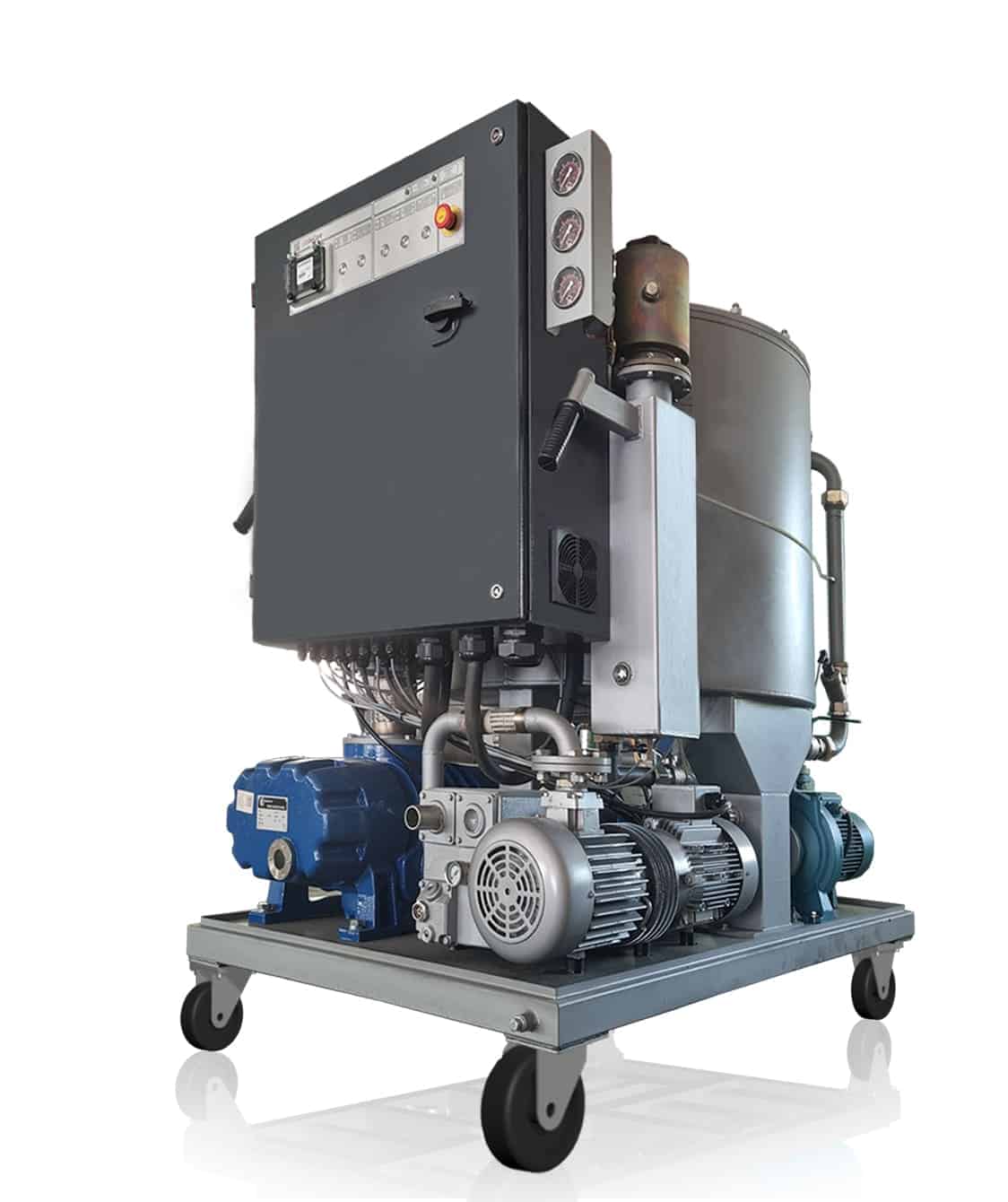
- Thermovacuum drying is more universal. It relies on the principle that water boils at lower temperatures under reduced pressure. During processing, transformer oil is preheated to about 50–55 °C and then introduced into a vacuum column. In deep vacuum, oil spreads as a thin film across filter-activator surfaces, releasing water and gases rapidly. This process enables simultaneous oil drying and degassing without generating solid waste that requires disposal. Thermovacuum units are therefore widely used for both maintenance and large-scale transformer servicing.

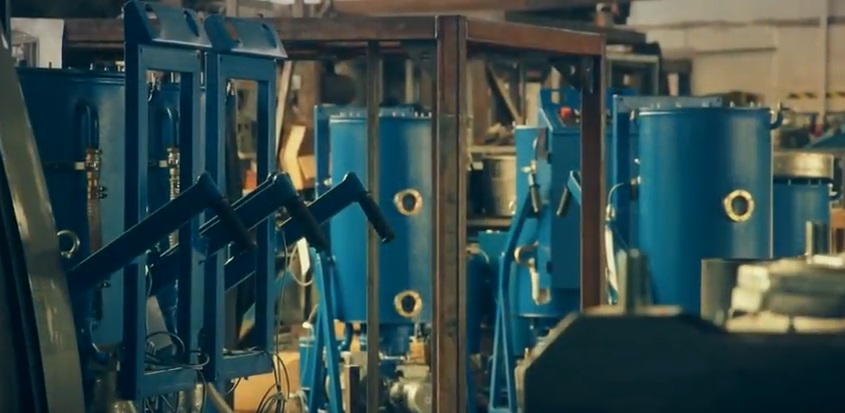
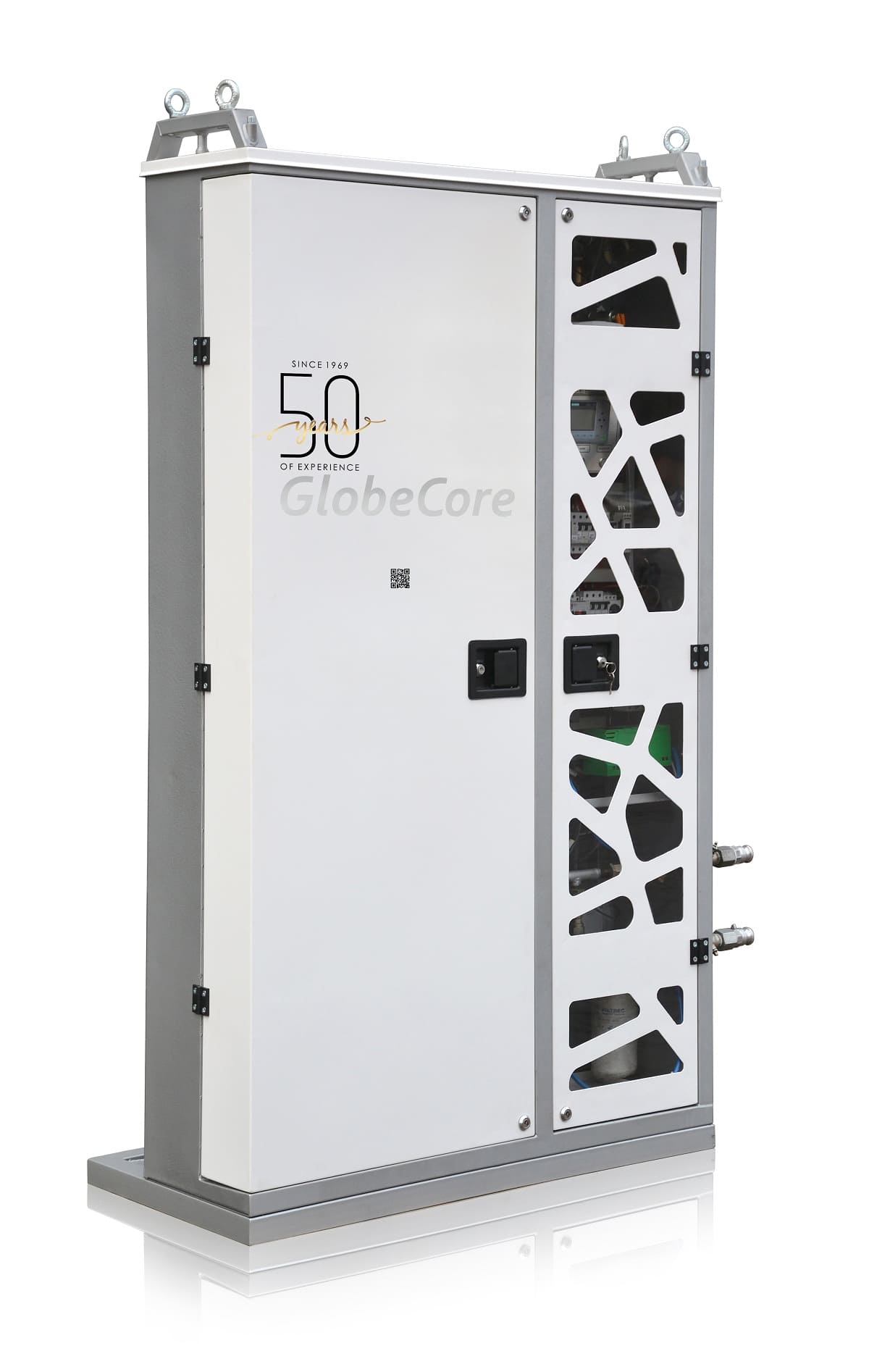
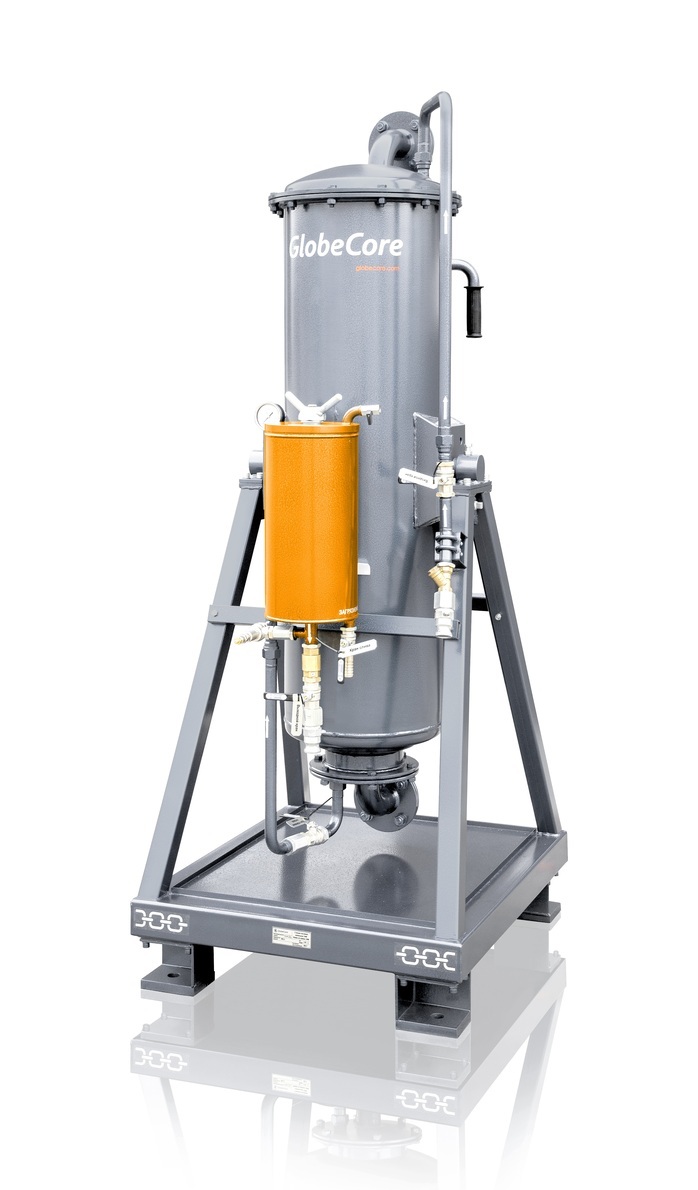
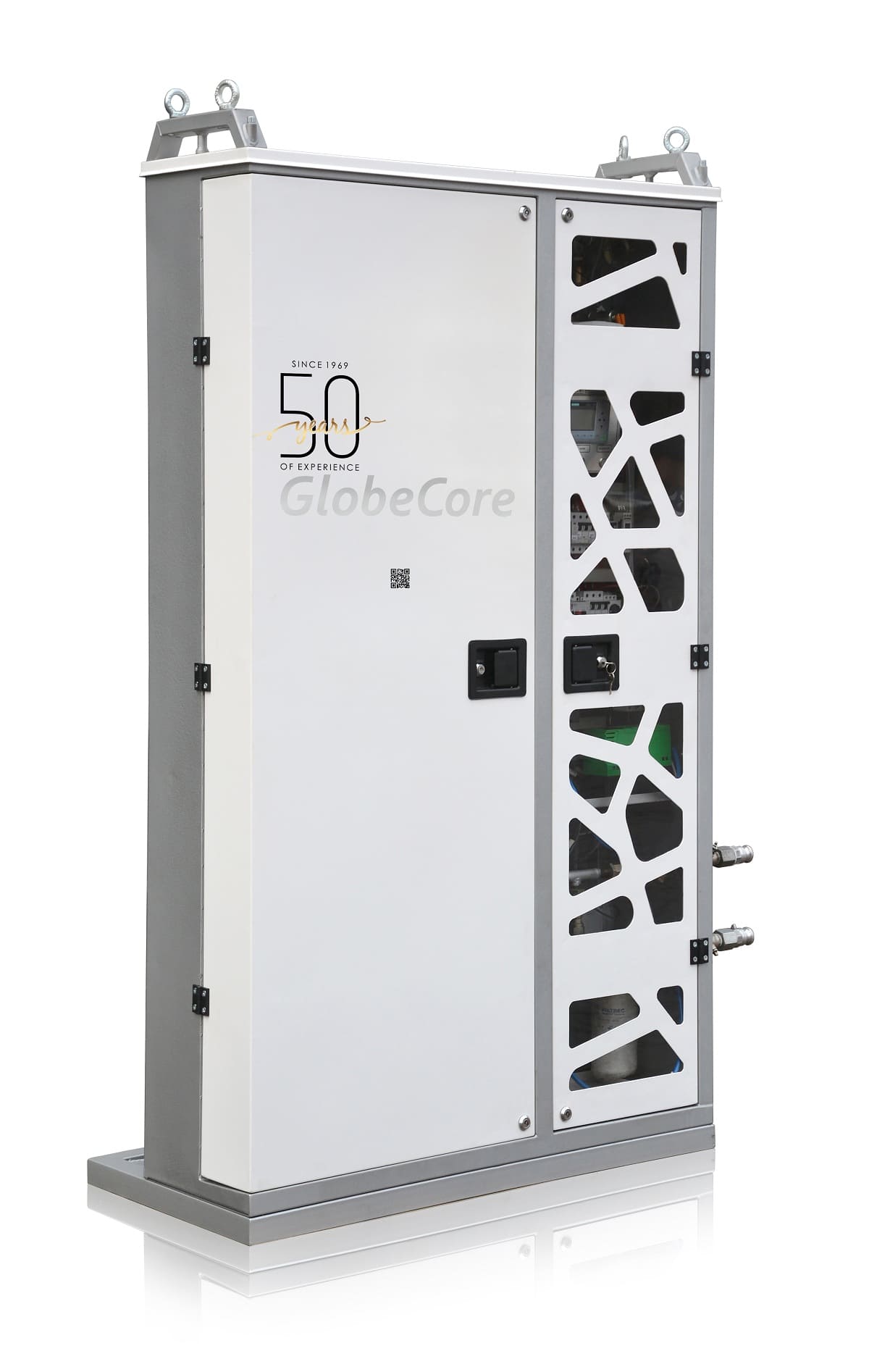
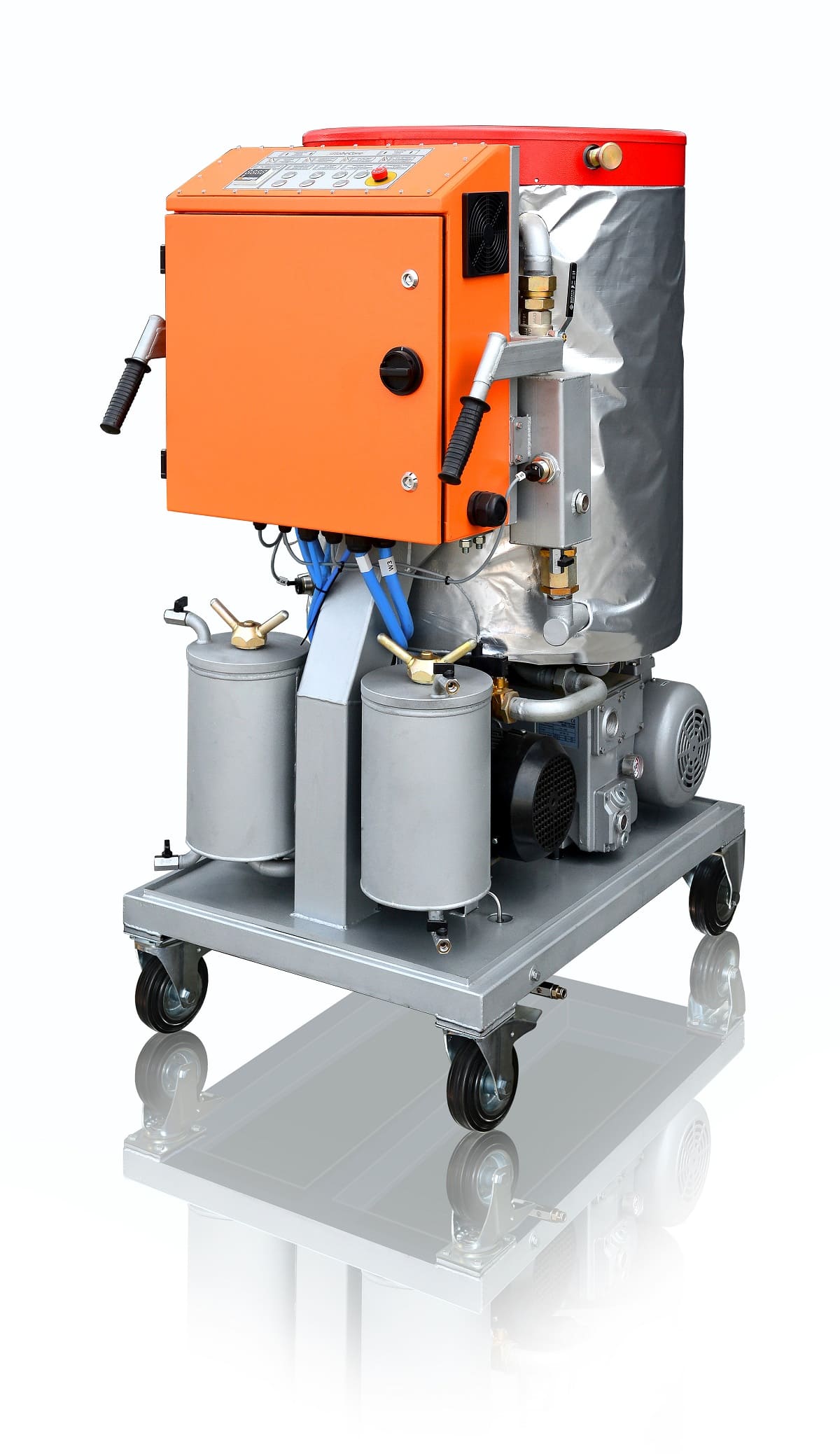
GlobeCore oil dewatering and degassing systems
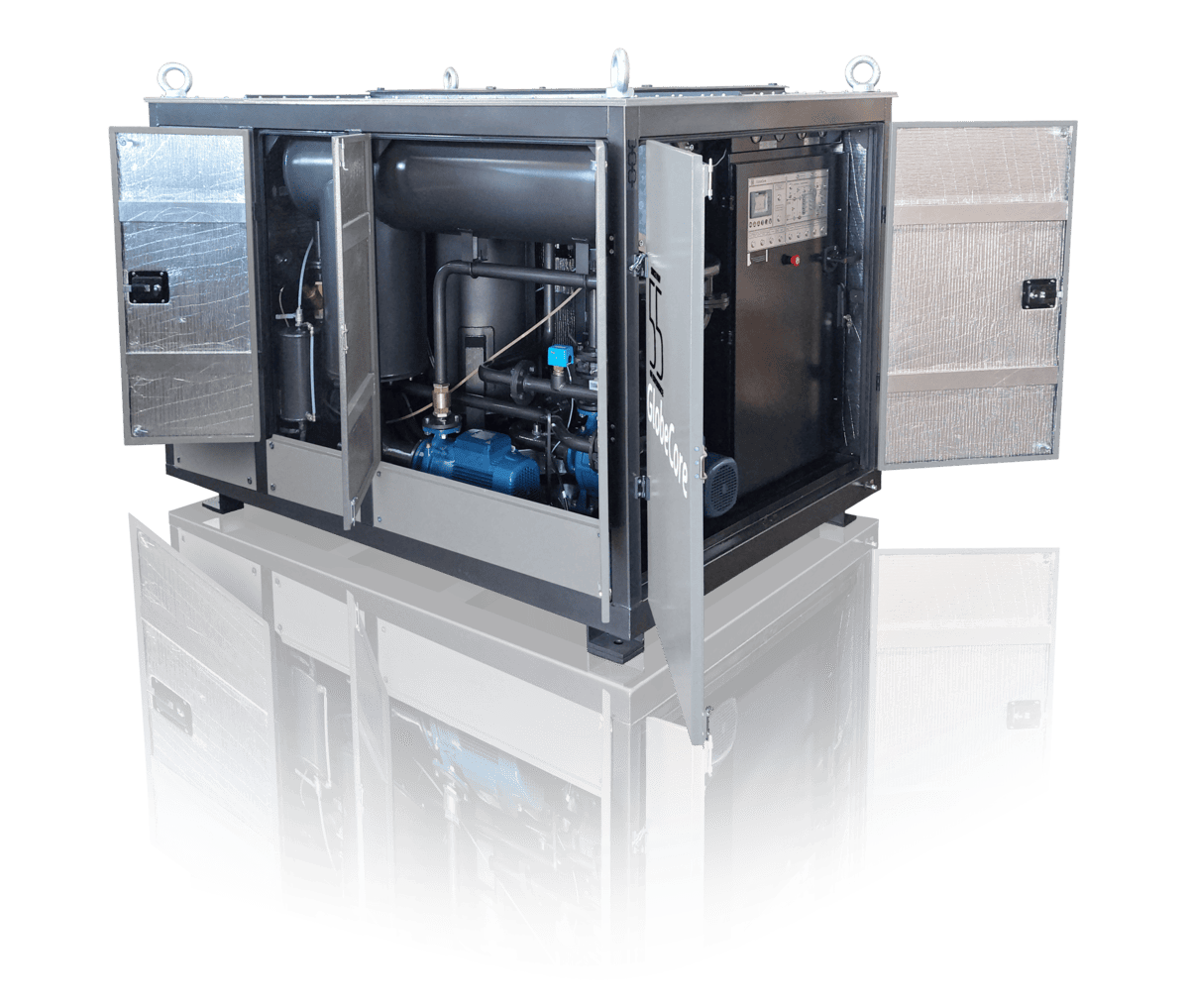
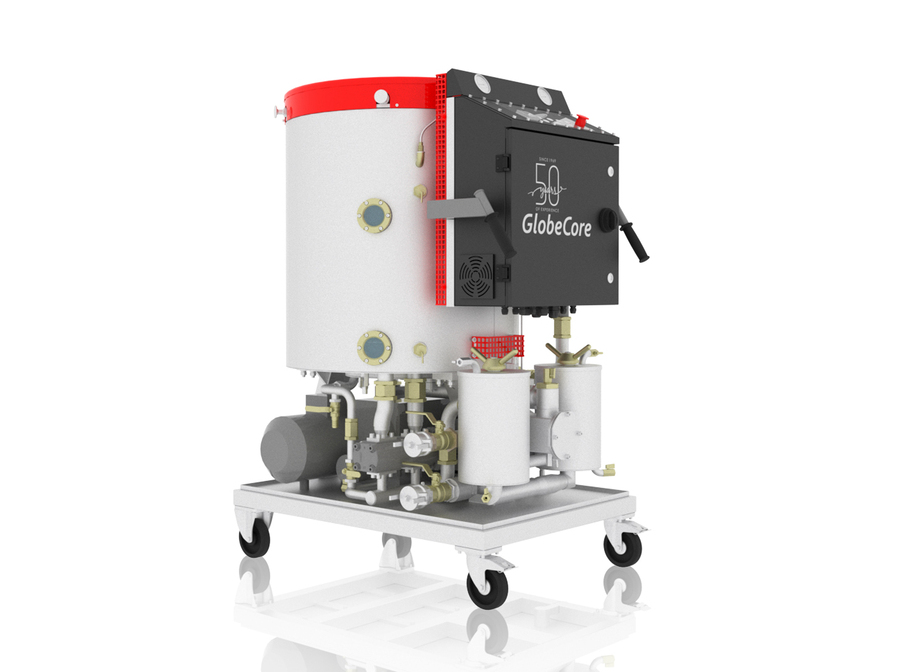
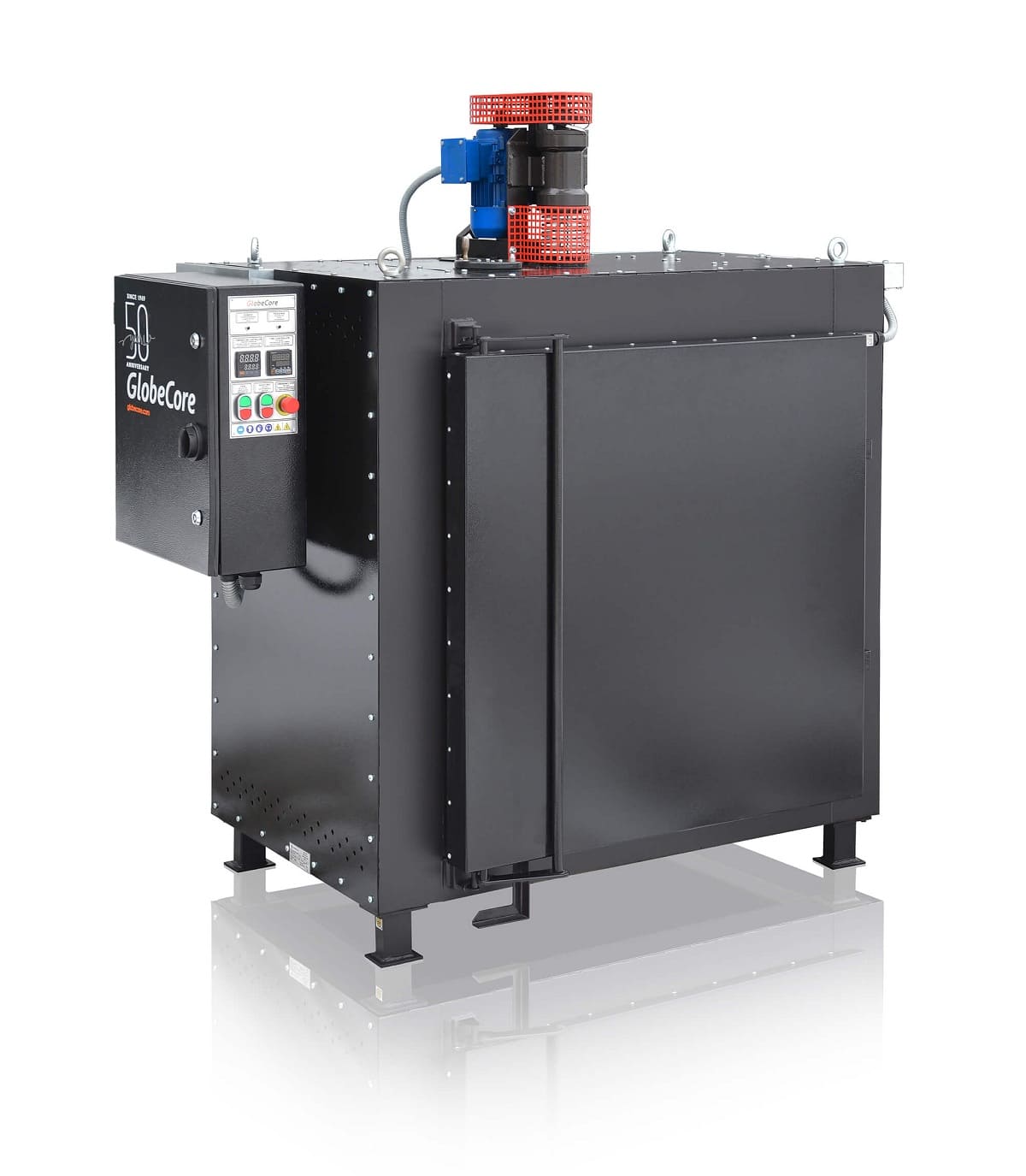
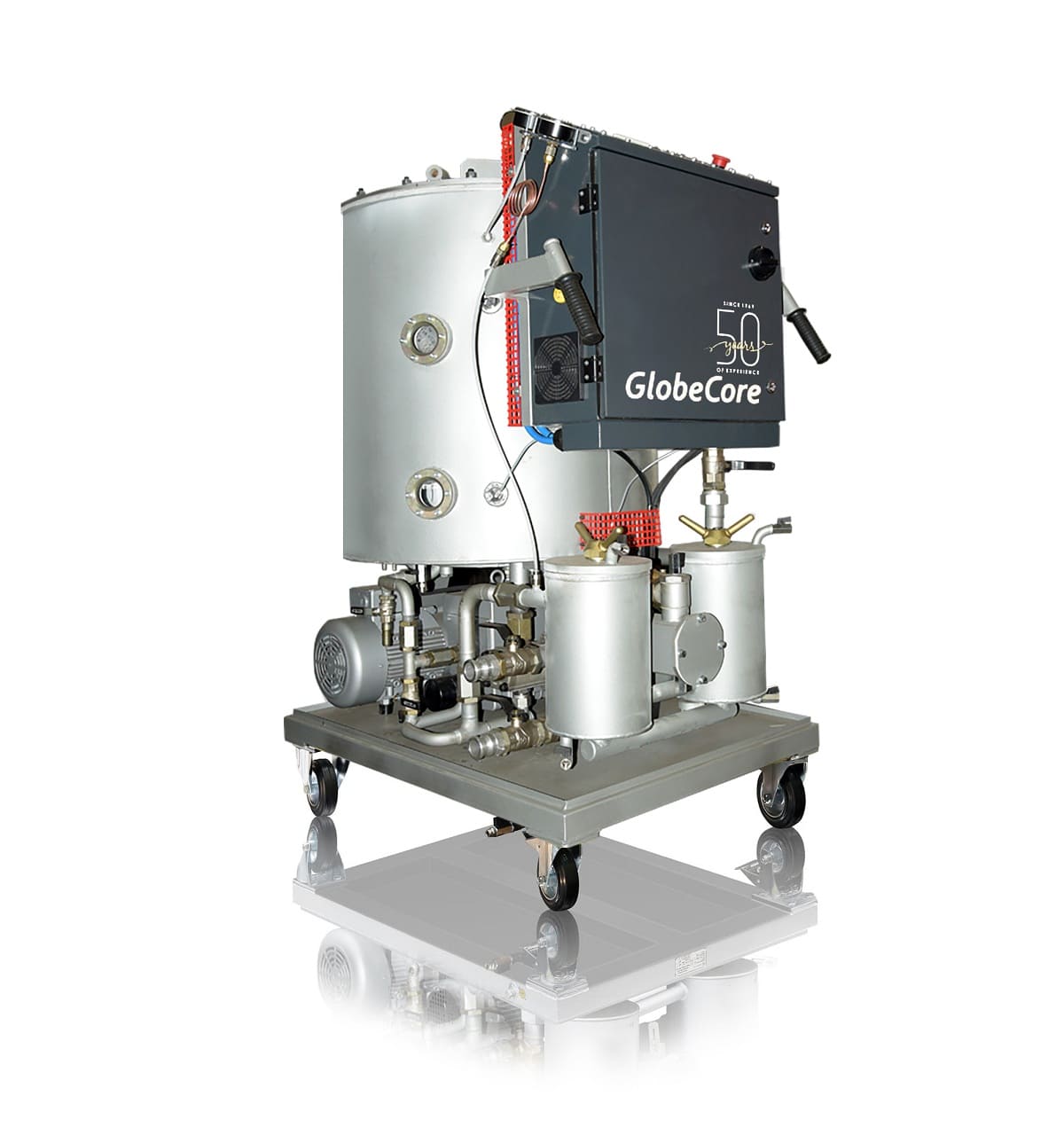
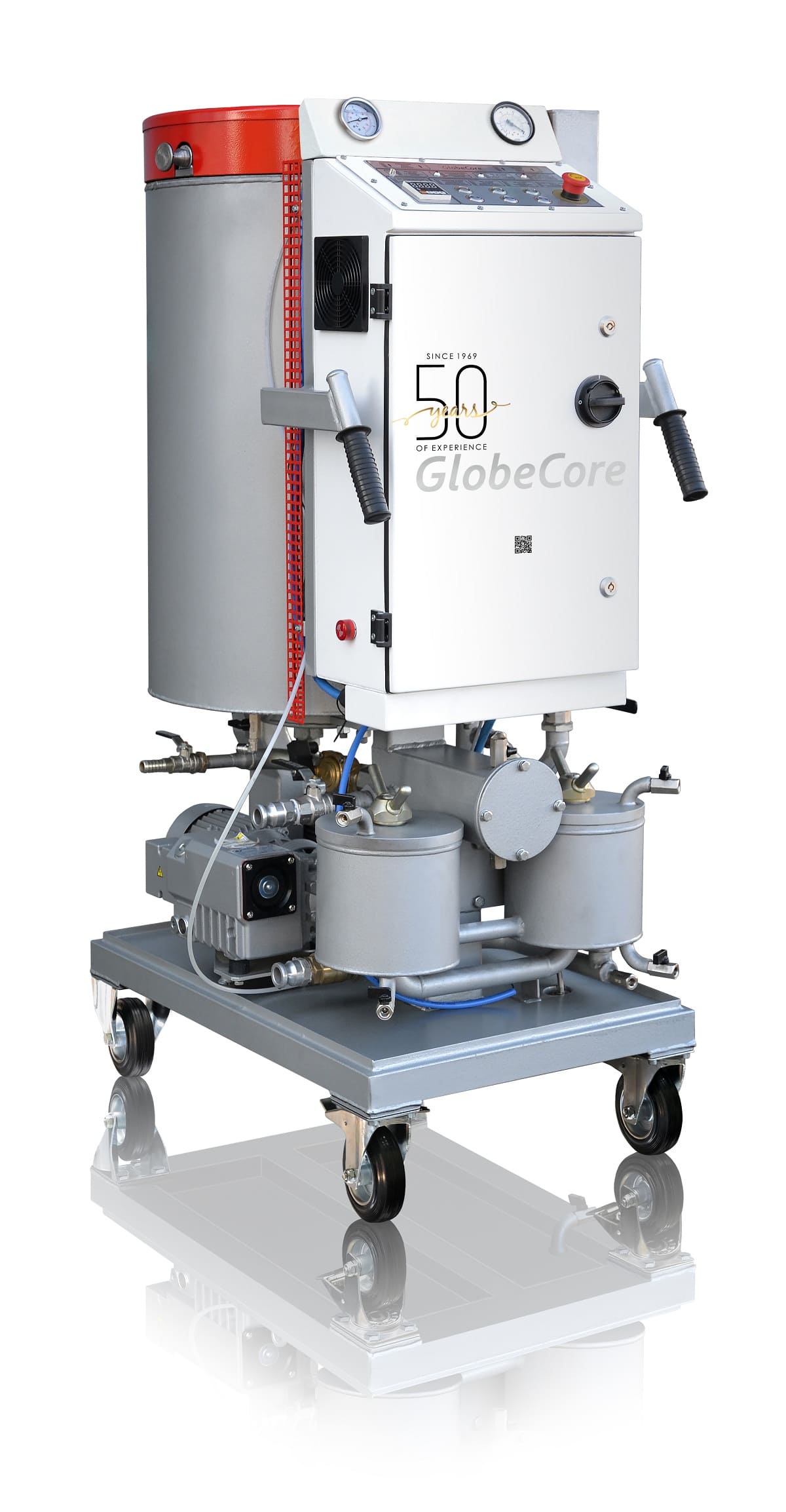
GlobeCore manufactures a wide range of CMM-series plants for thermovacuum drying and degassing of transformer oils. These systems are equipped with two-stage vacuum technology, ensuring deeper degassing and moisture removal. Functions include:
- Oil dehydration and drying.
- Degassing and filtration.
- Transformer vacuuming and oil filling under vacuum.
After processing in GlobeCore units, transformer oil achieves a breakdown voltage of at least 70 kV, gas content below 0.1%, and water content under 10 g/ton. The product line includes models with throughput capacities from 1 to 15 m³/h. For field service, GlobeCore also provides trailer-mounted versions for quick deployment at transformer sites.
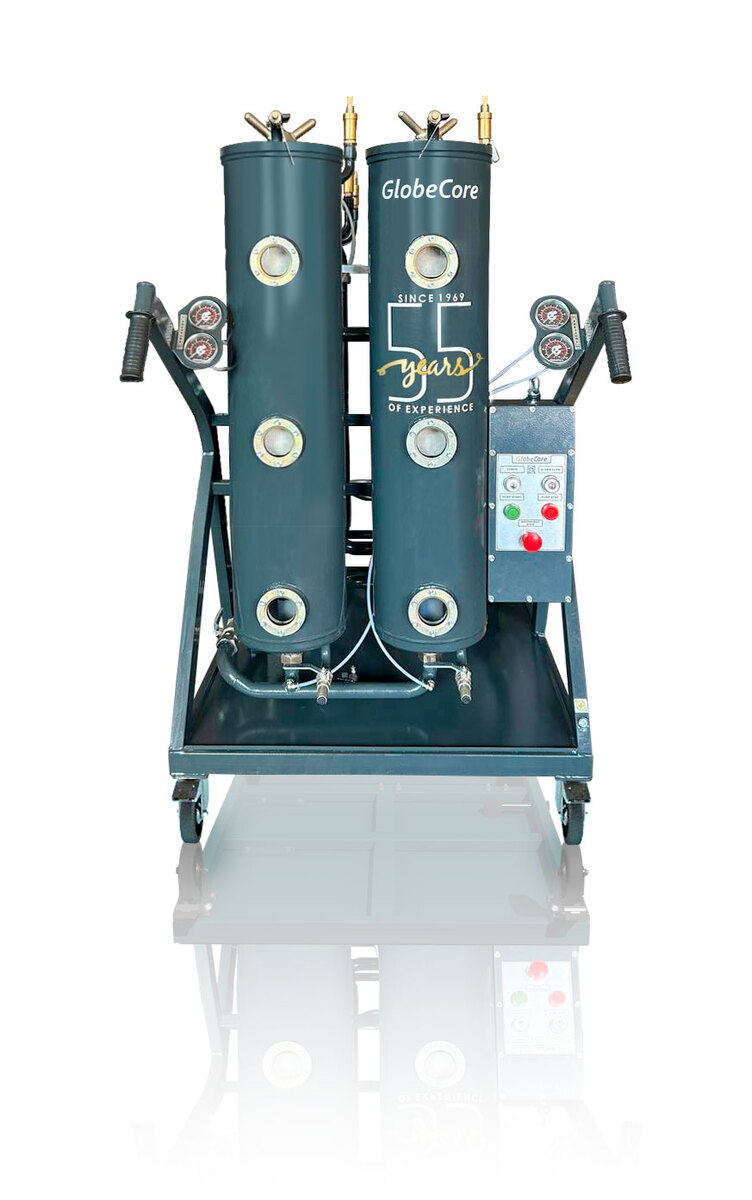
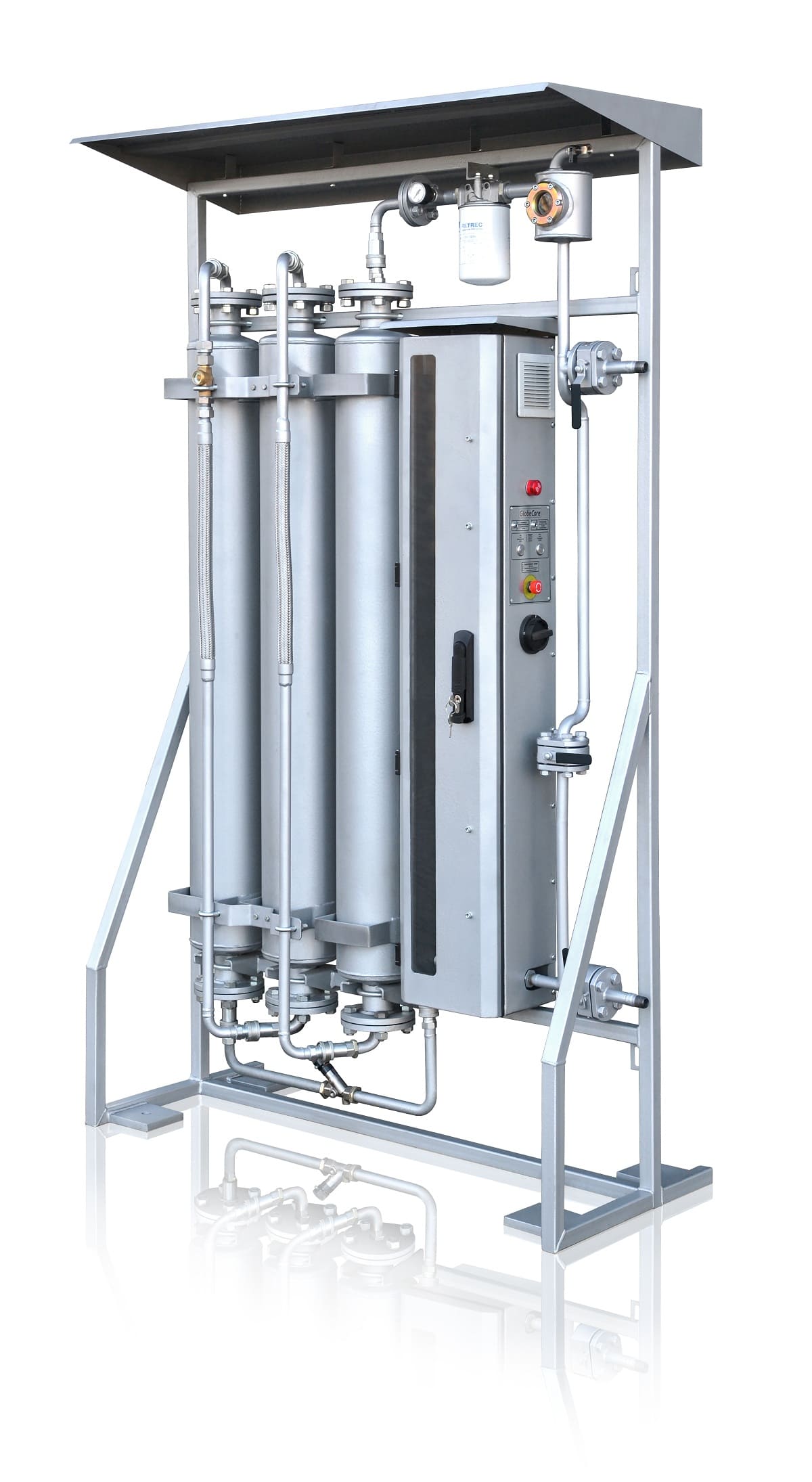
For cases where moisture content exceeds 100 ppm, zeolite cartridges (ZP-130, ZP-260) are often applied. They adsorb water through their microporous structure, allowing deep dewatering without heating. These cartridges are easily replaced and regenerated with a BRPS unit, making them convenient for mobile or emergency use.
When oil contamination is extreme, with water content reaching 50% or more due to flooding or improper storage, coalescence units of the CMM-CF type provide the best solution. Their working principle is based on coalescence: microscopic droplets of water merge into larger drops as oil passes through special filter elements, making separation possible even in cases of severe contamination. These systems are valuable in crisis situations, restoring oils that would otherwise need disposal, and are also compatible with diesel, kerosene, and transformer oils.
Water contamination significantly accelerates oil ageing and insulation degradation, directly threatening transformer lifespan. Advanced oil dewatering technologies, such as thermovacuum drying, zeolite adsorption, and coalescence, provide effective solutions for removing free, dissolved, and emulsified water.