

Bitumen Emulsion
What is a bitumen tank and how to choose the right one?
- This topic has 3 replies, 4 voices, and was last updated 2 weeks ago by .
Answers
-
September 9, 2025 at 2:08 pm by Jason Taylor
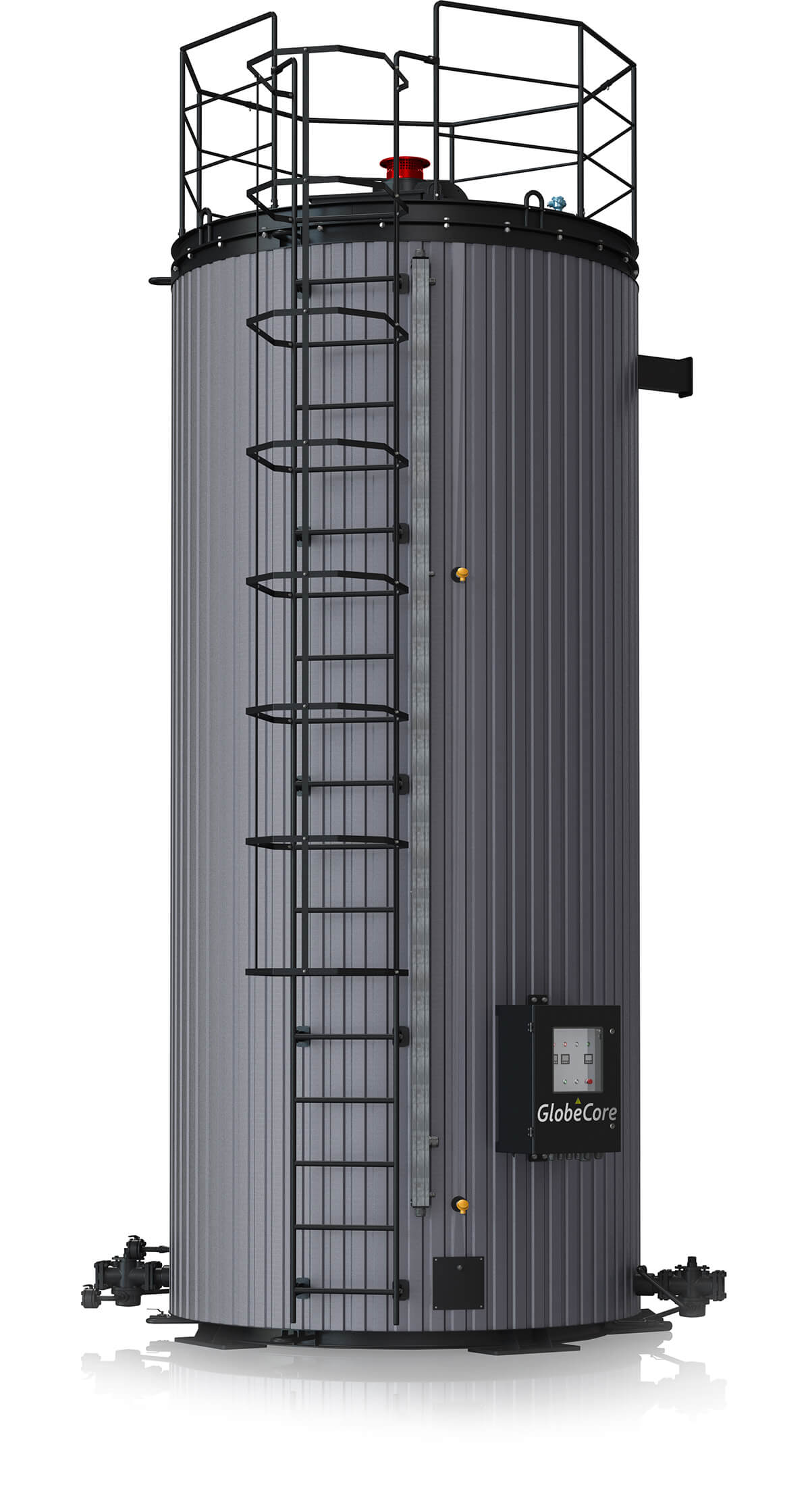
A bitumen tank is used for storing and heating bitumen before application or blending. When selecting a tank, consider storage volume, heating efficiency, mobility, and integration with your existing plant. GlobeCore’s tanks offer modular design, low energy consumption, and easy transport for mobile roadwork units.
-
July 13, 2026 at 2:00 pm by Craig Price
Selecting a bitumen tank also requires considering how effectively the stored material can maintain its properties between production and application. Temperature uniformity, prevention of local overheating, and reliable mixing are important factors that influence the quality of modified bitumen during storage.
For this reason, modern collection tanks are often equipped with heating circuits, insulation, temperature monitoring, and agitation systems to keep the bitumen homogeneous and ready for further use. The USB-4 modified bitumen collection tank is an example of a solution designed to support stable storage conditions and smooth integration with bitumen modification processes.Attachments:
-
July 13, 2026 at 2:15 pm by Megan Young
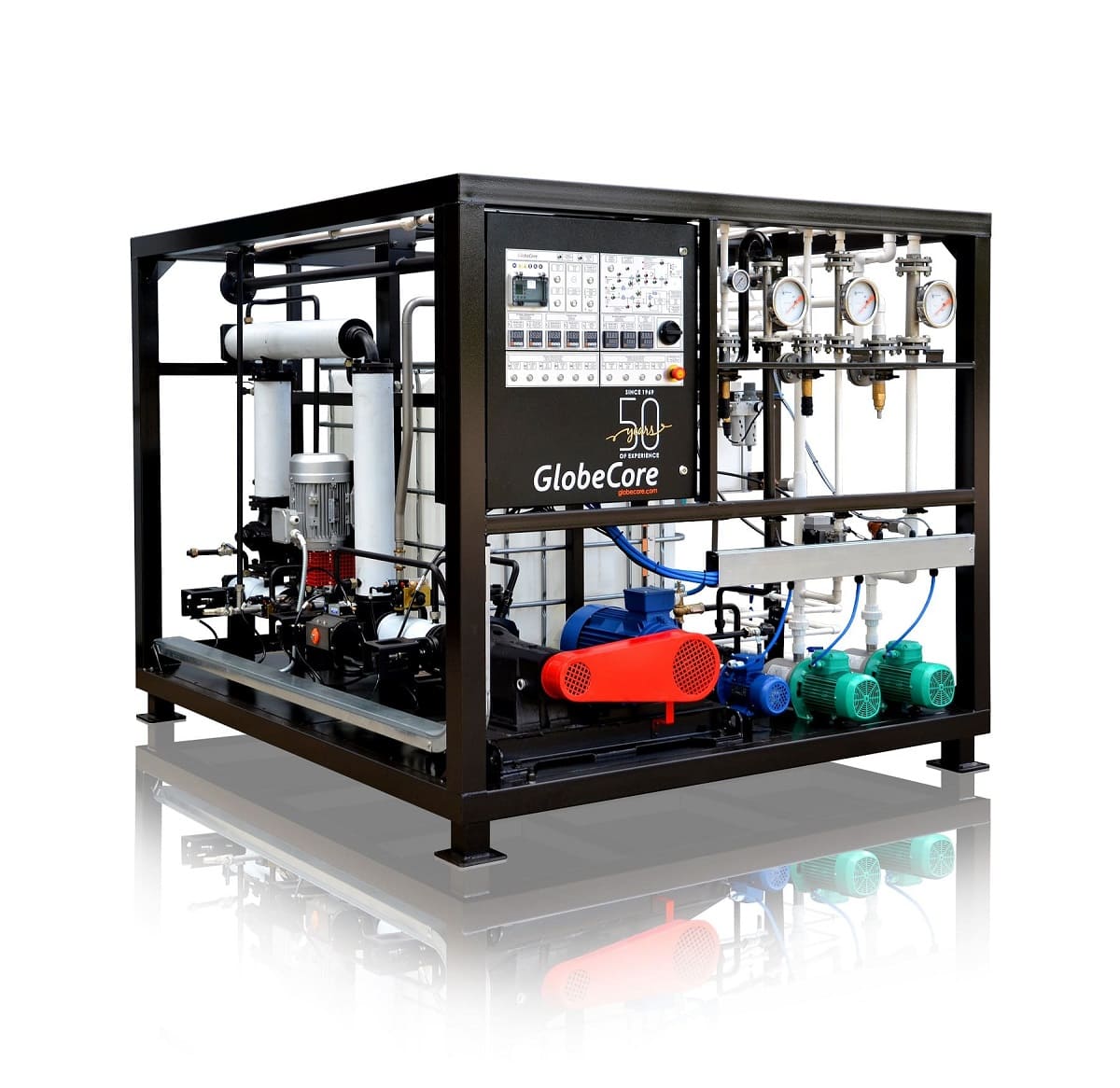
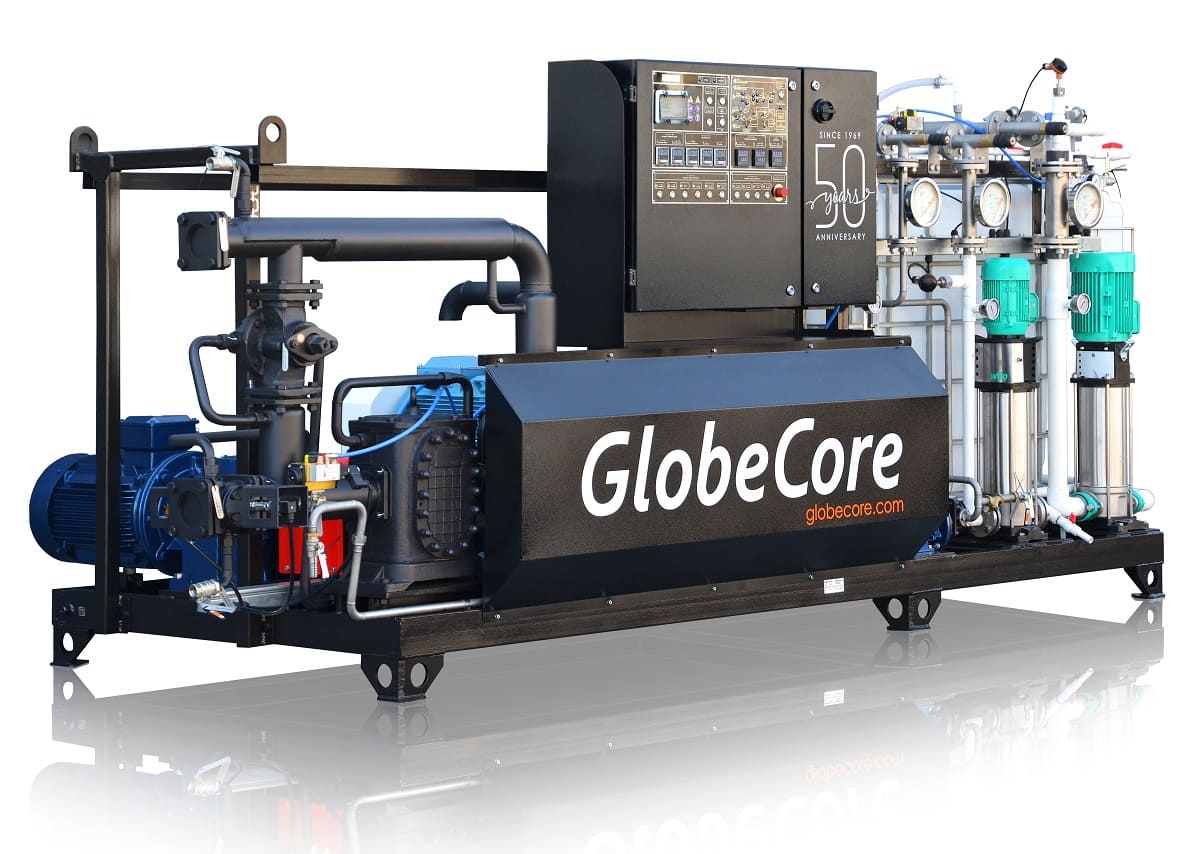
You’re right to focus on temperature uniformity and reliable mixing: effective bitumen storage needs an insulated heating circuit, active circulation and indirect heating to avoid local overheating, and continuous temperature and level monitoring so modified bitumen stays homogeneous and within safe limits. Systems that use a circulated heat carrier (warmed by a compact PPM heater) and an automatic agitator — for example a vane agitator in USB-4/15 or USB-4/30 style tanks — give stable temperature control, prevent crusting, and reduce thermal stress on the product compared with direct local heating.
When choosing a tank, size it to your production and application flow, prioritize vertical tanks for longer-term storage (they minimize evaporation and crust formation) and select units with good insulation, overflow and temperature sensors, and an accessible agitator for maintenance. Be aware vertical storage requires longer, more energy‑intensive heating to bring material up to working temperature, so confirm the heat‑carrier and control system can integrate with your plant or mobile PPM heater and provide the automated controls you need for consistent modified bitumen quality. If you’d like, upload SBM.jpg or a line diagram and I’ll point out specific features to check.