

Air drying
What is the correct transformer vacuum oil filling procedure?
- This topic has 3 replies, 4 voices, and was last updated 7 months, 3 weeks ago by .
Answers
-
September 9, 2025 at 9:03 pm by Plinio Arcos
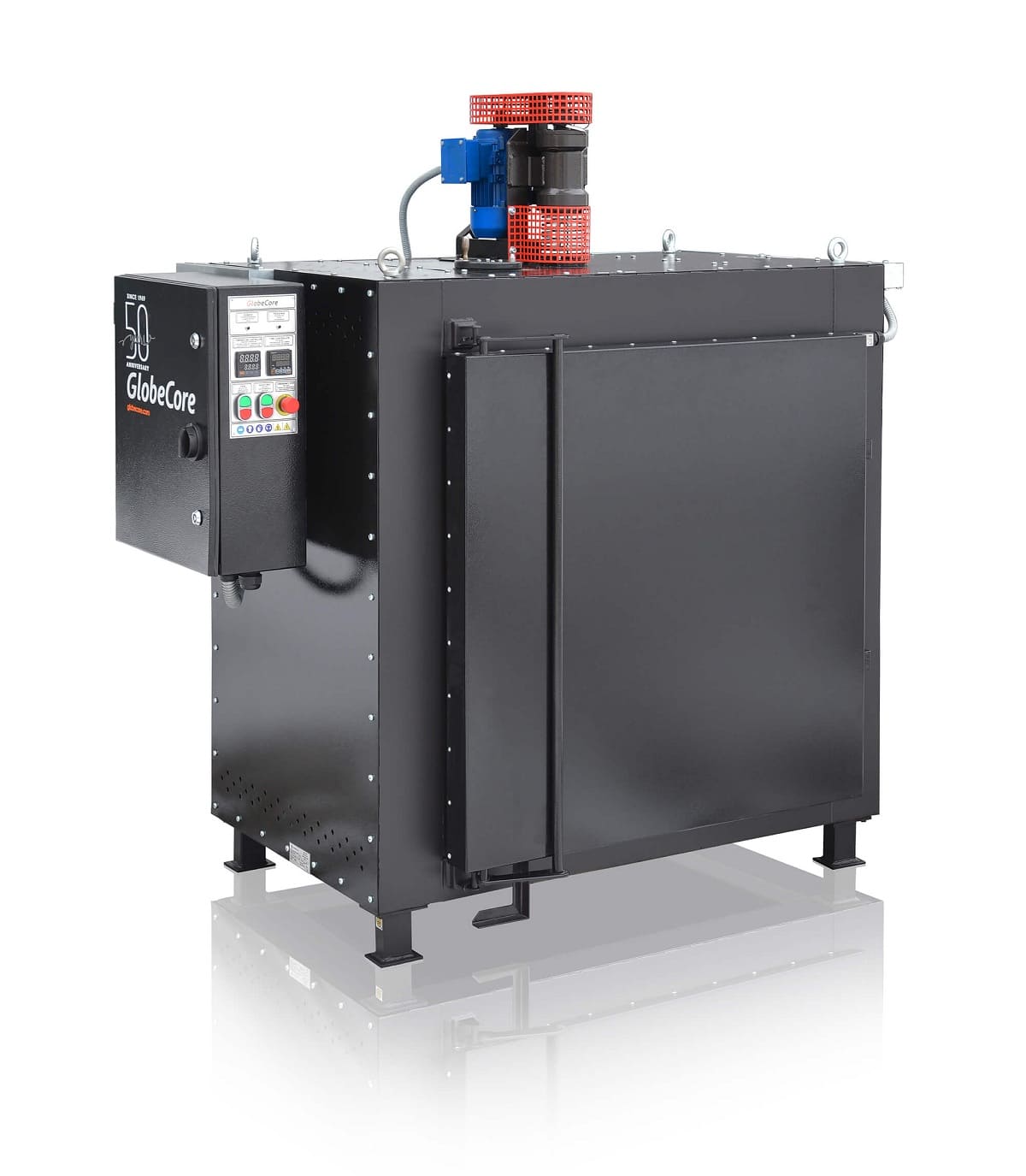
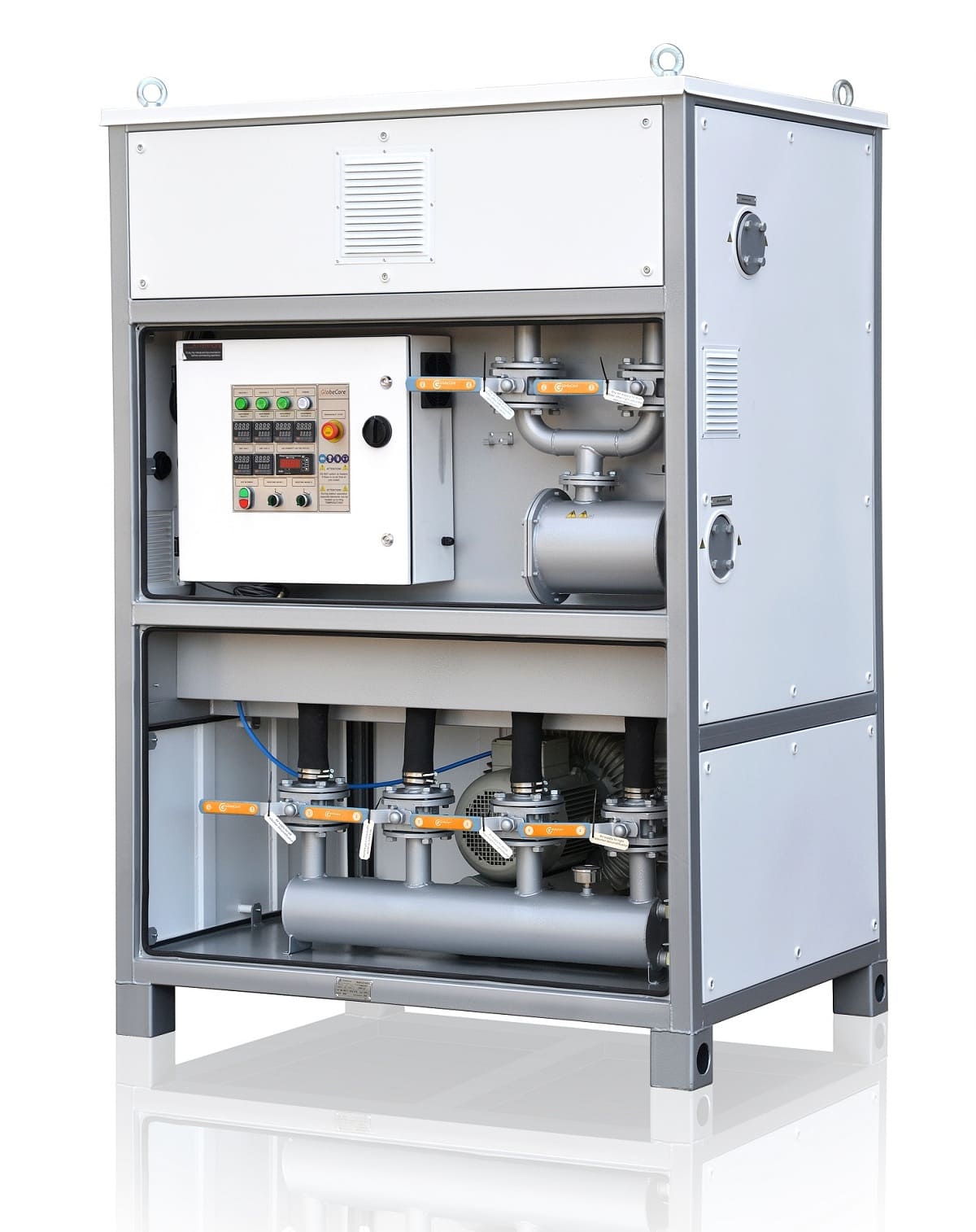
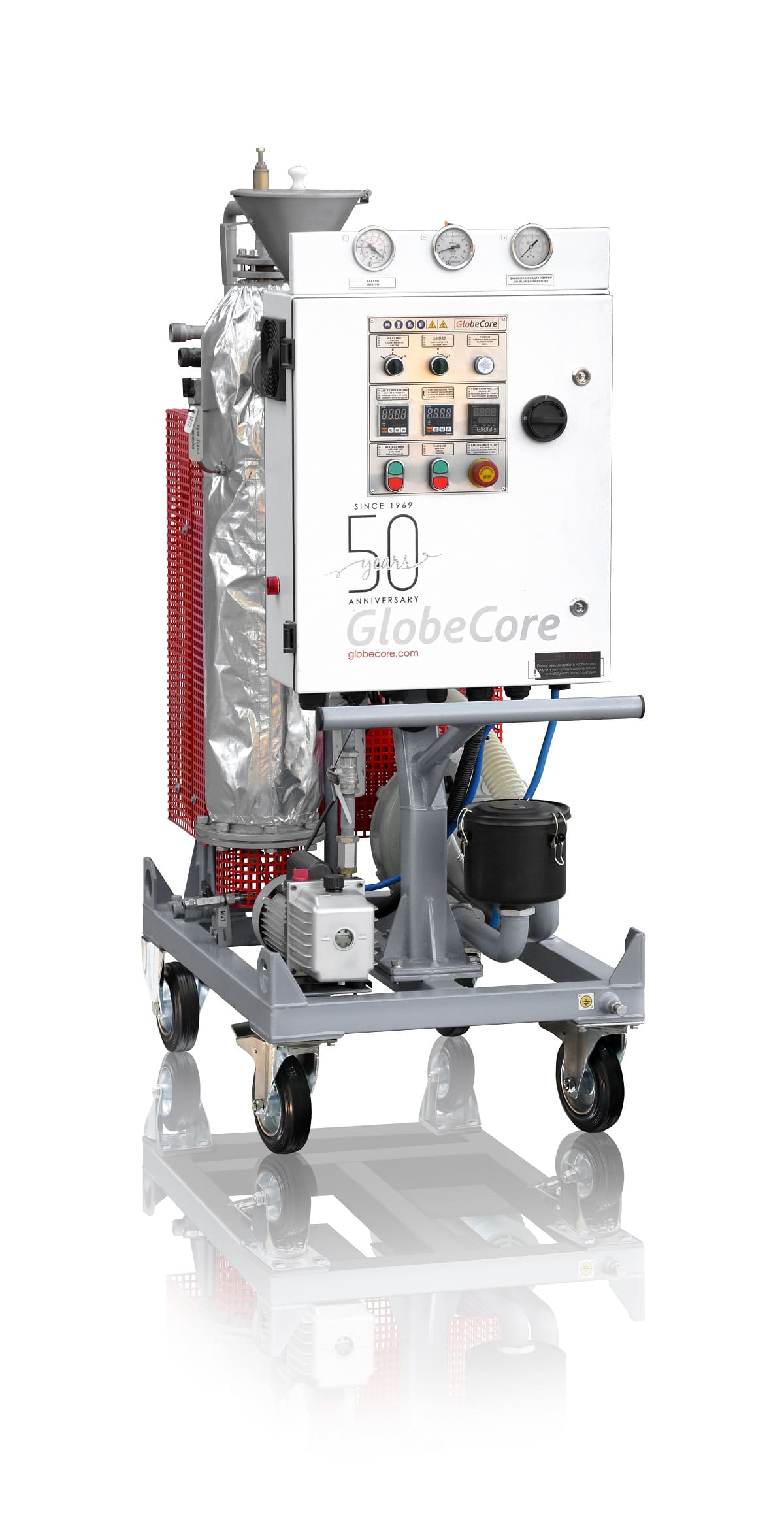
Oil is dehydrated and degassed, then filled under vacuum to prevent moisture absorption. GlobeCore equipment automates this procedure – ensuring the oil enters the transformer with <10 ppm moisture and no entrapped gases.
-
February 17, 2026 at 7:29 am by Craig Price
Beyond the basic steps of dehydration and vacuum filling, another important aspect of transformer oil processing involves managing the pressure differentials and the sealing integrity throughout the procedure. The mere removal of moisture and gas is not sufficient unless the system is kept in a controlled state from start to finish — even small pressure fluctuations in the filling process can draw air back into the insulation and bushings, negating the benefits of vacuum dehydration.
In practice, experienced technicians monitor the vacuum vessel, the transformer’s internal pressure, and the oil temperature simultaneously. This ensures that as oil flows into the transformer under vacuum, all the air paths are fully purged and replaced with properly conditioned fluid. Properly designed oil filters and valves also play a key role in preventing the ingress of contaminants during the filling procedure.
If you are curious how these procedural considerations are handled in real field operations and what features of modern equipment contribute to maintaining pressure and system cleanliness, especially around transformer bushings, it’s worth taking a look at this article: https://globecore.com/transformer-maintenance/oil-filling-in-high-voltage-transformer-bushings/. -
February 17, 2026 at 7:39 am by Robert Thomas
You’re right — dehydration and degassing only do their job if the whole fluid path stays in a controlled pressure state during transfer. Small pressure transients or a leaky connection will draw air back into bushings and paper insulation, undoing the benefits of vacuum processing. In the field, experienced crews therefore monitor the vacuum vessel, transformer internal pressure and oil temperature together and keep the transformer held at a slight vacuum while pumping degassed oil in. Filling should be slow and metered (piston or controlled pump action) so pressure changes are gradual; simultaneous level and vacuum gauges let you see any excursions immediately and stop the transfer before air ingress occurs.
Modern equipment and good practice also focus on sealing integrity and clean flow paths. Use vacuum-rated hoses and quick-connects, leak-tested fittings, non‑return/check valves, relief valves and vacuum transducers so the system can be isolated or pressure‑equalized safely. Inline fine filtration and moisture traps at vents prevent particulate or humid air from entering when you break connections, and holding the oil slightly warm lowers viscosity and helps trapped gas escape prior to transfer. Perform a vacuum decay/leak test on the transformer and filling lines before you start, maintain the vacuum pump or a controlled vacuum bleed during the entire fill, and only equalize pressure and disconnect after the lines and bushing are fully purged and stable. Following the manufacturer’s step sequence for degassing, controlled transfer and sealed connections (as found on modern mobile vacuum filling units) will give the most reliable, contamination‑free fills.