
 PT-PT
PT-PT
 FR
FR
 ES
ES
 DE
DE
 AR
AR
 PL
PL
 UA
UA
 ID
ID
 VN
VN
 IT
IT
 GE
GE
 UZ
UZ
 CN
CN
 KZ
KZ
 CZ
CZ


Air drying
What is a cold trap and how is it used in transformer maintenance?
- This topic has 3 replies, 4 voices, and was last updated 4 months ago by .
Answers
-
September 9, 2025 at 9:34 pm by Daniel Walker
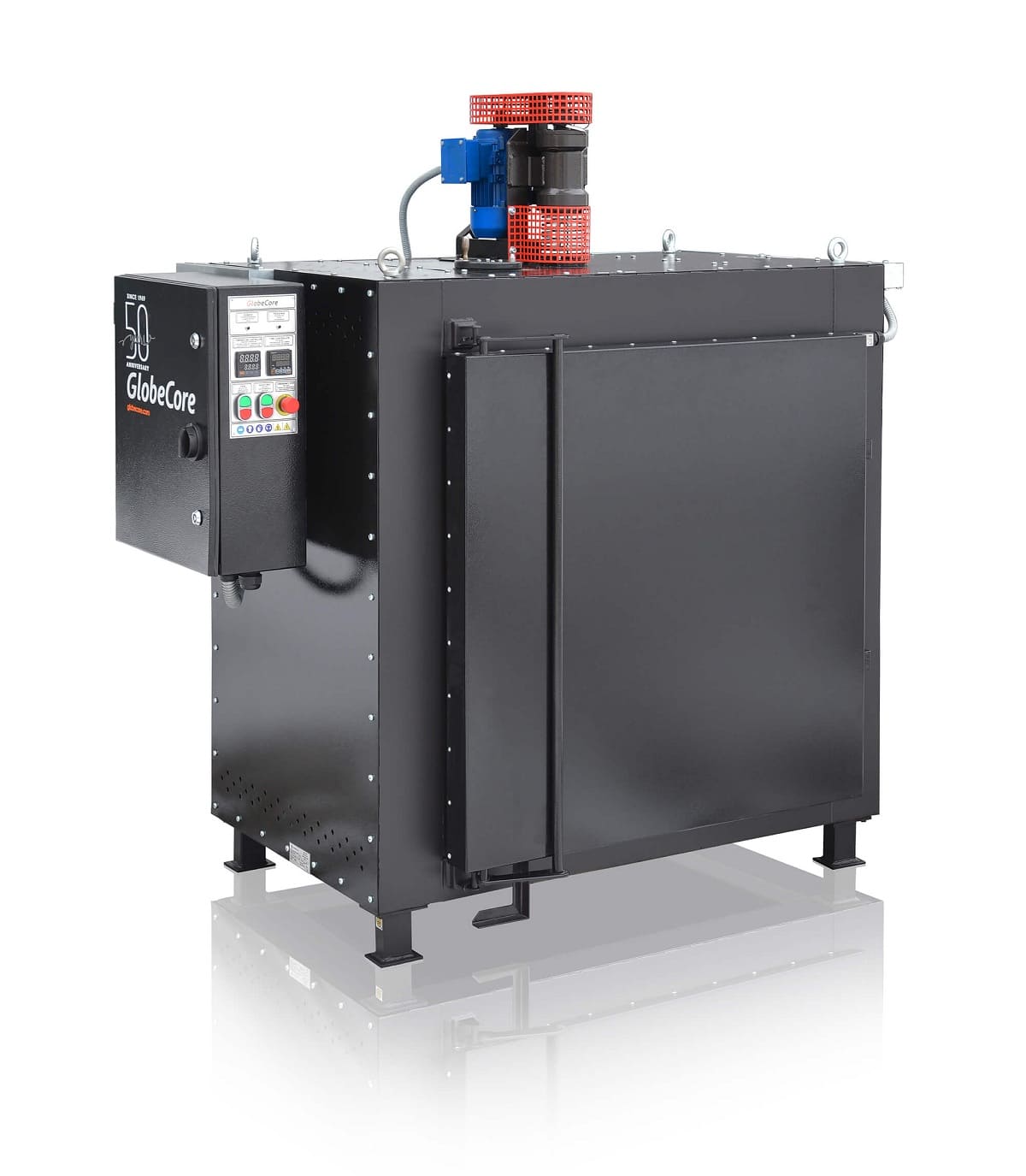
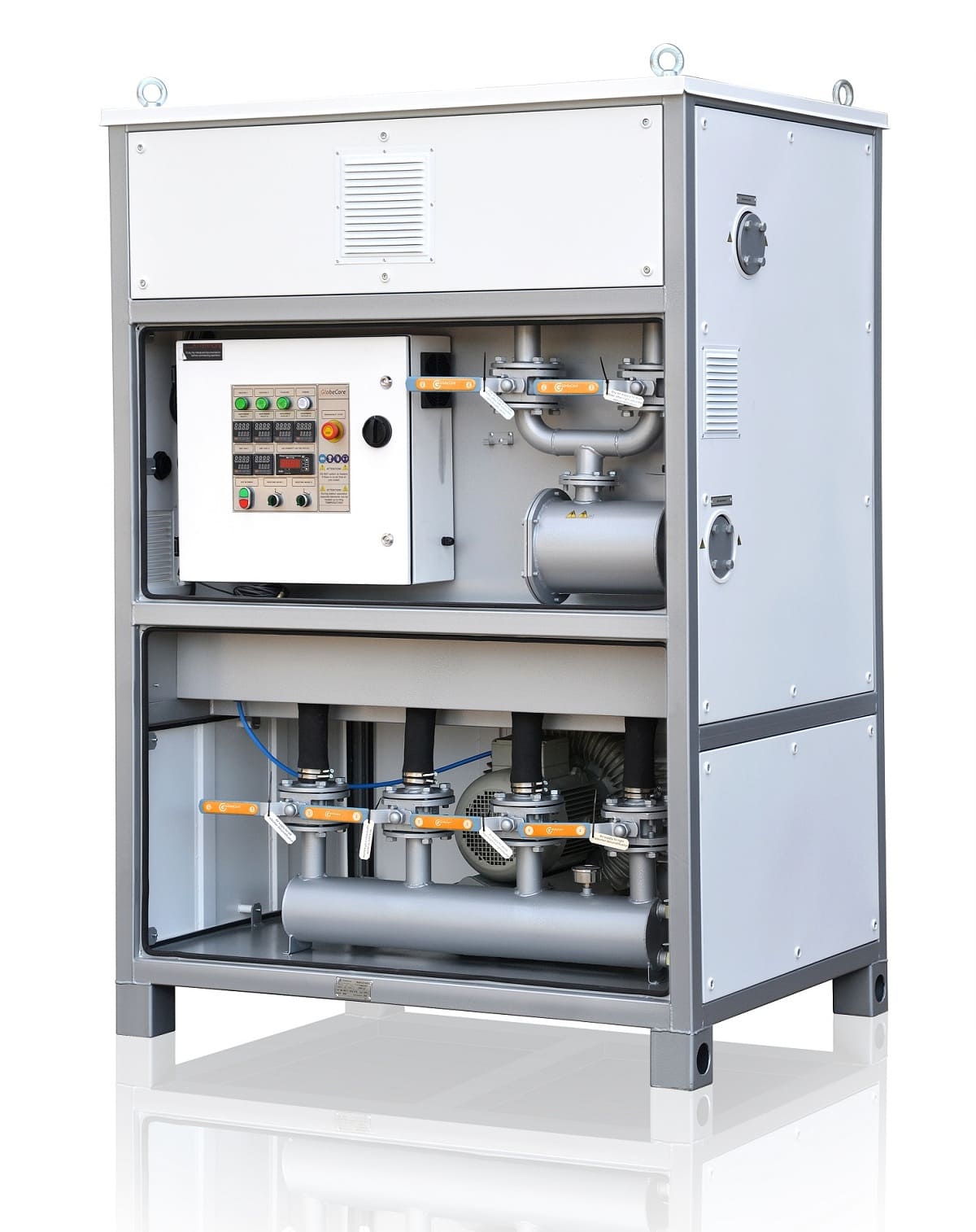
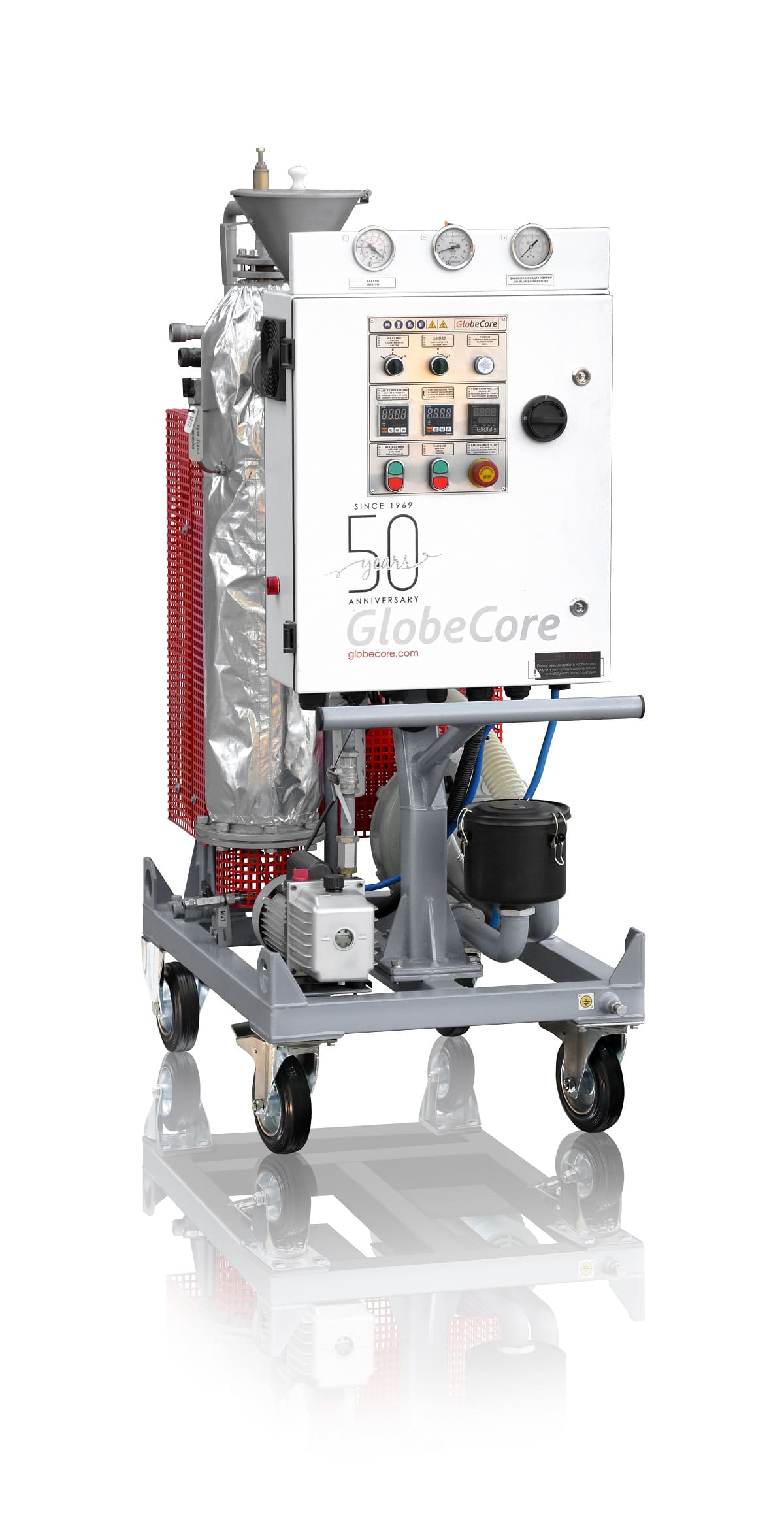
A cold trap condenses water vapor in vacuum drying setups. GlobeCore uses cold trap technology in its vacuum drying ovens to ensure complete moisture removal during transformer core and winding drying.
-
February 17, 2026 at 7:46 am by Craig Price
Beyond condensing water vapor, a cold trap plays a critical role in maintaining vacuum stability and system cleanliness during transformer maintenance. In vacuum drying operations, volatile contaminants, such as light hydrocarbons and decomposition byproducts, can also be present in the evaporated gases. Without an effective cold trap, these vapors could condense in unwanted areas of the vacuum system or even reenter the drying chamber, disrupting the efficiency of moisture removal.
In practice, the design and placement of a cold trap determine how effectively it captures not only water, but also other condensable substances that might adversely affect vacuum performance over long drying cycles. Proper insulation and refrigeration control ensure that the cold trap surface remains at a temperature low enough to maximize condensation without freezing the entire flow path.
For better insight into how low-temperature refrigeration systems, including cold traps, are engineered to enhance vacuum drying performance and protect your equipment, it’s worth reviewing this article:
https://globecore.com/transformer-maintenance/low-temperature-refrigeration-systems/. -
February 17, 2026 at 7:54 am by Haruto Tanaka
You’re right — a well-designed cold trap does far more than condense water: it stabilizes the vacuum, protects the vacuum pump and piping from condensable vapors (light hydrocarbons, PCB/decomposition by‑products), and prevents re‑evaporation that would slow drying or contaminate the transformer. For reliable vacuum drying the trap should be placed between the transformer and the vacuum pump, kept at a sufficiently low surface temperature to capture the full range of condensables, and equipped with controlled refrigeration and periodic defrosting/regeneration so the condensate doesn’t build up and block flow or freeze the line.
In practice that means using a cold trap rated to reach very low temperatures (typical design values are ≤ −70 °C with a large condensation surface), with adequate cold generation and surface area, a defrost system and condensate removal, and good thermal insulation so you condense vapors on the trap surface rather than downstream. Operationally, monitor vacuum gauges and perform leak tests (high‑integrity systems target very low residual pressures and low leakage rates), ensure the transformer can withstand the target residual pressure (many systems evacuate down to ≈26 Pa), and remove/clean collected condensate on a scheduled basis. If you’d like, I can pull together a concise spec sheet for a transformer vacuum cold trap (temperatures, condensation area, cold capacity, evacuation rates and limits) so you can compare options for maintenance planning.