Home
Products
Oil Regeneration
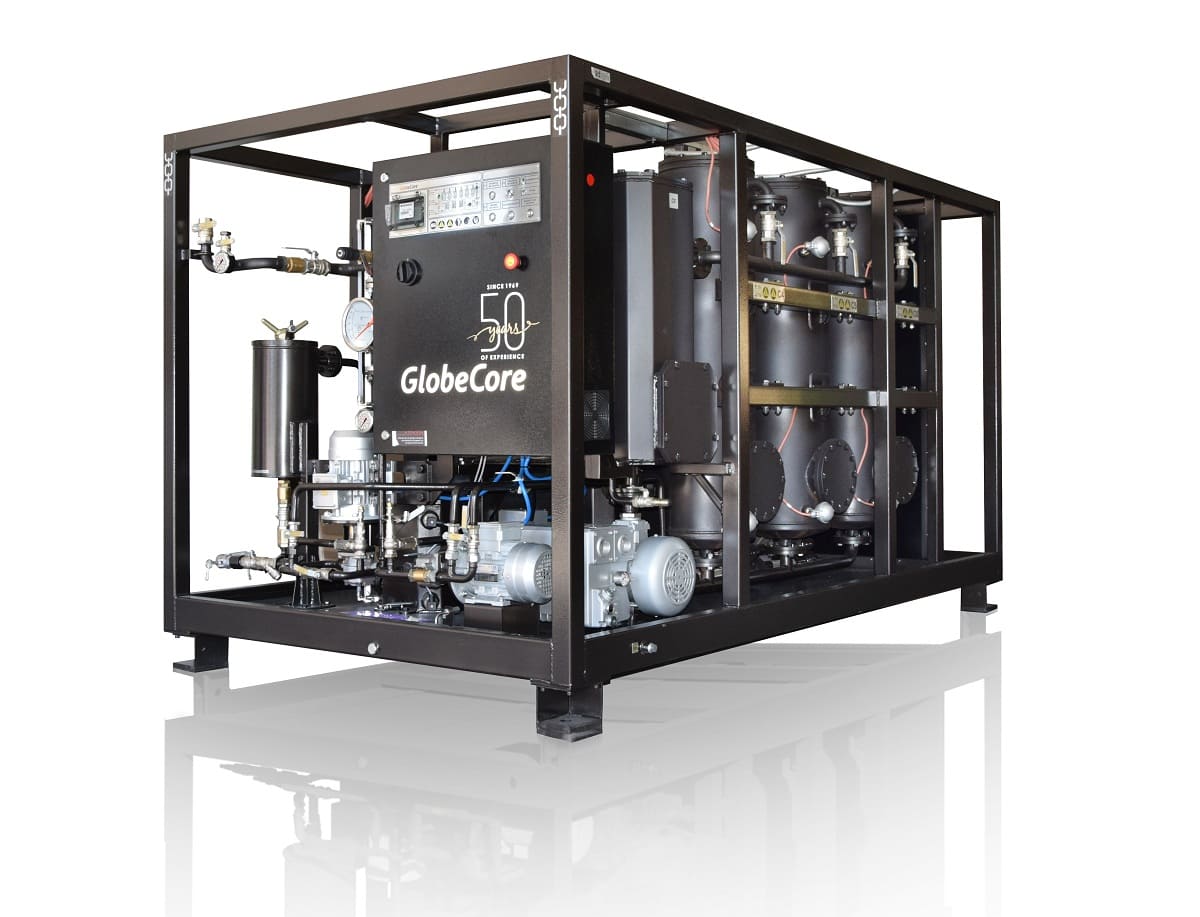
CMM-6RL Oil Regeneration Unit
CMM-10RL Transformer Oil Regeneration Plant
CMM-12R Oil Regeneration Systems
CMM-12R Oil Regeneration System (With Activated Bauxite)
CMM-8RSL/4000 Transformer Oil Regeneration Plant (With Fuller’s Earth)
USB-6 Oxidation Inhibitor injection unit
СММ-0,001U Laboratory Oil Filtration Unit
Oil Purification & Degassing Machines
CMM-0.6L Oil Degassing & Filtration Cart
СММur-1L mobile oil plant
CMM-1.0LT Transformer Oil Purification Unit
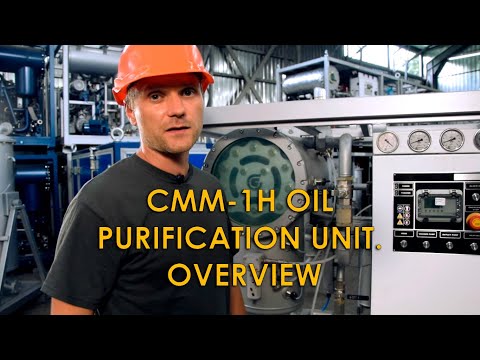
CMM-1H Oil Processing Unit
CMM-2.2LT Industrial Oil Purification Unit
CMM-4,0T Turbine oil filtration
CMM-4,0LT Transformer Oil Purification Unit
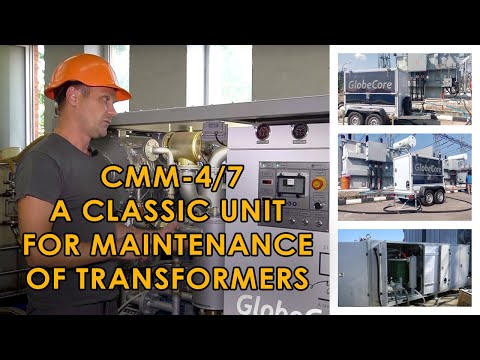
CMM-4/7 portable oil degassing unit
CMM-6LT Industrial Oil Purification Unit
CMM-6/7 Degassing Unit
CMM-8LT Oil Processing Unit
CMM-10 — Transformer Oil Purification Machine
CMM-15 Oil Degassing Plant
Oil Filtration Machines
CMM-1,0CF Unit for Removal of Water from Oil
CMM-2,0CF Unit for Removal of Water from Oil
CMM-1,2Fr Industrial oils filtration unit with self-cleaning filters
CMM-4,0F Oil filtration unit
Oil Drying Unit
ZP-130 Sorbent Cartridges
ZP-260 Sorbent Cartridges
Oil Heating
PPM Inline Oil Heater. Stream oil heating
Fuel Polishing
TOR-1 diesel fuel moisture content tester
CMM-6RL dark diesel fuel polishing machine
CMM-6RL dark heating fuel polishing machine
CMM-6RL low-viscosity marine fuel polishing machine
Online Transformer Dry-Out Systems
CMM-260C Online Transformer Dry-Out System
TOR-4 Online Transformer Dry-Out System
Online Transformer Monitoring Systems
TOR-5 Online Transformer Monitoring System
Transformer Maintenance
Mojave Heat (Sukhovey): Hot Air Dryer Unit
UVV Vacuum Cold Trap
US-6S Transformer Drying Oven
LFD Low Frequency Heating Device
BV-3000 Transformer Evacuation System
BV-5000 Transformer Evacuation System
UVD Vacuum Oil Filling Unit
UVD-1000 Oil Filling and Transportation System
TSS Transformer Safety System
CMM-6RL Oil Regeneration Unit
CMM-10RL Transformer Oil Regeneration Plant
CMM-12R Oil Regeneration Systems
Vacuum Transformer Drying Ovens
US-6S Transformer Drying Oven
Sorbent Processing
ZP-130 Sorbent Cartridges
ZP-260 Sorbent Cartridges
Instruments – Transformer Oil Testers
TOR-1 Oil Moisture Meter
TOR-2 Hydrogen and Moisture Analyzer for Transformer Oil Monitoring
TOR-3 (TOR-3 SL) Oil Tan Delta Tester
TOR-6 Transformer Oil Moisture and Particles Tester
TOR-7 Universal Transformer Oil Tester (moisture, gases, solid particles)
TOR-8 tester for residual gas content of insulating oil
TOR-60 (TOR-60 SL) Breakdown Voltage Tester
TOR-80 (TOR-80 LSL) Breakdown Voltage Tester
TOR-80A (TOR-80 ASL) Transformer Oils Breakdown Voltage Tester with Battery
TOR-100 (TOR-100 SL) Breakdown Voltage Tester
Wind Turbine Service
CMM-G wind turbine gearbox oil changer (with dimensions adapted to the customer’s trailer ones)
CMM-G Wind Turbine Gearbox Oil Changer
CMM-GL Wind Turbine Gearbox Oil Changer
CMM-0.6L Oil Degassing & Filtration Cart
CMM-4,0T Turbine oil filtration
Medical Equipment Maintenance
CMM-0.6 X-ray Transformer Oil Purifier
AVSk-150 Hospital Wastewater Treatment Complex
Blending systems
USBL-1 Laboratory Blending System
USB-1 Fuel oil blending system
USB-5 high-speed mixing unit for production of sanitizers (0.15 – 0.3 m³/h)
USB-5 high-speed mixing unit for production of sanitizers (1.1 m3/cycle)
USB-6 Impeller Stirrer
Colloid Mill
Vortex Layer Devices
Colloid Mill
Colloid mills for food industry
CLM-100.3 Colloid mill
Colloid mills for bitumen emulsion production
CLM-0.25.1 Laboratory colloid mill
CLM-2/4 Colloid mill
CLM-16/25 Colloid mill
Colloid mills for bitumen modification
CLM-8/16 Colloid mill
CLM-10/20 Colloid mill
CLM-40.2 Colloid Mill
Colloid mills for different applications
CLM-100.2 Colloid Mill
CLM-200.2 Colloid Mill
Vortex Layer Devices
AVS-100 Mixing Machine. Vortex Layer Device
AVS-150 Chemical Mixing Machine
AVSp-100 Vortex Layer Device (Semi-Automated)
AVSp-150 vortex layer device (semi-automated)
AVSk-150 Wastewater Treatment Complex
Bitumen emulsion plant, Bitumen Emulsion Production
CLM-0.25.1 Laboratory colloid mill
USB-2 Bitumen emulsion unit 2 m3/hour production capacity
USB-2 Bitumen emulsion plant 8 m3/hour production capacity
FB Bitumen filter
USB-6 Impeller Stirrer
Bitumen Modification Plant. Modified Bitumen Production
USB-3 Bitumen modification laboratory system
USB-3 Continuous Bitumen Modification Unit (12 m3/hour)
USB-3 Bitumen modification unit 16 m3/hour production capacity
USB-4 Modified bitumen collection tank (USB-3)
USB-6 Impeller Stirrer
Laboratory system for Bitumen Emulsion Samples
CLM-0.25.1 Laboratory colloid mill
CLM-100.1 Bitumen Emulsion Laboratory System
USB-3 Bitumen modification laboratory system
Biodiesel Equipment
USB-1L Biodiesel laboratory equipment
USB-1 Biodiesel equipment
Filters
The filter GC Fine with a filtration factor β = 4000
Vacuum Pumps
GC Roots Vacuum Pumps
مضخات التفريغ GC Vane (مضخات دعم)
Custom Equipment
CMM-4R TRANSFORMER OIL REGENERATION MACHINE
CMM-1 MOBILE OIL PLANT
CMM-2.2 MOBILE OIL PLANT
CMM-4 MOBILE UNIT FOR POWERED TRANSFORMER OIL PROCESSING
CMM-12A DEGASSING UNIT
CMM-1CO CABLE OIL DEGASSING UNIT
CMM-5M INDUSTRIAL OIL PURIFICATION MACHINE
CMM-8RP Sorbent Reactivation Unit
BDK-3 CATALYTIC CONVERTER
CMM-600CF TRANSFORMER OIL FILTRATION AND REFILLING MACHINE
SN-1 PUMP ASSEMBLY
SBE-30 BITUMEN EMULSION COLLECTION TANK (UVB-1)
UVB-1 BITUMEN EMULSION UNIT 1 M3/HOUR PRODUCTION CAPACITY
UVB-1 EXTENSION 1 M3/HOUR PRODUCTION CAPACITY
INDUSTRIAL MIXER – COLLOID MILLS CLM-4 SMALL
BIG COLLOIDAL MILL CLM-18 GRINDING MACHINE
INDUSTRIAL MILL – GIANT COLLOIDAL MILL CLM-22
CMM-0.6 Clean Marine Oil Degassing Cart
Compressed Air Supply Unit UOV
Accessories & Components
Dealers
Tech School
Webinar Registration
News & Articles
History
Reviews
AskMe
Contacts
EN
▼
PT-PT
FR
ES
DE
AR
PL
UA
ID
VN
IT
GE
UZ
CN
KZ
CZ
NL
TR
JP
CZ
DK
FI
GR
IL
IN
HU
KR
NO
RO
SK
SI
SE
TH
BG
HR
EE
LT
LV
MY
IR
Smart search
GlobeCore
GlobeCore Oil Purification, Filtration, Degassing, Regeneration & Testing Equipment
Transformer Oil Purifier
Cap: 6 m³/h | Degassing | Vacuum drying | 5 µm filtration
More
Get a Quote With 5% Off
Oil Degassing & Filtration Cart
Cap: 0.6 m³/h | Degassing | Filtration | In stock
More
Get Special Price
Transformer Oil Regeneration
Cap: 4 m³/h | Regeneration | Degassing | Sorbent Reactivation
More
Advanced Food Processing with Colloid Mills: Technology and Benefits
Next Webinar
Registration link
Products
☰
Filter Products
Load More
Oil Regeneration
Oil Purification & Degassing Machines
Oil Filtration Machines
Oil Drying Unit
Oil Heating
Fuel Polishing
Load More
Product Filters
0 active
×
Category
-
Accessories
Application
Bitumen Production
Fuel Processing
Milling
Mixing & Blending
Oil Processing
Oil Testing
Renewables & Biofuels
Știri
Transformer Maintenance
Various
Application
-
Cable oil
Chemical industry
Compressor oil
Construction industry
Cosmetics industry
Diesel fuel
Distribution transformers
Food industry
FR3 dielectric fluid
Furnace fuel
Fyrquel fire resistant fluid
Hydraulic oil
Industrial oil
Midel 7131 dielectric fluid
Petroleum industry
Pharmaceutical industry
Shell Diala Oil
Silicone oil
Sorbent
Special-purpose transformers
Step-down transformers
Step-up transformers
Transformer oil
Transmission oil
Turbine oil
Wastewater treatment
Process Type
-
Activation
Blending
Breakdown Voltage Test
Changing
Degassing
Drying
Filling
Filtration & Purification
Heating
Hydrogen Test
Milling
Mixing
Moisture Test
Monitoring
Particle Сleanliness Сlass Test
Permittivity Test
Regeneration
Residual Gas Test
Safety
Specific Resistivity Test
Tan Delta Test
Active Filters
Reset
Apply Filters
WATCH ON YOUTUBE
×
Leave your request