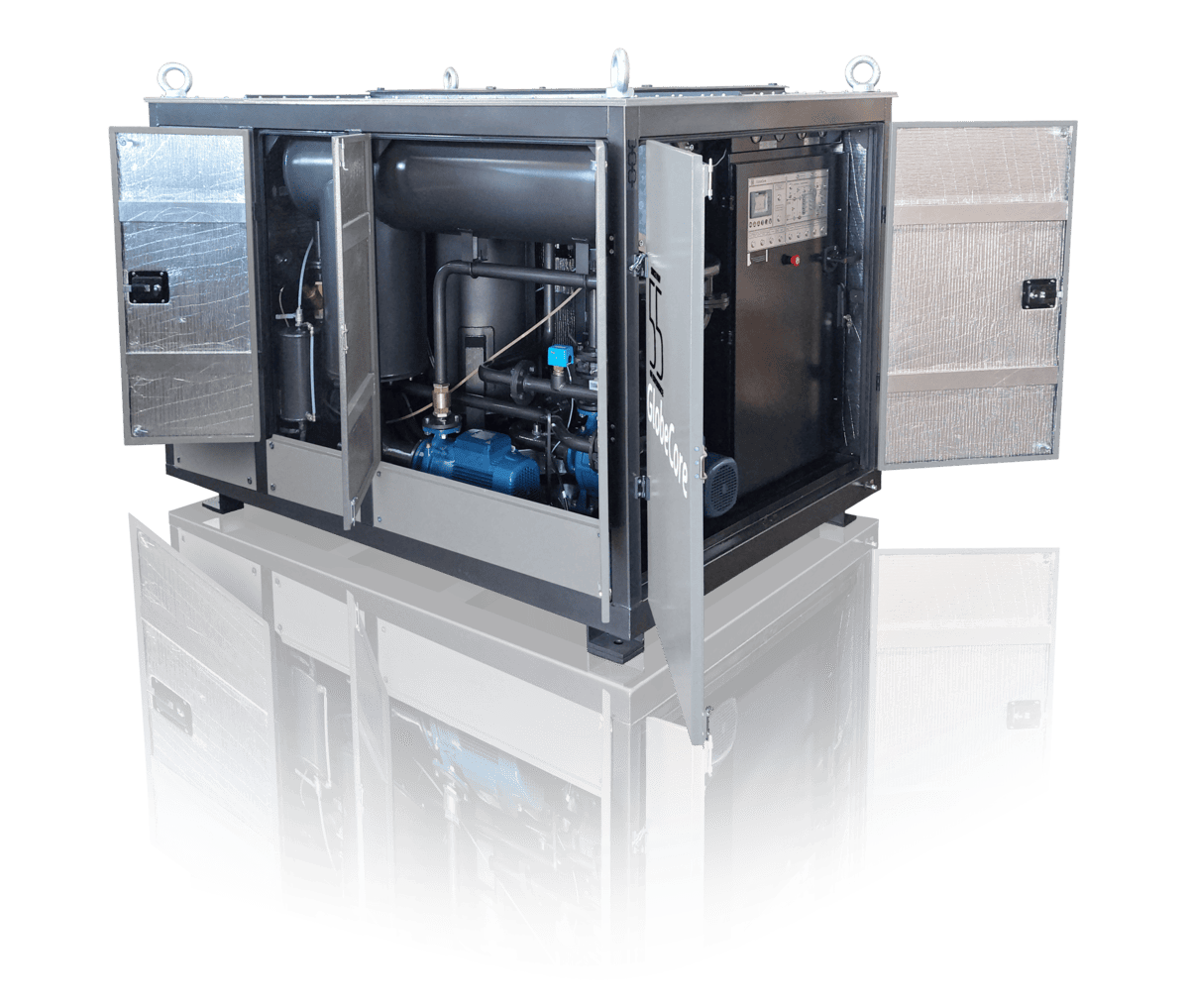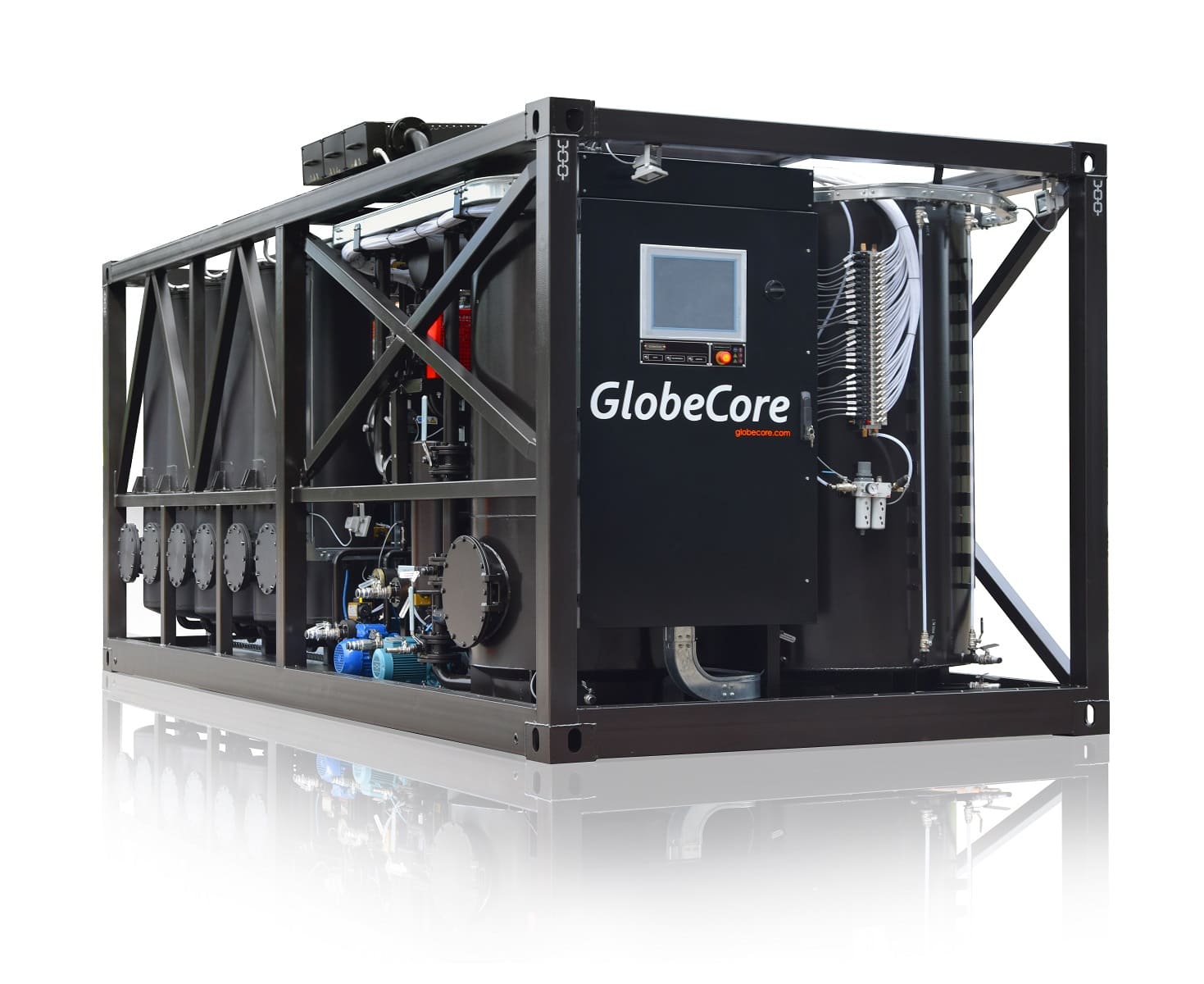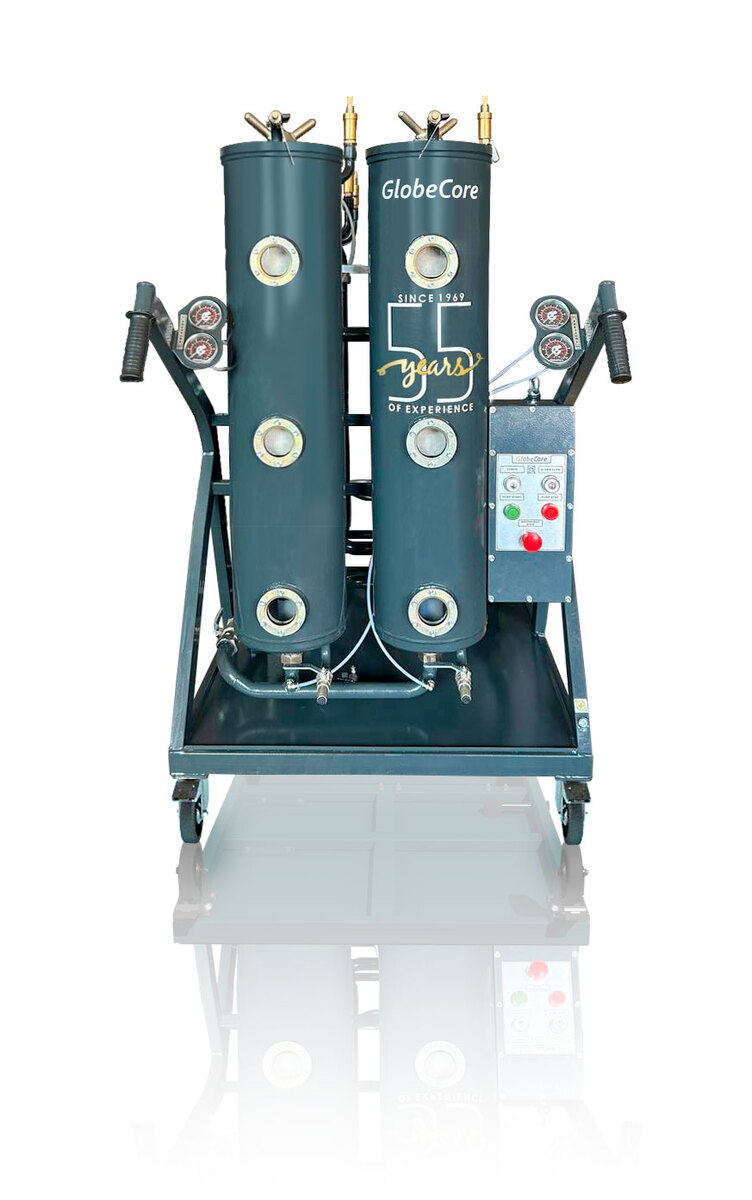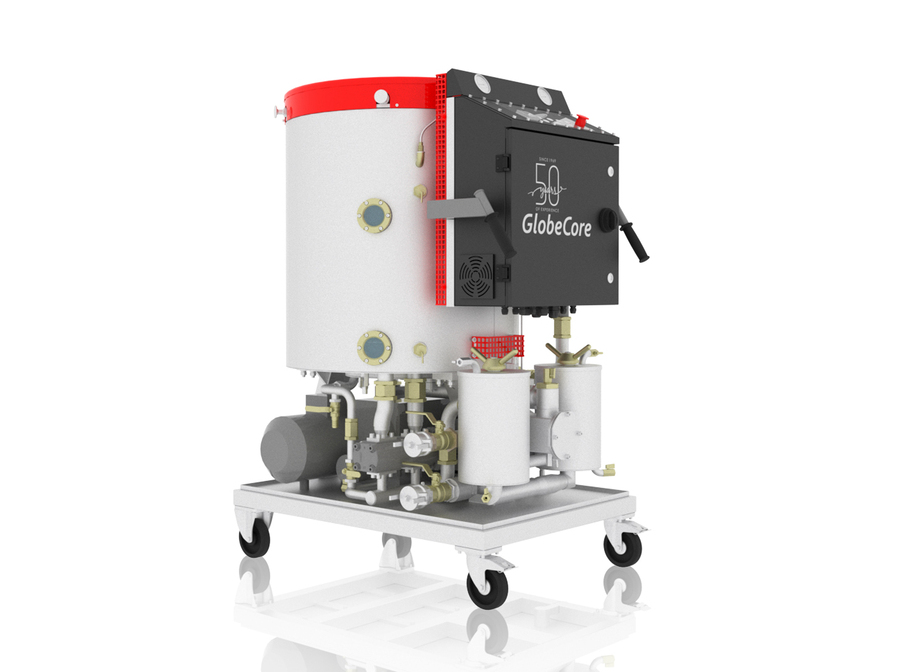
When circuit breakers, instrument transformers, capacitors, and bushings start acting up, the culprit is often hiding in plain sight – the oil itself. Insulating oil purification is the process that brings contaminated, moisture-laden, gas-saturated oil back to spec, restoring the dielectric strength that keeps high-voltage equipment safe and reliable. For utilities and industrial plants alike, skipping this step isn’t an option – it’s a fast track to premature failure and unplanned outages.
Why Insulating Oil Breaks Down
Insulating oil in switchgear and capacitors doesn’t just sit there quietly. It’s constantly exposed to heat cycles, electrical stress, and atmospheric moisture that sneaks in through seals and breathers. Over time, this leads to three main problems: water absorption, gas saturation, and particulate contamination. Any one of these can tank the oil’s dielectric strength, and together they create a real risk of flashover, partial discharge, or outright insulation failure. That’s exactly why Insulating оil рurification has become a routine part of preventive maintenance rather than an emergency fix.
The Processes Behind Insulating Oil Purification
Dehydration targets dissolved and free water – even trace amounts of moisture dramatically reduce breakdown voltage. Vacuum dehydration pulls water out at the molecular level, something simple filtration can never achieve on its own.
Degassing removes dissolved gases – air, in particular – that get whipped into the oil during switching operations or handling. A fully air-saturated oil (10-12% gas by volume) is far more prone to arcing under load. High-vacuum treatment strips that gas content down to a fraction of a percent, restoring the oil’s ability to suppress arcing and dissipate heat properly.
Filtration clears out solid particles – carbon, dust, wear debris – that accumulate from mechanical operation and oxidation. Fine filtration, sometimes down to sub-micron levels, is critical in capacitors and bushings where even tiny particles can trigger localized field stress and partial discharge.
Together, these three processes make up the backbone of insulating oil purification, and they’re most effective when performed in sequence within a single processing pass rather than as isolated treatments.
Equipment-Specific Considerations
Circuit breakers rely on clean, gas-free oil for reliable arc quenching, so degassing is non-negotiable here. Instrument transformers need extremely low moisture levels to maintain measurement accuracy and insulation integrity over decades of service. Capacitors and bushings are especially sensitive to particulate contamination, since their compact geometry leaves little margin for error – a single conductive particle can initiate breakdown. This is why a one-size-fits-all approach rarely works, and purification systems need to be tuned to the specific demands of each asset type.
How Modern Systems Handle Insulating Oil Purification
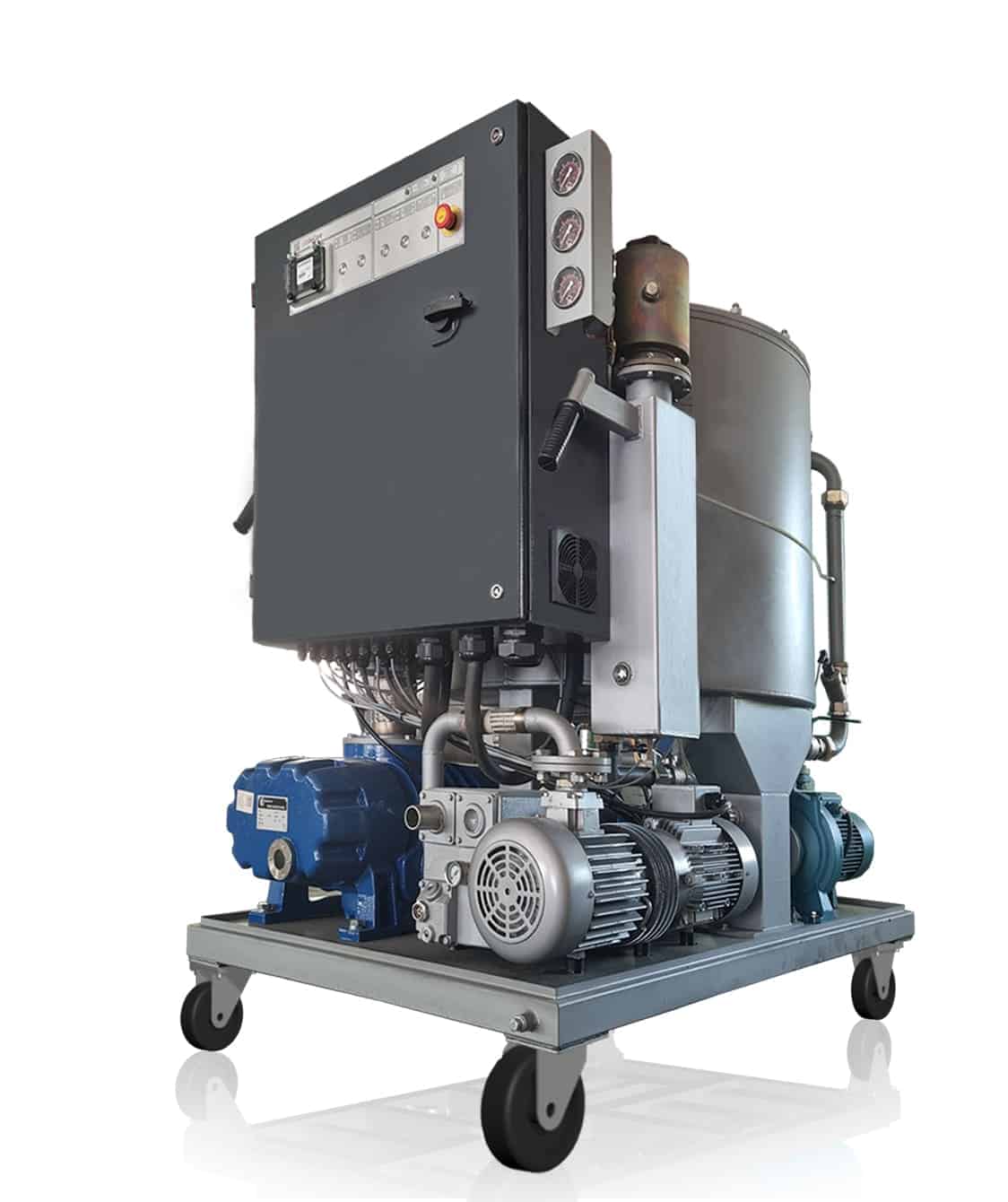
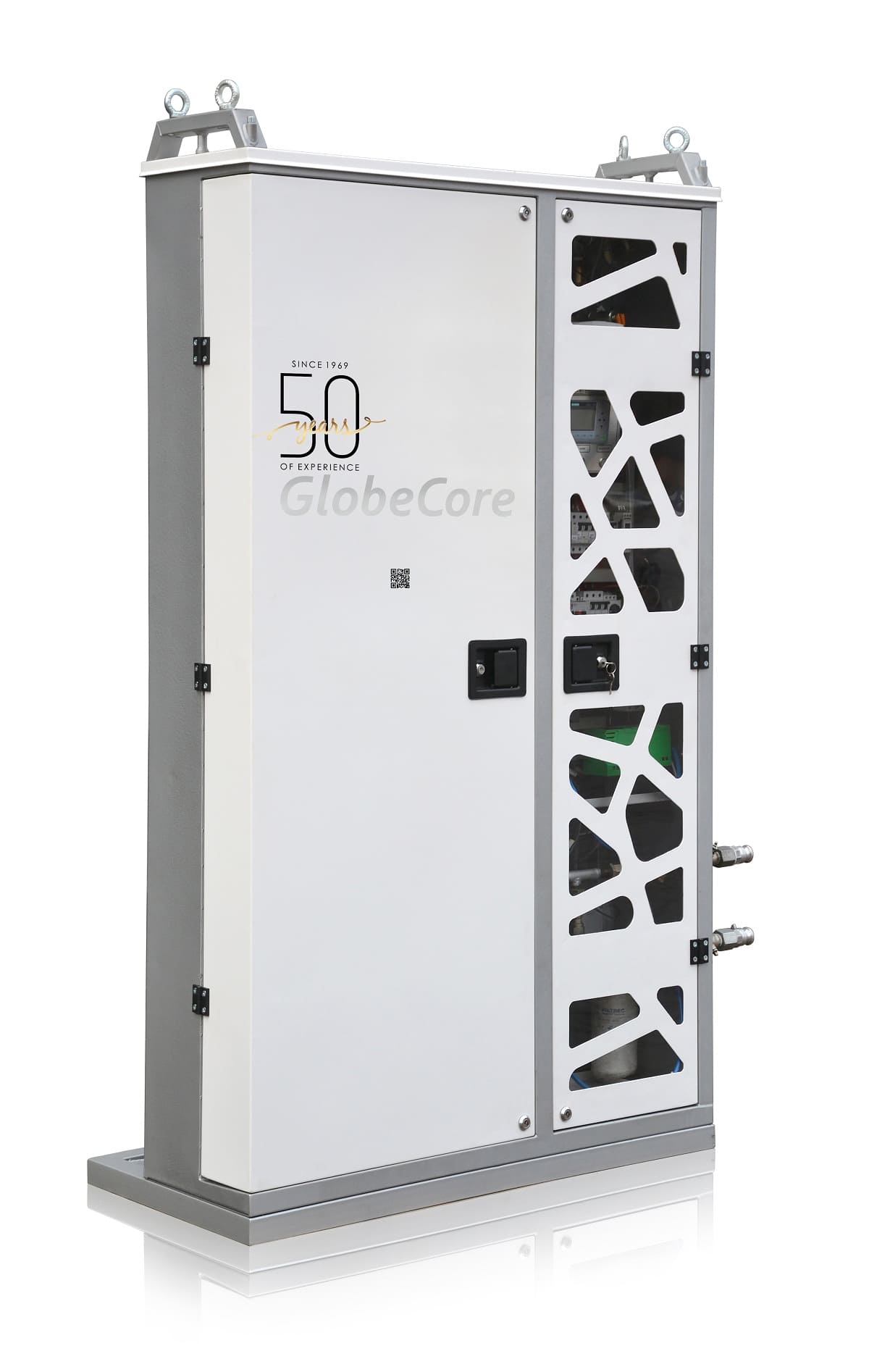
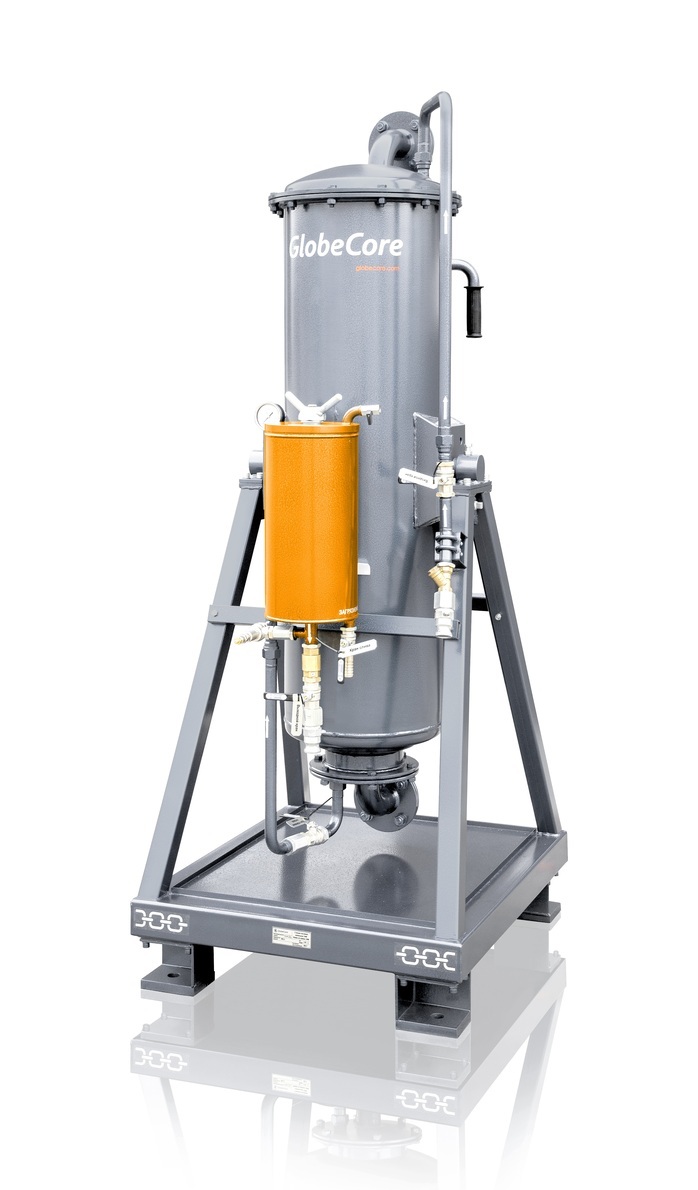
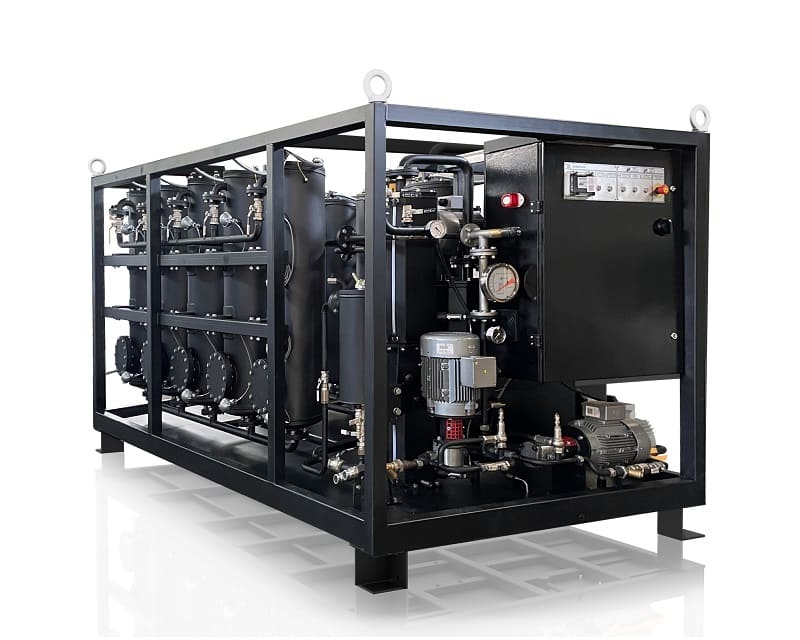
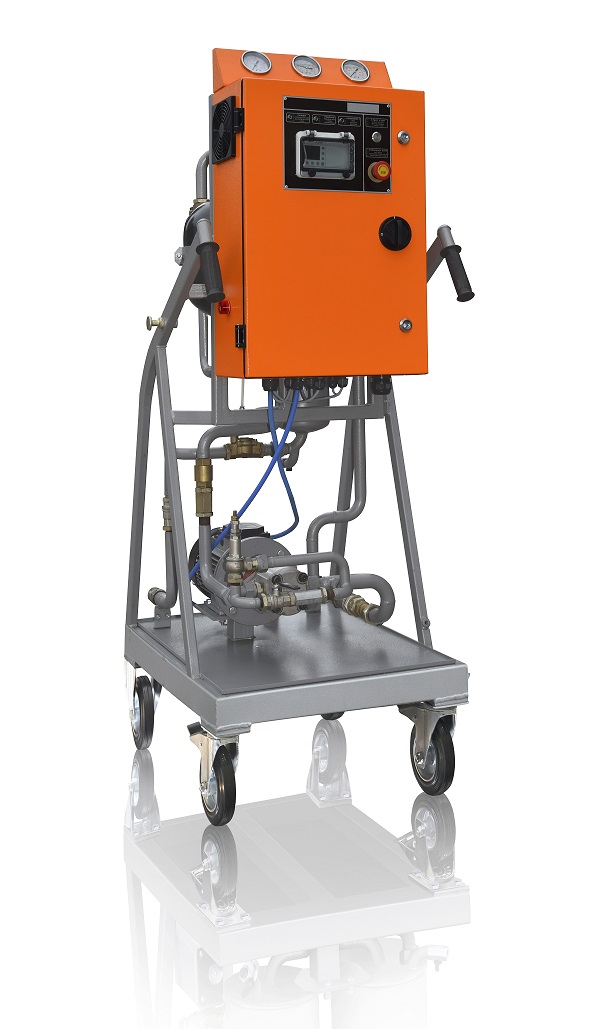
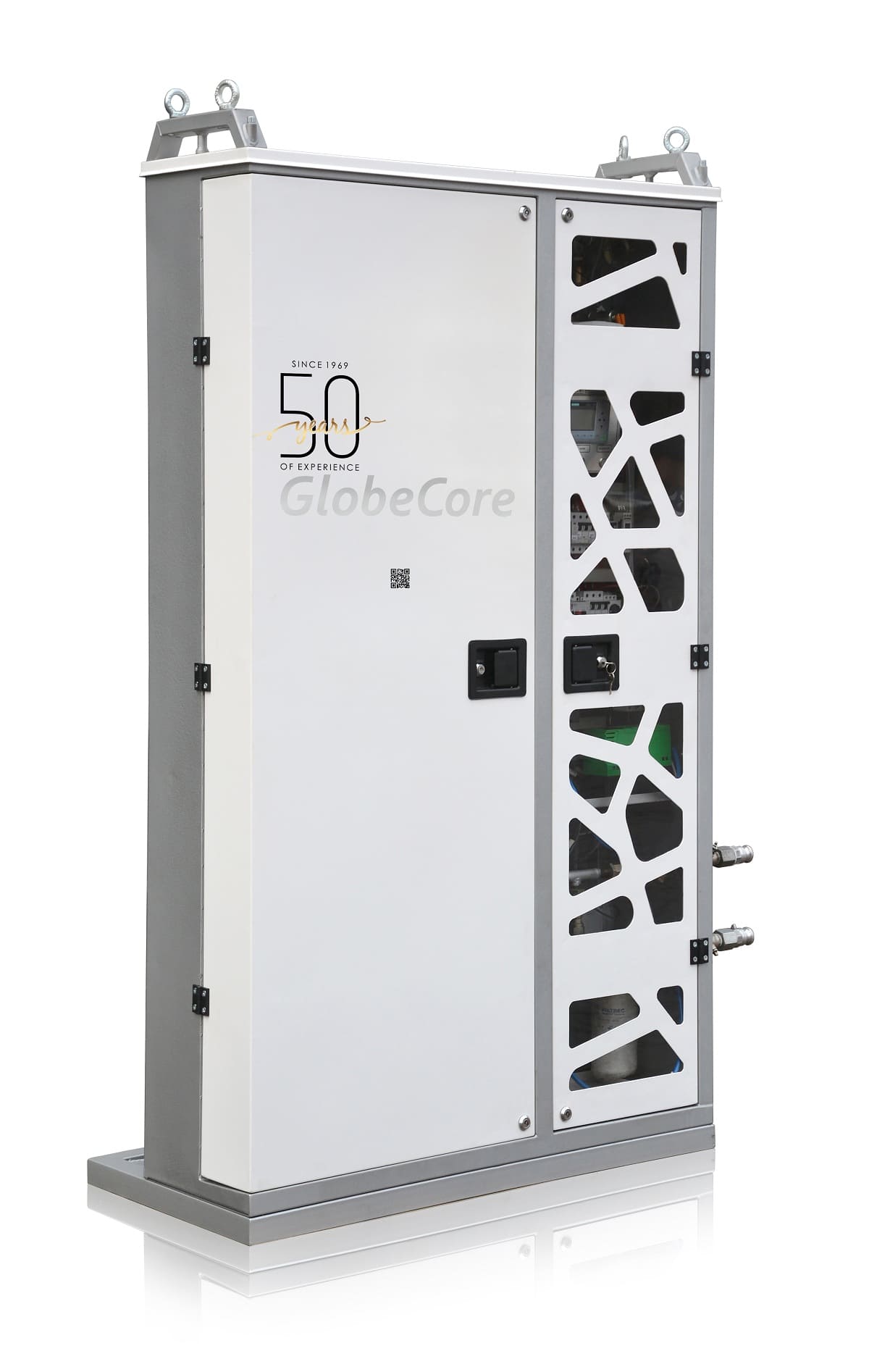
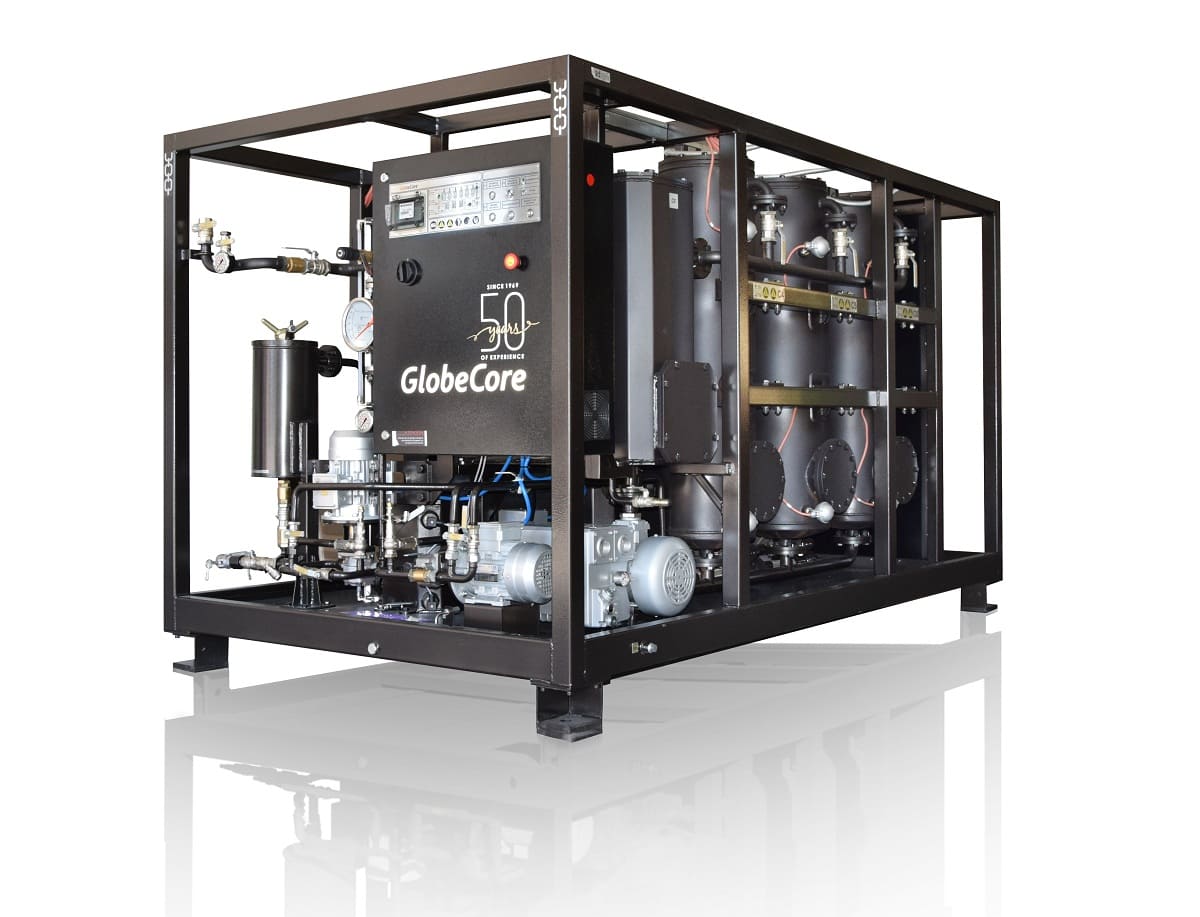
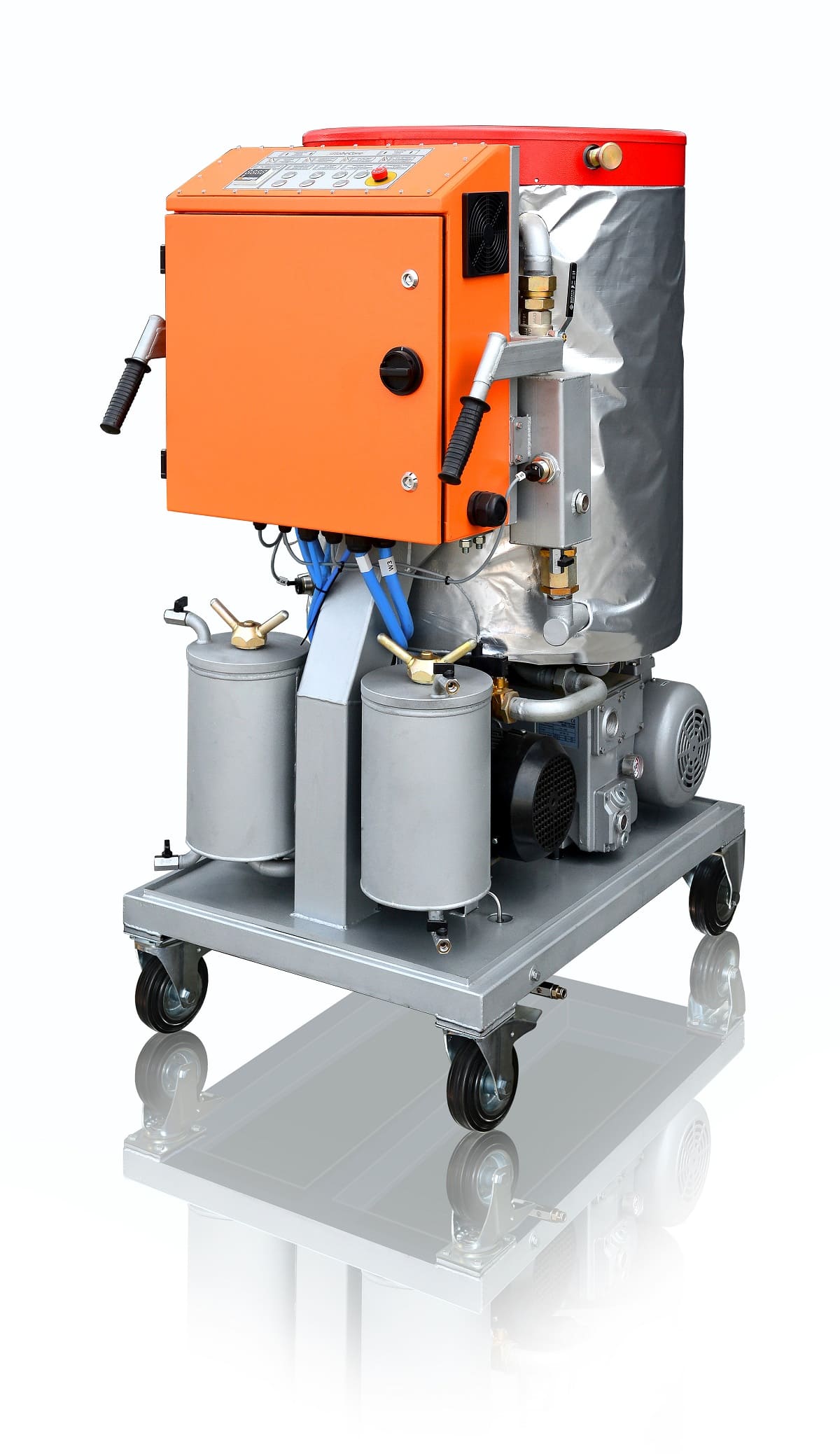
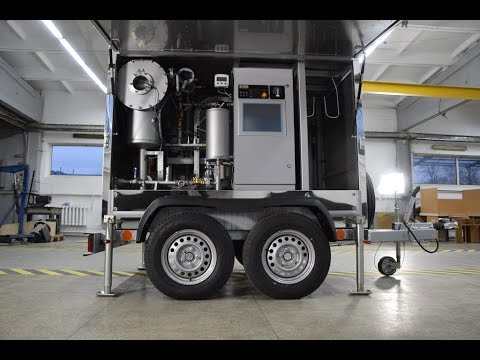
Field-deployable purification units have changed the game for utilities that can’t afford extended outages. Take a high-vacuum degasser like the GlobeCore CMM 4/7 as an example – it’s built to strip solid particles, free and dissolved water, and gases from insulating, transformer, lubricating, turbine, and compressor oils in one continuous pass. Mounted on a trolley or road-going trailer, and available in semi-automated, fully PLC-automated, or explosion-proof configurations, this kind of unit can work oil on a “tank to tank” basis or hook straight into an energized or de-energized transformer – no need to take equipment fully offline.
The numbers tell the story: a single pass can pull water content down from 100 ppm to as low as 10 ppm (or from 50 ppm to 5 ppm), following ASTM D-1533 testing. Gas content drops from full air saturation – typically 10–12% by volume – to under 0.1%, per ASTM D-2945. Particulate filtration reaches down to 5 microns standard, with an optional 0.3-micron fine filter for applications where every last particle matters, like capacitors and bushings. End result: dielectric strength improved by up to 75 kV, and oil that meets ISO 4406 purity grades of 16/14/12.
With processing capacity ranging from 4 m³/h in thermo-vacuum mode up to 7 m³/h in heating-and-filtration mode, units like this let crews run insulating oil purification directly at the substation – no draining, no trucking oil offsite, no disposal paperwork. That’s a meaningful edge over full oil replacement, both in turnaround time and in avoiding the environmental compliance burden that comes with disposing of contaminated dielectric fluid.