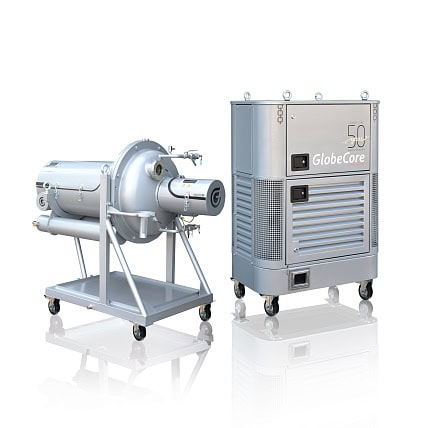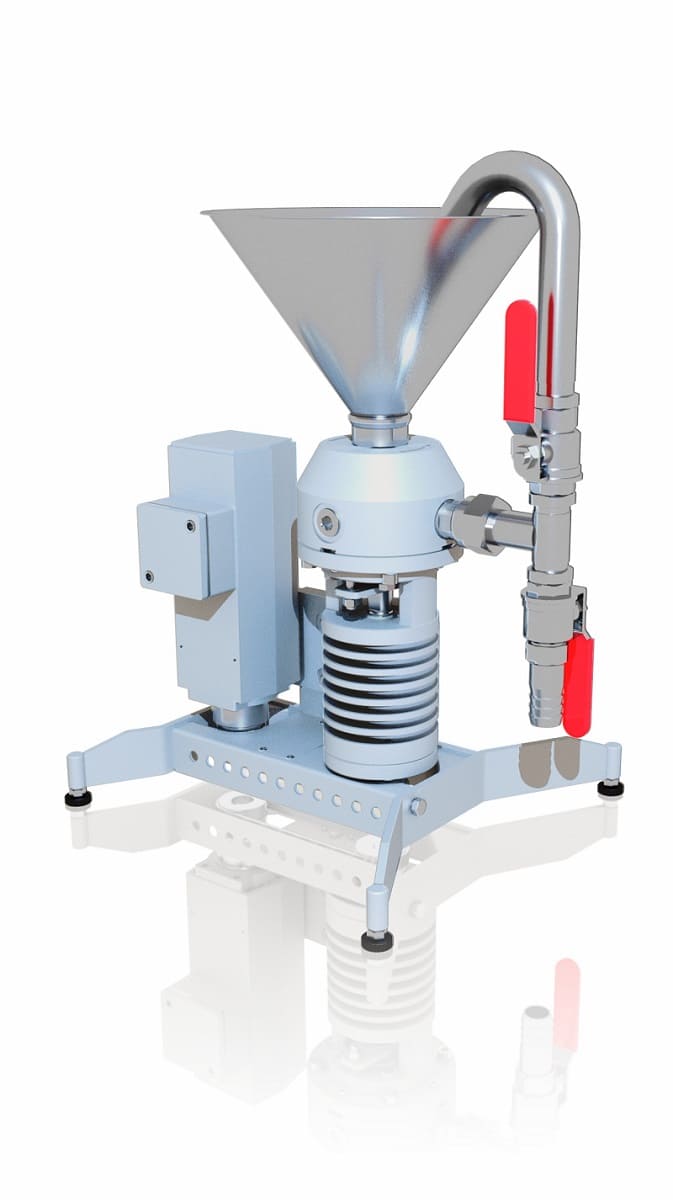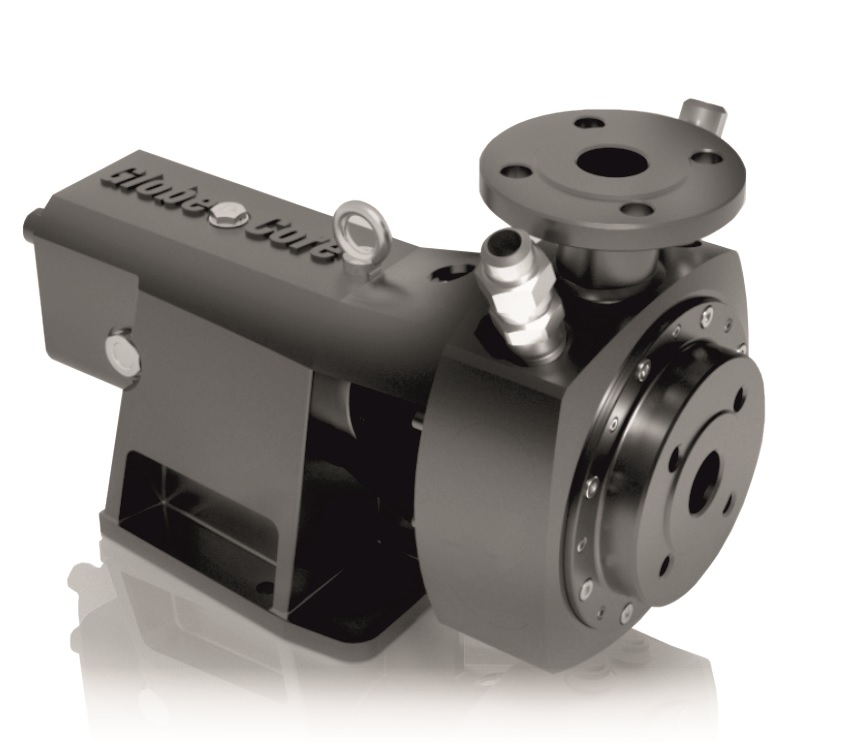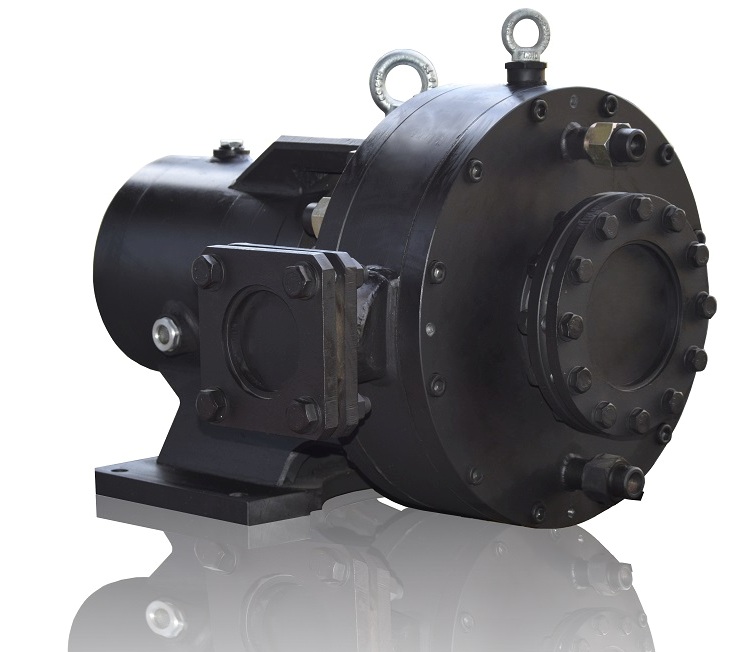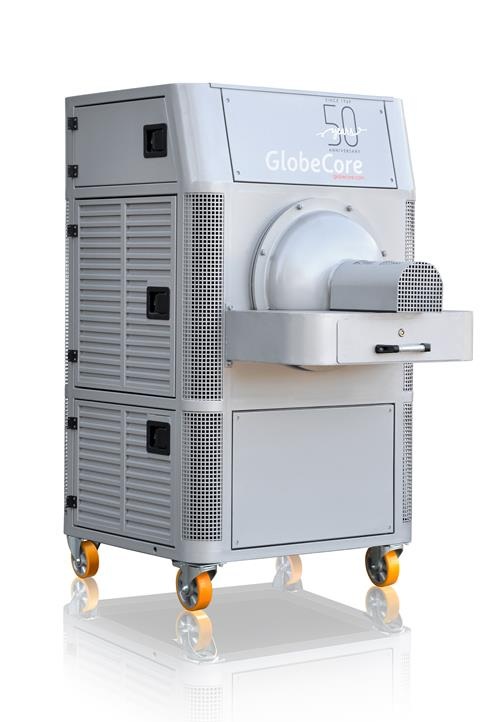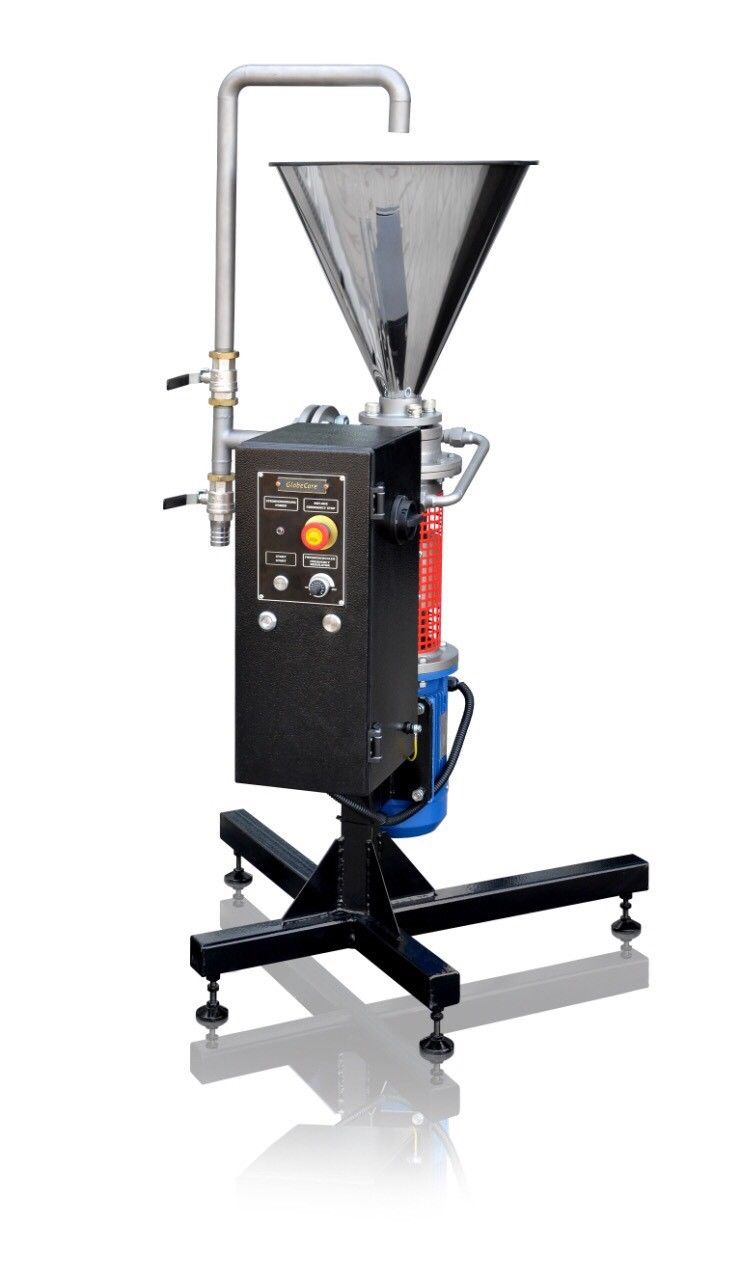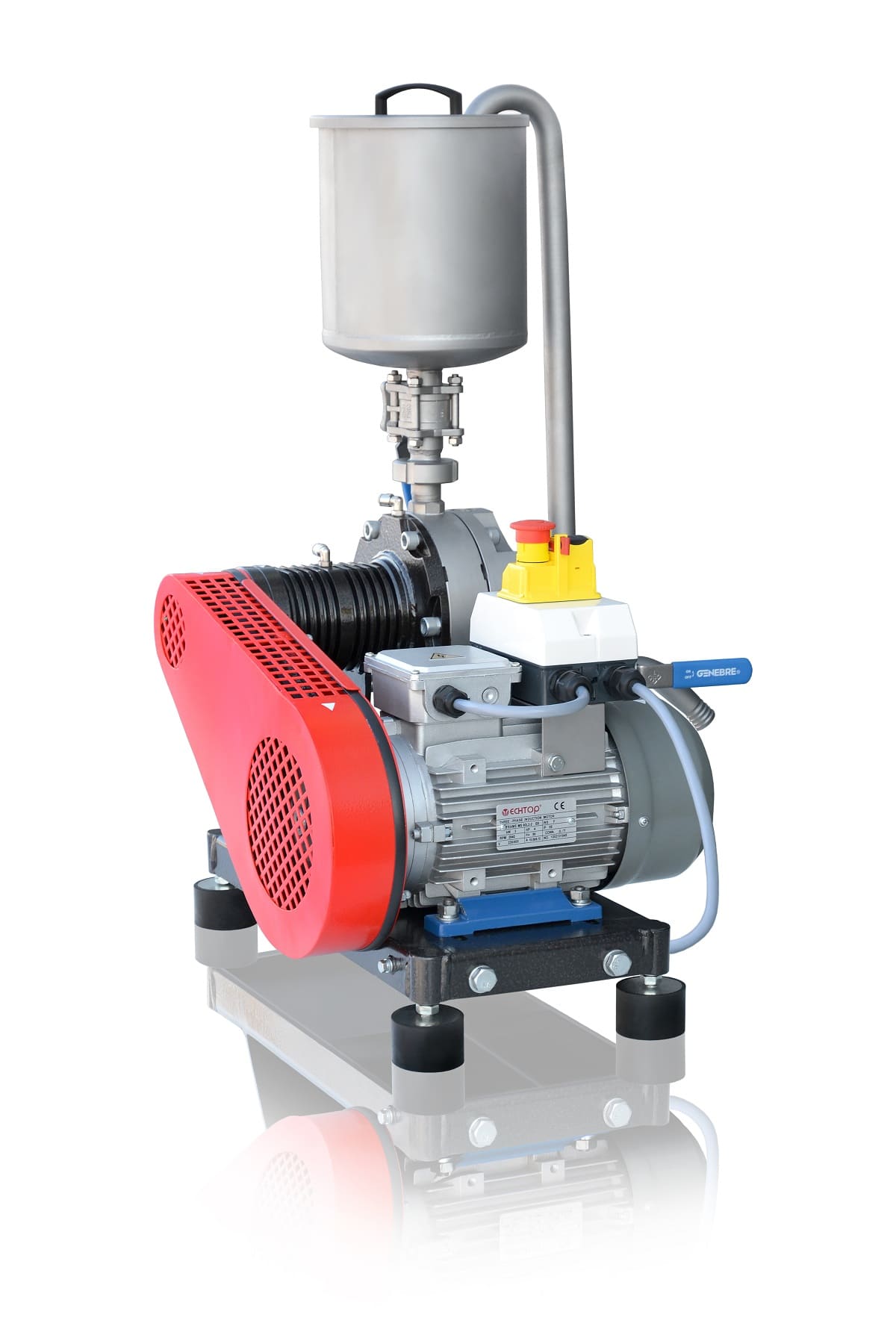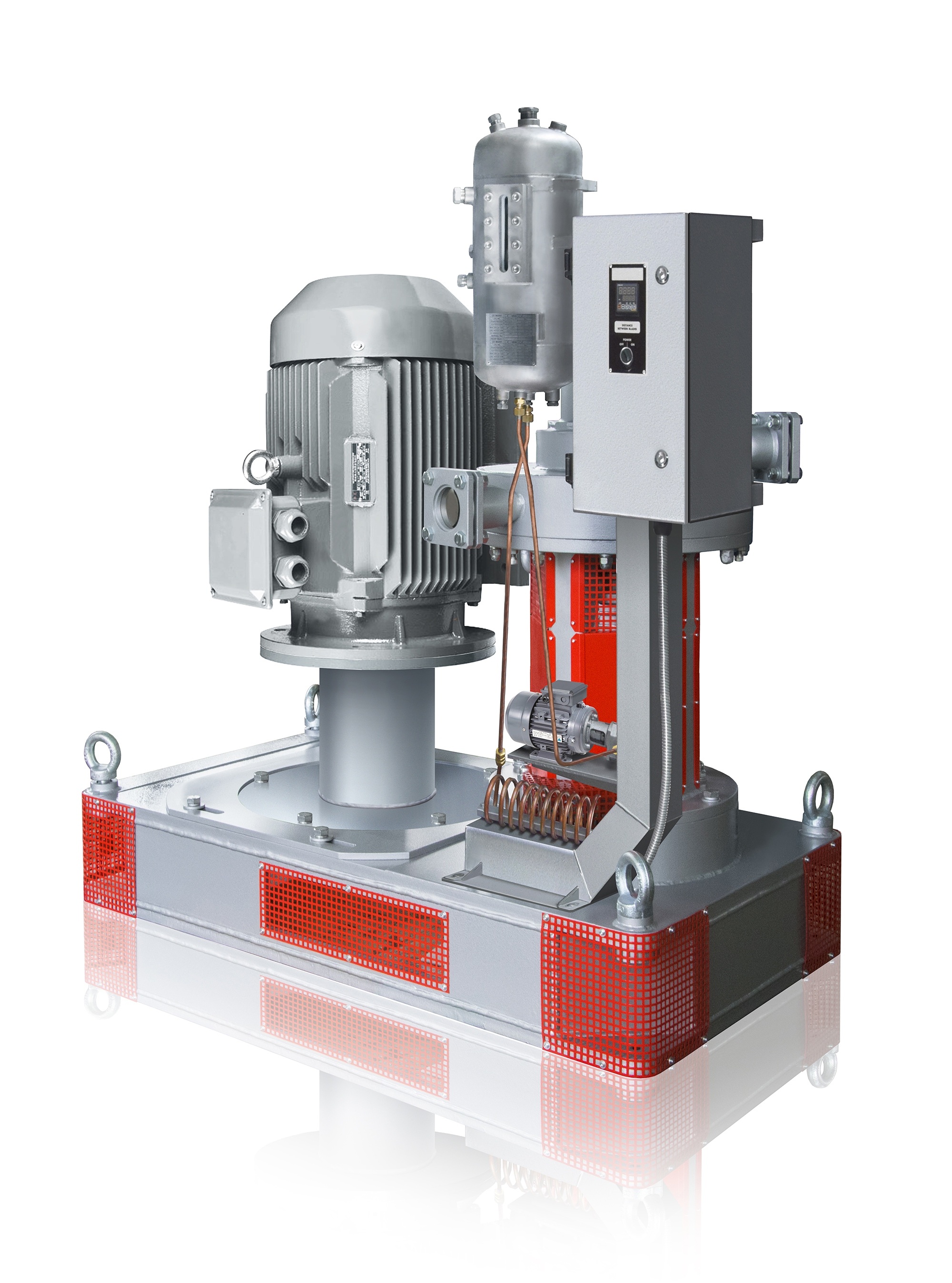
We have previously discussed the general application of vortex layer devices in wastewater treatment processes. Now, we are going to tell you in greater detail about how the devices work when treating the wastewater with a certain type of impurities contained or treating the wastewater of specific production facilities. Today’s overview deals with fodder yeast production wastewater treatment.
Fodder yeast production
Fodder yeast is used as food for livestock, poultry, and fish. In terms of structure, fodder yeast is a protein supplement. Its main advantage, for example, over cereals is the growing rate. Obtaining fodder yeast is 500-fold less time-consuming than obtaining fruitful agricultural crops.
Distilleries usually engage in yeast production, since it is convenient to grow yeast on by-products of alcohol production: grain stillage, potato stillage, mixed molasses and grain stillage. This stillage contains unused sugar which is necessary for obtaining yeast.
During fodder yeast production, the so-called post-yeast wash is abundantly formed and contains various organic substances, suspended solids, and other contaminants. The composition of this wash varies and depends on the feedstock type, quantity, process flow patterns, and other factors.
Therefore, the wash should be decontaminated in order to reduce the content of organic and other contaminants to the values that do not exceed the maximum permissible concentrations.
Methods of post-yeast wash decontamination
There are three main methods of post-yeast wash decontamination:
- chemical;
- physical and chemical;
- biological.
Experience indicates that most enterprises in the alcohol industry prefer biochemical methods which involve the use of biofilters, aeration tanks, and mixing aeration tanks. A two-stage process of biochemical treatment with biological oxidizers and air blowers is used to supply air and to increase the activity of biochemical processes in the wash.
This approach has the following disadvantages:
- the degree of decontamination does not meet the requirements for the wastewater entering urban biological treatment facilities (the biological oxygen demand is 1,000–2,000 mg/dm3 and greater at the permissible rate of 600 mg/dm3);
- high electricity consumption – 5–8 kW·h/m3 of wash;
- high capital and operating costs.
Ways to improve the efficiency of fodder yeast production wastewater treatment
In recent years, methods of electrical and other physical influences have been increasingly used to treat the wastewater containing organic substances, suspended solids, and microorganisms.
It has been found that an external electric field causes:
- electrophysical effects (orientation of the particles symmetrical about the axis, formation of chains and aggregations of microorganisms);
- biological effects (metabolic disorders, limited cell growth and division rate, cell death).
The magnetic field also affects water solutions by facilitating the coagulation and flocculation of particles of a dispersed medium, enhancing the adsorption, and increasing the solubility of substances.
During electrochemical processing of electrolytes in electrolyzers, there occurs electrochemical oxidation of organic impurities due to the oxygen resulting from electrode reactions. The essential feature of electrochemical methods affecting the quality of disinfected solutions and the economic aspect of the process is that these methods are normally accompanied by a parallel flow of chemicals. These are cathodic deposition of metals, redox processes on electrodes that affect the destruction of compounds, electrophoretic and electrocoagulation processes in solution which accordingly have a positive effect on removing the suspended substances and salts of various contaminants.
The use of electric discharge arouses interest as well. It is believed that chemical reactions in solutions during a discharge are caused by ionization and thermochemical processes, as well as by shock waves. It has been found that the efficiency of decontamination increases with enhanced discharge energy and extended duration of its influence on wastewater.
Most factors and phenomena from among those listed above (electromagnetic processing, electrolysis, acoustic waves, intensive dispersion and mixing) take place in the operating chamber of a vortex layer device (AVS). Therefore, the use of such devices in the process of post-yeast wash decontamination is promising, but first requires to be tested by experiment.
Results of experimental studies
The studies were held using a unit with the process flow diagram shown in Figure 1.
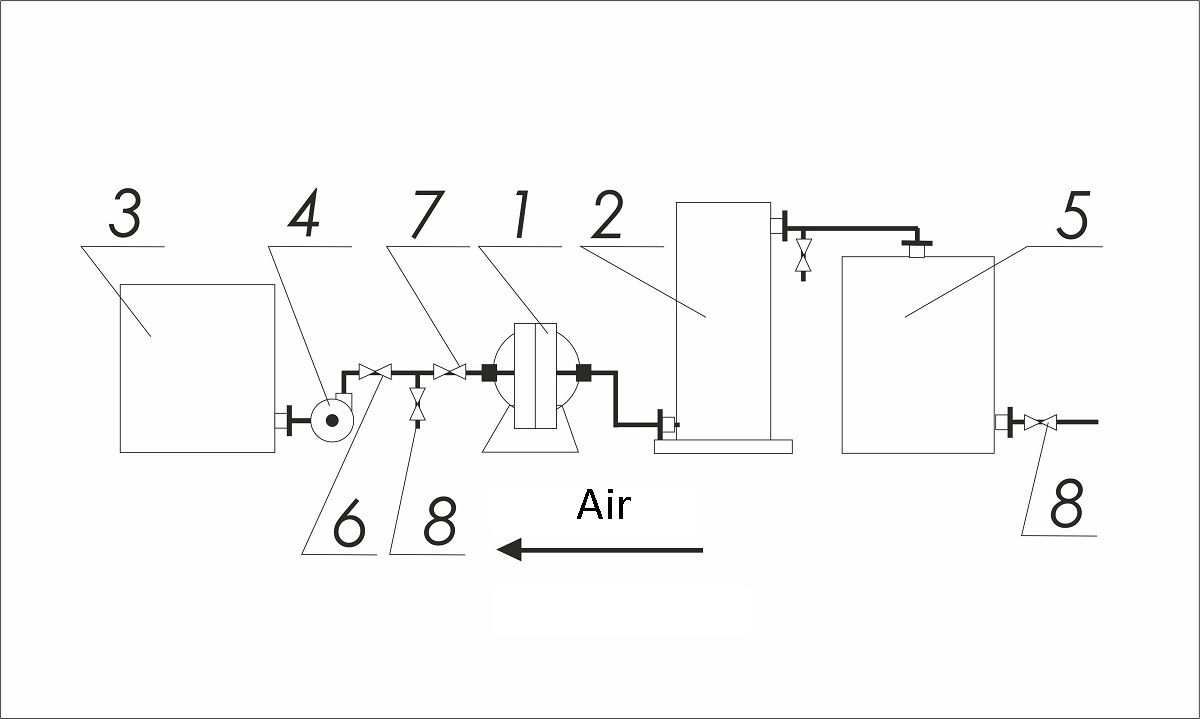
Figure 1 – Process flow diagram of a post-yeast wash decontamination unit: 1 — vortex layer device, 2 — mass transfer column, 3 — source wash tank, 4 — pump, 5 — decontaminated wash tank, 6 — shutoff valve, 7 — control valve, 8 — samplers
The operation principle of the unit is as follows. The output post-yeast wash enters the vortex layer device (1) from the tank (3) with the help of the pump (4) through the shutoff valve (6) and the control valve (7). Before AVS, the air is supplied to the wash by means of an air blower. In the device operating chamber, the source wash and the air are subjected to intensive processing when exposed to a rotating electromagnetic field, a vortex layer of ferromagnetic particles, high local pressures, acoustic vibrations, electrolysis, and other factors. After the device, the wash enters the mass transfer column (2) filled with ceramic packing where further intensive processing of the wash is ensured which improves the oxidation process efficiency. The decontaminated wash is collected in the tank (5) after the column. Samples of source and decontaminated wash are taken from the samplers (80). The results of testing AVS in an industrial environment are shown in Table 1. The parameters of post-yeast wash before processing: chemical oxygen demand— 15,150 mg/dm3, biochemical oxygen demand— 4,840 mg/ dm3.
Table 1 – Results of testing AVS during fodder yeast production wastewater treatment
| Method of processing the post-yeast wash with air | Processing duration, s | Air consumption, m3/m3 of wash | Post-yeast wash properties | |
| Chemical oxygen demand, mg/dm3 | Biochemical oxygen demand, mg/dm3 | |||
| In AVS-150 vortex layer device and in the column with ceramic packings (V = 0.1 m3, Q = 25 m3/h) | 15 | 6 | 2,300 | 120 |
| 8 | 1,450 | 90 | ||
| 10 | 780 | 30 | ||
| In an industrial batch-type fermenter-oxidizer (V = 400 m3) | 3,600 | 18 | 6,000 | 1,250 |
| 24 | 4,000 | 780 | ||
| 30 | 2,500 | 210 | ||
As the table shows, processing the post-yeast wash with air at a lower air consumption provides better treatment performance than in an industrial batch-type fermenter-oxidizer.
Advantages of vortex layer devices in wastewater treatment processes
- High capacity (AVS-100 — 8-10 m3/h, AVS-150 model – 16 m3/h).
- Compact dimensions and easy integration into operating treatment facilities. In order to do that, it is sufficient to ensure connection between the operating chamber of AVS and the inlet and outlet pipelines.
- Saving the air, the chemical agents, and other auxiliary substances that are used in wastewater treatment.
- Accelerating the chemical reactions ten- and hundredfold.
- Electricity saving due to rapid course of chemical reactions and low power consumption (AVS-100 model — 4.5 kW, AVS-150 model — 9.5 kW). The specific electricity consumption does not exceed 0.4–0.5 kW·h/m3 of wash.
For advice regarding the introduction of vortex layer devices into wastewater treatment facilities of distilleries, biochemical plants, and other enterprises specializing in fodder yeast production, please contact our technical professionals using some of the contact details contained in the appropriate website section.