

Diesel bleaching
How are diesel polishing and purification systems designed?
- This topic has 3 replies, 4 voices, and was last updated 1 month ago by .
Answers
-
October 7, 2024 at 1:39 pm by Alberico Monicelli
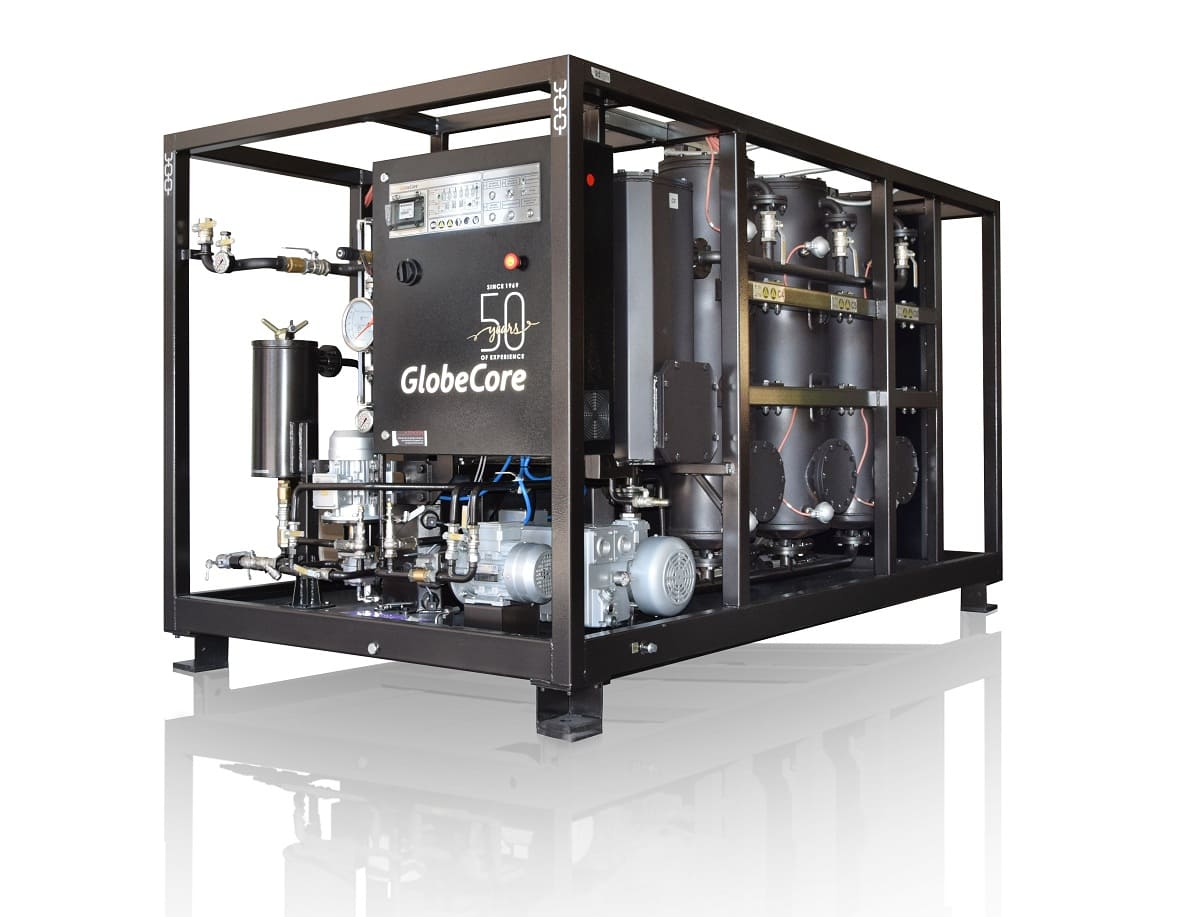
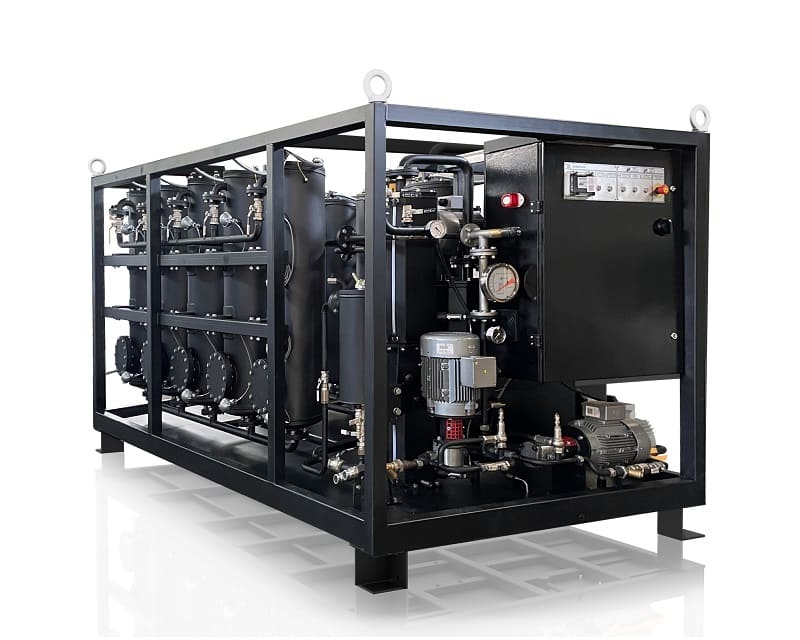
Diesel polishing and purification systems are designed with multi-stage filtration, water separators, and optional centrifuges. These systems are built to handle varying fuel volumes and contamination levels, ensuring continuous fuel quality for critical systems such as generators, marine engines, and industrial machinery.
-
February 25, 2026 at 8:35 am by Craig Price
In addition to the primary components such as multi-stage filters, water separators, and optional centrifuges, modern diesel polishing systems often incorporate real-time monitoring and automation to adapt to changing fuel conditions. This allows operators to track contamination levels and system performance, improving the efficiency and shortening the downtime. Modular design also makes it easier to scale systems for different storage capacities and applications.
If you want to take a deeper look at how these stages interact within a complete fuel conditioning workflow, including the techniques that address discoloration, particulate matter, and water removal, I recommend checking out this article: https://globecore.com/fuel-processing/dark-diesel-fuel-polishing/. -
February 25, 2026 at 8:45 am by Matthew Johnson
A complete diesel polishing workflow starts with pre‑treatment to protect downstream polishing media: bulk coarser filtration and mechanical separators (coalescers or phase separators) remove free water and large particulates, and optional centrifuges handle emulsified water and very fine solids. That cleaned feed then goes through a polishing stage built as a multi‑column adsorption train where diesel passes sequentially through adsorption columns that strip unsaturated/aromatic hydrocarbons, asphalt‑resin substances and sulfur/nitrogen/acidic contaminants responsible for discoloration and degraded combustion properties. Together the staged filtration, coalescing/water separation and adsorptive polishing remove particulate matter, dissolve or adsorb chromophores that cause darkening, and eliminate dissolved/entrained water that promotes microbial growth and corrosion.
Modern systems are designed to be modular and automated so you can scale capacity and tune operation to tank condition: automatic controls and real‑time monitoring of pressure drops, water sensors and sample quality let the controller switch flow paths, initiate sorbent regeneration cycles, or take columns offline for reactivation without interrupting service. Practical constraints to plan for are throughput dependence on feed quality (higher contamination lowers flow rates), and the need for periodic sorbent reactivation — many industrial adsorption systems allow in‑column reactivation (sorbent reclaimed by controlled thermal treatment) for hundreds of cycles. For reliable operation, monitor inlet/outlet samples and differential pressures, stage polishing after effective water removal, and schedule regenerations before column breakthrough to maximize run life and minimize downtime.