

Silicagel regeneration
How can you recycle silica gel?
- This topic has 3 replies, 4 voices, and was last updated 2 days ago by .
Answers
-
October 9, 2024 at 10:50 am by Daniel Walker
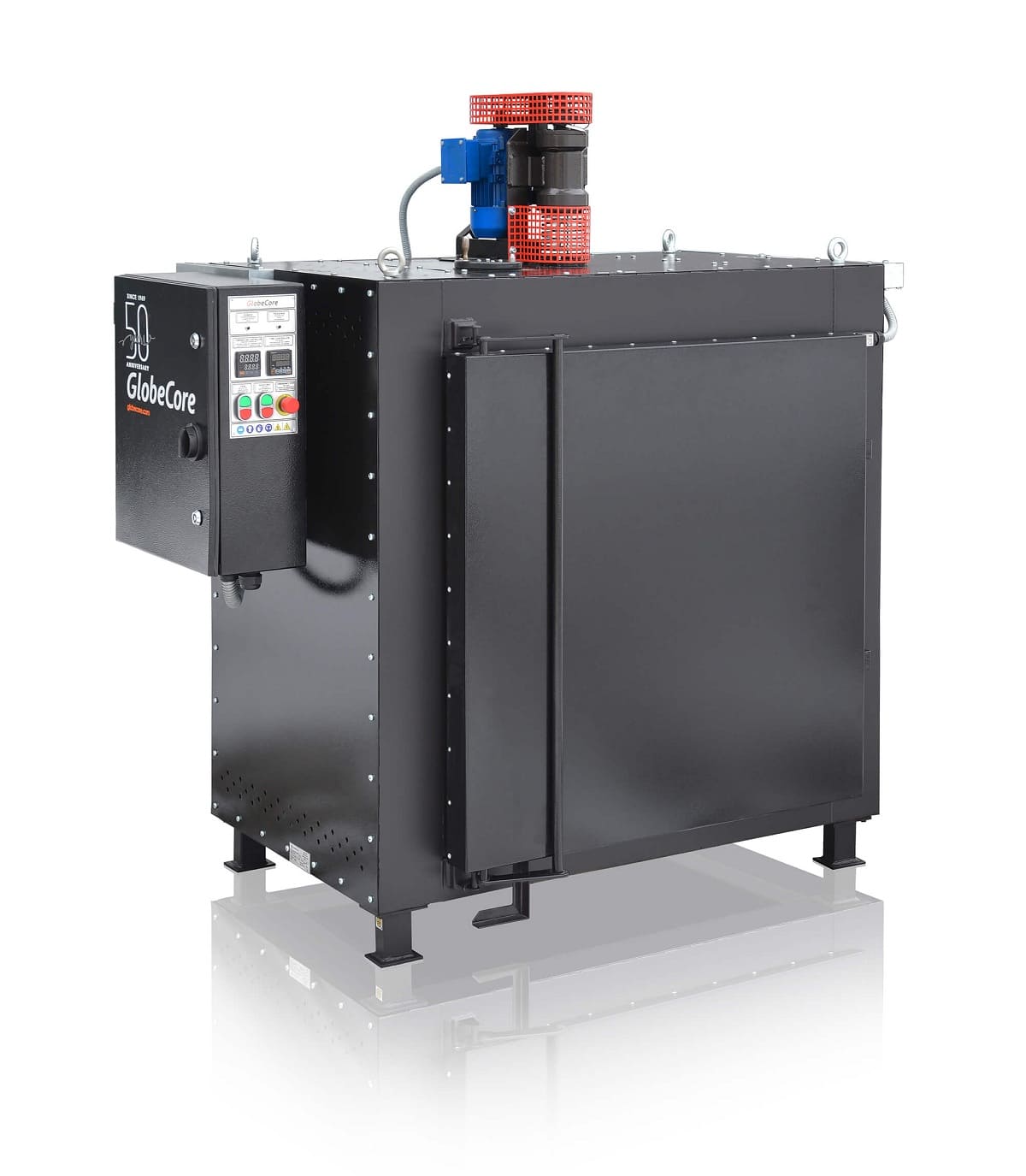
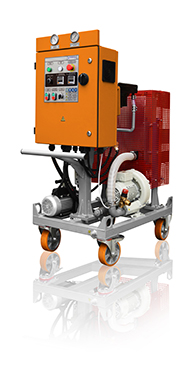
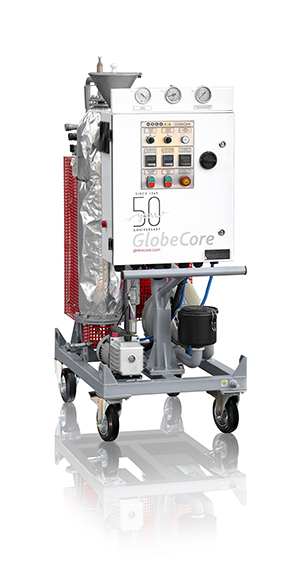
Recycling silica gel involves a regeneration process that removes the moisture it has absorbed, allowing it to be reused. This is done by heating the silica gel to about 120-150°C, either in an oven or through industrial regeneration equipment. GlobeCore provides advanced systems that make this recycling process more efficient for commercial applications. Their equipment ensures thorough drying and helps extend the usability of silica gel, reducing waste and operational costs in industries that rely heavily on moisture control.
-
March 30, 2026 at 7:09 am by Craig Price
A useful extension to this discussion is that recycling silica gel is not limited to simple heating, but involves restoring the adsorption–desorption balance within the material. Silica gel retains moisture through physical adsorption on its highly porous surface, where water molecules are held by weak intermolecular forces. When heat is applied, these forces are managed, and moisture is released — effectively reversing the adsorption process and restoring the gel’s functionality.
However, what is often underestimated is the importance of process control during regeneration. Factors such as temperature stability, airflow, and humidity of the surrounding environment directly influence how completely moisture is removed. For example, higher temperatures and sufficient airflow increase the desorption rate, while high ambient humidity can slow it down or even cause partial readsorption during the process . This is why industrial systems focus not only on heating, but also on controlled ventilation or vacuum conditions to ensure consistent and repeatable results.
Another important point is the lifecycle efficiency of silica gel. Proper regeneration allows the material to be reused many times without significant loss of performance, making it both economically and environmentally advantageous. On the other hand, overheating or uneven regeneration can damage the pore structure and reduce long-term adsorptive capacity, which highlights the need for controlled and optimized regeneration methods.
For a more detailed technical overview of silica gel dehumidification and regeneration, including practical industrial solutions, it is worth reviewing this article: https://globecore.com/transformer-maintenance/drying-of-silica-gel/. -
March 30, 2026 at 7:12 am by Karen Carter
You’re absolutely right: regeneration is more than just blasting heat at the material — it’s restoring the adsorption–desorption equilibrium while protecting the gel’s pore structure. Temperature stability, controlled airflow or vacuum, and the ambient humidity during the cycle all govern the desorption rate and whether readsorption occurs. In practice that means using a stable, manufacturer‑specified temperature (typical silica gels are regenerated around 120–150°C but always confirm the brand limit), maintaining steady airflow or a dry purge to carry off liberated moisture, and avoiding opening the chamber while the gel is still warm in a humid environment. Overheating or uneven heating will collapse pores or sinter the surface and permanently reduce adsorption capacity, while too-low or poorly ventilated cycles leave residual moisture and shorten useful life.
For reliable, repeatable results use a controlled heating–cooling regeneration cycle, monitor either weight loss or dew point to confirm dryness, and allow cooling in dry air before reuse. Industrial systems implement these controls by combining precise temperature control, blowing modes or vacuum options to speed desorption, and multi‑pallet designs to process larger batches uniformly—features that both raise throughput and protect long‑term adsorption performance. With proper cycle control and monitoring, silica gel can be regenerated many times with minimal loss of capacity; misuse of temperature, airflow, or exposure to high ambient humidity is the usual cause of premature degradation.