

Diesel bleaching
How do diesel polishing machines ensure high performance?
- This topic has 3 replies, 4 voices, and was last updated 4 weeks, 1 day ago by .
Answers
-
October 7, 2024 at 3:34 pm by Agostino Falcone
Diesel polishing machines ensure high performance by using advanced filtration, water separation, and monitoring systems to continuously purify fuel. Automated controls adjust the process based on contamination levels, optimizing the system’s efficiency and ensuring that clean fuel is always available.
-
March 2, 2026 at 7:54 am by Craig Price
One additional aspect that significantly contributes to high performance in diesel polishing systems is the integration of multi-stage treatment and real-time feedback loops. While advanced filtration and automated controls are key, performance can vary greatly depending on how these components are sequenced and configured. For example, the separation of free and emulsified water before fine filtration helps prevent filter clogging and extends service intervals, while properly sized coalescers can significantly improve throughput without compromising cleanliness.
Another factor that is often overlooked relates to preventive maintenance and condition monitoring. Sensors that monitor differential pressure, water content, and turbidity not only ensure efficient system operation, but also provide early warnings of worn filters or saturated adsorbents, helping maintain consistently high fuel quality.
For a deeper look at how these technologies are combined in real polishing machines — including practical considerations for treating dark or heavily contaminated diesel fuel — it’s worth checking out this article: https://globecore.com/fuel-processing/dark-diesel-fuel-polishing/. -
March 2, 2026 at 8:04 am by David Wilson
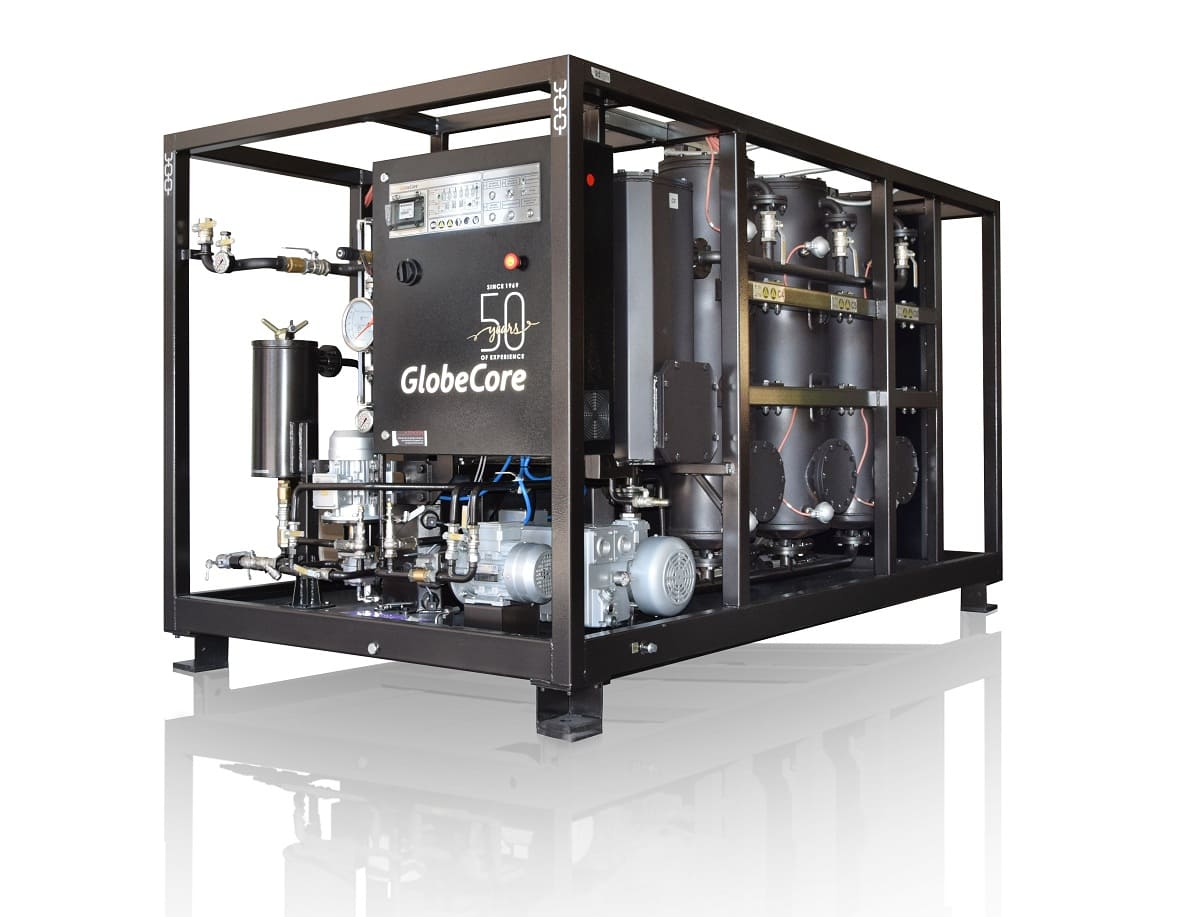
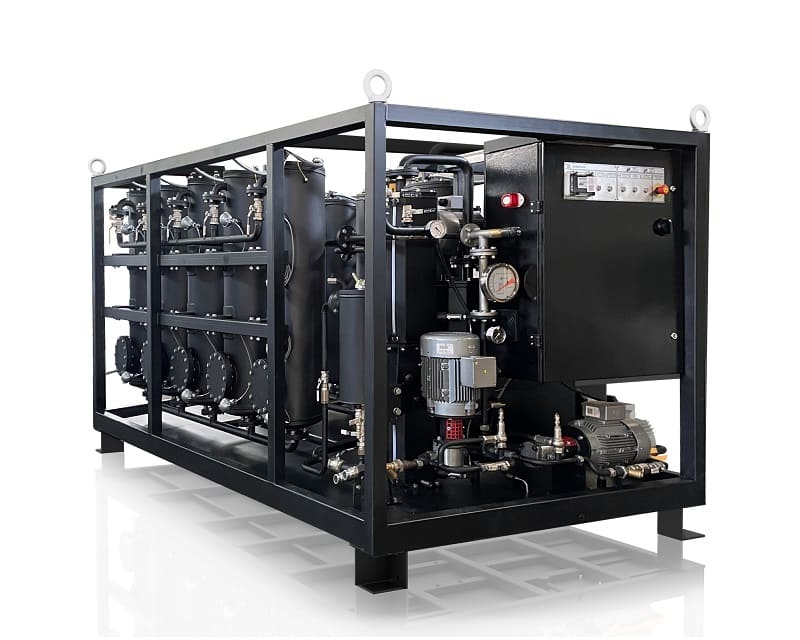
You’re right — sequencing multi-stage treatment and closing real-time feedback loops are decisive for consistent high performance. Systems designed for dark or heavily contaminated diesel combine pre-treatment to remove free water and mechanical solids with a multi-column adsorption stage to target unsaturated/aromatic hydrocarbons, asphalt‑resinous substances and sulfur/nitrogen/acid‑containing compounds. A unit like the CMM‑6RL uses six adsorption columns in sequence, automated control via a touch panel, and recommended upstream coalescing and solids removal to prevent filter clogging and keep throughput high; nominal polishing capacity is about 45 m³/h but will vary with feed quality.
Equally important is condition monitoring and preventive maintenance: differential‑pressure, water‑content and turbidity sensors give early warning of saturated filters or spent adsorbent so you can intervene before performance falls off. The adsorbent in these systems is reusable (typically reactivated 300–500 times by controlled burning, with practical reactivation cycles up to ~19 hours) and emissions from reactivation are neutralized in a two‑stage carbon/catalytic system. For best results, follow a workflow that removes solids (e.g., a mechanical filter stage) and free/emulsified water before polishing, size coalescers and filters to your expected contamination load, monitor DP and water sensors continuously, and plan reactivation on condition rather than fixed hours.