

Diesel purification
How does Diesel Fuel Purification Systems Technology improve fuel cleanliness?
- This topic has 3 replies, 4 voices, and was last updated 3 weeks, 6 days ago by .
Answers
-
October 5, 2024 at 5:48 am by Agostino Falcone
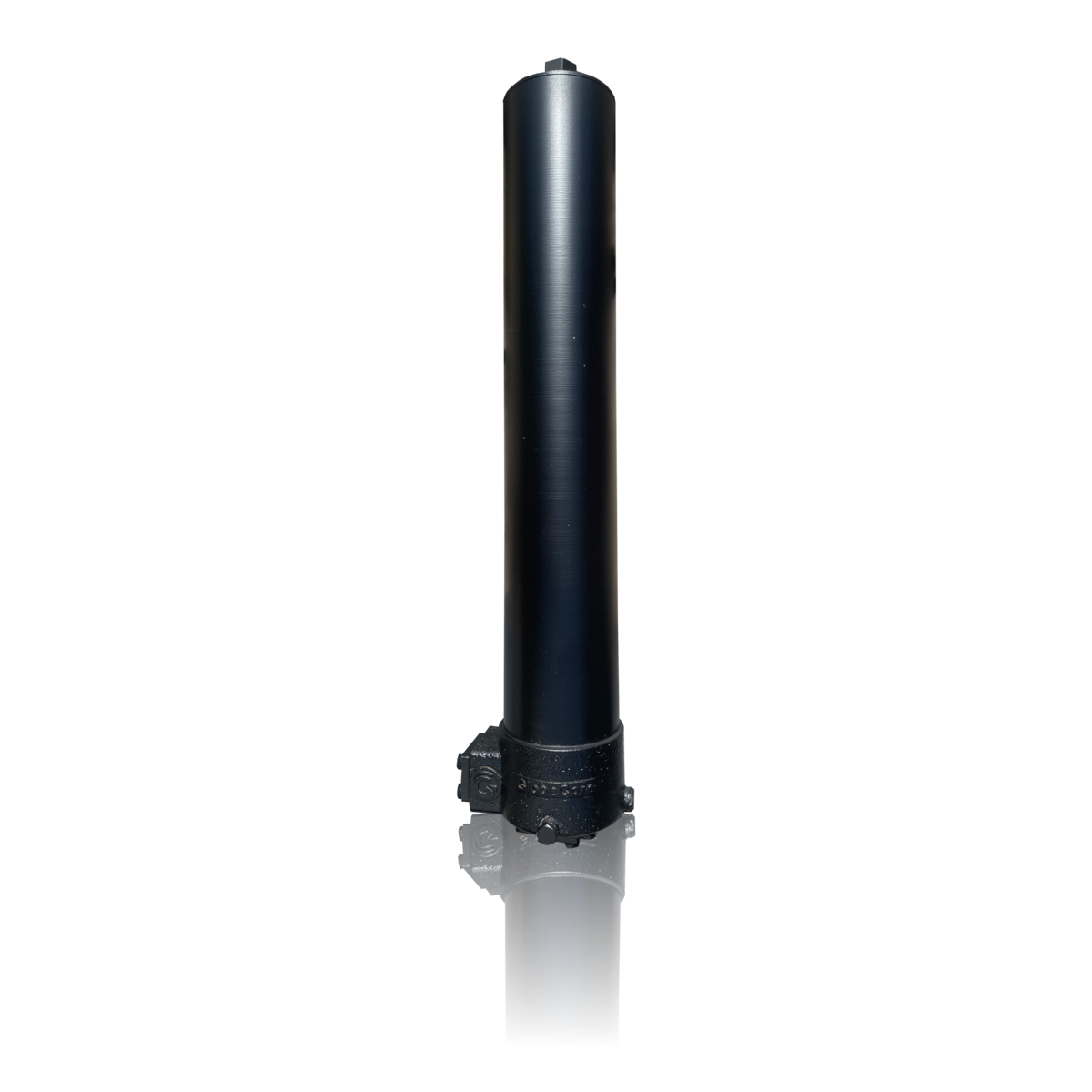
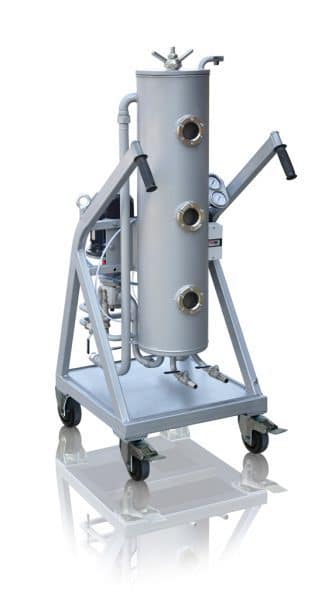
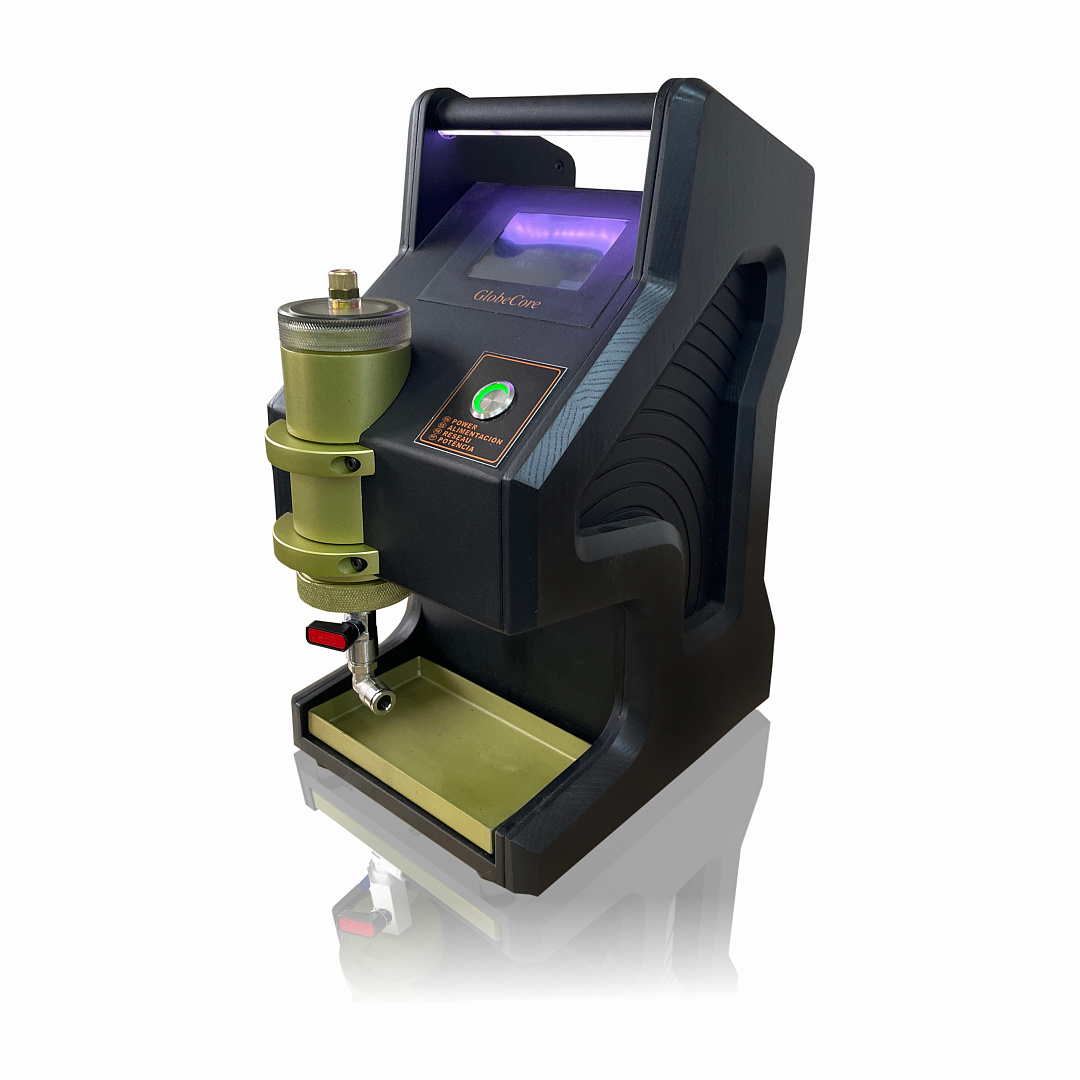
Diesel Fuel Purification Systems Technology improves fuel cleanliness through the integration of advanced filtration and separation methods designed to remove a wide range of contaminants. Multi-Stage Filtration incorporates various filter types, such as mechanical filters for particulates, magnetic separators for ferrous metals, and coalescing filters for water removal, ensuring comprehensive purification. Centrifugal and Vacuum Separation Technologies effectively remove moisture and fine particulates by exploiting density differences, enhancing fuel dryness and reducing corrosion risks. Advanced Adsorption Media capture chemical impurities and acids, maintaining the chemical stability of diesel fuel. Automated Monitoring and Control Systems utilize sensors and real-time data analytics to adjust purification parameters dynamically, ensuring consistent fuel quality even with varying contamination levels. Energy-Efficient Components like optimized pumps and separators minimize power consumption while maximizing purification performance. Additionally, smart purification algorithms predict maintenance needs and optimize filtration cycles, maintaining high cleanliness levels without manual intervention. Integration with Digital Technologies allows for seamless data management and system optimization, enhancing overall purification efficiency. These technological advancements collectively ensure that diesel fuel remains clean and free from harmful contaminants, protecting engine components, improving combustion efficiency, and extending the lifespan of diesel-powered machinery.
-
March 4, 2026 at 7:56 am by Craig Price
One additional factor that helps diesel fuel purification systems improve fuel cleanliness is the use of progressive multi-stage treatment, where each stage focuses on removing different types of contaminants. In practice, fuel is often run through a sequence of processes such as coarse filtration, water separation, and fine filtration. The first stage typically removes coarse particles, sediment, and sludge preventing clogging and protecting the more sensitive filtration elements downstream.
Next, specialized stages target smaller contaminants. For example, coalescing or other separation technologies allow water droplets to combine into larger drops that can be easily removed, while fine filters capture microscopic particles that could otherwise damage injectors and fuel pumps. In many industrial systems, centrifugal separators are also used, because high rotational speeds allow liquids and solids with different densities to separate much faster than under normal gravity conditions.
Owing to this combination of filtration and separation techniques, modern purification systems can ensure consistent fuel quality even when diesel is stored for extended periods.
If you are interested in learning more about how different purification methods work together in industrial fuel treatment systems, this article provides a useful overview: https://globecore.com/fuel-processing/fuel-purification/. -
March 4, 2026 at 8:04 am by 山田 英樹
You’re correct — progressive multi-stage treatment is a key reason modern systems consistently restore and maintain diesel cleanliness. In practice you run coarse filtration first to knock out sludge, sand and large particulates (protecting downstream elements), follow with coalescing/water-separation to remove free and emulsified moisture, and finish with fine filtration/adsorptive polishing to strip dissolved contaminants, aromatics and resinous compounds that foul injectors and fuel pumps. Centrifugal separators are often integrated where rapid phase separation is needed, and automated monitoring of pressure differential and water content keeps the process reliable during long storage periods.
Many industrial installations use modular chains that combine those exact stages: a coarse filter, a coalescing/water-removal module that can handle heavily watered fuel, and an adsorptive polishing unit with multiple adsorbent columns to restore appearance and combustion properties. Systems designed this way typically achieve stable fuel quality even from degraded feedstock, but throughput and run lengths depend on feed contamination levels. For best results, monitor ΔP across filters, track water content, and schedule adsorbent reactivation or replacement per operating hours and sensor alarms to keep the purification chain performing optimally.