

Air drying
How does Drying Transformer Windings contribute to the overall reliability of a transformer?
- This topic has 3 replies, 4 voices, and was last updated 1 month, 1 week ago by .
Answers
-
October 4, 2024 at 6:01 pm by Amir Khan
Drying Transformer Windings is a vital aspect of transformer maintenance that significantly contributes to the overall reliability of the transformer. Moisture within the windings can lead to reduced dielectric strength, increasing the risk of electrical discharges and insulation failures. By effectively drying the windings, moisture content is minimized, thereby preserving the insulating properties of the oil and the winding materials. This prevention of electrical breakdowns ensures uninterrupted transformer operation and reduces the likelihood of catastrophic failures. Additionally, dry windings are less prone to corrosion and chemical degradation, which enhances the mechanical integrity of the transformer’s internal components. Consequently, Drying Transformer Windings not only maintains the electrical performance of the transformer but also extends its operational lifespan, ensuring reliable and efficient power distribution.
-
February 20, 2026 at 7:49 am by Craig Price
In addition to improving the dielectric strength and reducing the risk of insulation failure, drying of transformer windings also plays a crucial role in long-term operational planning and preventive maintenance strategies. Moisture trapped in the windings does not only affect immediate electrical performance; it also accelerates aging mechanisms in insulating paper and pressboard, leading to a gradual loss of mechanical strength under thermal and electrical stress. Over time, this degradation can contribute to windings deformation, increased partial discharge activity, and even premature end-of-life of the transformer.
Integrating the procedure for regular drying of transformer windings into scheduled maintenance intervals can therefore reduce unexpected outages and support more accurate condition-based asset management, enabling operators to prioritize interventions based on the actual condition of the insulation rather than relying solely on calendar-based servicing.
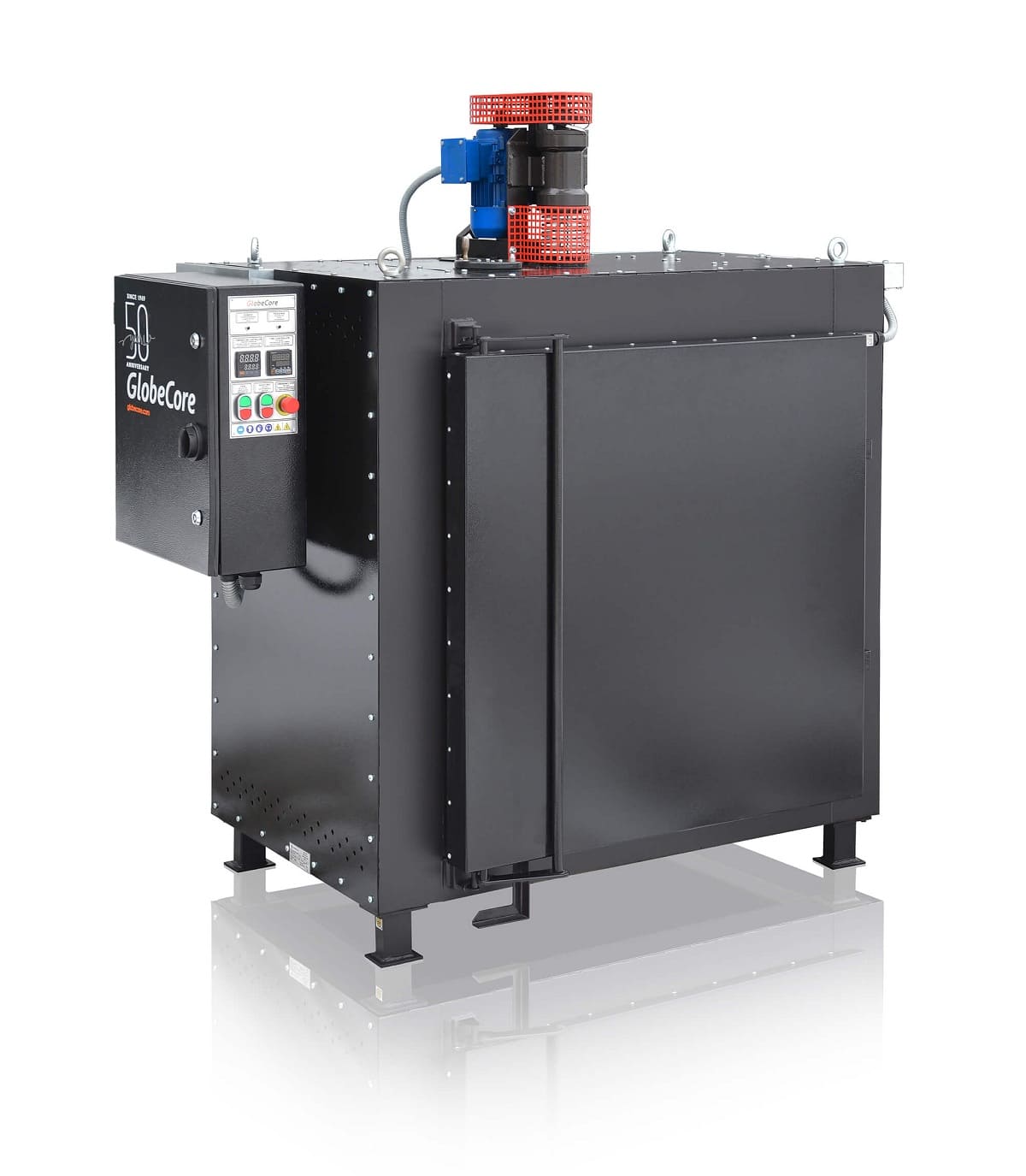
For a more comprehensive look at how controlled environments, such as vacuum systems, can enhance moisture removal—especially in hard-to-reach areas of transformer windings—you may find this article on the use of vacuum drying ovens for transformer windings insightful: https://globecore.com/transformer-maintenance/vacuum-drying-oven-for-transformer-windings/. -
February 20, 2026 at 7:59 am by Christopher Hansen
You’re exactly right — drying windings is as much a strategic asset-management action as it is a corrective one. Moisture drives depolymerization of cellulose insulation and loss of mechanical strength in paper and pressboard, which in turn raises partial-discharge activity, enables winding deformation under thermal/electrical cycling, and shortens useful life. Building drying into condition-based maintenance programs (using oil and insulation moisture measurements, dielectric tests and PD monitoring as triggers) reduces unplanned outages and lets operators prioritize interventions based on actual insulation condition rather than calendar dates.
Practically, controlled-environment methods such as vacuum drying ovens and combined hot-oil spray plus vacuum cycles remove moisture more effectively from hard-to-reach areas than passive drying. Low-frequency winding heating and vacuum furnaces deliver faster, more uniform moisture removal and can markedly restore dielectric strength, often extending solid-insulation life by a decade or more when done timely. Targets used in practice are typically around 0.5% moisture by mass for new units and about 1.5% for in-service transformers; note that full-vacuum methods can be limited by older tank construction and may require reinforcement or alternative approaches. Integrating these drying techniques with routine monitoring gives the best return on reliability and lifecycle cost.