

Fuel oil polishing
How does fuel oil polishing remove contamination?
- This topic has 3 replies, 4 voices, and was last updated 3 weeks ago by .
Answers
-
October 7, 2024 at 7:42 am by Pasquale Scarponi
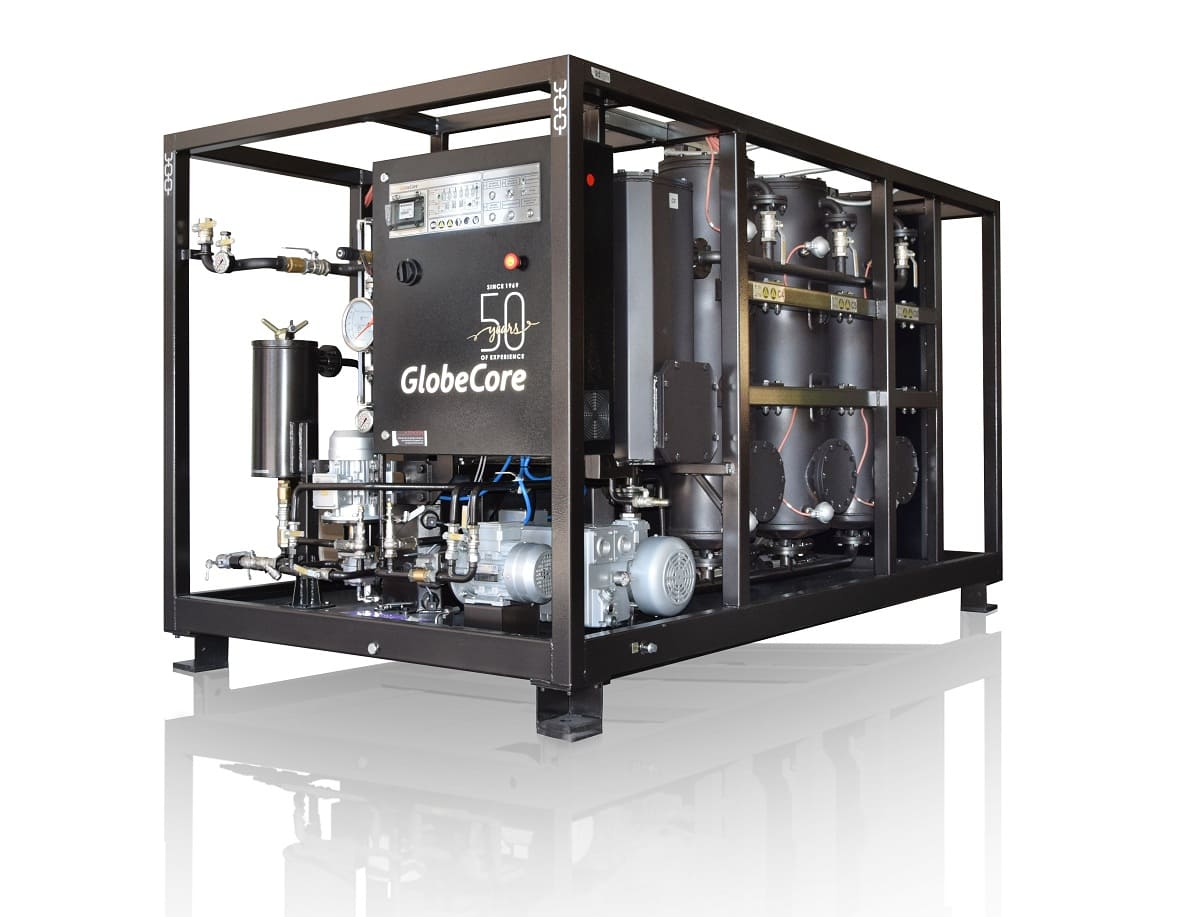
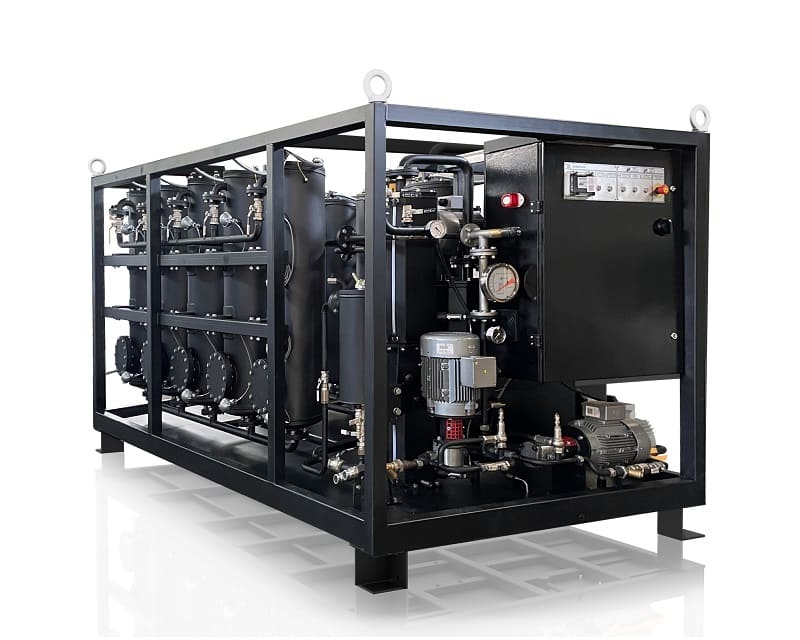
Fuel oil polishing removes contamination by using filtration, separation, and purification techniques. Water separators remove free water, while filters trap solid particles such as dirt, rust, and sludge. Some systems use centrifuges or coalescers to separate emulsified water from the fuel. This multi-stage process ensures that the fuel is free of contaminants, improving fuel quality and extending the life of engines and equipment.
-
March 10, 2026 at 7:57 am by Craig Price
Another aspect worth noting is that fuel oil polishing works not only by removing contaminants already present in the fuel, but also by circulating the fuel through the treatment system multiple times. In many systems, the fuel is continuously recirculated from the storage tank through filtration and separation stages and then returned to the tank. This repeated circulation gradually reduces the concentration of contaminants such as water, sediments, and microbial residues, helping stabilize overall fuel quality.
Furthermore, modern polishing systems may include treatment methods designed to address chemical degradation products that develop when diesel fuel is stored for long periods. Oxidation processes can form gums, resins, and other compounds that darken the fuel and adversely affect its performance. In such situations, supplementary purification methods such as adsorption can be used together with standard filtration stages to remove these substances and improve the condition of stored fuel.
If you’d like to explore how heavily darkened diesel fuel can be treated and restored during polishing, this article provides useful information on the topic: https://globecore.com/fuel-processing/dark-diesel-fuel-polishing/. -
March 10, 2026 at 8:01 am by Tyler Hill
You’re right — continuous recirculation is a core part of effective fuel oil polishing because each pass through the treatment train progressively reduces water, solids, microbes and soluble degradation products until the tank reaches a stable, acceptable fuel quality. For stored diesel that has darkened from oxidation and formation of gums, resins and other polar compounds, standard filtration and dewatering remove free water and particulates but won’t fully remove chemically altered fractions; that’s where adsorptive polishing comes in. Pumping fuel through columns of adsorbent captures polar and sulfur‑/nitrogen‑containing compounds, certain aromatics and asphalt‑resin matter that cause darkening and performance issues, and repeated circulation through those columns restores clarity and stability over time.
In practice the best results come from a multi‑stage approach: remove bulk solids and free water first (mechanical filtration and coalescers/centrifuges or dedicated modules), then pass the fuel through multi‑column adsorbers sized to the contamination level and flow you need. Multi‑column designs let you keep throughput up and regenerate sorbent in situ, extending service life and lowering operating cost. Monitor water content, particle counts and appearance as you polish; for severely degraded or polymerized fuels polishing can greatly improve serviceability but may not reverse all chemical damage, so fuel testing and conservative acceptance criteria should guide whether the fuel is returned to service or requires replacement.