

Fuel oil polishing
How does fuel oil purification and polishing work together?
- This topic has 3 replies, 4 voices, and was last updated 2 weeks, 1 day ago by .
Answers
-
October 7, 2024 at 12:34 pm by 伊藤 聡太郎
Fuel oil purification and polishing work as complementary processes to ensure high fuel quality. Purification is the first step, typically using centrifuges or water separators to remove water, sludge, and large contaminants from the fuel. After purification, the fuel goes through a polishing process, which involves fine filtration to remove smaller particulates, such as dirt and rust, ensuring the fuel is clean and stable. Together, these processes provide comprehensive cleaning to maintain fuel quality, extend equipment life, and improve performance.
-
March 16, 2026 at 7:51 am by Craig Price
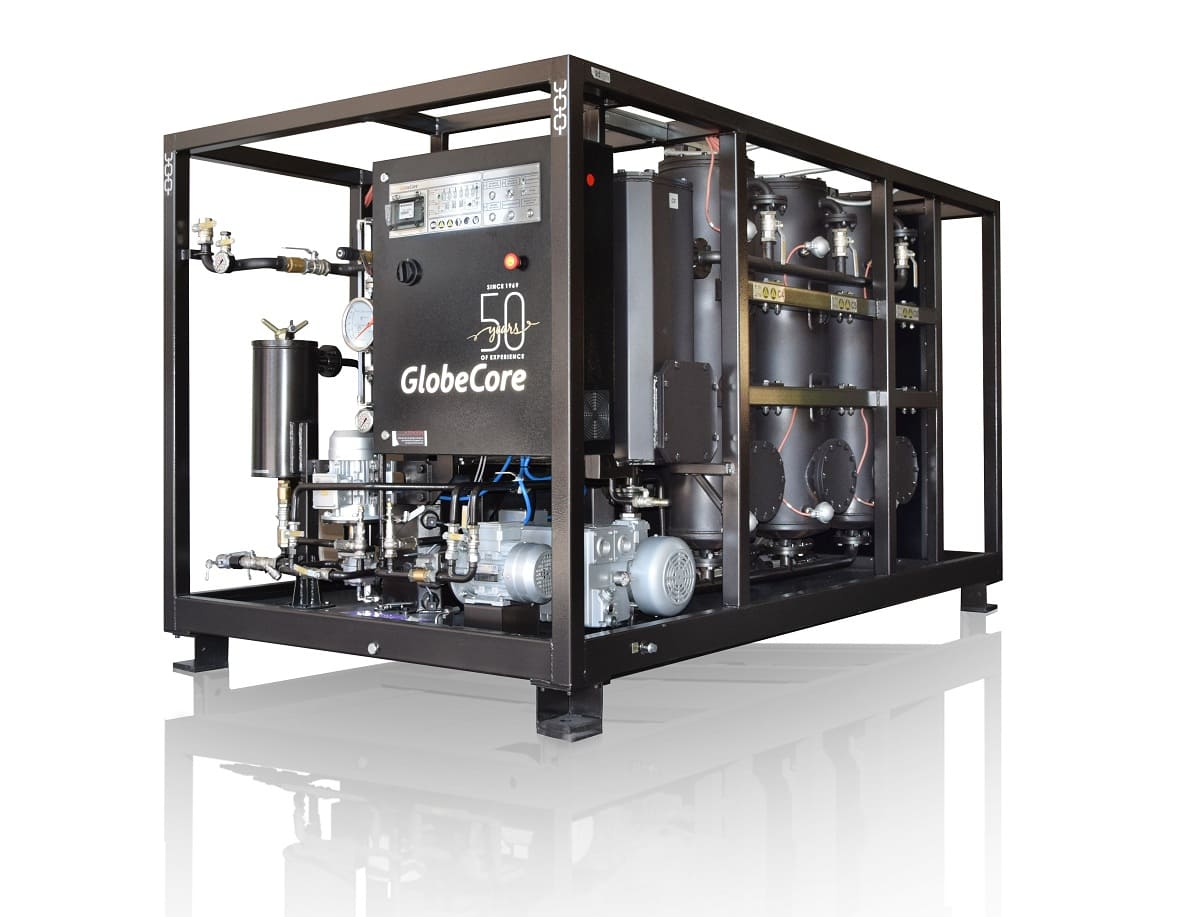
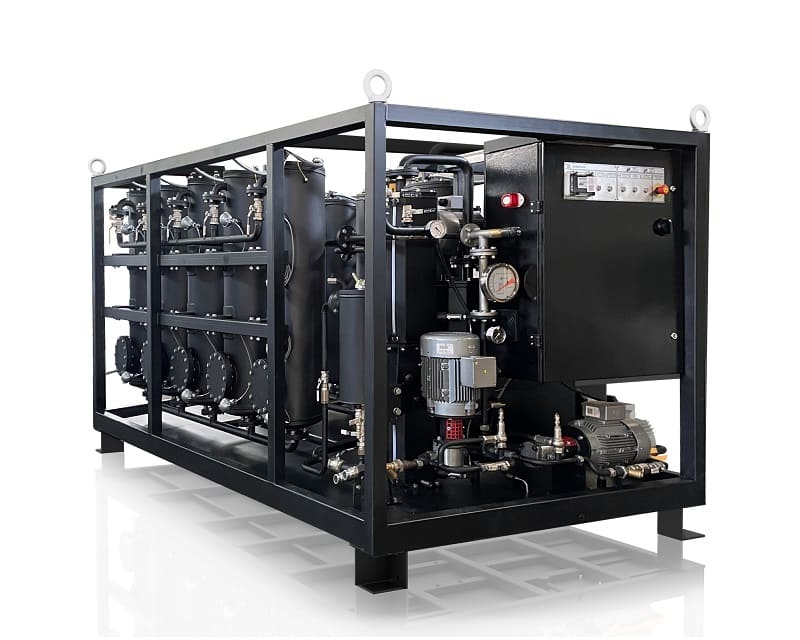
Another important point is that fuel polishing can also address chemical degradation products that develop as diesel fuel ages. Over time, oxidation can lead to the formation of gums, resins, and dark-colored compounds that not only change the appearance of the fuel, but may also adversely affect combustion quality and engine performance. In such cases, polishing systems may incorporate adsorption or advanced filtration stages to remove these by-products and restore fuel clarity and stability.
This is particularly relevant when dealing with darkened or degraded diesel fuel, where contaminants include water and particulates, as well as oxidation compounds and resinous substances. Adsorptive treatment methods can capture these impurities and improve the overall condition of the fuel before it is reused.
If you are interested in learning more about how this process works in practice and how heavily darkened diesel fuel can be restored, this article provides a useful explanation:
https://globecore.com/fuel-processing/dark-diesel-fuel-polishing/. -
March 16, 2026 at 8:02 am by Lucas Martins
You’re absolutely right — aging diesel develops oxidation products (gums, resins, dark-colored compounds) that go beyond water and particulates, and adsorption-based polishing is the practical tool to remove them. In practice you get the best results with a two-step workflow: first use mechanical purification (centrifuges, coalescers or water separators and coarse filtration) to remove free water, sludge and particulates, then pass the clarified fuel through adsorbent polishing columns that capture oxidation by-products, unsaturated/aromatic hydrocarbons, sulfur- and nitrogen-containing compounds and resinous material, restoring clarity, reducing odor and improving combustion stability.
For heavily darkened diesel this sequence is essential: coarse removal protects downstream adsorbents and improves throughput, while the polishing stage (multi-column adsorbent beds) finishes the job and can be reactivated and reused many times, keeping operating costs down. Typical dark-diesel polishing machines are designed with configurable column counts for capacity (examples around 45 m³/h for a six-column unit depending on fuel quality), controlled sorbent reactivation cycles, and exhaust neutralization to minimize emissions — all practical features to reliably restore degraded diesel for reuse or sale.