

Silicagel regeneration
How does silica gel dehydration work during regeneration?
- This topic has 6 replies, 6 voices, and was last updated 4 days, 10 hours ago by .
Answers
-
October 9, 2024 at 4:26 pm by Jason Taylor
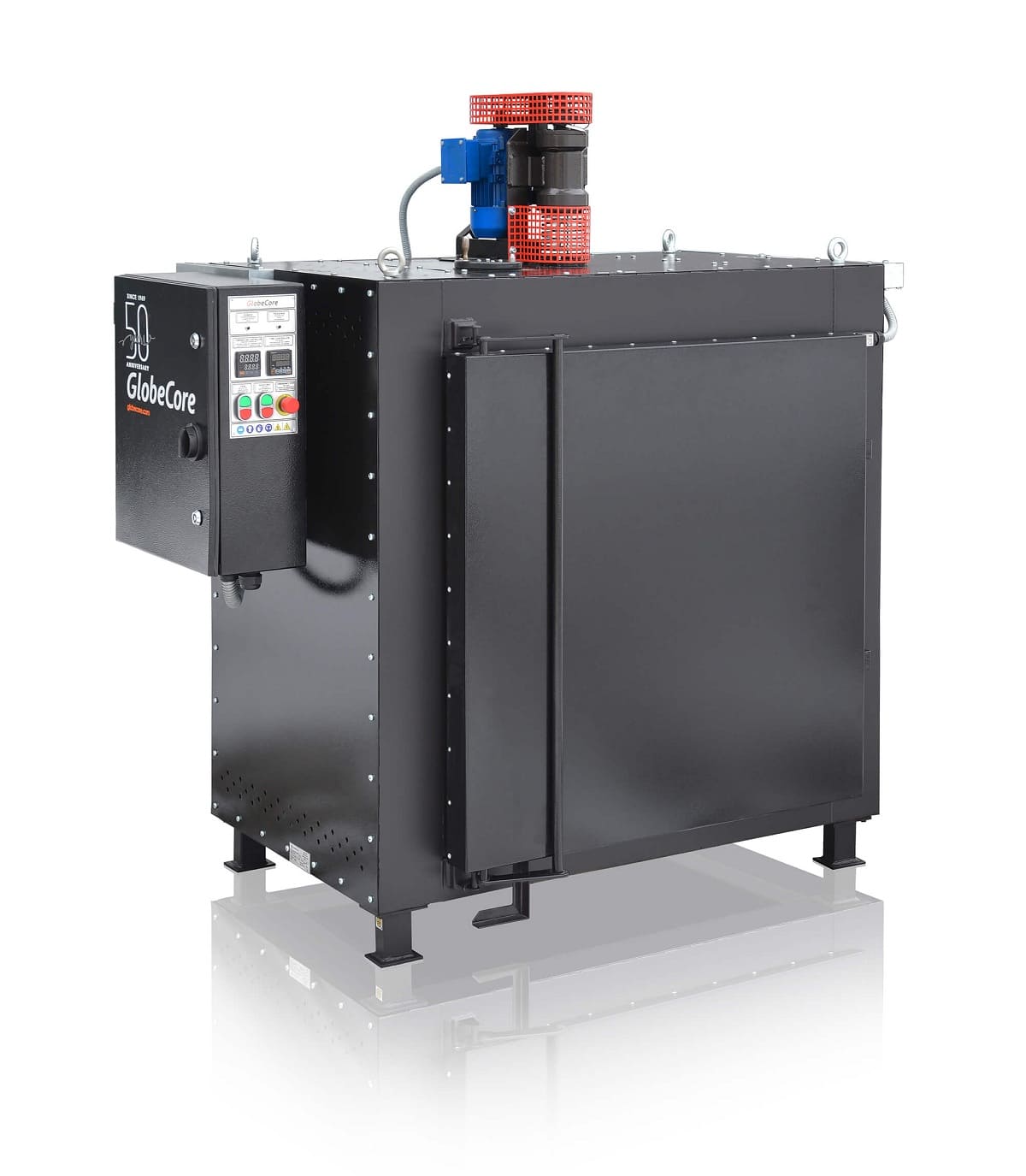
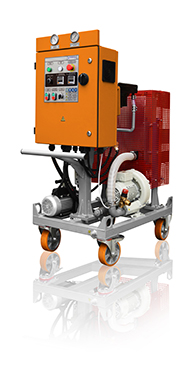
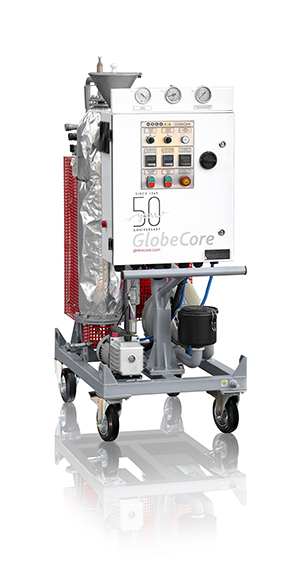
Silica gel dehydration during regeneration occurs through heating. By raising the temperature to 120-150°C, the moisture that the silica gel has absorbed evaporates, returning the silica gel to a dry state. This process can take 2-3 hours and is usually done in an oven for smaller quantities. For larger quantities, GlobeCore’s specialized equipment ensures effective dehydration by providing controlled heat and even distribution, making it possible to regenerate large batches of silica gel efficiently without compromising quality.
-
November 19, 2024 at 8:22 am by Nazar Hyzniak
Yes its interesting topic
- November 19, 2024 at 8:23 am by Nazar Hyzniak
-
November 19, 2024 at 8:27 am by Sarah Davis
It seems you’ve shared a link related to retail, but if you’re looking for specific information or have questions about silica gel regeneration or its applications in the retail industry, feel free to ask! I’m here to help with any inquiries you have regarding silica gel, its drying process, safety precautions, or its usage across various sectors.
-
March 27, 2026 at 8:46 am by Craig Price
A useful addition to this discussion is that silica gel regeneration is not just a matter of heating, but a controlled desorption process governed by temperature, airflow, and time. When silica gel is heated, the physical bonds between water molecules and the porous surface weaken, allowing the adsorbed moisture to evaporate. This typically occurs within a temperature range of about 120–150 °C, where water is effectively removed without damaging the pore structure of the material.
Another important point is the role of airflow and uniform heating. In industrial systems, simply applying heat is not sufficient — the evaporated moisture must be continuously removed from the silica gel surface. Otherwise, partial re-adsorption can occur, reducing regeneration efficiency. For this reason, advanced systems use controlled hot air circulation or vacuum conditions to accelerate moisture removal and ensure consistent regeneration across the entire sorbent volume.
It is also worth noting that overheating can degrade silica gel performance. Excessive temperatures may reduce porosity and adsorption capacity, meaning that proper temperature control is critical for maintaining long-term efficiency and reuse cycles.
In order to gain a better understanding of how silica gel drying is implemented in real transformer maintenance systems and how regeneration is integrated into continuous operation, it is worth reviewing this article: https://globecore.com/transformer-maintenance/drying-of-silica-gel/. -
March 27, 2026 at 8:52 am by Alexander Taylor
You’re exactly right — regeneration is a controlled desorption process where temperature, airflow and time work together to release and carry away the water bound in the gel’s pore structure. Heating weakens the physical bonds holding adsorbed water so it evaporates, but the evaporated vapor must be removed continuously (by hot-air circulation or vacuum) to prevent partial re‑adsorption. Overheating or holding temperatures above the gel maker’s limit will damage porosity and reduce adsorption capacity, so always respect the manufacturer’s maximum temperature and use automatic stabilization where available.
In practical, industrial practice those principles are implemented with an insulated chamber, lateral heating elements and forced airflow to ensure uniform temperature and continuous removal of moisture; some systems add a dedicated “blowing” mode or vacuum to speed desorption. Operate by setting the drying temperature to the gel brand’s recommended limit, allow the system to stabilize, maintain steady airflow to evacuate vapor, let the gel cool before handling, and repeat cycles as needed. Verify regeneration effectiveness with color‑indicator gel or moisture testing and retire gel that shows permanent capacity loss.