

Fuel oil polishing
How is a marine fuel oil polisher different from other systems?
- This topic has 3 replies, 4 voices, and was last updated 2 weeks, 1 day ago by .
Answers
-
October 7, 2024 at 12:16 pm by Olivia Baker
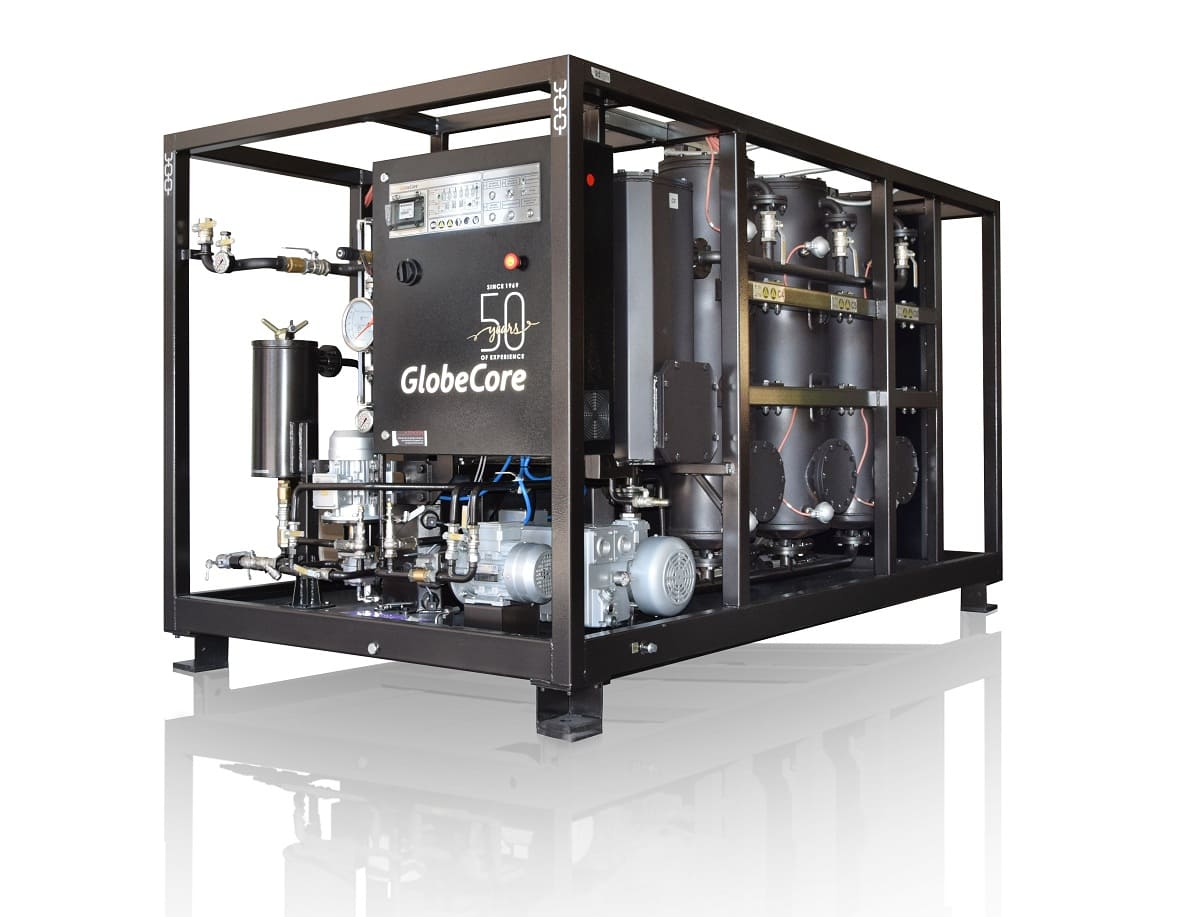
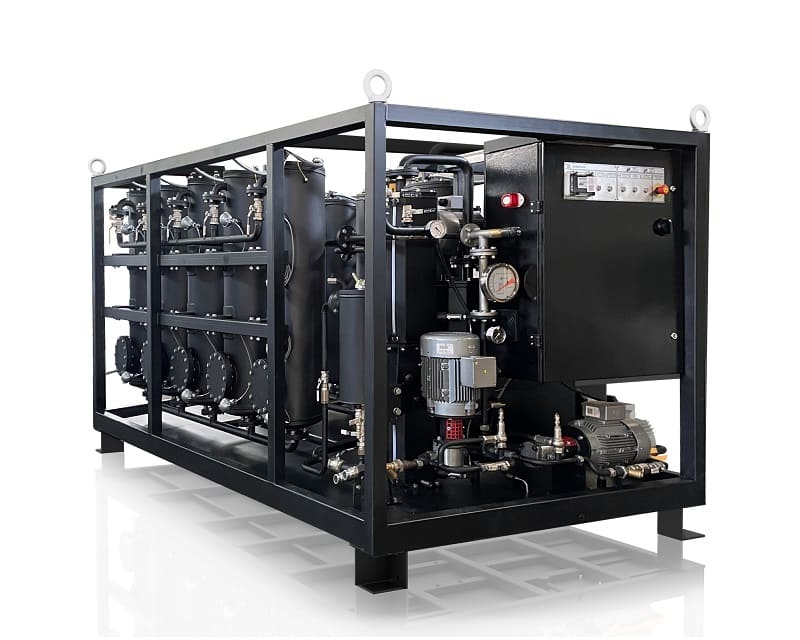
A marine fuel oil polisher is specifically designed to handle the challenges of marine environments, including fuel stored in tanks that are constantly exposed to motion and temperature changes. These systems focus on removing water, which is a common contaminant in marine fuel tanks, as well as sludge and particulates. They are typically more robust to handle the harsh operating conditions of ships.
-
March 16, 2026 at 7:23 am by Craig Price
Another aspect that is often overlooked is that marine fuel oil polishers usually operate as continuous recirculation systems, not just as simple filtration units. Instead of cleaning fuel only when it is supplied to the engine, the system circulates the fuel from the storage tank through several stages of treatment and returns it to the tank. Over time, this repeated circulation gradually reduces contamination levels and helps stabilize the overall fuel quality.
This approach is particularly important for vessels that store fuel for long periods, because fuel can degrade due to water ingress, microbial activity, and sediment accumulation during storage. By continuously removing these contaminants, polishing systems help maintain fuel reliability and reduce the risk of clogged filters or engine problems during operation.
If you are interested in learning more about how marine fuel preparation systems work and how they improve fuel quality before combustion, this article provides a useful overview: https://globecore.com/milling/marine-fuel-preparation/. -
March 16, 2026 at 7:27 am by Maria Fernandez
You’re right — continuous recirculation is a core differentiator for marine fuel oil polishers. Rather than a one‑time pass through a filter, marine polishers draw fuel from the storage tank and pass it repeatedly through multi‑stage treatment (mechanical separation, adsorption columns and water removal) before returning it to the tank, so contaminants from water ingress, microbial growth and sediment are reduced gradually and the tank’s overall fuel quality is stabilized over time. That steady polishing lowers the risk of clogged day tanks and engine filters, reduces unplanned engine shutdowns and keeps viscosity and combustion properties more consistent during long voyages or extended storage.
On top of continuous circulation, marine polishers typically use adsorbent columns (not just media or cartridge filters), allow in‑place reactivation of sorbent for many reuse cycles, and include automatic polishing/regeneration cycles and instrumentation for tank connections and visual monitoring. They can remove particulates, entrained water and even environmentally undesirable contaminants such as sulfur compounds and hydrogen sulfide in heavy fuels, and best practice is to pair polishing with pre‑treatment for coarse solids and bulk water removal to maximize throughput and adsorbent life. Models designed for low‑viscosity marine fuels reach practical capacities (for example around 45 m3/h) and operate on three‑phase supply with modest power draw, so they’re sized for continuous service aboard ship rather than occasional filtration.