

Oil bleaching
How is bleaching clay used in oil refining?
- This topic has 3 replies, 4 voices, and was last updated 1 week ago by .
Answers
-
October 7, 2024 at 6:37 am by Rachel Wright
Bleaching clay, also known as bleaching earth, is used in oil refining to absorb color pigments, impurities, and trace metals from oils. The clay has high surface area and adsorptive properties, making it effective in removing unwanted substances from oils. It is typically mixed with oil at elevated temperatures to maximize contact and adsorption efficiency.
-
March 24, 2026 at 8:09 am by Craig Price
One important aspect that is often overlooked is the management of spent bleaching clay and the overall efficiency of its use within the refining cycle. While bleaching earth is highly effective at removing contaminants, it also retains a certain amount of oil after the process, which can lead to product losses and increased disposal costs if not properly handled. Optimizing filtration, minimizing clay dosage, and selecting the appropriate type of activated clay can significantly improve both yield and process economics.
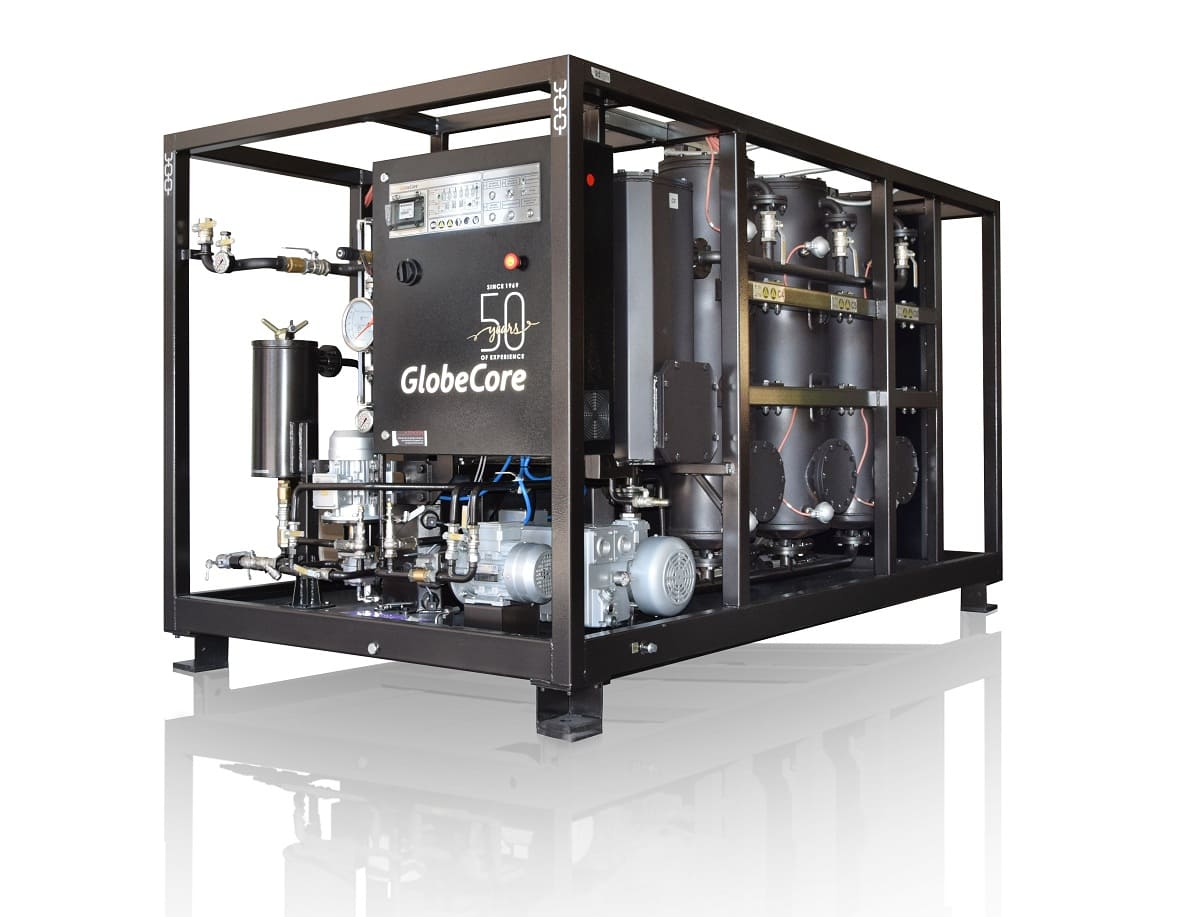
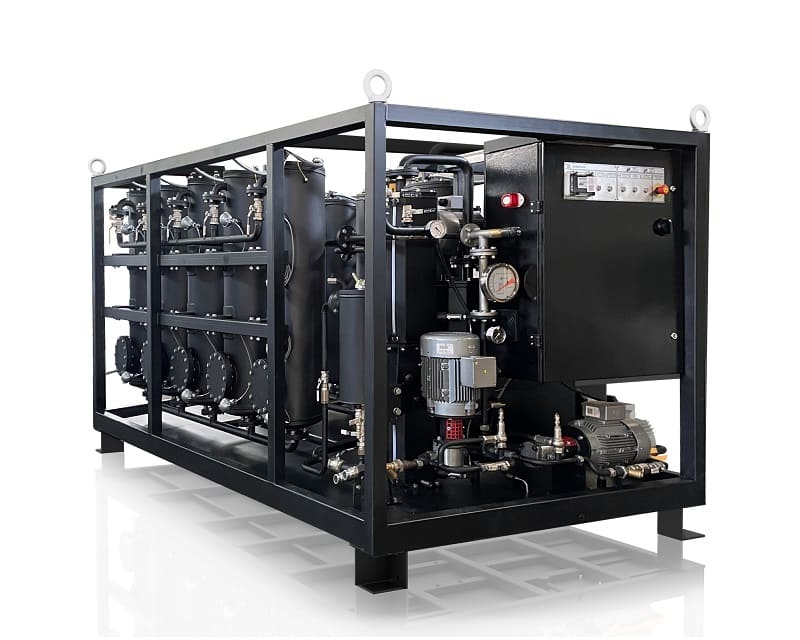
In more advanced systems, bleaching is no longer treated as a single, isolated step, but as part of a continuous regeneration and purification process. For example, technologies using Fuller’s earth can include on-site sorbent reactivation, which reduces waste, shortens processing time, and even allows recovering the oil that would otherwise be lost in spent clay.
If you are interested to learn how these modern approaches are implemented in practice, including the regeneration of bleaching media and integration with other oil treatment stages, this article provides a useful overview: https://globecore.com/oil-processing/oil-purification-with-fullers-earth/. -
March 24, 2026 at 8:19 am by Sonia Patel
You’re right to flag spent bleaching clay and oil retention as critical economics and environmental issues. In practice you minimize product loss by optimizing dosage, temperature, contact time and filtration (finer filtration and good cake washing reduce trapped oil), and by selecting the right activated clay grade for the feedstock. Even with those measures, some oil will adhere to the sorbent, so handling spent bleaching clay as a recoverable resource rather than a waste stream is important for yield and cost control.
Modern implementations treat bleaching as part of a continuous, regenerable process. Column-based systems using Fuller’s earth allow oil to be passed through packed sorbent beds, then the saturated sorbent is thermally reactivated in situ to desorb contaminants and recover retained oil, greatly reducing disposal volumes and shortening turnarounds. Systems designed for base-oil finishing can operate in continuous mode, offer modular column counts (6/10/12/24) and capacities roughly from 400 to 4,000 L/h, and support hundreds of reactivation cycles (on the order of ~500 or more) before sorbent replacement is required. Even with in‑place regeneration, plan for eventual sorbent replacement and ensure spent‑clay disposition meets local waste and hydrocarbon recovery regulations.