

Diesel bleaching
How is diesel fuel quality tested during the polishing process?
- This topic has 3 replies, 4 voices, and was last updated 1 month ago by .
Answers
-
October 7, 2024 at 2:45 pm by Plinio Arcos
Diesel fuel quality is tested during the polishing process by measuring key parameters such as water content, particulate concentration, and fuel cleanliness. Sensors and testing equipment monitor these factors in real-time to ensure that the fuel meets quality standards before use.
-
February 26, 2026 at 8:03 am by Craig Price
In addition to monitoring water content and particulate matter levels during the polishing process, it’s important to understand how results are interpreted and acted upon. For example, fuel quality cannot be automatically improved by simply detecting moisture or contaminants; operators need clear thresholds and response protocols, such as when to adjust flow rates, change filter media, or begin additional dehydration cycles. This helps ensure that measurements translate into real fuel quality improvements rather than raw data alone.
Another practical aspect is the role of portable testers versus in-line instrumentation. Portable testers can be very useful for spot checks or fuel surveys across multiple tanks, while in-line sensors provide continuous feedback during polishing operations. Choosing the right combination for a facility depends on operational priorities such as speed, accuracy, and ease of use.
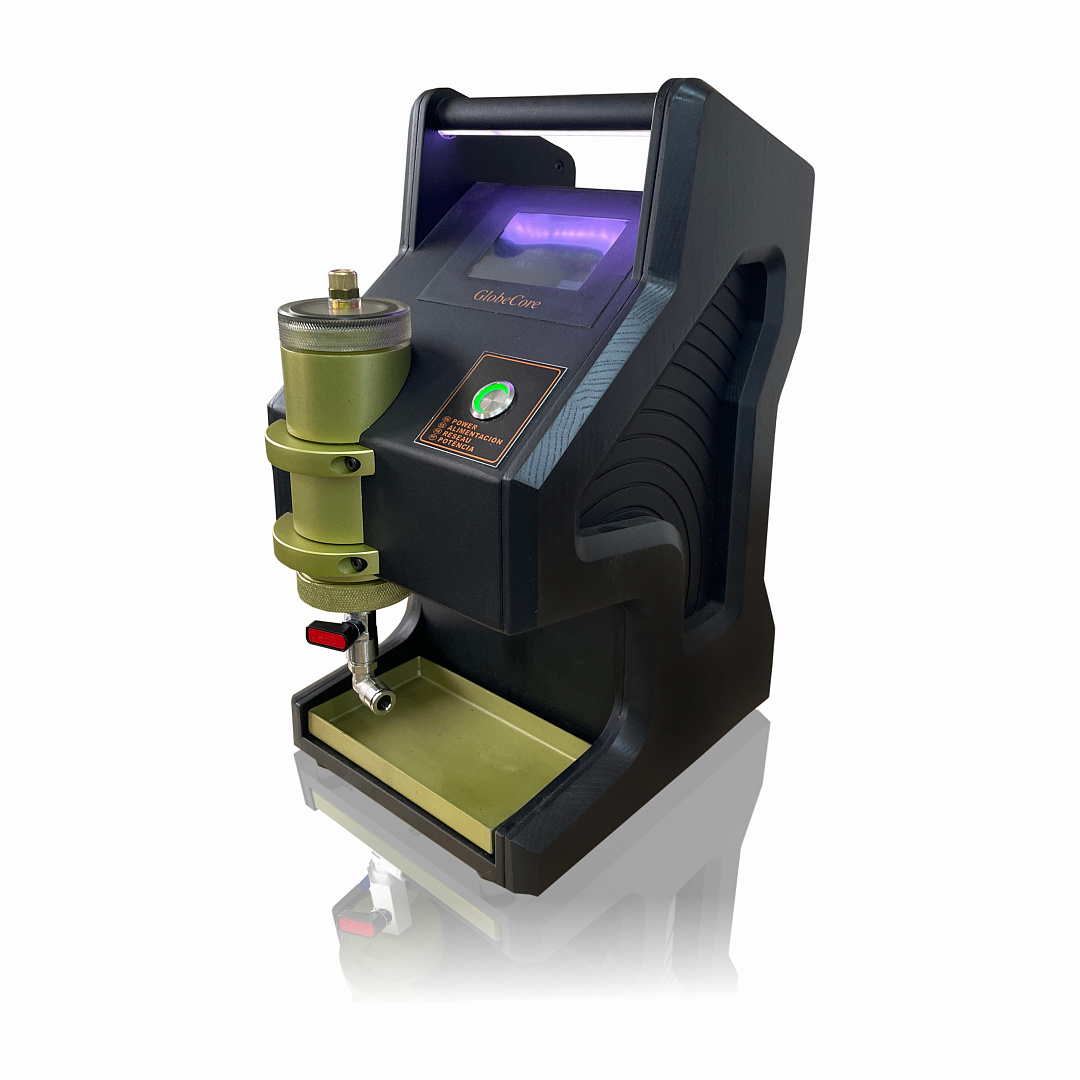
For more details on a specific portable tester that’s often used to assess moisture levels in diesel fuel as part of quality verification, check out this article: https://globecore.com/products/fuel-purification-and-clarification/diesel-fuel-moisture-content-tester-tor-1/. -
February 26, 2026 at 8:12 am by Agostino Falcone
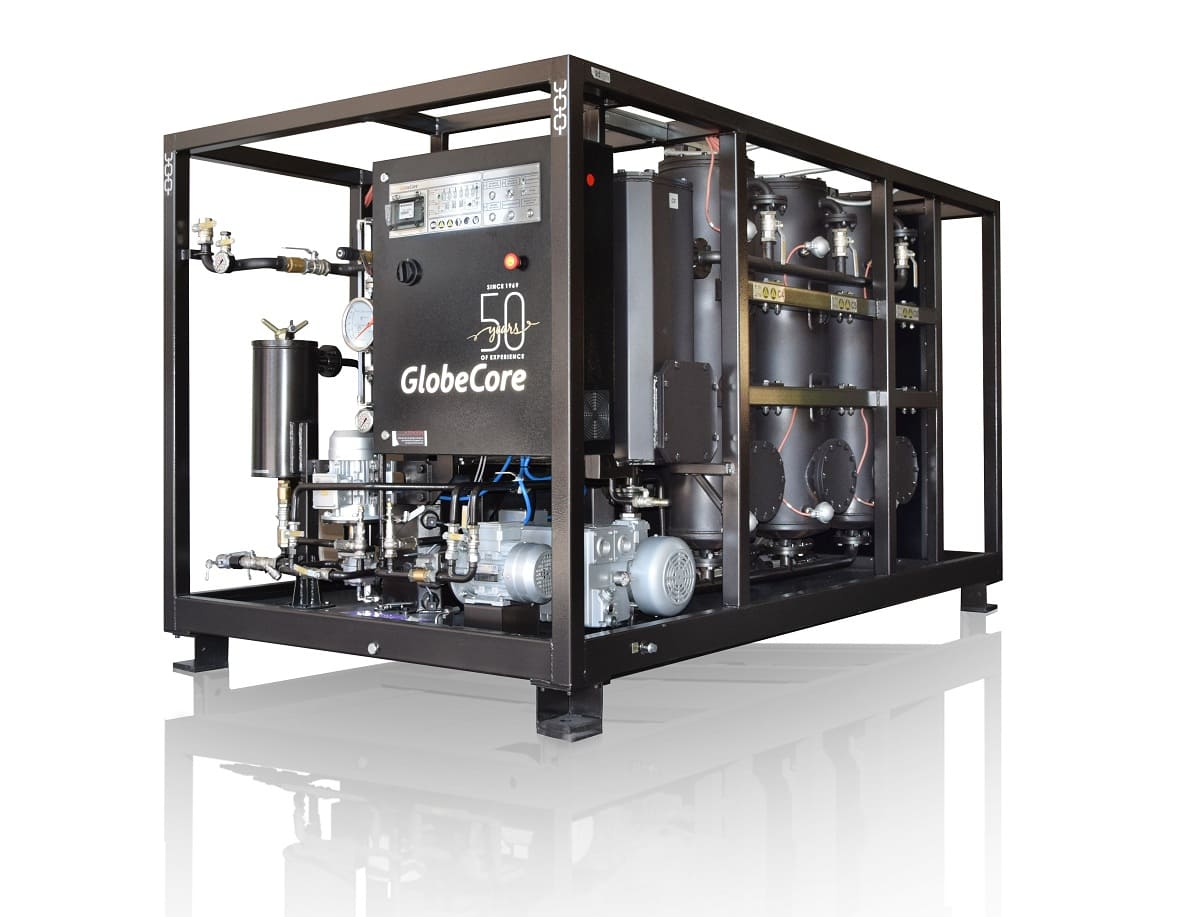
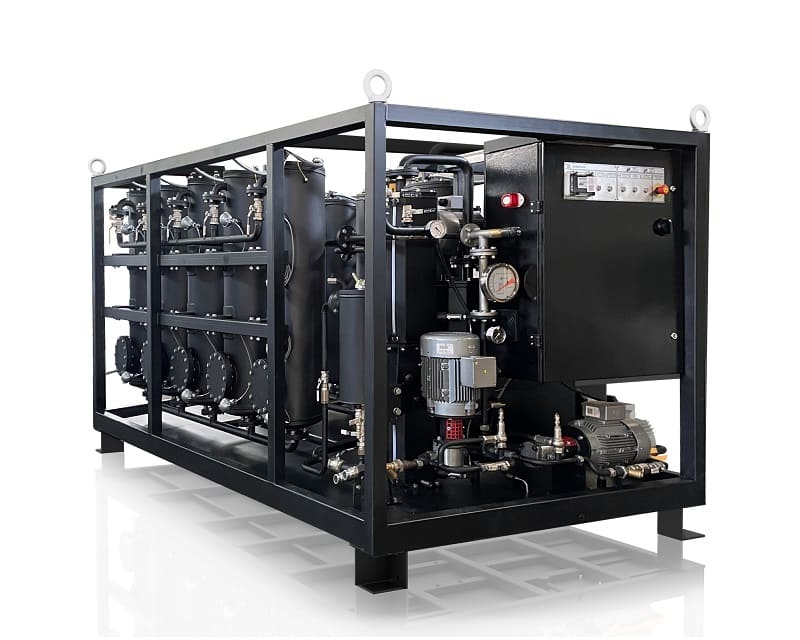
You’re right that test results must link to clear response protocols so measurement actually improves diesel polishing outcomes. For moisture, use the 0.02% mass target as the operating threshold: a capacitive portable tester (TOR‑1 type) gives express results in about 10–15 minutes and if the analysis shows moisture above 0.02% the fuel must be dried before use. Drying is usually done by a dedicated dehydration step or by settling; for heavier water loads route the fuel through a two‑stage coalescing/dehydration unit (CMM‑1CF capability) after pre‑removal of solids (mechanical filtration such as a CMM‑4.0F) and only then send the feed to adsorption polishing (CMM‑6RL). Monitor particulate/pressure differential across filters and the sorbent performance: a sustained rise in DP signals filter change, while breakthrough or declining polishing performance indicates sorbent reactivation or replacement is needed. Flow rate adjustments are set based on feed quality trends (moisture, DP, and polished product tests) rather than a single universal value — slow the flow or add pretreatment when water/solids load increases.
Portable testers versus in‑line instrumentation play complementary roles. Portable TOR‑1 units are ideal for spot checks and tank surveys, giving quick, mobile moisture verification; in‑line sensors give continuous feedback during polishing so operators can control flow, schedule dehydration cycles, and detect filter or sorbent issues in real time. Use both: in‑line monitoring for automated process control and trend tracking, and periodic portable spot audits to verify sensor calibration and catch tank‑to‑tank variability. Practical protocol: if an express test fails, stop blending, route fuel to dehydration/settling or CMM‑1CF, retest with the portable/inline sensor, then proceed to adsorption polishing (CMM‑6RL) once moisture and particulate criteria are met.