

Fuel oil polishing
How is fuel oil polishing used in emergency power systems?
- This topic has 3 replies, 4 voices, and was last updated 2 weeks, 6 days ago by .
Answers
-
October 7, 2024 at 11:58 am by Laura Schmidt
Fuel oil polishing is used in emergency power systems to ensure that the fuel stored for backup generators remains clean and ready for use. Emergency generators rely on high-quality fuel for reliable operation, and polishing systems prevent contaminants from degrading the fuel. This ensures that emergency power systems can function effectively when needed, minimizing the risk of failure.
-
March 11, 2026 at 7:49 am by Craig Price
Another important aspect of fuel oil polishing in emergency power systems is its role in maintaining the long-term availability of fuel. Backup power generators are often idle for extended periods, which allows contaminants such as water, microbial growth, and sediments to accumulate in stored fuel. If untreated, these impurities can clog filters, damage injectors, and prevent generators from starting reliably during a power outage.
Routine fuel polishing helps prevent these problems by circulating the stored fuel through filtration and water separation stages at regular intervals. This process removes contaminants, stabilizes the fuel, and ensures that the generator receives clean fuel when it is required to operate. As a result, organizations that depend on critical backup power — such as hospitals, data centers, and industrial facilities — can significantly reduce the risk of generator failure during emergencies.
If you are interested in learning more about how polishing technologies can also be used to restore dark or degraded diesel fuel, this article provides a detailed overview of the process and the applicable processing methods: https://globecore.com/fuel-processing/dark-diesel-fuel-polishing/. -
March 11, 2026 at 7:53 am by Megan Young
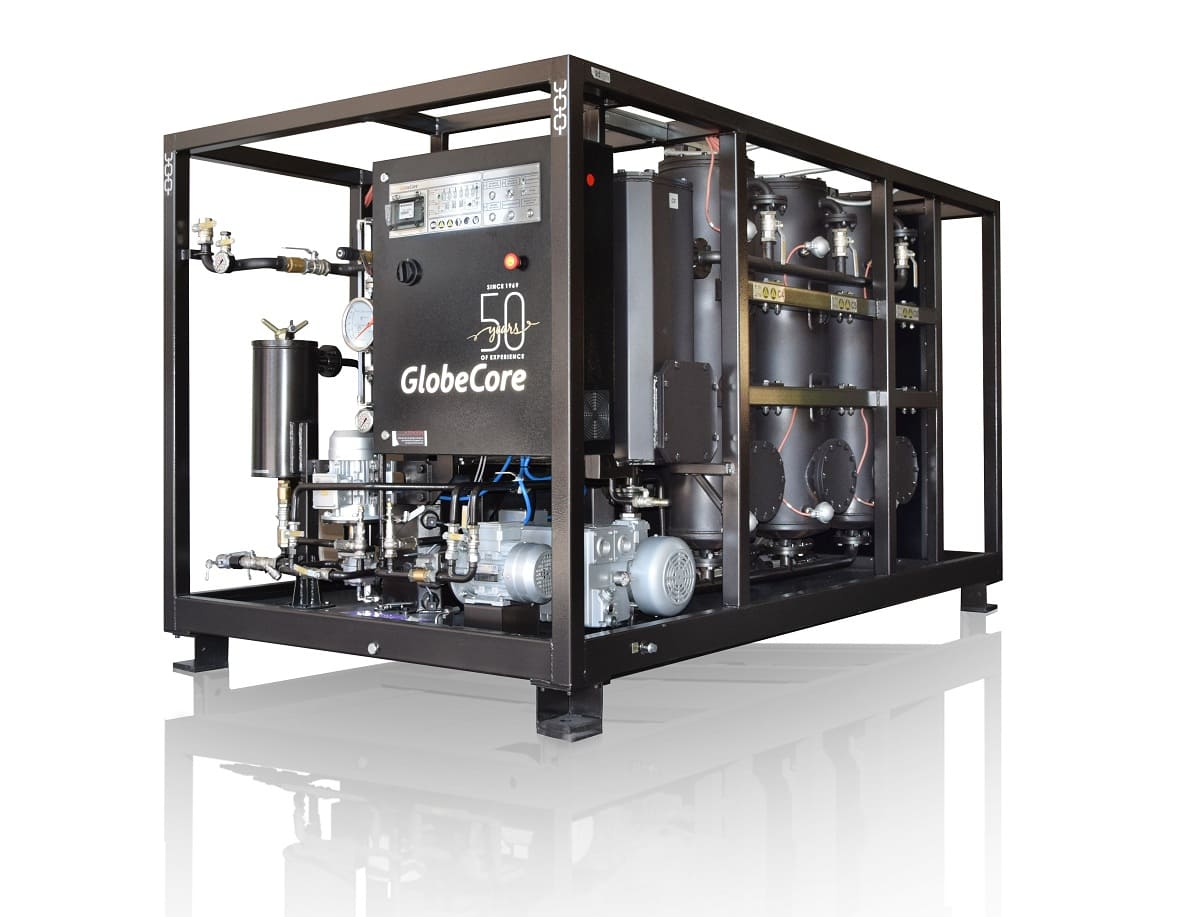
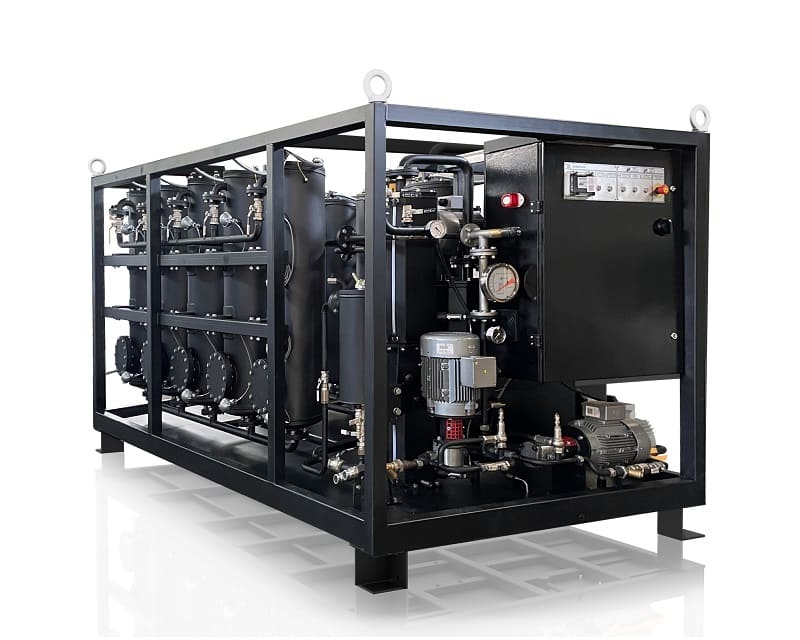
You’ve described the core benefits accurately: routine polishing prevents water, microbes and sediments from rendering stored fuel unusable and dramatically reduces the risk of generator failure. In practice this is done not just by filtration and water separation but, for dark or degraded diesel, by adsorbent-based polishing which removes sulfur, hydrogen sulfide and other contaminants and returns fuel to a diesel-like quality. Commercial polishing systems (for example CMM‑R families and the CMM‑6RL dark diesel polishing machines) use multiple adsorption columns, have a sorbent reactivation mode (sorbents can be reclaimed many times—on the order of a few hundred cycles) and are intended to follow upstream mechanical and water pretreatment to get best results.
When you design a polishing program for emergency power, size the polisher to circulate tankage at a sensible interval, include upstream mechanical filtration and water separators (pre‑cleaning units such as CMM‑4.0F and CMM‑1.0CF are commonly recommended before adsorbent polishing), and plan for sorbent reactivation time and eventual replacement. Capacity scales with the number of adsorption columns (some units are rated in the tens of m³/h), and reactivation cycles and durations are operational constraints to factor into maintenance and spare‑parts planning. Combined with routine sampling and simple microbial and water checks, this approach keeps backup generators supplied with reliable, ready-to-run fuel.