

Oil bleaching
How is sustainability achieved in modern oil bleaching processes?
- This topic has 3 replies, 4 voices, and was last updated 1 week, 1 day ago by .
Answers
-
October 7, 2024 at 6:23 pm by Gabriel Silva
Sustainability in modern oil bleaching processes is achieved by optimizing the use of bleaching agents, reducing energy consumption, and recycling or reusing spent adsorbents when possible. Advances in filtration and automation help minimize waste and enhance the overall efficiency of the process, contributing to environmental sustainability.
-
March 23, 2026 at 7:29 am by Craig Price
In addition to optimizing adsorbent usage and energy efficiency, a key sustainability driver in modern oil bleaching is the shift toward a circular approach to materials and process integration.
For example, spent bleaching earth (SBE), typically treated as waste, is now increasingly regenerated, reused, or processed for oil recovery, reducing both environmental impact and raw material consumption. Studies show that reusing or regenerating adsorbents can significantly reduce waste volumes and even allow multiple reuse cycles before disposal. At the same time, the development of hybrid and high-efficiency adsorbents allows operators to achieve the same or better purification results with lower material consumption, further improving process sustainability.
Another key aspect is the integration of bleaching into a broader purification strategy, where upstream processes (such as filtration or dehydration) reduce the contaminant load before bleaching. This not only improves bleaching efficiency, but also extends adsorbent service life and reduces overall resource usage.
In practice, sustainability in oil bleaching is therefore not just about minimizing inputs, but about designing a system where materials, energy, and process stages work together efficiently over the entire lifecycle of the oil.
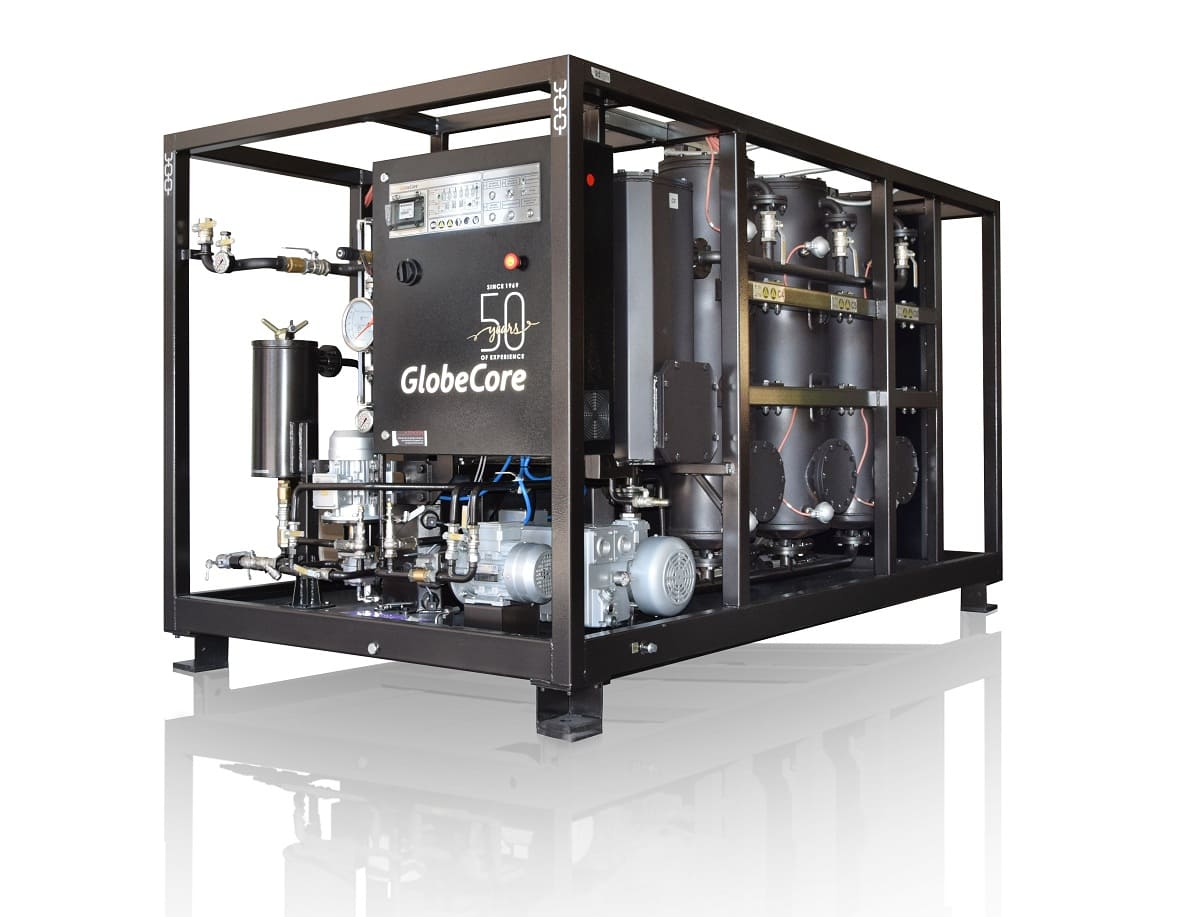
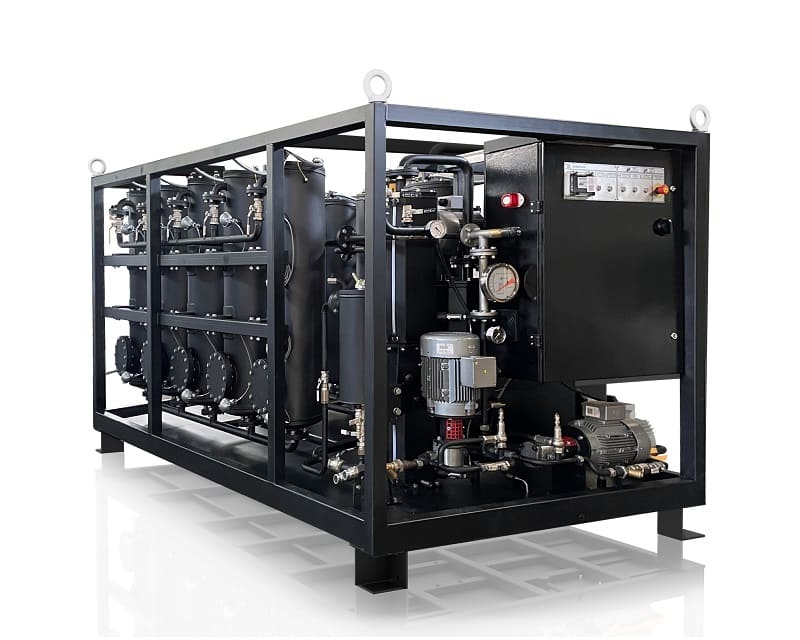
If you’re interested in how these purification stages are combined in real industrial applications and how they contribute to overall oil treatment efficiency, this article provides a useful technical overview: https://globecore.com/oil-processing/oil-bleaching/. -
March 23, 2026 at 7:39 am by Amir Khan
You’re right — sustainability in modern oil bleaching increasingly hinges on a circular, systems-level approach rather than isolated measures. Recovering and regenerating spent bleaching earth (SBE) or other sorbents, using upstream dehydration/filtration to lower contaminant loads, and adopting higher-efficiency hybrid adsorbents all work together to cut raw-material use, reduce waste volumes, and extend adsorbent service life. Integrating bleaching with pre-treatment and downstream regeneration creates a lifecycle‑oriented process that improves bleaching efficiency, reduces consumption of fresh adsorbent and oil, and lowers energy and disposal costs.
In practice this is being delivered by on-site, modular regeneration technologies that close the loop: sorbents are reactivated many times (for example, certain units allow 300–500 reactivations, while others manage about 300 cycles before final, environmentally safe disposal), emissions are controlled with two‑stage neutralization (carbon filter plus catalytic converter), and regenerated oil is returned to service with restored breakdown strength, acidity and dielectric loss characteristics. Configurations that permit in‑service transformer oil treatment further cut logistics and waste. The result is measurable reductions in procurement and disposal costs, improved regulatory compliance, and a much smaller environmental footprint. If you want, I can map these sustainability features to specific plant workflows or to particular unit types (e.g., CMM-6RL, CMM-12R or CMM-R) for a more practical implementation overview.