

Mustard production
How is the mixing and blending process managed to ensure consistent product quality?
- This topic has 3 replies, 4 voices, and was last updated 1 month ago by .
Answers
-
February 21, 2025 at 9:39 pm by Pasquale Scarponi
Mixing is controlled using automated, programmable mixers that set precise speeds and durations. Real-time monitoring systems ensure ingredients are evenly distributed, while standardized protocols and regular equipment calibration maintain consistency. This rigorous control produces a stable emulsion with uniform texture and flavor throughout each batch.
-
February 24, 2026 at 8:11 am by Craig Price
Another important factor in managing the mixing and blending processes is understanding how raw material variability can influence final product quality. Even with precise automated mixers and real-time monitoring, inconsistent input properties — such as viscosity differences, particle size distribution, or temperature fluctuations — can lead to subtle quality changes across multiple batches. In order to mitigate this, many operations incorporate raw material conditioning and inline sensors that dynamically adjust process parameters rather than rely solely on fixed mixer settings.
It’s also worth noting that effective blending is not just about achieving uniformity during the process — it’s about maintaining stability over time, especially when the product is stored or transported. This often involves periodic sampling and statistical quality control measures that help detect a process drift before it becomes problematic.
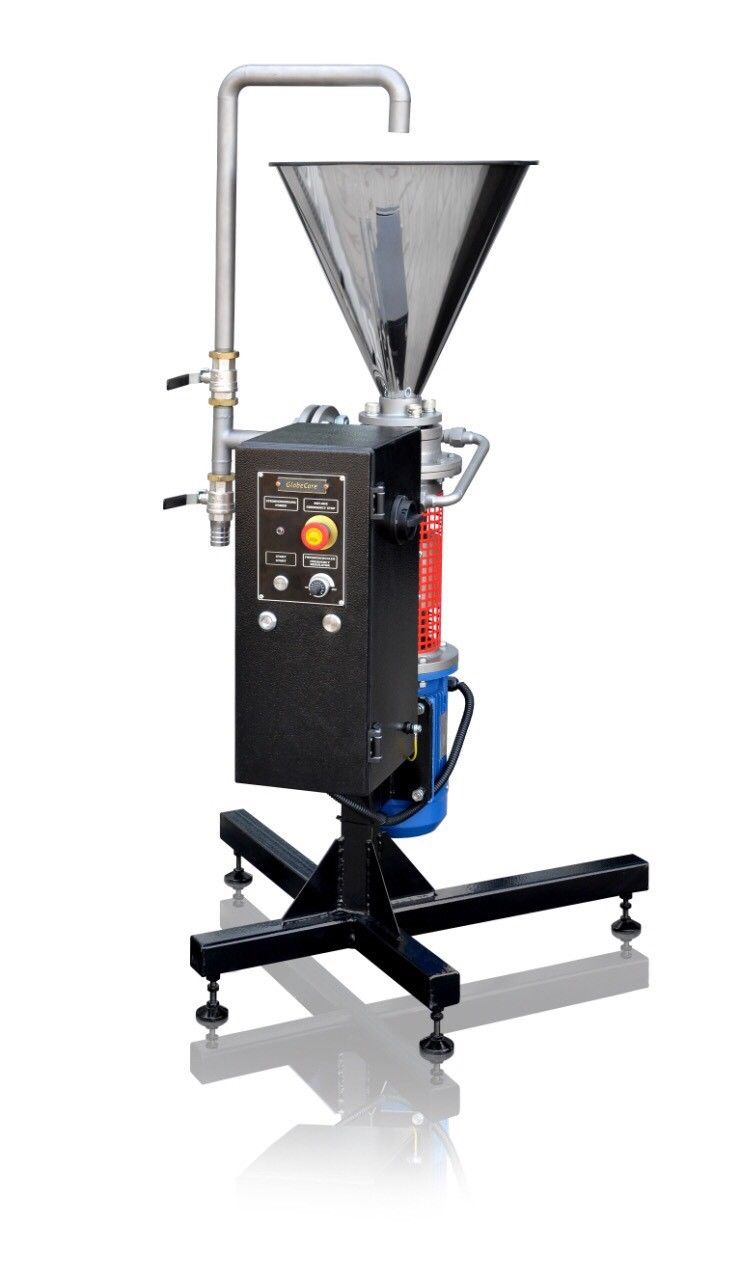
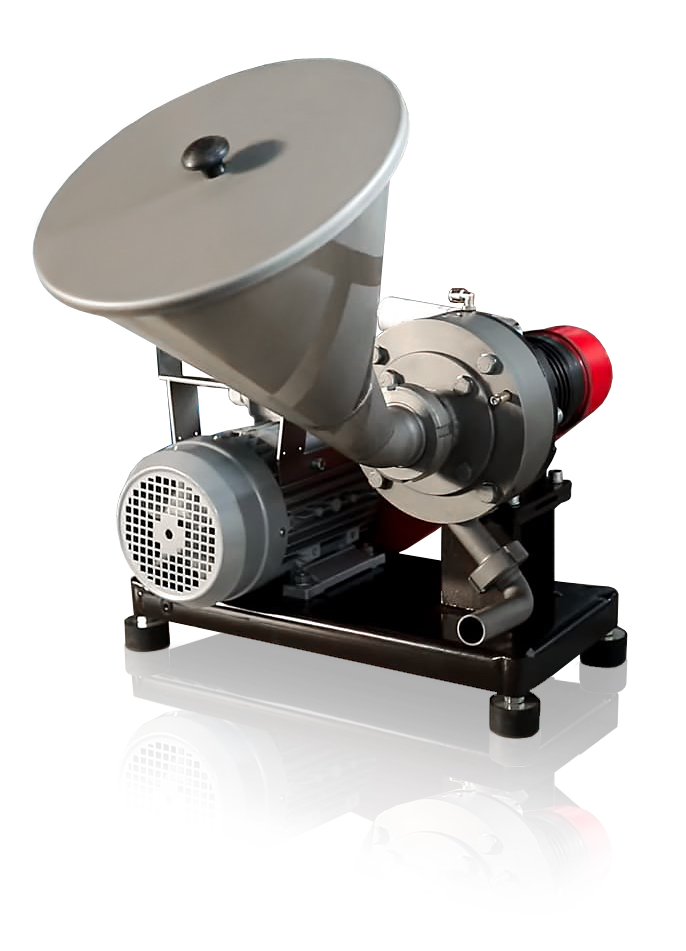
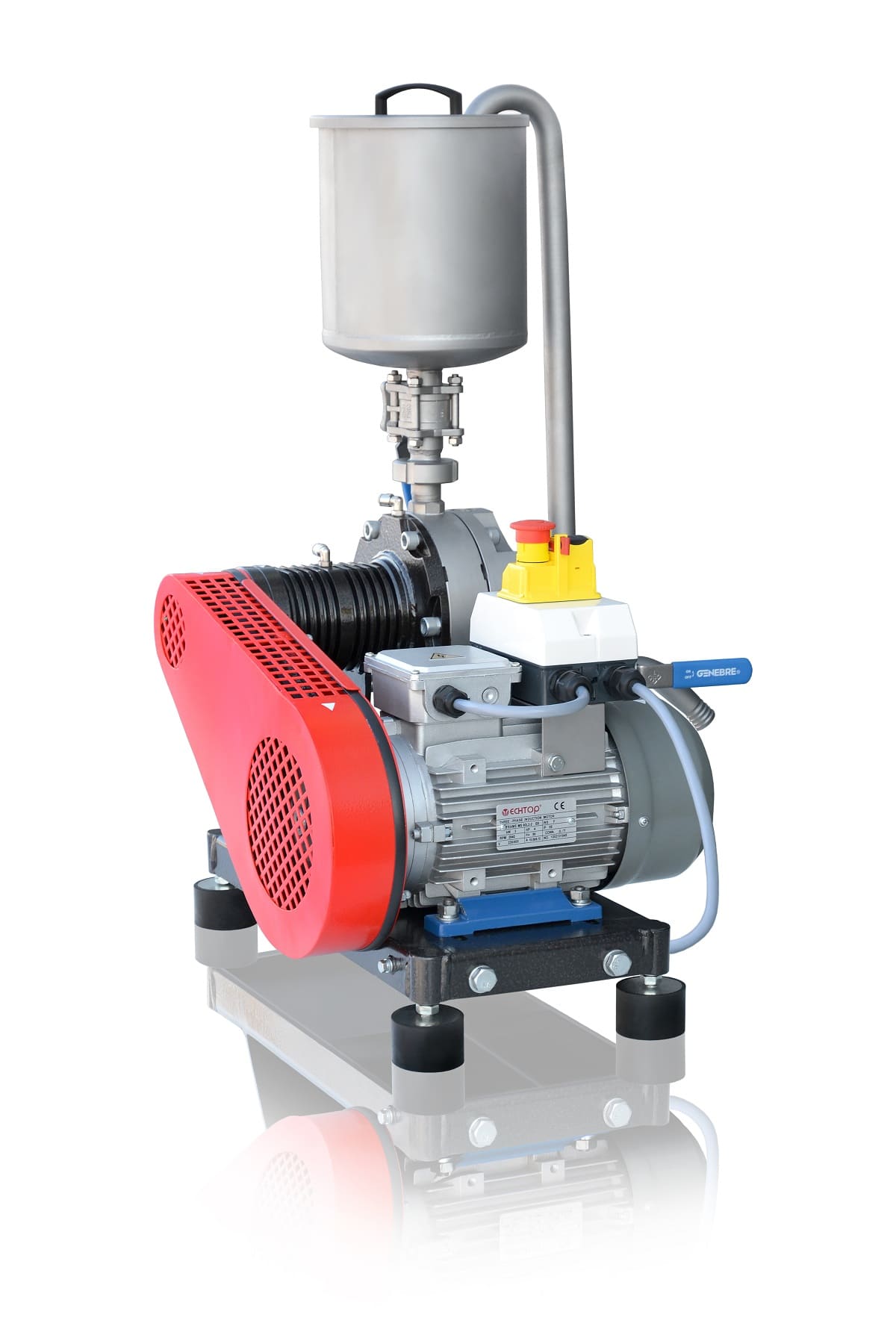
For those interested in a deeper dive into modern blending technologies, including how hydrodynamic blending systems are designed to handle complex formulations and improve batch-to-batch consistency, I’d recommend checking out this article: https://globecore.com/mixing-and-blending/hydrodynamic-blending-systems/. -
February 24, 2026 at 8:19 am by Richard Mcdaniel
You’re absolutely right — even the best automated mixer won’t guarantee consistent mustard if incoming ingredients vary in viscosity, particle size distribution, solids content or temperature. Mitigation starts with raw-material conditioning: sieving and deagglomeration of dry mustard powder, pre-hydration or slurry preparation, and temperature control of oils and aqueous phases so they enter the mixer at repeatable properties. Inline sensors for viscosity, density/turbidity, temperature and pH let you move from fixed setpoints to dynamic control, with dosing pumps and impeller speed adjusted in real time to preserve target shear and residence conditions. Using a purpose-built mixing unit that provides precise batching of multiple constituents, high-speed impeller mixing and automated cycle control helps lock in formulation accuracy and uniform dispersion despite feed variability.
Maintaining stability over time requires both good process control and a quality program. Hydrodynamic blending or cavitation-based homogenization is especially useful for mustard emulsions and spice dispersions because it produces fine, stable droplets and handles variable inputs without large buffer tanks, while flow blending lets you adjust ratios on the fly to meet specs. Complement those technologies with routine sampling and statistical quality control — control charts, set action limits and traceable batch records — and schedule calibration and preventive maintenance on sensors and pumps. Together, raw-material conditioning, inline measurement and dynamic control, plus SPC-based monitoring, give you the batch-to-batch consistency and storage/transport stability you need for commercial mustard production.