

Turbine oil
How is turbine oil cleanliness measured and maintained?
- This topic has 3 replies, 4 voices, and was last updated 10 hours, 4 minutes ago by .
Answers
-
October 1, 2024 at 3:36 pm by Joshua Roberts
Measured using:
ISO Cleanliness Codes: Quantifying particle counts at specific sizes.
Particle Counting Instruments: Laser particle counters assess contamination levels.
Maintained by:Filtration: Implementing appropriate filter systems.
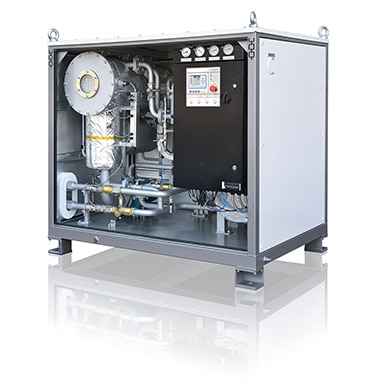
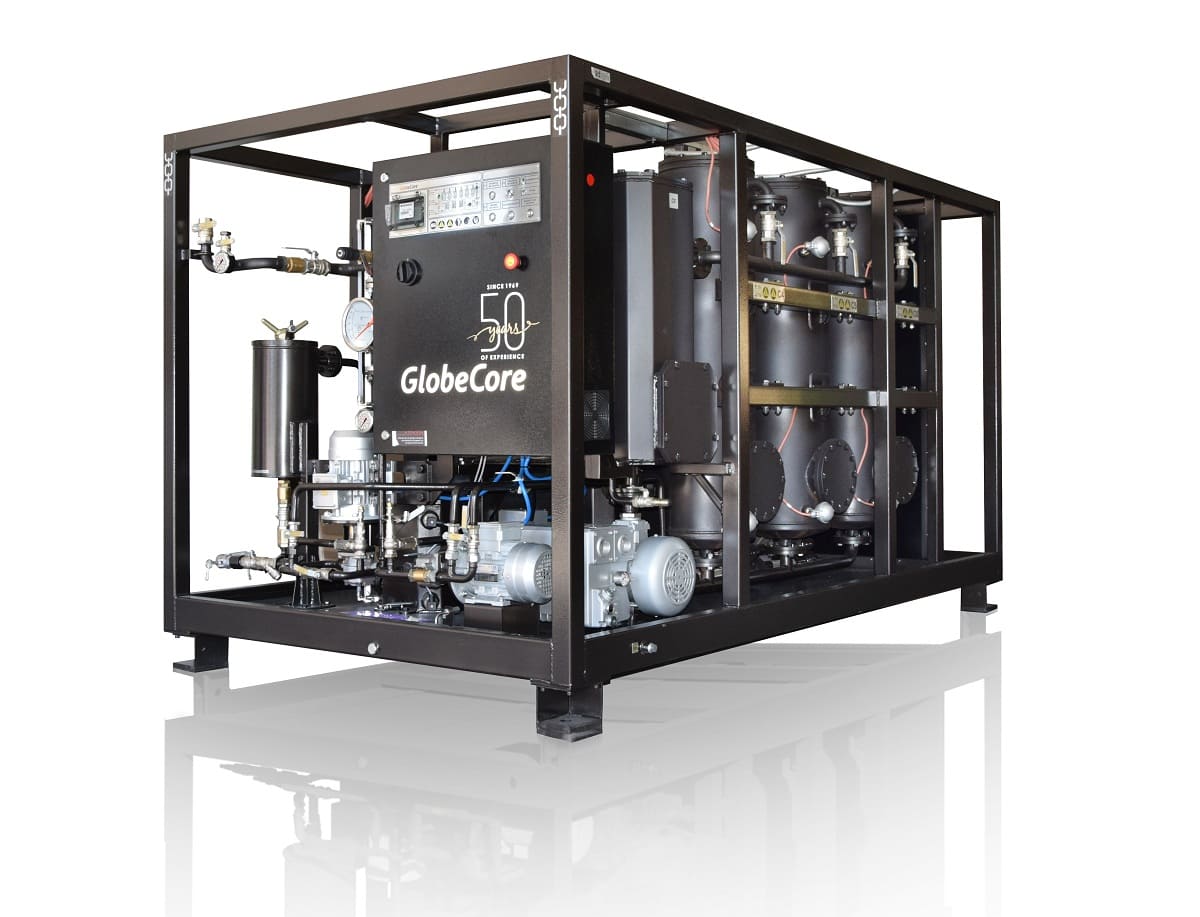
Oil Purification: Removing contaminants through centrifugation or vacuum dehydration.
Good Housekeeping: Clean handling and storage practices.
Seal Maintenance: Preventing ingress of external contaminants. -
March 31, 2026 at 8:14 am by Craig Price
A useful extension to this discussion is that turbine oil cleanliness should be evaluated not only as a single measurement but as a trend over time. A single ISO cleanliness code result provides only a snapshot, whereas continuous or periodic monitoring allows the detection of contamination dynamics — for example, a gradual increase in particle counts may indicate early-stage wear, seal degradation, or ineffective filtration long before a failure occurs.
It is also important to note that modern particle counting is based on standardized methods such as ISO 4406, where contamination is quantified by counting particles at specific sizes (typically ≥4, ≥6, and ≥14 microns per milliliter of oil). This makes it possible not only to assess oil condition, but also to verify the effectiveness of filtration systems and maintenance strategies in real time.
In practice, combining particle counting with moisture monitoring provides a much more complete insight into oil condition, since even low particle contamination can become critical when water is present in the oil. Portable instruments designed for field use enable quick on-site diagnostics, supporting predictive maintenance approaches.
For a more detailed look at how moisture and particle contamination can be measured under real operating conditions, it is worth reviewing this article: https://globecore.com/products/instruments/tor-6-transformer-oil-moisture-and-particles-tester/. -
March 31, 2026 at 8:24 am by Natalie Dupont
Absolutely — treating cleanliness as a trend rather than a single ISO code is essential for effective predictive maintenance. Modern particle counting uses ISO 4406 size bins (commonly ≥4, ≥6 and ≥14 µm) so repeated particle counts reveal contamination dynamics and let you verify filter performance and detect early-stage wear or seal leaks. Combining those counts with moisture monitoring is particularly important because even modest particle loads become far more damaging when free or dissolved water is present; portable field testers in the TOR family provide quick on-site diagnostics, while online monitors capture continuous data for trend analysis and alarm-driven maintenance.
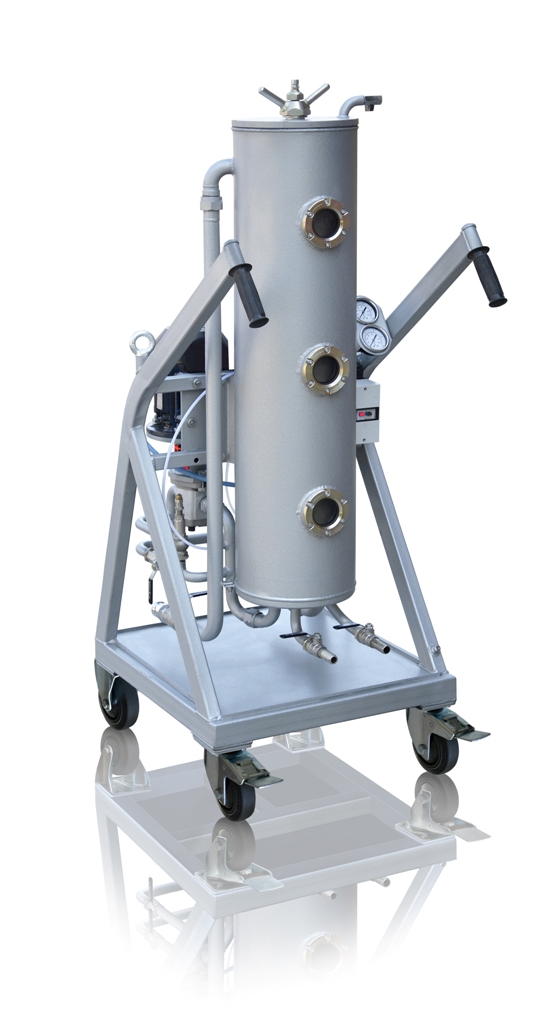
When you need to restore and stabilise oil condition, use multistage purification: heating, vacuum degassing and fine mechanical filtration to remove dissolved gases, water and particles and to reach target ISO/NAS classes. Mobile degassing carts and CMM-series filtration units deliver that combination of dehydration, thermovacuum drying and fine filtration so you can confirm post-treatment cleanliness against ISO 4406/NAS numbers. In practice a program that combines portable/online monitoring, trend analysis and periodic vacuum/filtration treatment gives the best protection for turbine bearings, gears and control hydraulics and supports timely, data-driven interventions.