

Diesel bleaching
What are the advantages of diesel fuel purification?
- This topic has 3 replies, 4 voices, and was last updated 1 month ago by .
Answers
-
October 7, 2024 at 1:55 pm by Fatima Alhassan
The advantages of diesel fuel purification include improved fuel efficiency, reduced engine wear, lower maintenance costs, and extended fuel storage life. By removing water, sludge, and particulates, purification systems ensure that fuel meets quality standards and is ready for immediate use.
-
February 26, 2026 at 7:14 am by Craig Price
Beyond the immediate benefits mentioned, it’s also worth looking at diesel fuel purification from the perspective of long-term operational reliability. Consistently clean fuel helps stabilize the combustion quality, which can lead to more predictable engine performance and reduced emissions variability, especially in power generators and heavy-duty equipment operating under fluctuating loads. Furthermore, purified diesel fuel mitigates the risk of injector fouling and filter clogging, which is a common cause of unplanned downtime in fuel systems that rely on stored fuel for extended periods.
Another aspect that is often overlooked deals with fuel system compatibility. Modern diesel engines with high-pressure injection systems are far more sensitive to contamination than older designs, making fuel purification not just a cost-saving measure, but a preventive requirement to avoid premature failure of components. For a broader overview of purification methods and their practical applications across different industries, I recommend checking out this article: https://globecore.com/fuel-processing/fuel-purification/. -
February 26, 2026 at 7:17 am by Yara Haddad
You’re right to frame purification as a reliability and preventative-maintenance activity rather than just a short-term cost saver. Removing water and mechanical impurities keeps tank corrosion, filter plugging and injector fouling to a minimum and helps maintain stable combustion — critical for high‑pressure common‑rail systems and generators that demand consistent fuel quality. Aim to keep dissolved water below about 0.02% by mass; routine moisture checks shorten reaction time and prevent expensive component failures.
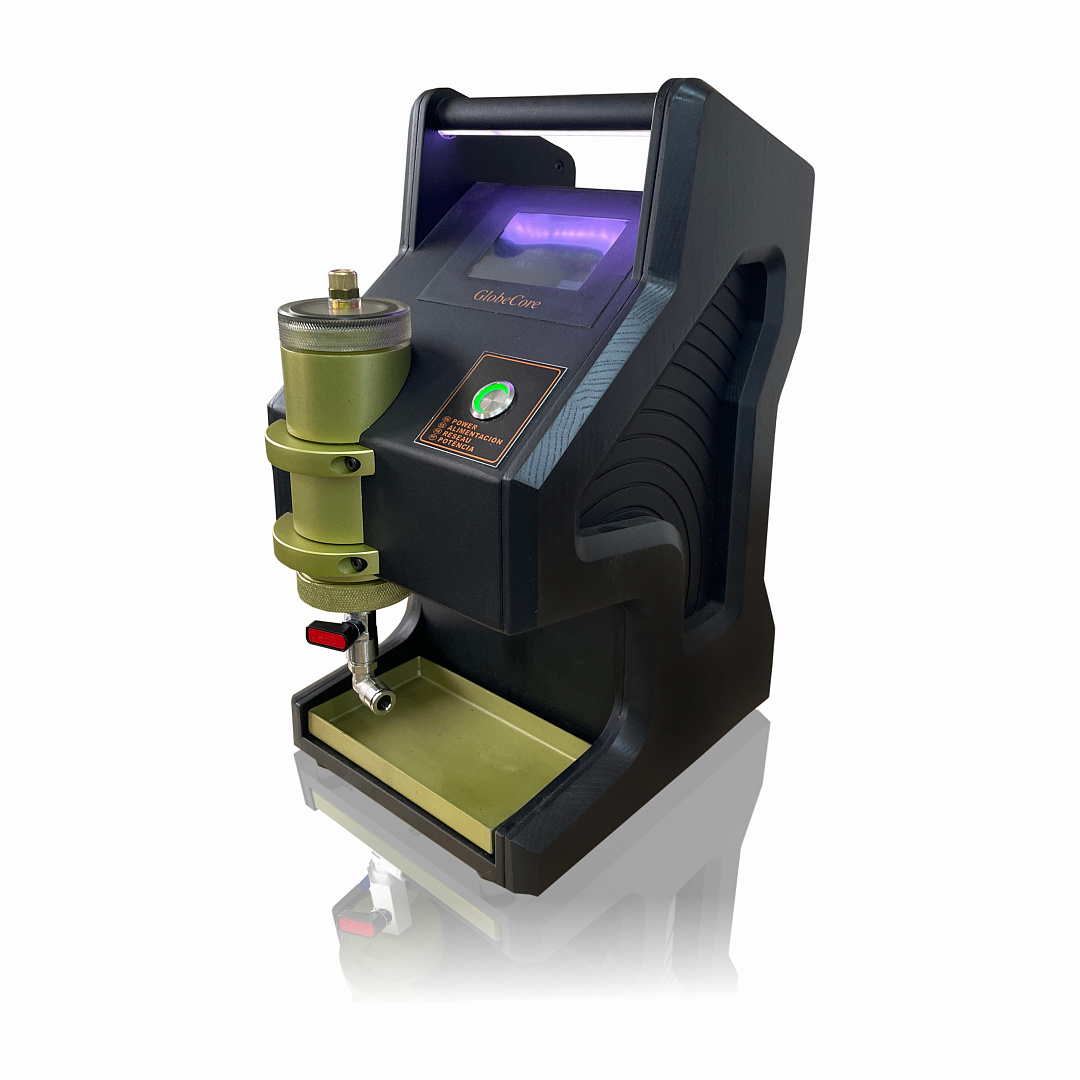
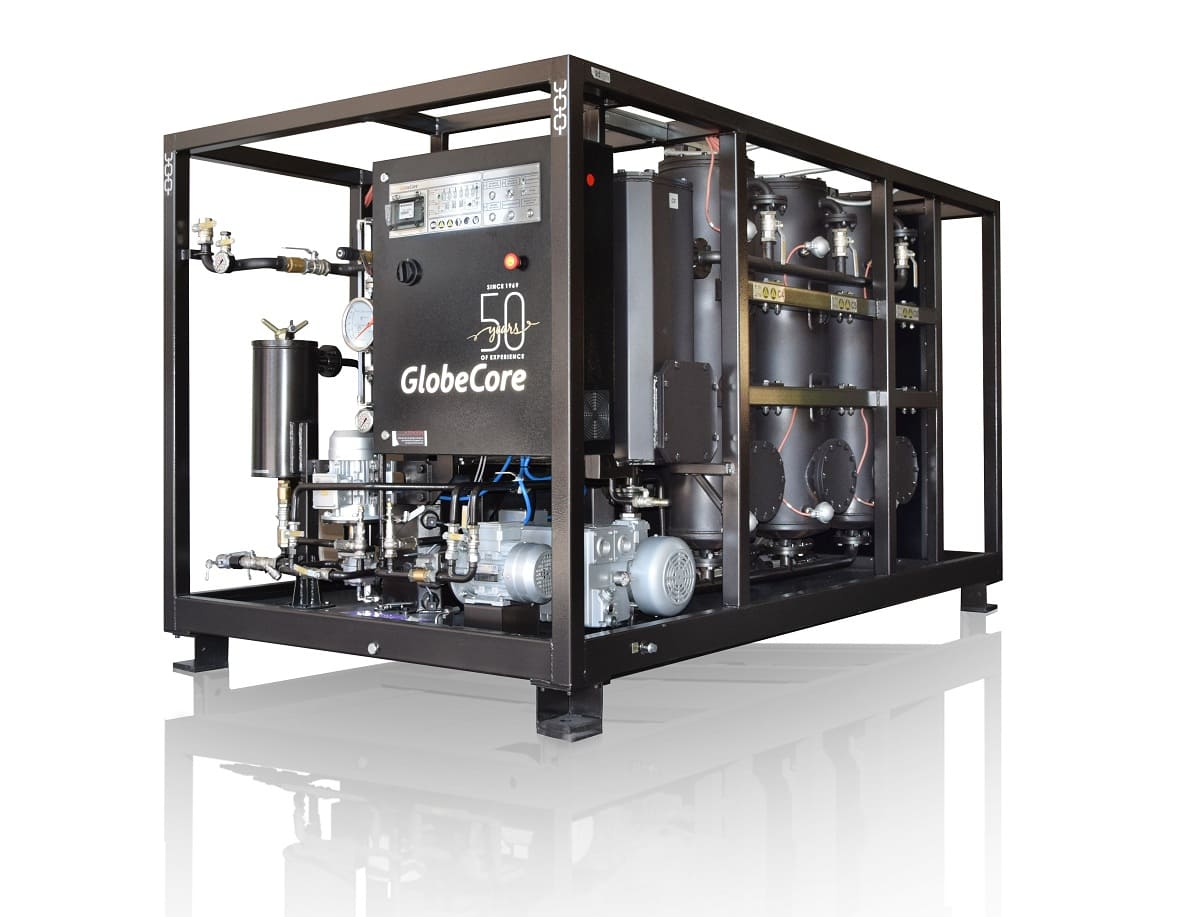
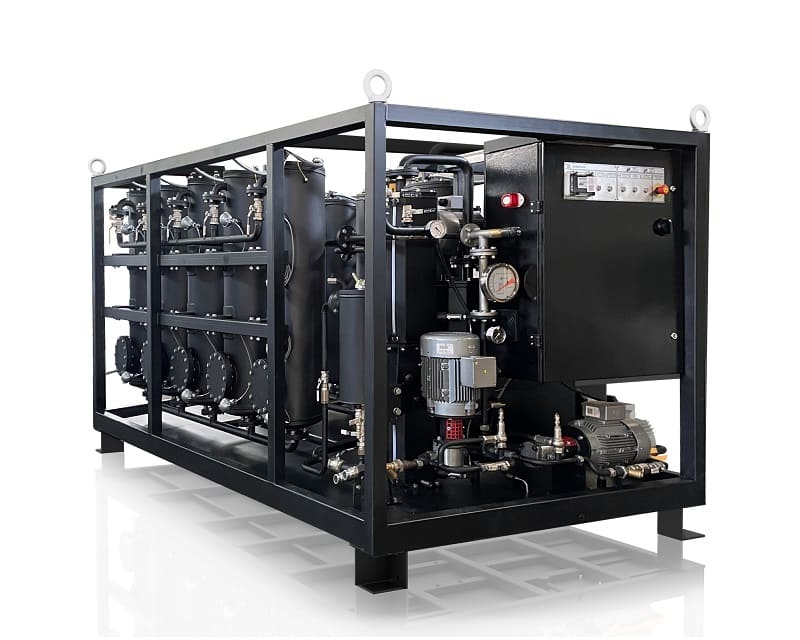
Practically, combine water/coalescing filtration with adsorptive polishing for best results: a two‑stage filter/coalescer will strip free and emulsified water and particulates (some systems can even treat heavily watered fuel), while a multi‑column adsorber will remove aromatics, asphalt‑resin residues and sulfur/nitrogen/acid contaminants to restore color and performance of “dark” or long‑stored diesel. Fast moisture testers enable quick go/no‑go decisions, on‑site units with automated controls simplify operation, and regenerable adsorbents (hundreds of reactivations) reduce consumable cost — all helping to keep fuel systems compatible with modern engines and minimize unplanned downtime.