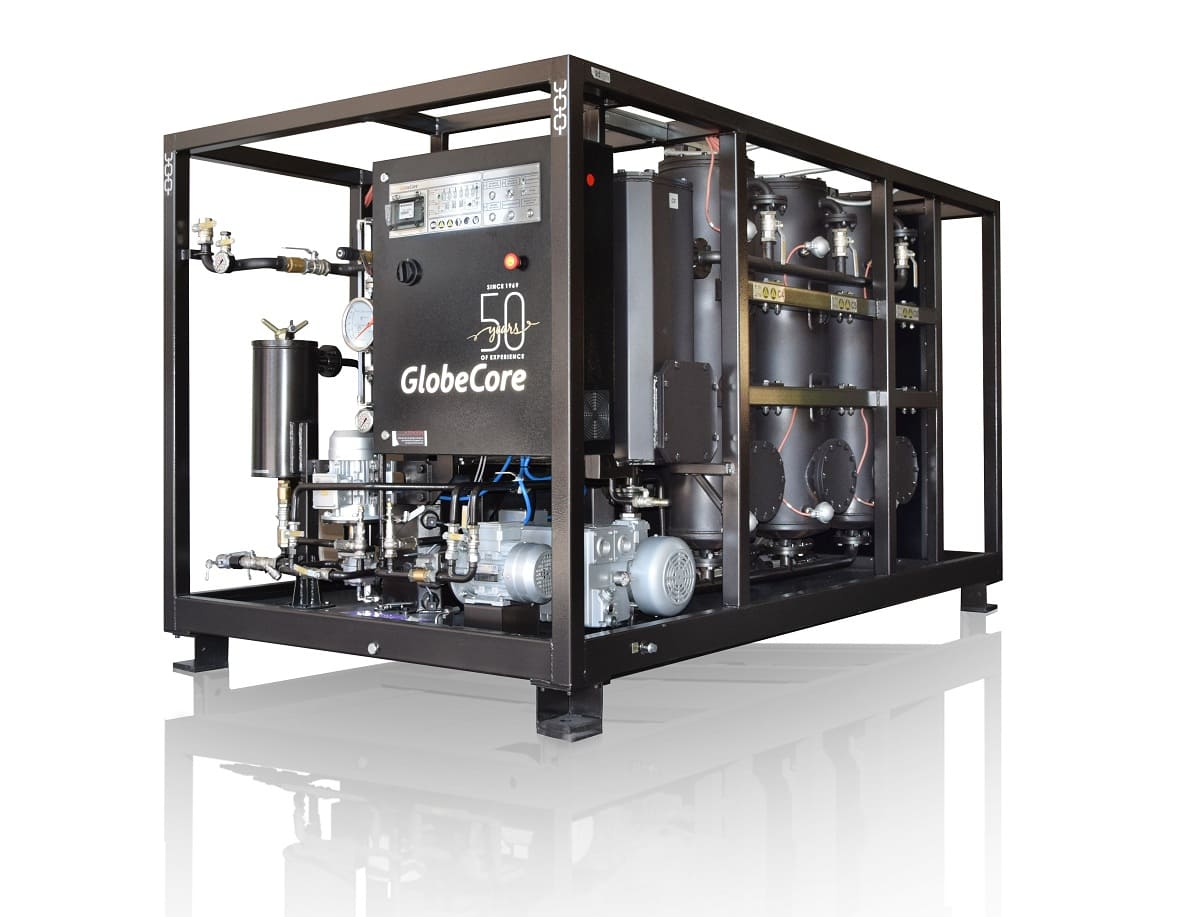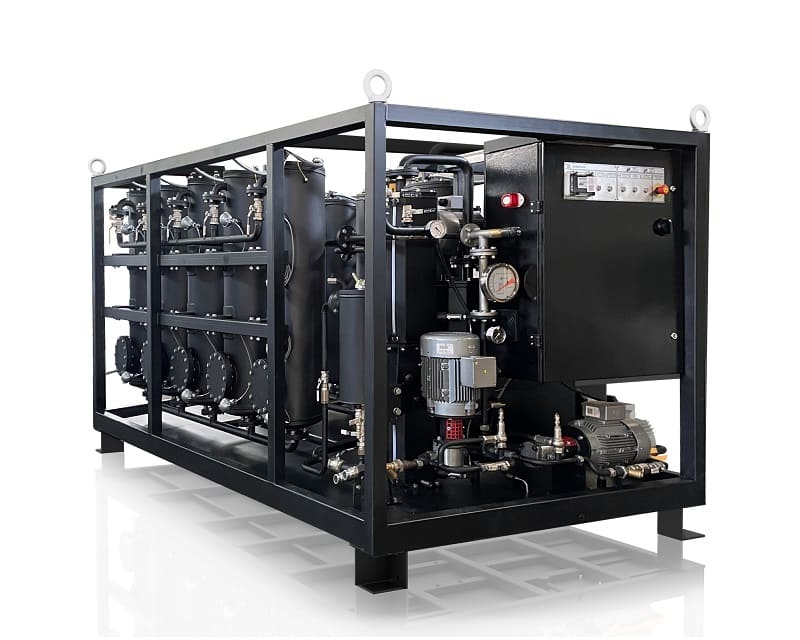


Fuel oil polishing
What are the advantages of fuel oil polishing systems?
- This topic has 3 replies, 4 voices, and was last updated 2 weeks, 6 days ago by .
Answers
-
October 7, 2024 at 11:03 am by Mohamed Alam
Fuel oil polishing systems offer several advantages, including improved fuel quality, extended equipment life, reduced engine wear, and lower maintenance costs. By removing contaminants such as water, sludge, and particulates, polishing systems ensure fuel remains stable and ready for use, preventing operational disruptions. Polishing systems also enhance fuel efficiency and minimize the risk of system failures.
-
March 11, 2026 at 7:33 am by Craig Price
Another advantage of fuel oil polishing systems that is often highlighted is their role in preventive fuel management during long-term storage. Even when fuel oil is not in active use, contaminants such as water, microorganisms, and fine sediments can gradually accumulate inside storage tanks due to condensation, environmental exposure, and fuel degradation. Over time, these contaminants may form sludge deposits that clog filters, damage injectors, and reduce overall engine reliability.
By circulating the fuel oil through filtration and separation stages at regular intervals, polishing systems help keep contamination levels low and maintain stable fuel oil quality for extended periods. This is particularly important for backup power systems, marine vessels, and industrial facilities where fuel oil may remain stored for months or even years before use. Clean and stable fuel reduces the risk of unexpected equipment failures and improves operational availability.
If you are interested to learn more about how polishing technologies can be used not only for routine maintenance, but also for restoration of dark or degraded diesel fuel, this article provides a useful overview of the applicable processing techniques: https://globecore.com/fuel-processing/dark-diesel-fuel-polishing/. -
March 11, 2026 at 7:42 am by Tyler Hill
Exactly — preventive polishing is one of the strongest arguments for installing a fuel oil polishing system. Regularly circulating stored fuel through filtration, coalescing and separation stages removes condensed water, fines and microbial biomass before they form sludge or contaminate filters and injectors, so stored fuel stays stable and ready for service. For degraded or dark fuels, adsorption-based polishing and multi-stage separation can also restore color, remove odours and recover diesel-like properties, lowering the risk of failures in backup generators, ships or industrial burners.
In practice you should base polishing frequency on tank size, ambient conditions and turnover: many facilities polish at intervals of three to six months or immediately after any known water ingress, with more frequent cycles in humid climates or tanks with poor thermal stability. Monitor basic parameters (water content, sediment & water, TAN, microbial counts and visual/odor checks) to trigger extra polishing, and consider systems with reactivatable adsorbent, scalable columns and automated controls to minimize consumable cost and simplify routine preventive management. If you want, I can suggest a monitoring schedule or recommend polishing equipment options tailored to a specific tank volume and fuel type.