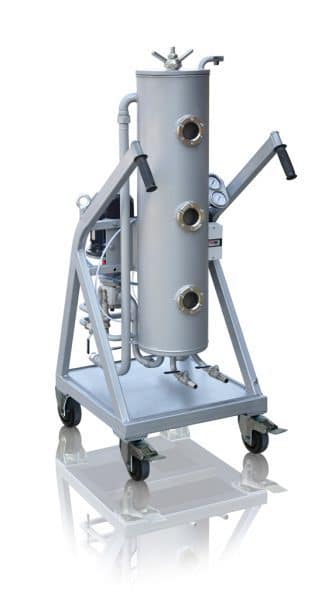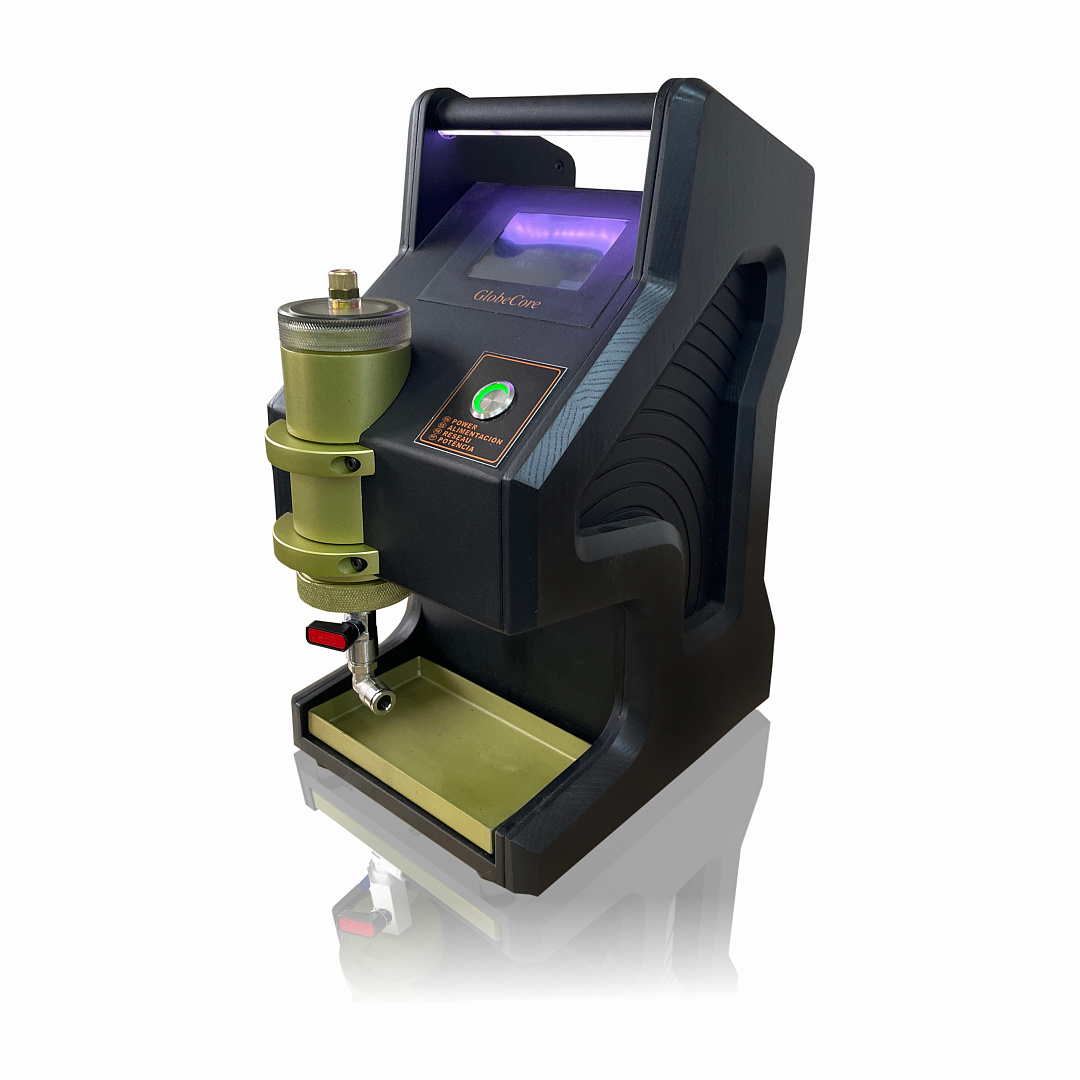


Diesel purification
What are the benefits of Diesel Fuel Purification Systems Upgrades?
- This topic has 3 replies, 4 voices, and was last updated 3 weeks, 5 days ago by .
Answers
-
October 5, 2024 at 6:16 am by Jessica Mitchell
Upgrading Diesel Fuel Purification Systems offers numerous benefits, enhancing fuel quality, system efficiency, and operational reliability. Enhanced Filtration Efficiency through upgraded components and advanced technologies ensures more effective removal of finer contaminants, improving fuel cleanliness and engine protection. Increased Purification Capacity allows the system to handle larger fuel volumes or higher contamination levels, making it suitable for expanding operations or more demanding environments. Automated Monitoring and Control upgrades provide real-time data and automated adjustments, optimizing purification processes and reducing the need for manual intervention. Energy Efficiency Improvements lower operational costs by incorporating more efficient pumps, motors, and filtration media, reducing overall energy consumption. Improved System Reliability is achieved by replacing outdated or worn components with more durable, high-performance parts, minimizing downtime and maintenance requirements. Integration with Modern Technologies such as IoT and data analytics enhances system monitoring, predictive maintenance, and overall operational insights. Scalability and Flexibility allow the purification system to adapt to changing fuel demands and contamination levels, ensuring long-term suitability. Additionally, environmental compliance is facilitated by upgrades that incorporate eco-friendly purification methods, reducing waste and emissions. Overall, Diesel Fuel Purification Systems Upgrades lead to better fuel quality, increased engine performance, reduced maintenance costs, and enhanced operational efficiency, providing significant return on investment for industrial operations.
-
March 5, 2026 at 10:20 am by Craig Price
Another aspect worth mentioning is that modern fuel purification systems can play an important role in stabilizing fuel during storage and transportation, not only in cleaning it before use. Diesel fuel often passes through multiple stages: production, transportation, storage in tanks, and finally — delivery to engines. At each of these stages, it may absorb moisture, accumulate fine particles, or develop microbial contamination. Over time, these factors can degrade fuel quality and affect combustion performance.
Advanced purification technologies help mitigate these risks by continuously removing water and suspended contaminants, which improves fuel stability and prevents the issues such as injector fouling or fuel system corrosion. Many systems combine several treatment principles — for example, filtration, coalescing separation, and centrifugal separation — to efficiently remove solids and water based on density differences and particle size.
Owing to this integrated approach, purification is increasingly used not only for corrective cleaning of contaminated fuel, but also as a preventive maintenance practice for fuel storage systems and distribution infrastructure.
If you are interested in a broader explanation of how different purification technologies work together in modern fuel treatment systems, this article provides a useful overview: https://globecore.com/fuel-processing/fuel-purification/. -
March 5, 2026 at 10:27 am by Tyler Walker
You’re absolutely right — modern purification systems do more than clean fuel right before use; they actively stabilize diesel throughout production, transport and storage. Diesel can pick up water, fine solids and microbial contamination at any stage, and those contaminants promote injector fouling, filter blockages, corrosion and degraded combustion. Integrated treatment trains that combine filtration, coalescing separation, centrifugal separation and adsorption continuously remove water and suspended solids and also polish dissolved and high-molecular contaminants, which preserves fuel chemistry and prevents degradation during long-term storage and distribution.
In practice this is why systems are deployed for preventive maintenance of storage and distribution infrastructure as much as for corrective cleaning. A two-stage filtration plus coalescing module removes bulk water and particulates even from heavily water-laden fuel, while a downstream adsorption/polishing unit restores color, removes asphalt-resin fractions and sulfur/nitrogen/acid-containing compounds and returns performance parameters to spec. Reactivatable adsorbents and closed-loop regeneration cut operating cost and waste, and automatic, compact, mobile units make on-site, continuous treatment feasible. Used in sequence, these technologies stabilize fuel in tanks and transit, reduce injector fouling and corrosion risk, and extend the service life of filters and engines — all practical benefits for fuel storage and distribution operators.