

Diesel purification
What are the benefits of High-Capacity Diesel Fuel Filtration Systems in industrial environments?
- This topic has 3 replies, 4 voices, and was last updated 3 weeks, 5 days ago by .
Answers
-
October 5, 2024 at 11:52 am by Mohamed Alam
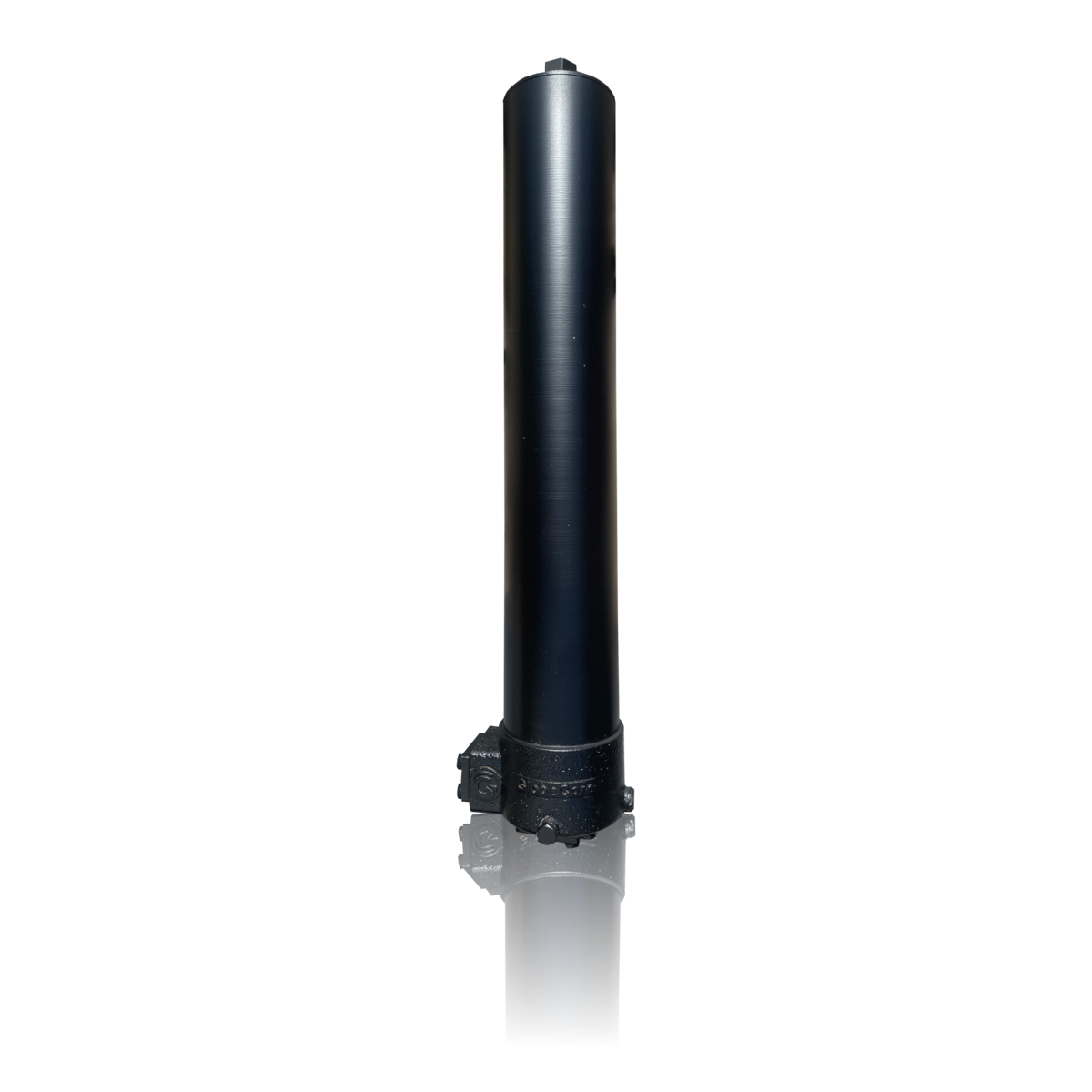
High-Capacity Diesel Fuel Filtration Systems offer numerous benefits in industrial environments by ensuring efficient and effective fuel purification at large scales. Enhanced Contaminant Removal capabilities handle high volumes of diesel fuel, removing particulates, water, and chemical impurities to maintain fuel purity and protect engine components. Increased Operational Efficiency is achieved as these systems can process large fuel flows without causing significant pressure drops or interruptions, ensuring continuous engine performance. Reduced Maintenance Frequency results from effective filtration that minimizes engine wear and prevents fuel system blockages, lowering the need for frequent repairs and part replacements. Scalability allows high-capacity systems to be adapted to growing fuel demands or expanded operations, providing flexibility to meet changing industrial needs. Energy Efficiency optimizes power usage, reducing operational costs while maintaining high purification standards. Durable Construction ensures that the filtration systems can withstand the demanding conditions of industrial environments, providing reliable and long-lasting performance. Additionally, Automated Monitoring and Control features enable real-time fuel quality assessment and system adjustments, ensuring consistent purification and minimizing human intervention. These benefits collectively enhance fuel quality, protect machinery, reduce costs, and support the seamless operation of large-scale industrial processes.
-
March 5, 2026 at 11:56 am by Craig Price
Another aspect worth considering is that fuel purification systems help maintain consistent fuel cleanliness throughout the entire fuel supply chain, not only within the engine itself. Diesel fuel may become contaminated at several stages, including transportation, storage, and tank handling, where particles, water, or microbial contaminants can enter the fuel. If these contaminants are not removed, they can accelerate the wear of injectors and pumps, clog filters, and reduce combustion efficiency.
Therefore, optimized purification systems often operate as part of a broader fuel management strategy in which fuel is periodically circulated through treatment equipment to remove water, sediments, and microbial contaminants before it reaches the engine. This approach helps stabilize fuel quality, extend storage life, and reduce the risk of unexpected equipment failures in industrial operations.
If you would like to learn more about the main methods used to remove water and particulate contaminants from fuel — including filtration, centrifugation, and other purification techniques — this article provides a helpful overview:
https://globecore.com/fuel-processing/fuel-purification/. -
March 5, 2026 at 12:00 pm by David Wilson
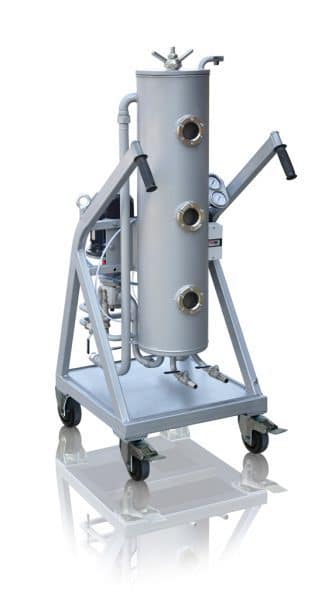
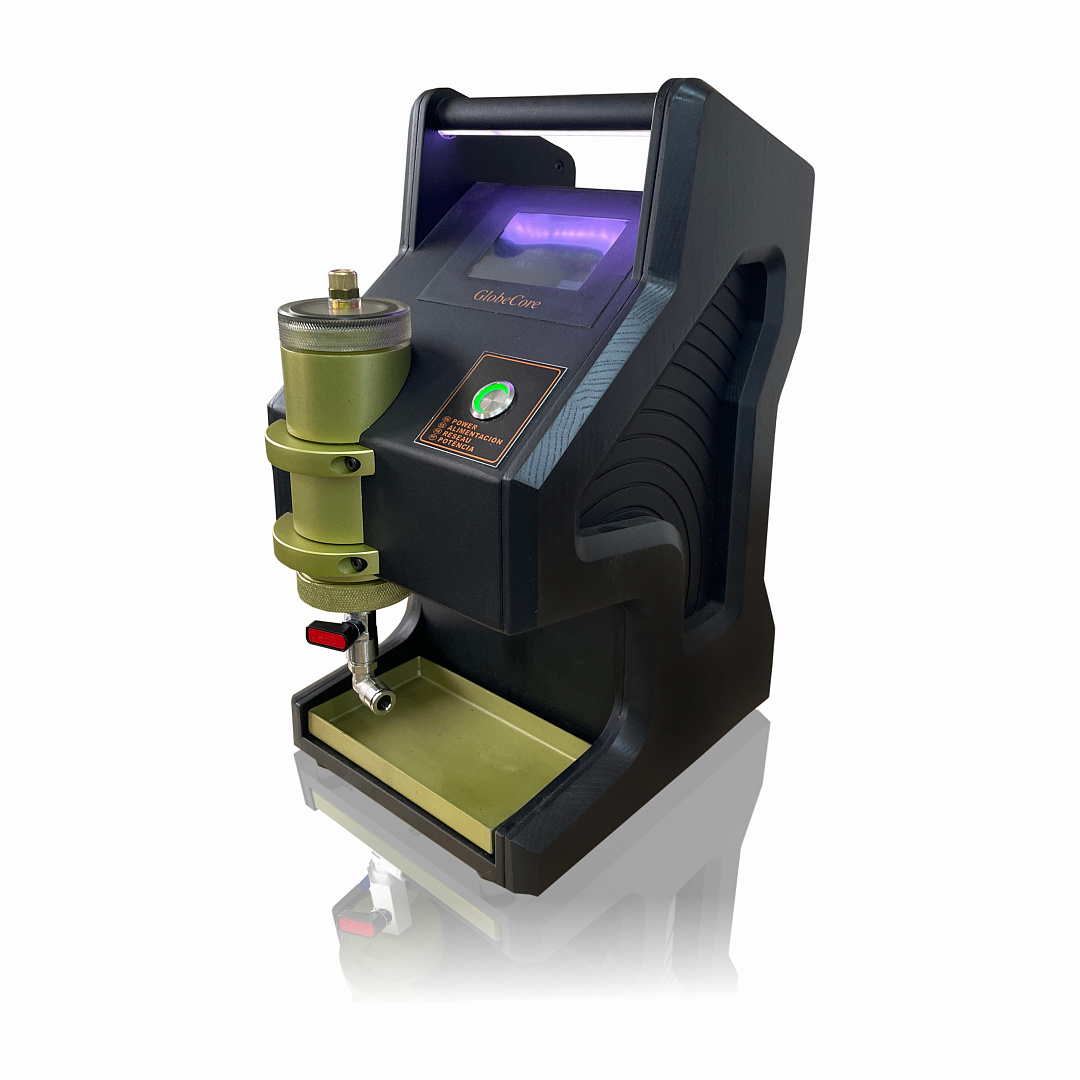
You’re absolutely right — contamination happens long before fuel reaches the engine, so treating fuel as part of a holistic fuel management strategy is essential. In practice that means periodic fuel polishing and circulation through high-capacity diesel fuel filtration equipment to remove free water, emulsified moisture, sediments and microbial contaminants before transfer or refueling. Effective on-site methods include multi-stage filtration with depth and coalescing elements for solids and water separation, centrifugation for fast removal of fines and emulsions, and targeted microbiological control (tank cleaning, biocides and scrubbers) to prevent biofilm-related clogging of filters and injectors. Portable, cart-mounted polishers are particularly useful at transfer points and remote sites, and moisture testers at the tank or truck level let you decide when treatment is required.
For a practical program, establish contamination limits and sampling intervals (ISO cleanliness targets), monitor moisture and particulate levels, and schedule polishing during receipt, prior to long-term storage, and before engine use. Use heavy-duty units rated for high-moisture feeds when dealing with watered fuels, keep tank vents and drains maintained, and integrate treatment data into your maintenance workflow so polishing becomes a preventive step rather than an emergency fix. This approach stabilizes fuel quality, extends storage life, reduces injector and pump wear, and lowers the risk of unexpected downtime across the whole fuel supply chain.