

Diesel bleaching
What are the benefits of using portable diesel fuel polishing machines?
- This topic has 3 replies, 4 voices, and was last updated 1 month ago by .
Answers
-
October 7, 2024 at 10:53 am by 石川 浩
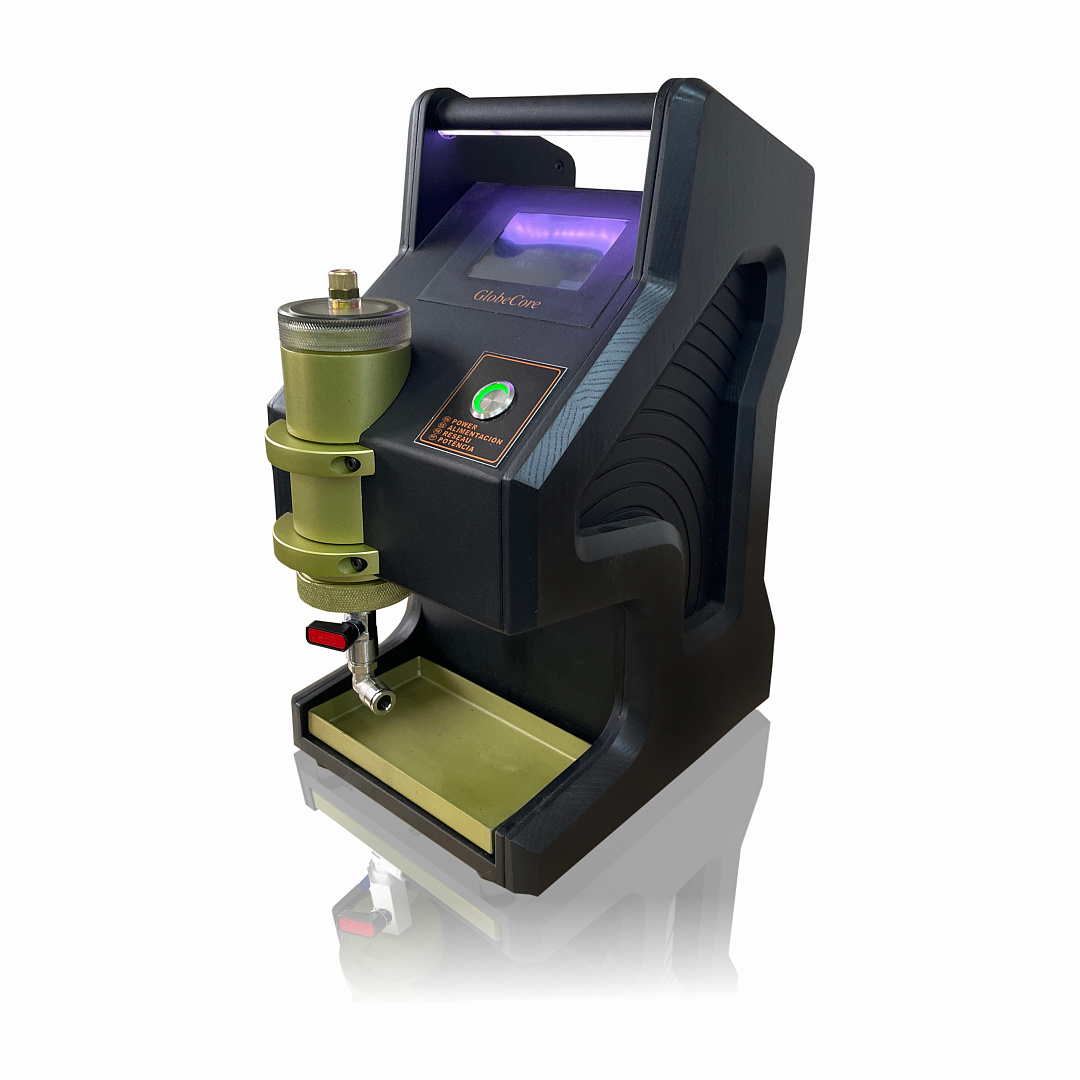
Portable diesel fuel polishing machines offer flexibility by allowing fuel purification at multiple locations. They are easy to transport and ideal for industries such as marine, construction, and emergency power systems, where fuel needs to be maintained at various sites.
-
February 25, 2026 at 8:10 am by Craig Price
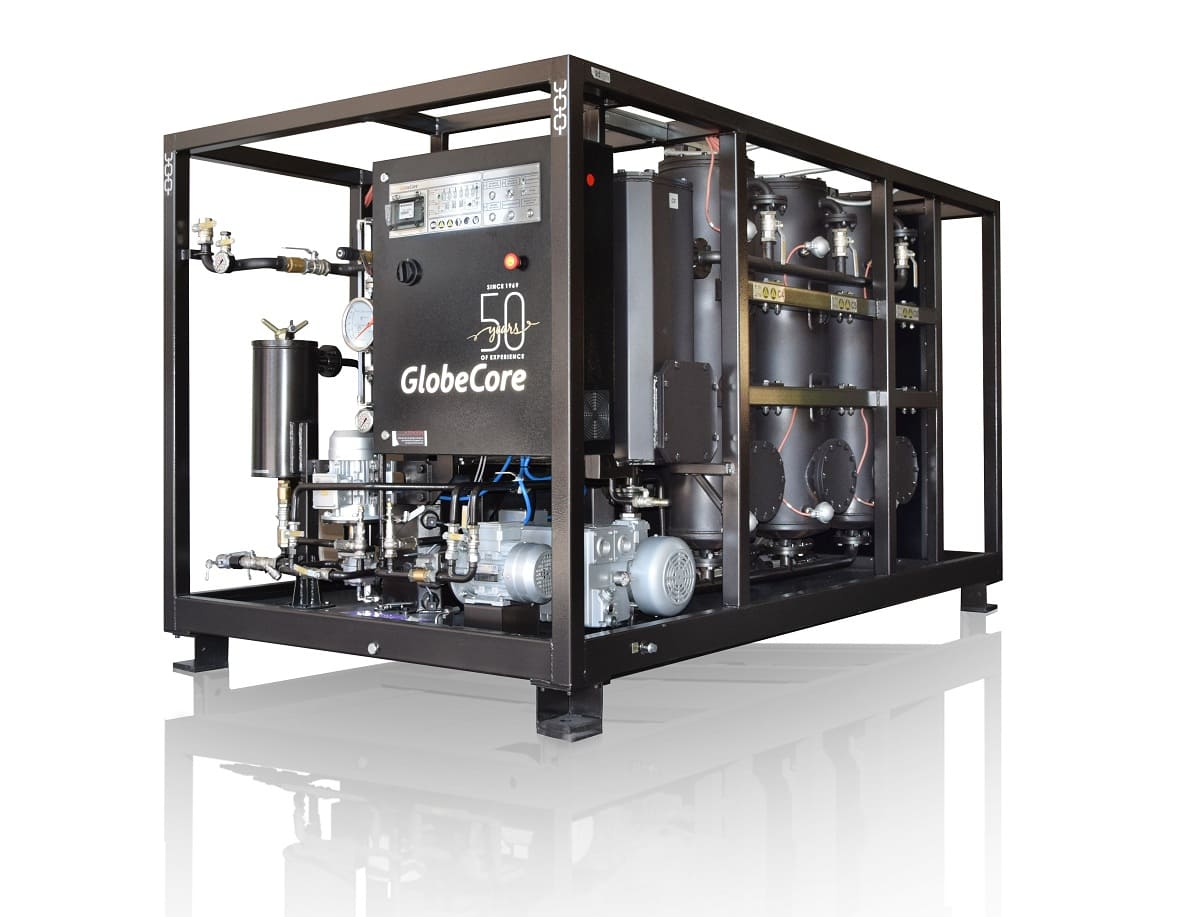
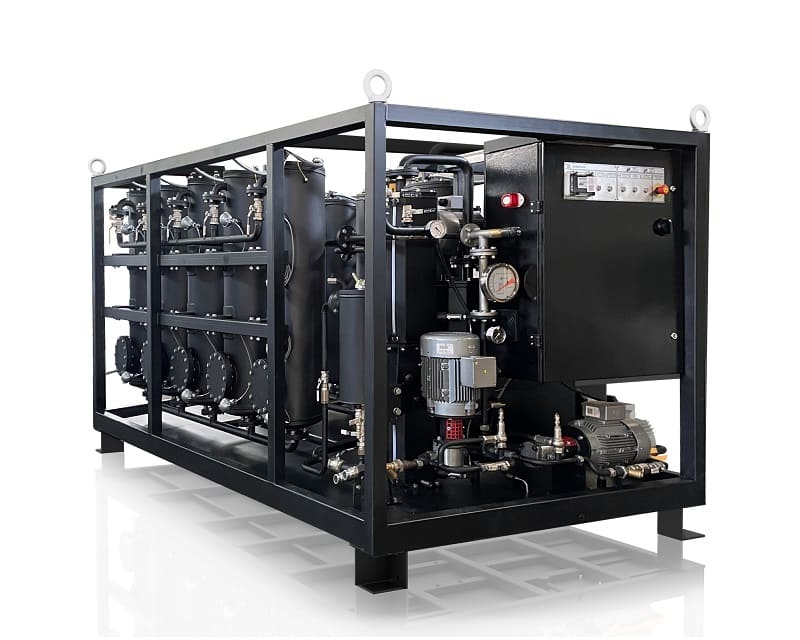
In addition to mobility and on-site convenience, portable diesel fuel polishing machines can significantly extend the useful life and reliability of stored fuel. By removing both particulate contaminants and water, these systems help prevent microbial growth and corrosion in storage tanks and engine fuel systems. This is particularly critical for backup generators and seasonal equipment that may remain idle for long periods.
If you are interested to learn how different purification stages — such as adsorption for discoloration, filtration, and water separation — work together within a complete fuel conditioning workflow, this article offers helpful insights: https://globecore.com/fuel-processing/dark-diesel-fuel-polishing/. -
February 25, 2026 at 8:20 am by Brandon Martin
Your summary is spot on: an effective diesel fuel conditioning workflow starts with mechanical filtration to remove particulates, follows with water separation/coalescing to eliminate free and emulsified water (the main driver of microbial growth and tank corrosion), and finishes with adsorption polishing to restore color and remove unsaturated/aromatic hydrocarbons plus sulfur-, nitrogen- and acid-containing compounds that affect combustion and stability. Doing the steps in that order protects the polishing media from fouling, improves throughput and treatment life, and directly extends the useful life and reliability of stored fuel—critical for backup generators and seasonal equipment that sit idle.
For practical deployment, use portable, cart-mounted units on-site so you can prefilter and dehydrate fuel before sending it through an adsorption polisher; some portable dehydrators can handle heavily watered fuel and adsorption polishers offer high capacities and reusable adsorbent with hundreds of reactivation cycles. Always baseline fuel with particle and water testing, monitor after treatment, schedule periodic polishing based on storage time and contamination risk, and manage separated water/contaminants per local regulations to get consistent, long-term results.