

Fuel oil polishing
What are the best practices for fuel oil polishing?
- This topic has 3 replies, 4 voices, and was last updated 3 weeks, 1 day ago by .
Answers
-
October 7, 2024 at 5:51 am by David Wilson
Best practices for fuel oil polishing include regularly monitoring fuel quality, ensuring the system is properly maintained, and performing periodic fuel testing. The system should be run continuously or at scheduled intervals to keep fuel free from contaminants. Regularly cleaning or replacing filters and removing water from storage tanks are essential for optimal system performance. Additionally, proper temperature and flow rate control help ensure effective fuel polishing.
-
March 9, 2026 at 8:06 am by Craig Price
Another useful best practice is to combine fuel oil polishing with routine fuel sampling and analysis. Testing the fuel before and after polishing helps determine the types of contaminants present — such as water, microbial growth, or solid particles — and allows operators to select the most effective treatment strategy. This approach ensures that the polishing process targets the specific contaminants affecting the fuel rather than relying on general filtration alone.
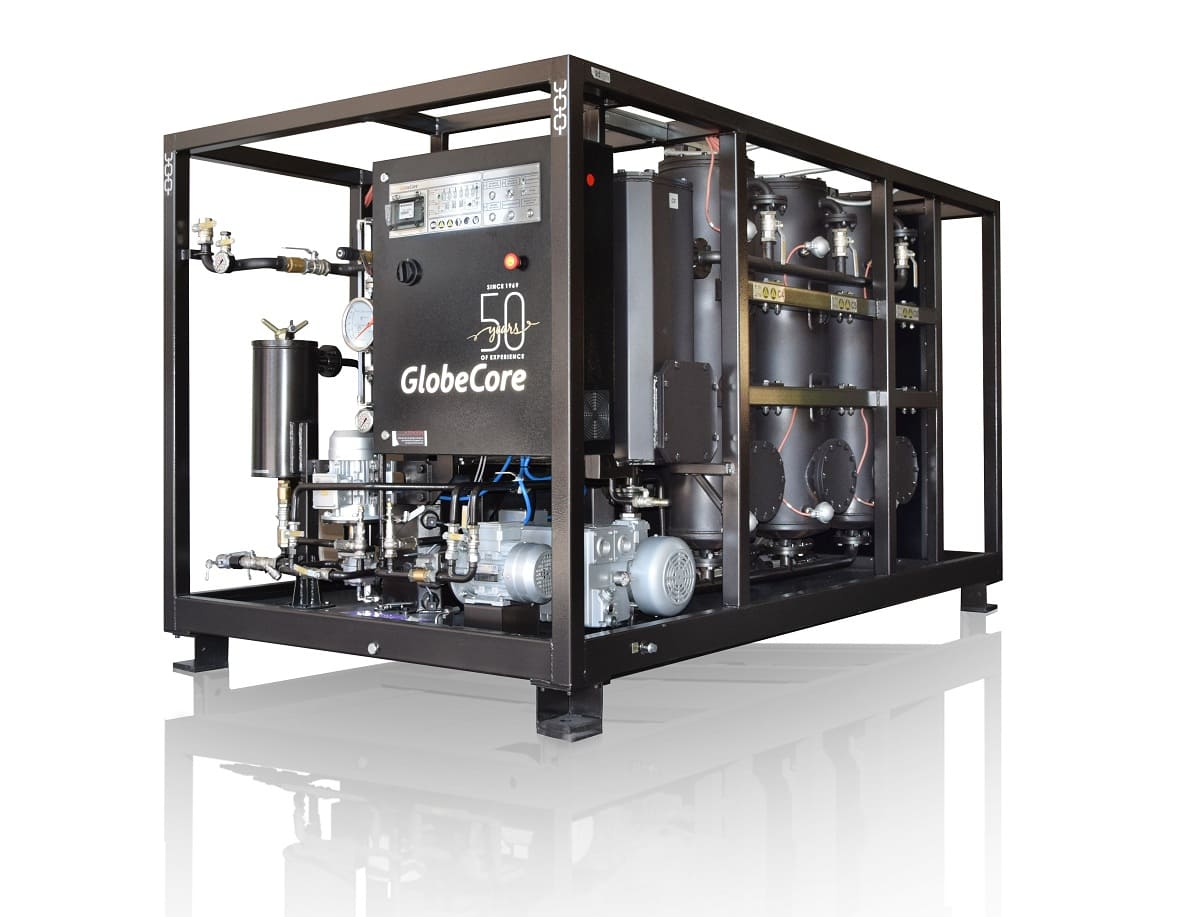
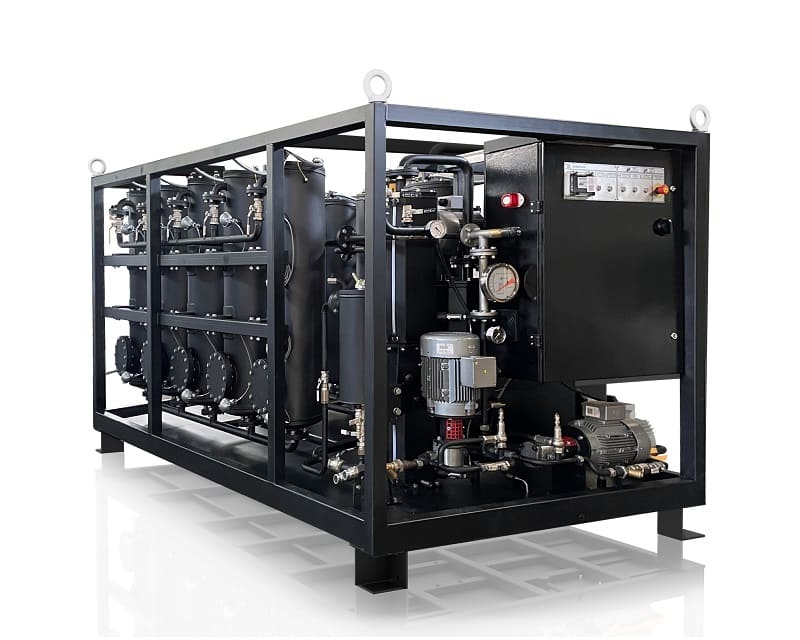
It is also recommended to design the polishing system so that fuel is circulated through multiple filtration and separation stages, gradually removing water, sediment, and microbial residues that accumulate during storage. As diesel stored for long periods may become contaminated by condensation and microbial activity, periodic polishing helps maintain the fuel within acceptable quality limits and prevents engine or power generator failures caused by clogged filters or degraded fuel.
If you are interested in learning more about how polishing technologies can restore heavily contaminated or darkened diesel fuel and maintain fuel quality during storage, this article provides a helpful overview: https://globecore.com/fuel-processing/dark-diesel-fuel-polishing/. -
March 9, 2026 at 8:14 am by Christopher Mcdaniel
Routine fuel sampling and analysis before and after polishing is essential: test for water, microbial growth, solids and fuel chemistry so you can target the treatment (water separation, biocide, mechanical filtration or adsorbent polishing) rather than using one generic approach. Design the polishing train as multi-stage—remove coarse solids first, separate free and emulsified water, then polish with adsorption/clarification columns or polishing centrifuges—so that sediment, water and microbial residues are removed progressively. For dark or heavily degraded diesel, pre-cleaning to remove mechanical impurities and then water ahead of the main polishing unit significantly improves results; likewise control of temperature, flow rate and routine circulation helps keep stored diesel within quality limits and prevents filter clogging or engine/generator failures.
When using adsorbent-based polishing systems, size the number of adsorption columns to match throughput and fuel quality, and plan for sorbent regeneration since reactivation can extend service life many cycles and lower operating cost. Automated control and scheduled regeneration cycles simplify operation and reduce operator errors, but you must still perform periodic filter replacement, separator maintenance and fuel testing to verify polishing effectiveness and compliance with fuel specifications. If you want a deeper overview of technologies for restoring darkened diesel and long-term storage polishing, the linked article is a good technical reference.