

Oil bleaching
What are the best practices for oil bleaching?
- This topic has 3 replies, 4 voices, and was last updated 1 week, 1 day ago by .
Answers
-
October 7, 2024 at 6:08 am by 佐々木 篤司
Best practices for oil bleaching include optimizing the amount of bleaching clay or earth, controlling the temperature and contact time, and ensuring thorough mixing. Regular monitoring of oil quality parameters, such as color and free fatty acid levels, ensures the bleaching process is effective. Filtering the oil after bleaching helps remove spent adsorbents and impurities.
-
March 23, 2026 at 7:46 am by Craig Price
One more important best practice that is often underestimated is the control of upstream oil quality before bleaching, as it directly determines the efficiency of the entire process.
If impurities such as phospholipids, soaps, metals, or excess moisture are not sufficiently removed during degumming and neutralization, they can significantly reduce the effectiveness of the adsorbent and increase its consumption. In many cases, excessive bleaching clay usage is not a process requirement, but rather a symptom of inadequate pretreatment. Optimizing upstream stages can therefore reduce adsorbent consumption, improve filtration performance, and lower overall operating costs.
Another practical consideration is proper control of process severity. While higher temperatures and longer contact times may improve contaminant removal, they can also accelerate oil degradation or increase oil losses in the spent earth. That’s why modern bleaching focuses on achieving the required quality using the mildest effective conditions rather than maximizing treatment intensity.
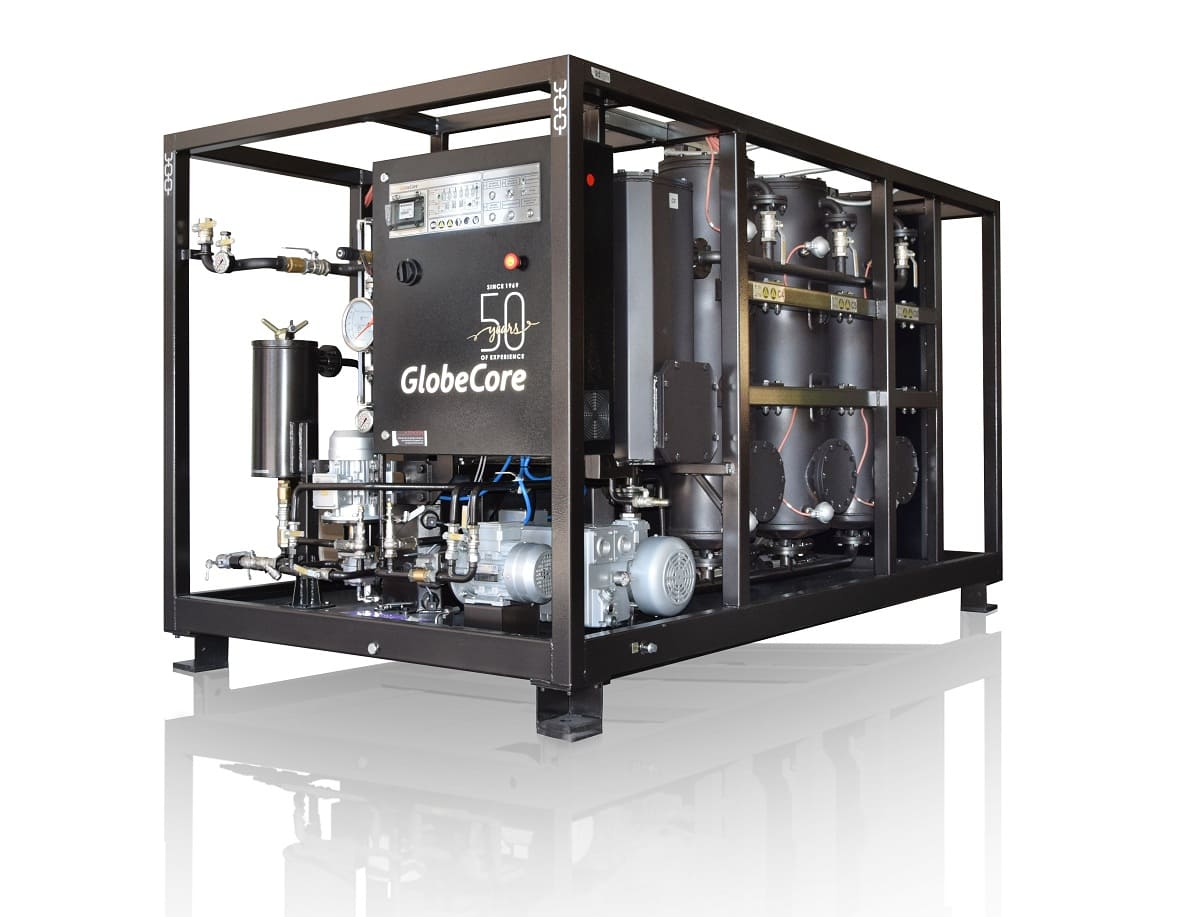
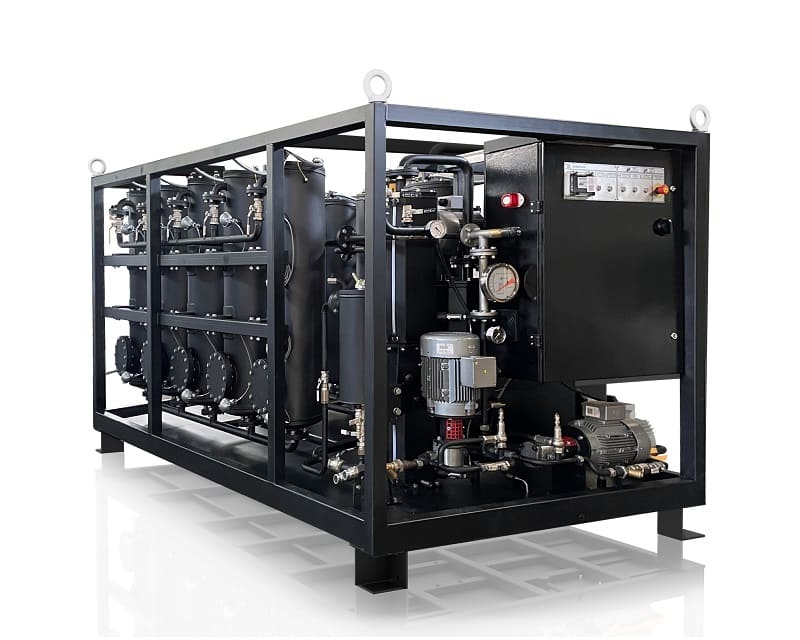
In practice, the most efficient bleaching systems are those that treat the process as part of a fully integrated purification chain rather than as a standalone step.If you’d like to see how bleaching is combined with other oil treatment stages in real industrial applications, this article provides a clear practical overview: https://globecore.com/oil-processing/oil-bleaching/.
-
March 23, 2026 at 7:53 am by Brandon Martin
You’re exactly right — control of upstream oil quality is often the single biggest determinant of bleaching efficiency. Inadequate degumming and neutralization leave phospholipids, soaps, metals and moisture that blind adsorbents, drive up bleaching clay consumption, foul filters and increase operating costs; treating those impurities first lets you use milder temperatures and shorter contact times, reduces oil losses to spent earth and preserves oil stability. Controlling process severity to the lowest effective temperature and contact time prevents unnecessary oil degradation and minimizes oil retained by spent adsorbent, so modern bleaching should aim for the required product quality, not for maximal treatment intensity.
For best results treat bleaching as part of an integrated purification chain: effective degumming, accurate neutralization, and good moisture control upstream, followed by adsorptive finishing downstream, gives the best color and contaminant removal with minimum clay use. Adsorptive systems that pass base oil through Fuller’s earth beds or reactivatable sorbent columns can extend sorbent life dramatically and reduce disposal and maintenance costs, and compact automated units (including mobile configurations) make it practical to implement this integrated approach at different plant scales. If you want, I can map these recommendations to your current degumming/neutralization performance or to a specific unit (e.g., CMM-R style adsorption systems) and suggest operating setpoints.