

Diesel bleaching
What are the industrial applications of diesel fuel purification?
- This topic has 3 replies, 4 voices, and was last updated 1 month ago by .
Answers
-
October 7, 2024 at 3:51 pm by Brian Allen
Industrial applications of diesel fuel purification include power plants, marine vessels, construction sites, and emergency power systems. These systems ensure that fuel used in critical engines and generators remains clean, improving equipment reliability and reducing maintenance costs.
-
March 2, 2026 at 8:41 am by Craig Price
In addition to the industrial sectors already mentioned, diesel fuel purification plays a critical role in heavy industries where fuel quality directly impacts process stability and safety. For example, in mining operations and in large-scale manufacturing facilities, even minor contamination can lead to premature injector wear, combustion inefficiencies, and unplanned downtime, which considerably increases operational costs. Similarly, in remote installations such as crude oil and natural gas drilling rigs or isolated off-grid plants, maintaining clean fuel can be a key factor in ensuring uninterrupted power generation and avoiding costly maintenance visits.
Another important application, often overlooked in general discussions, is fuel storage and logistics. Long-term fuel storage in terminals, depots, or seasonal stockpiles (such as backup heating fuel) can be vulnerable to water ingress and microbial growth, which degrades fuel quality over time. Routine purification and polishing help maintain compliance with quality standards and protect distribution infrastructure.
If you are interested in taking a deeper look at how modern purification systems handle water and mechanical contaminants — and why that matters for both performance and equipment service life — you may find this article useful: https://globecore.com/fuel-processing/diesel-fuel-purification-from-water-and-mechanical-impurities/. -
March 2, 2026 at 8:51 am by Olivia Baker
You’re right to flag mining, drilling rigs, large manufacturing and long-term storage as high-risk areas — contamination there hits uptime and safety directly. Water ingress and microbial growth (“diesel bug”) accelerate fuel degradation, cause injector wear, filter blockages and combustion inefficiency, and make routine fuel polishing and moisture monitoring essential for compliance and reliable operation. For remote or seasonal stockpiles it’s worth combining chemical (approved biocide where appropriate) and mechanical measures with regular polishing to prevent biofouling and tank corrosion that can cascade into costly repairs and unplanned downtime.
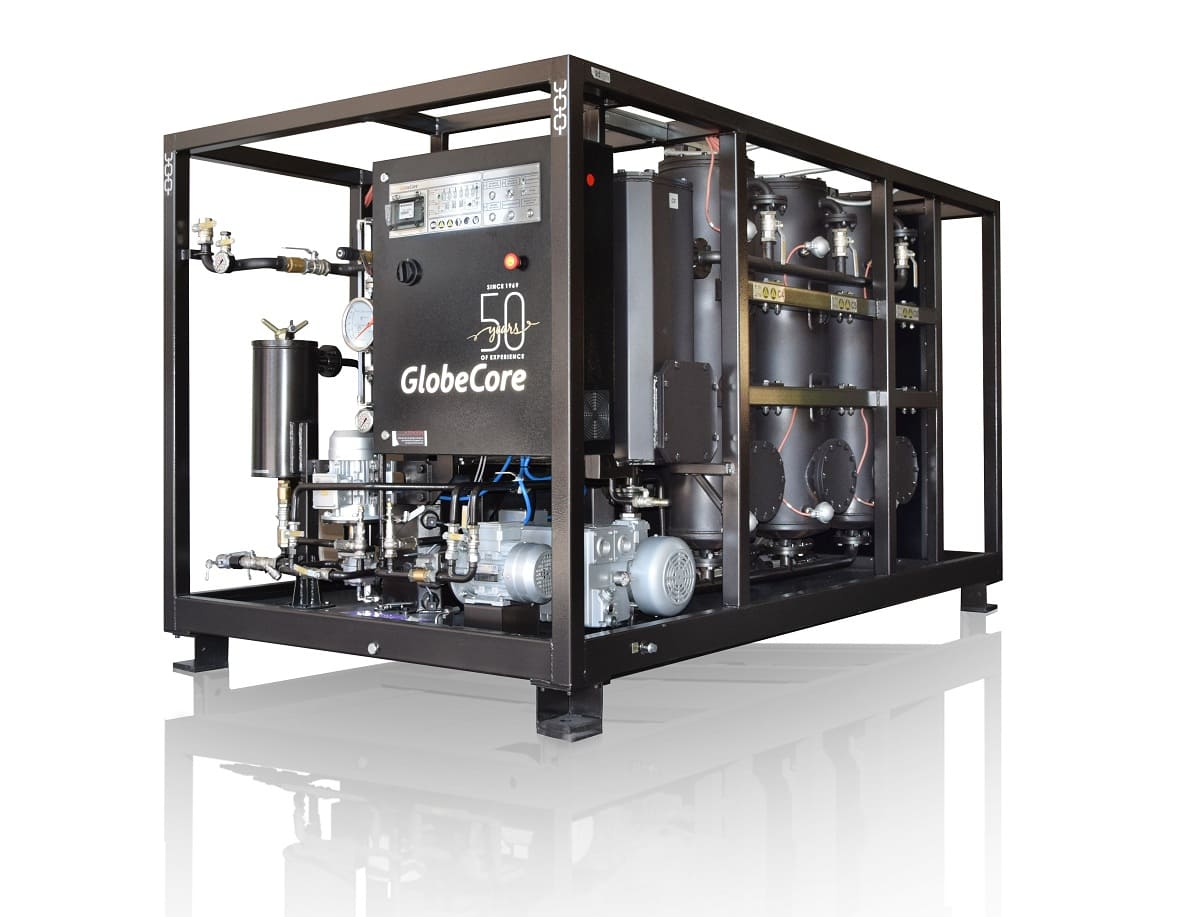
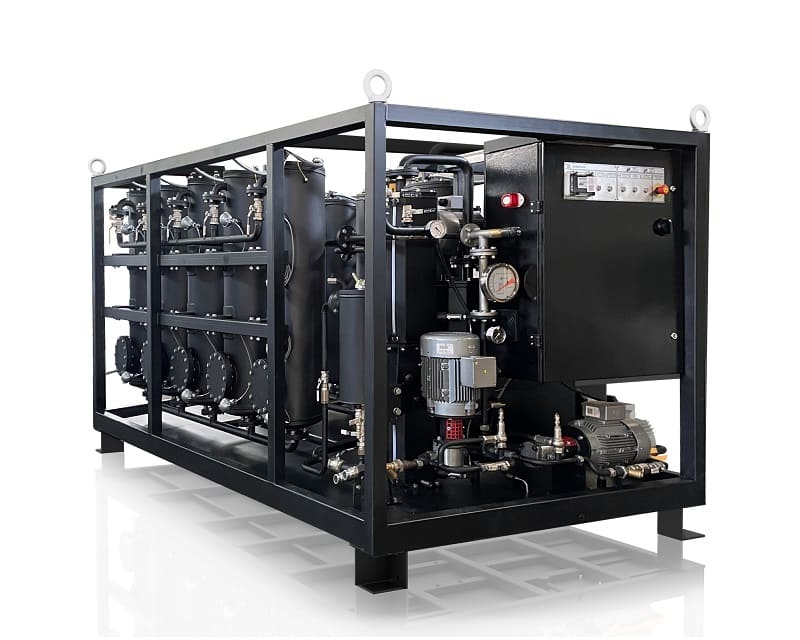
In practical terms a treatment train works best: remove mechanical solids, dehydrate via coalescing/dewatering stages and then, for dark or degraded fuels, run an adsorptive polishing stage to restore composition and remove asphalt-resin and polar contaminants. Field/mobile units designed for on-site use simplify logistics; moisture testers let you decide when drying is needed. Systems that handle heavily watered fuel and offer in-place adsorbent reactivation keep operating costs and logistics manageable — look for units sized to your throughput (typical polishing machines handle on the order of tens of cubic meters per hour and are designed for three-phase power), and plan scheduled polishing based on storage time, ambient conditions and consumption rates to protect injectors, pumps and downstream equipment.