

Cable oil
What are the most effective cable oil purification methods currently available?
- This topic has 3 replies, 4 voices, and was last updated 1 month, 2 weeks ago by .
Answers
-
October 1, 2024 at 10:27 pm by 石川 浩
Effective methods include:
Vacuum Dehydration and Degassing: Removes moisture and gases efficiently.
Filtration Systems: Multi-stage filtration to eliminate particulates.
Adsorption Techniques: Using materials like activated alumina or Fuller’s earth to remove acids and polar compounds.
Centrifugation: Separates contaminants based on density differences.
Electrostatic Precipitation: Removes fine particles using electric fields.
Combining these methods often yields the best results, ensuring comprehensive purification of cable oil. -
February 23, 2026 at 12:46 pm by Craig Price
Beyond listing the primary purification techniques, it’s worth highlighting that the choice and combination of methods should be tailored to the specific contamination profile and service conditions of cable oil. For example, in the systems where high moisture levels and dissolved gas content are predominant issues, vacuum dehydration coupled with degassing can dramatically improve dielectric strength even sooner than standalone filtration. In contrast, applications with higher particulate matter, but lower moisture content may benefit most from high-efficiency multi-stage filtration combined with adsorption media to target both solids and chemical contaminants.
Another practical consideration is the balance between process efficiency and operating costs. Techniques such as electrostatic precipitation can provide ultrafine particle removal without consumables, but they may need to be paired with other systems to address moisture and polar compounds effectively. Centrifugation works well for bulk separation but can be less effective for fine particulates without pre-treatment.
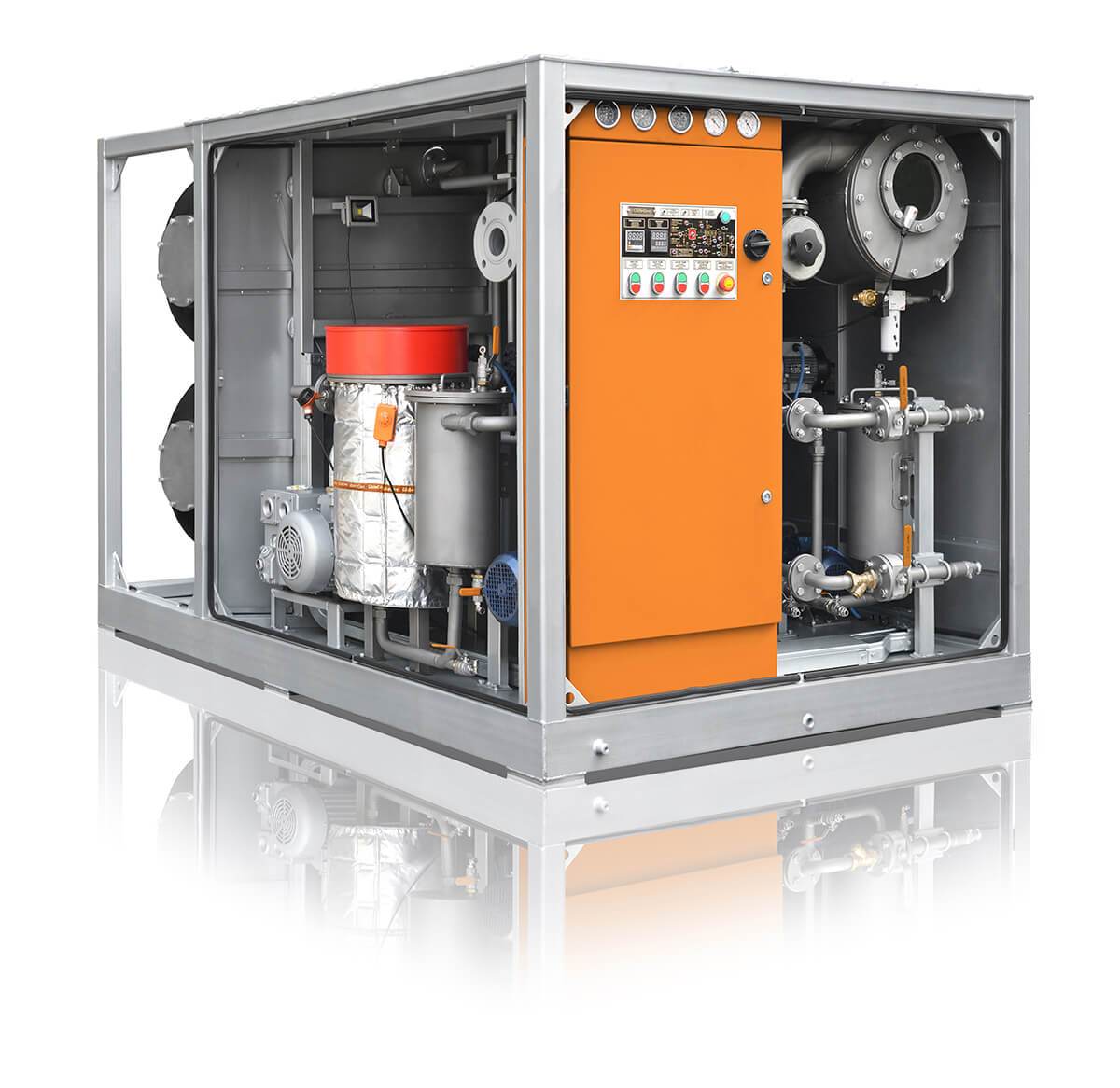
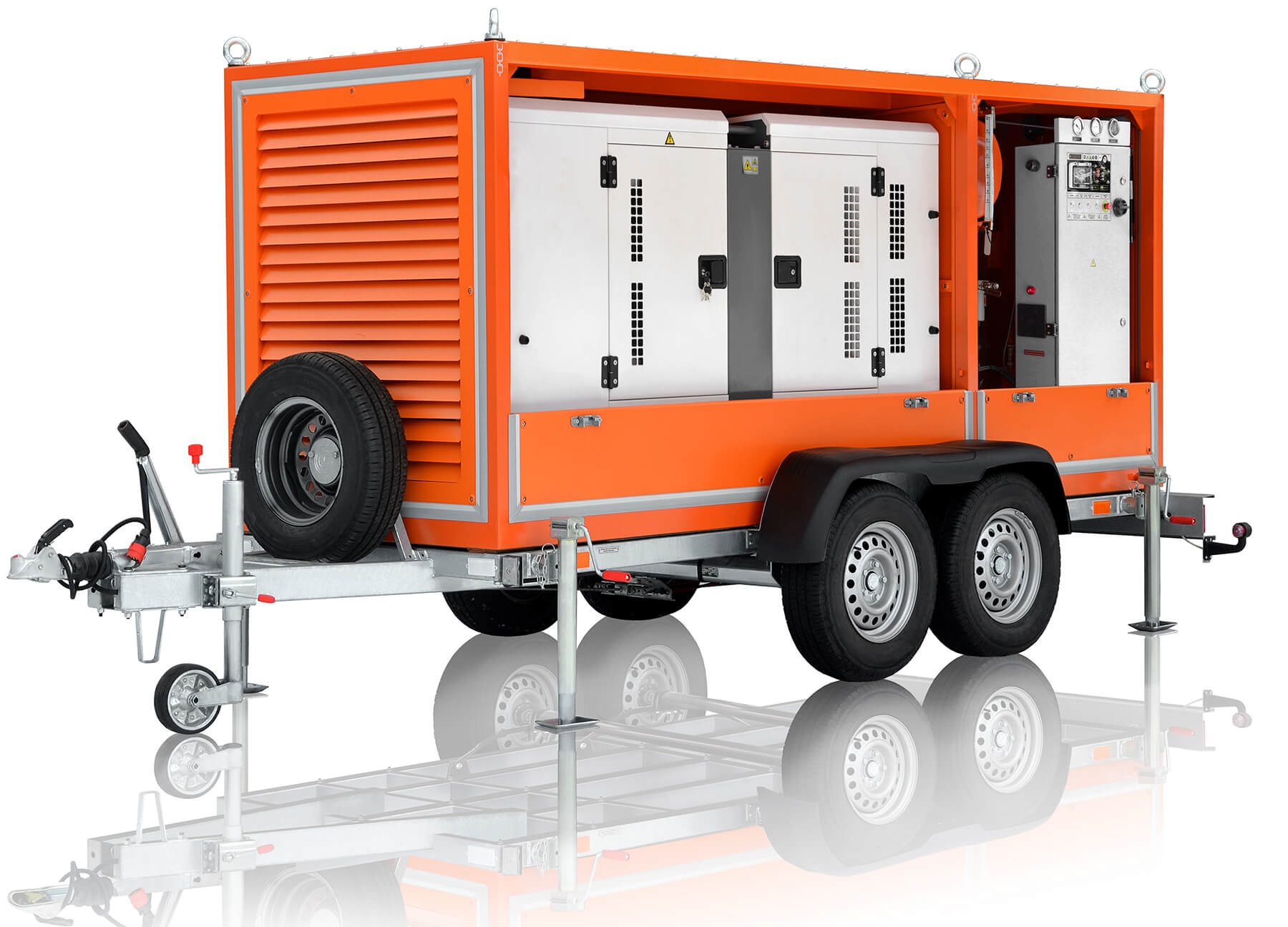
For a closer look at how modern purification systems integrate multiple technologies to achieve thorough conditioning of cable oil, including the insights into purification machine design and performance optimization, I recommend checking out this article: https://globecore.com/oil-processing/cable-oil-purification-machine-cmm-1co/. -
February 23, 2026 at 12:56 pm by Sonia Patel
You’re absolutely right to stress tailoring the process to the contamination profile and service conditions. For cable oil where moisture and dissolved gases are the main problems, thermal vacuum dehydration with degassing delivers the fastest, largest gains in dielectric strength because heating accelerates water desorption and vacuum pulls dissolved gases out of solution. For oils dominated by solids or sludge, multi-stage mechanical filtration with high dirt‑holding capacity cartridges (typical 3–4 μm, with LT options down to ~1–3 μm) combined with adsorption media for acids and polar contaminants is more effective. Electrostatic precipitators and centrifuges can provide ultrafine particle or bulk-phase separation without heavy consumable use, but both usually need to be paired with dehydration or adsorption stages to address moisture and chemical degradation products.
In practice the best approach is a combined system that integrates heating, vacuum degassing/dehydration and fine filtration so you tackle particulates, dissolved moisture and gases in one controlled process; modern CMM‑style units and small vacuum filling (UVD) solutions are designed to do exactly that for cable and transformer oils. Start with oil diagnostics (water content, BDV/dielectric strength, particle count, dissolved gas analysis) to define targets, then balance process efficiency against operating costs by choosing filtration micron ratings, adsorption media type, and whether to include electrostatic or centrifugal pre‑treatment. This gives rapid, reliable improvements in dielectric strength and long‑term stability while keeping consumable and energy costs predictable.