

Air drying
What are transformer oil filtration units used for?
- This topic has 3 replies, 4 voices, and was last updated 1 month, 1 week ago by .
Answers
-
September 9, 2025 at 2:49 pm by Rachel Wright
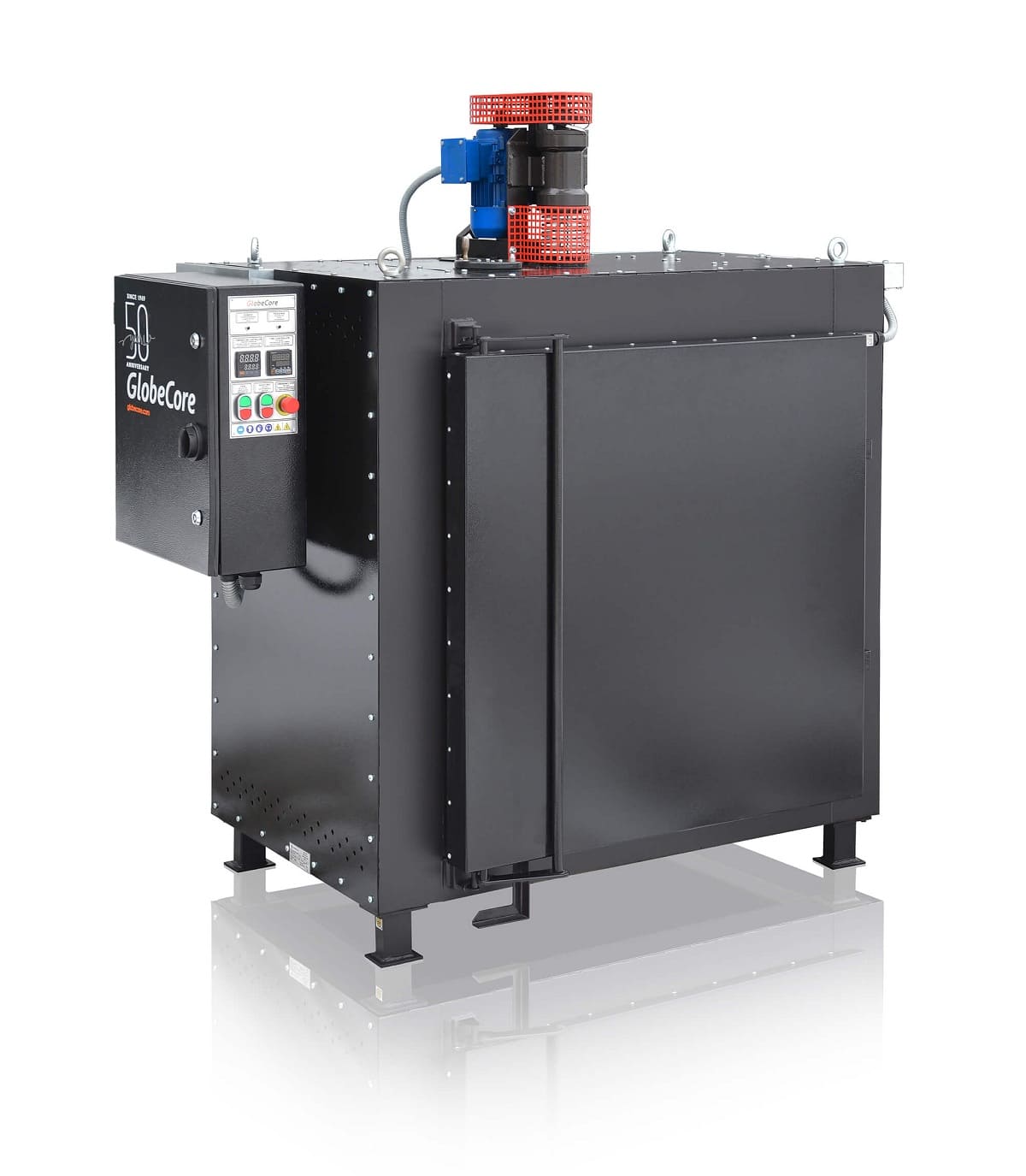
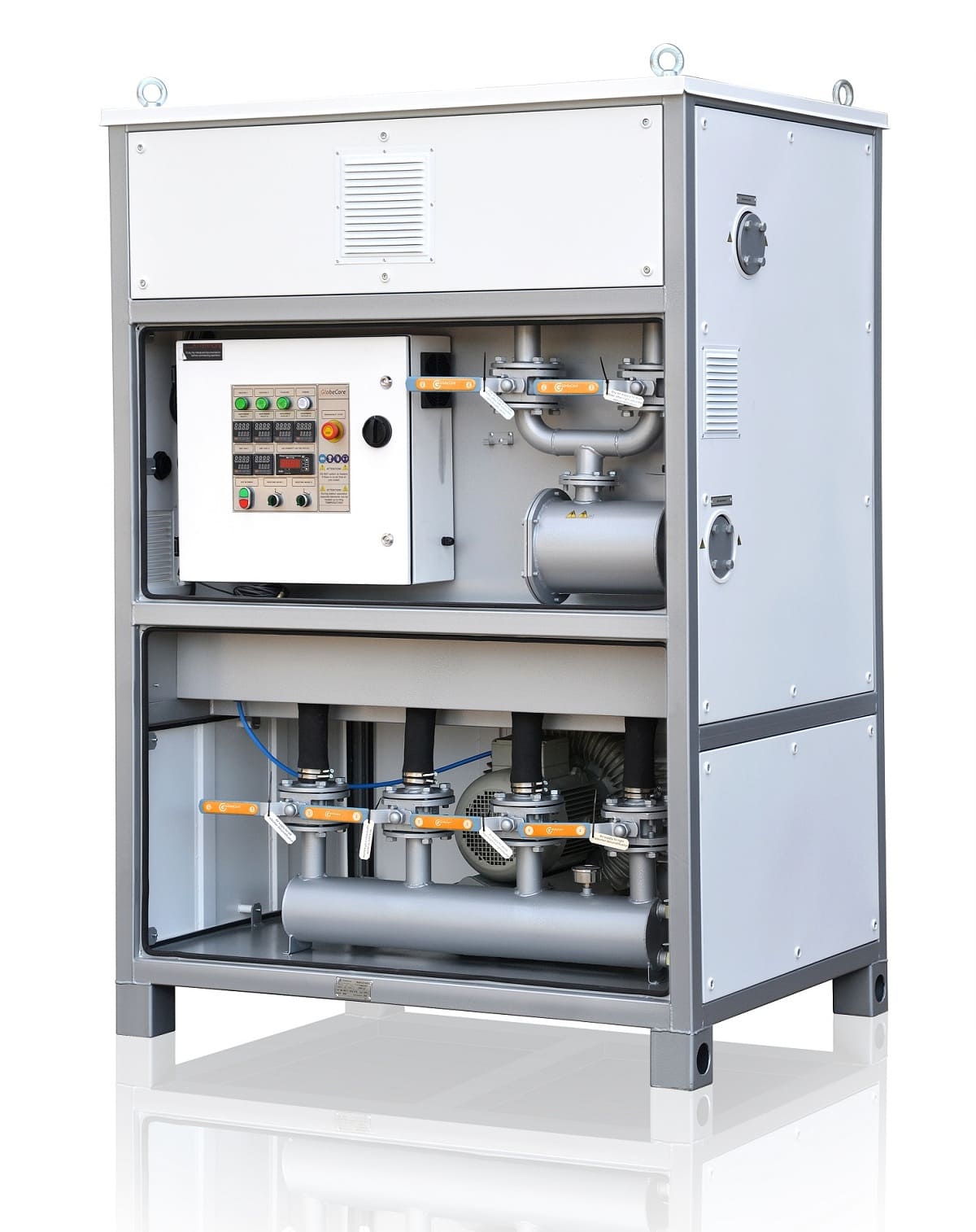
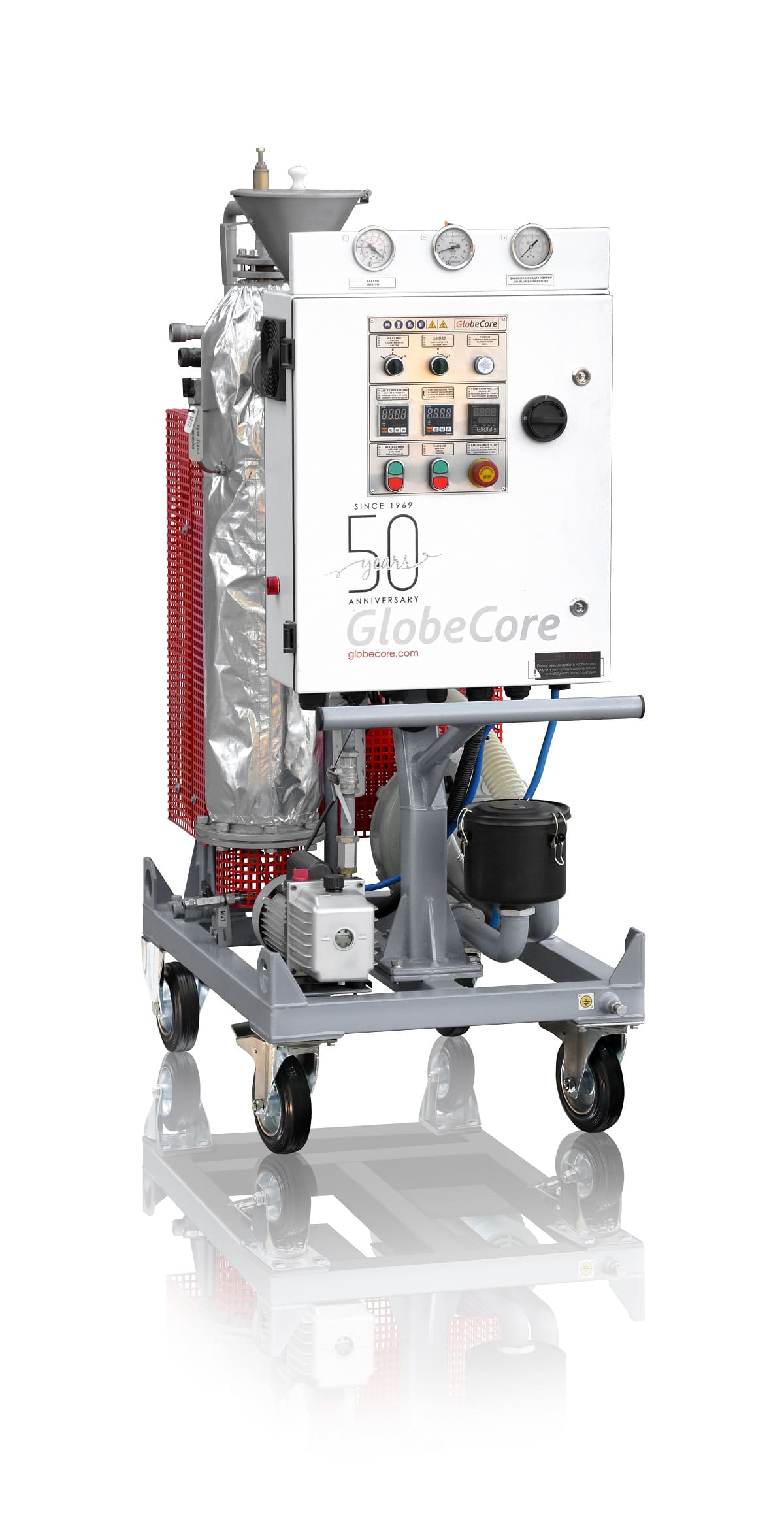
Transformer oil filtration units remove moisture, gas, and particles from insulating oil to restore its dielectric strength. GlobeCore’s CMM units are trusted worldwide for fast, onsite purification – ensuring your transformer operates safely and efficiently.
-
February 19, 2026 at 8:57 am by Craig Price
In addition to removing contaminants, one of the key benefits of routine transformer oil filtration is its role in supporting condition-based maintenance strategies. When filtration units are used alongside routine oil testing, trends in moisture, gas content, and particulate levels become valuable indicators of transformer condition and performance. This allows maintenance teams to anticipate issues before they escalate, reducing the risk of unexpected outages and extending the service life of both the oil and the equipment. Moreover, selecting the appropriate filtration technology for specific site conditions can optimize efficiency and reduce operating costs over time. For more details on how modern transformer oil purifiers are designed to meet these operational needs, check out this article: https://globecore.com/oil-processing/transformer-oil-purifier/.
-
February 19, 2026 at 9:04 am by Olga Ivanova
Absolutely — you’re right to highlight how routine transformer oil filtration becomes a cornerstone of condition‑based maintenance. Regular oil purification combined with routine oil testing (moisture, dissolved gases, and particle counts) turns the oil into a living diagnostics medium: trends in moisture and ppm water content reveal cellulose and paper ageing and the effectiveness of drying; dissolved gas analysis (DGA) trends point toward overheating, arcing or partial discharge before insulation failure; and particulate levels indicate wear, corrosion or gasket failures. Using those trends to schedule interventions reduces unplanned outages, extends insulation and transformer life, and optimizes spare‑parts and labor costs compared with calendar‑based replacements.
Choosing the right filtration technology and unit for site conditions maximizes those benefits. Modern purifiers that offer vacuum degassing, thermal drying, efficient particulate filtration and the ability to evacuate and dry transformer tanks give the best diagnostic and restorative capability — for example, units that can heat oil, remove dissolved gases and lower moisture to target levels (typical processed‑oil goals are moisture down to the low ppm range and total gas content under about 1.5% where applicable) let you both restore dielectric strength and produce reliable samples for trending. Match unit capacity and mobility to transformer size and on‑site access, establish a sampling and testing cadence aligned with loading and environmental risk, and use the purifier’s drying/evacuation functions after repairs or outages to accelerate dry‑out and reduce downtime. These practical choices will optimize performance, reduce operating cost, and make condition‑based maintenance actionable.