

Diesel purification
What Diesel Fuel Purification Technology trends are emerging in the industry?
- This topic has 3 replies, 4 voices, and was last updated 3 weeks, 4 days ago by .
Answers
-
October 5, 2024 at 4:04 pm by James Shepherd
Emerging trends in Diesel Fuel Purification Technology focus on enhancing efficiency, sustainability, and automation. Multi-Stage Filtration Systems are gaining prominence, integrating mechanical, magnetic, and coalescing filters to provide comprehensive contaminant removal. Advanced Separation Technologies like centrifugal and vacuum-based purifiers are becoming more widespread for their ability to effectively eliminate water and fine particulates. Automation and Smart Technologies are revolutionizing purification systems through real-time monitoring, data analytics, and AI-driven adjustments, ensuring optimal performance and predictive maintenance. Energy-Efficient Designs aim to reduce operational costs and environmental impact by optimizing power usage without compromising purification effectiveness. Biodegradable and Eco-Friendly Purification Media are increasingly being adopted to support sustainability goals and reduce the environmental footprint of purification processes. Portable and Modular Purifiers offer greater flexibility and scalability, catering to diverse applications and fluctuating purification needs. Integration with IoT enables seamless connectivity and remote management, enhancing system oversight and control. Additionally, Enhanced Durability and Maintenance Features are being developed to extend system lifespan and reduce downtime, making purification systems more reliable in demanding industrial environments. These trends collectively drive the Diesel Fuel Purification industry towards more efficient, sustainable, and intelligent solutions.
-
March 6, 2026 at 9:07 am by Craig Price
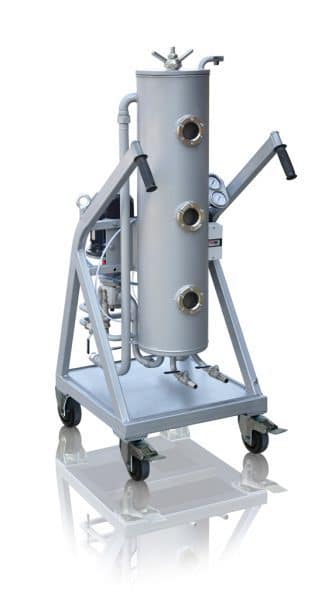
Another emerging direction in diesel fuel purification is the growing emphasis on fuel maintenance during storage, not only during fuel production or immediate engine use. In many industrial and transportation sectors, diesel may remain in storage tanks for long periods, which increases the risk of water accumulation, sludge formation, and microbial contamination. As a result, technologies such as fuel polishing systems are becoming more widely used. These systems continuously circulate fuel through filtration and separation stages to remove water, sludge, and particulate matter before the fuel is delivered to engines or other equipment.
At the same time, high-speed centrifugal separators and advanced filtration media are being improved to handle finer contaminants and emulsified water more effectively. Modern centrifuges can separate contaminants based on density differences and achieve very high purification efficiency for particles and water droplets suspended in the fuel.
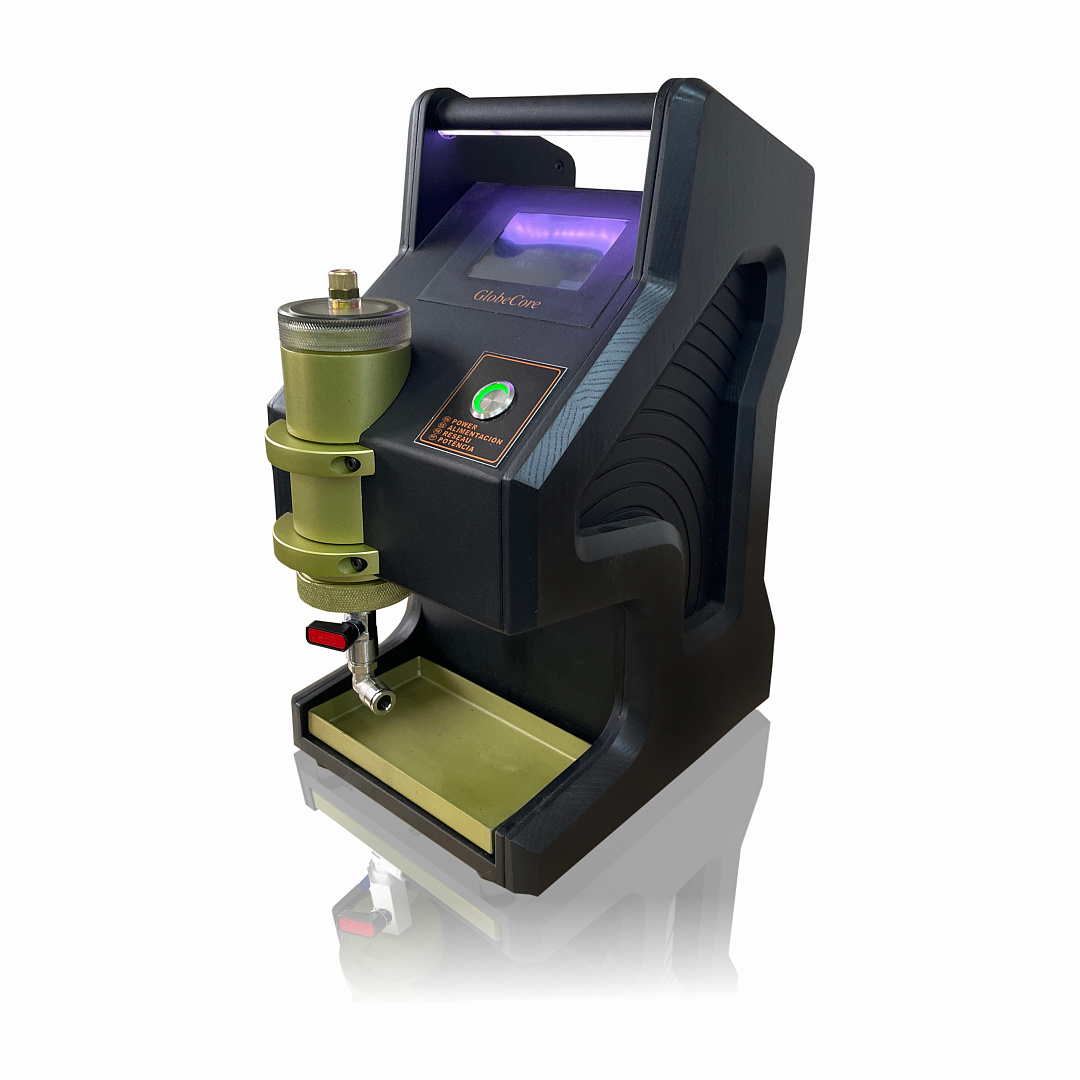
These developments reflect a broader industry trend toward maintaining consistent fuel quality throughout the entire supply chain, from storage tanks to engine injection systems. If you are interested in learning more about the main purification methods used in diesel fuel treatment — including filtration, centrifugation, and water removal technologies — this article provides a useful overview: https://globecore.com/fuel-processing/fuel-purification/. -
March 6, 2026 at 9:13 am by 後藤 零
You’re spot on — the industry has shifted strongly toward storage-phase maintenance, with fuel polishing systems that continuously circulate tank stocks to strip water, sludge and fine particulates before distribution to engines. That continuous-polishing mindset is being paired with multi-stage treatment chains: mechanical and coalescing filtration and dewatering up front, followed by high-speed centrifugation or adsorptive polishing to remove emulsified water, very fine solids and light-end contaminants that cause darkening and performance loss. The result is more consistent fuel quality across the supply chain and reduced risk of microbiological growth, injector fouling and equipment downtime.
At the same time, manufacturers are improving separation efficiency and operating economics by using regenerable adsorbents and tailored sorbent blends for different fuels, offering modular units for tank-side integration, and adding automation, remote monitoring and rapid moisture testing so operators can target drying or bypass actions. These changes also make reclamation cost-effective — shorter payback on polishing/rehab equipment — while addressing emissions and lifecycle waste through sorbent regeneration and controlled sorbent disposal. If you want, I can map these trends to specific tank-side polishing and dewatering models and testing tools commonly used in the field.